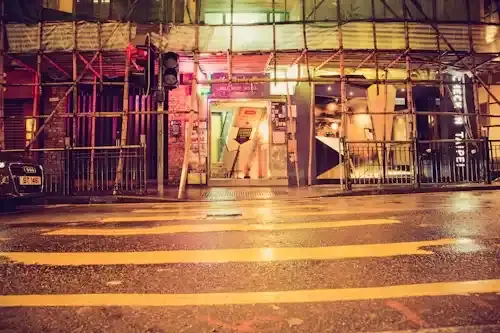
هونغ كونغ، مدينة تتألق على الساحل الجنوبي للصين، تعتبر واحدة من أكثر المدن العالمية إثارة وتنوعًا. تجمع بين التراث الشرقي العريق والحداثة الغربية في نسيج غني من الثقافات والتجارب. سواء كنت من محبي التاريخ والثقافة أو من عشاق التسوق والطعام الفاخر، فإن هونغ كونغ تقدم شيئًا لكل مسافر يبحث عن
ADVERTISEMENT
مغامرة مميزة.
مزيج من الثقافات والتأثيرات
صورة من unsplash
تتمتع هونغ كونغ بتاريخ طويل ومعقد يجعلها وجهة فريدة تجمع بين الحضارات الشرقية والغربية. يعود تاريخ المدينة إلى أكثر من 700 عام، وكانت جزءًا من الإمبراطورية البريطانية لأكثر من 150 عامًا حتى عام 1997، عندما تم تسليمها إلى الصين. هذا التداخل بين الثقافات والتأثيرات خلق مجتمعًا يتميز بالتعددية الثقافية، حيث تلتقي التقاليد الصينية العريقة بالنظام القانوني والتعليم الإنجليزي، ليشكلا معًا مزيجًا فريدًا.
ADVERTISEMENT
التراث الشرقي في هونغ كونغ
في قلب هونغ كونغ، يمكن للزوار استكشاف العديد من المعالم التي تحتفظ بالتراث الصيني التقليدي. يعتبر معبد ماني مو واحدًا من أقدم وأهم المعابد في هونغ كونغ. تم بناء المعبد في القرن التاسع عشر تكريمًا للإلهين ماني (إله الأدب) ومو (إله الحرب). يتجسد في هذا المكان روح البوذية والطاوية، وتعتبر زيارته تجربة تأخذك في رحلة إلى الماضي، حيث يمتزج عبق البخور مع الألوان الزاهية للنقوش والزخارف التقليدية.
ومن بين المواقع الأخرى التي يجب زيارتها في هونغ كونغ هو دير بو لين، الذي يقع في جزيرة لانتاو. يحتوي هذا الدير على تمثال بوذا الكبير "تيان تان بوذا"، وهو أحد أكبر تماثيل بوذا في الهواء الطلق في العالم. الوصول إلى هذا الدير يتطلب رحلة مثيرة عبر التلفريك، حيث يمكن للزوار الاستمتاع بمناظر خلابة للجزيرة والجبال المحيطة.
ADVERTISEMENT
الفنون والثقافة
صورة من unsplash
الفنون في هونغ كونغ تعكس التنوع الثقافي للمدينة. يضم متحف هونغ كونغ للفنون مجموعة كبيرة من الأعمال الفنية التي تتراوح بين الفن الصيني التقليدي والفن المعاصر. يقدم المتحف فرصة للزوار للتعرف على تاريخ الفنون في المنطقة من خلال المعروضات الدائمة والمعارض المؤقتة.
ومن الفعاليات الثقافية التي لا يجب تفويتها هو مهرجان القوارب التنين، الذي يُقام سنويًا في هونغ كونغ. يعتبر هذا المهرجان احتفالًا بالتقاليد الصينية ويتميز بالسباقات المثيرة للقوارب المزينة برؤوس تنين، بالإضافة إلى العروض الثقافية والموسيقية التي تعكس التراث الشعبي.
النقل والمواصلات
يعتبر نظام النقل في هونغ كونغ من أكثر الأنظمة كفاءة وتطورًا في العالم. يُعد مترو هونغ كونغ (MTR) الوسيلة الرئيسية للتنقل في المدينة، حيث يربط بين مختلف الأحياء والمعالم السياحية. بالإضافة إلى المترو، يمكن للزوار استخدام ترام هونغ كونغ الشهير الذي يعود تاريخه إلى أكثر من 100 عام، ويعتبر رمزًا من رموز المدينة.
ADVERTISEMENT
للراغبين في تجربة شيء مختلف، يمكنهم ركوب العبّارة عبر مرفأ فيكتوريا، وهي تجربة توفر إطلالات ساحرة على أفق المدينة وتتيح للزوار الاستمتاع برؤية هونغ كونغ من زاوية مختلفة.
الحداثة والتطور في هونغ كونغ
صورة من unsplash
رغم تاريخها العريق، فإن هونغ كونغ مدينة حديثة بكل المقاييس. تتميز بأفق معماري مذهل يزخر بناطحات السحاب التي تشكل رمزًا للتطور والازدهار. يعتبر مركز التجارة الدولية (ICC) من بين أطول المباني في العالم، ويوفر إطلالات بانورامية على المدينة من الطوابق العليا. إلى جانب هذا المعلم، يمكن للزوار الاستمتاع برؤية أفق هونغ كونغ الشهير من مرفأ فيكتوريا، خاصة عند غروب الشمس، حيث تتحول المدينة
إلى لوحة فنية مضاءة بأضواء المدينة.
لا يمكن الحديث عن هونغ كونغ دون الإشارة إلى شارع التسوق الشهير كوزواي باي، الذي يعد جنة لمحبي التسوق. تتجمع في هذا الشارع مراكز تجارية فاخرة تضم أشهر الماركات العالمية، إلى جانب أسواق شعبية تقدم منتجات تقليدية وهدايا تذكارية فريدة.
ADVERTISEMENT
الطعام في هونغ كونغ: تجربة لا تُنسى
صورة من unsplash
يُعد الطعام جزءًا أساسيًا من تجربة السفر في هونغ كونغ. تجمع المدينة بين مطابخ متعددة تعكس تنوعها الثقافي. يعتبر الدم سام واحدًا من أشهر الأطباق التقليدية في هونغ كونغ، وهو عبارة عن وجبة خفيفة تُقدم عادة مع الشاي في جلسات مميزة. يمكن للزوار تذوق الدم سام في أحد المطاعم التقليدية في شارع تيم شاو تسوي، حيث تُقدّم الأطباق في أجواء تعكس الروح التقليدية للمدينة.
من جهة أخرى، تحتضن هونغ كونغ مجموعة من المطاعم التي تحمل نجوم ميشلان، حيث يمكن للزوار الاستمتاع بتجربة طعام راقية. على سبيل المثال، يعتبر مطعم لونج كينج هين واحدًا من أفضل المطاعم التي تقدم الأطباق الكانتونية، وهو حائز على ثلاث نجوم ميشلان.
الطبيعة والمغامرة
صورة من unsplash
بالرغم من أن هونغ كونغ تشتهر بناطحات السحاب وحياة المدينة الصاخبة، إلا أنها تحتضن أيضًا مساحات طبيعية ساحرة تستحق الاستكشاف. تعد جزيرة لانتاو واحدة من أكثر المناطق جذبًا لمحبي الطبيعة والمغامرة. بالإضافة إلى دير بو لين وتمثال بوذا الكبير، يمكن للزوار الاستمتاع بالمشي لمسافات طويلة في المسارات الجبلية، مثل مسار التنين الخلفي الذي يوفر إطلالات خلابة على الجزيرة والمحيط.
ADVERTISEMENT
إذا كنت تفضل الشواطئ، فإن شاطئ ريبالس باي يعد خيارًا رائعًا للاسترخاء والتمتع بأشعة الشمس. يتميز هذا الشاطئ بالرمال الذهبية الناعمة والمياه الصافية، ويعتبر وجهة مثالية لقضاء يوم ممتع بعيدًا عن صخب المدينة.
النصائح العملية للزوار
عند التخطيط لزيارة هونغ كونغ، هناك بعض النصائح التي قد تساعدك في الاستمتاع بتجربتك إلى أقصى حد:
1.أفضل وقت للزيارة: تعتبر الفترة بين أكتوبر وديسمبر الوقت المثالي لزيارة هونغ كونغ، حيث تكون درجات الحرارة معتدلة والأمطار قليلة.
2.اللغة: اللغة الرسمية في هونغ كونغ هي الصينية (الكانتونية) والإنجليزية، ومعظم اللوحات الإرشادية في المدينة مكتوبة باللغتين.
3.العملة: العملة المحلية هي الدولار الهونغ كونغي (HKD)، ومن السهل العثور على أماكن الصرافة وأجهزة الصراف الآلي في جميع أنحاء المدينة.
ADVERTISEMENT
4.السلامة: هونغ كونغ تعتبر من أكثر المدن أمانًا في العالم، ولكن يُفضل دائمًا اتباع الاحتياطات العامة عند السفر.
هونغ كونغ ليست مجرد مدينة، بل هي تجربة غنية تجمع بين القديم والجديد، التقليدي والحديث. من المعابد التقليدية والأسواق الشعبية إلى ناطحات السحاب المذهلة والمطاعم الفاخرة، تقدم هونغ كونغ مزيجًا فريدًا من التجارب التي ترضي جميع الأذواق. سواء كنت تبحث عن مغامرة في الطبيعة، أو ترغب في استكشاف تاريخ المدينة وثقافتها، فإن هونغ كونغ هي الوجهة المثالية لأي مسافر يتطلع لاكتشاف عالم جديد ومختلف.
بزيارتك لهونغ كونغ، ستكون على موعد مع تجربة لا تُنسى، حيث يمكنك الغوص في أعماق التراث الصيني الغني والاستمتاع بملامح الحداثة والتطور التي تجعل من هذه المدينة واحدة من أكثر الوجهات إثارة في العالم.
ياسر السايح
ADVERTISEMENT
لم تكن جميع الديناصورات العملاقة آكلة اللحوم تتمتع بعضات قوية
ADVERTISEMENT
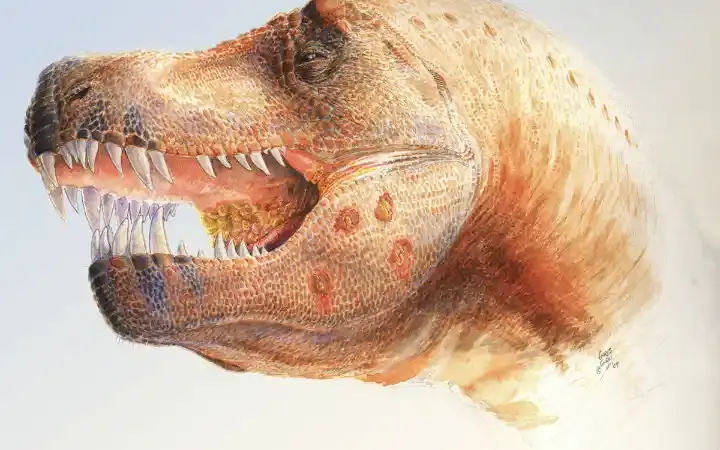
لعقود من الزمن، صوّرت الثقافة الشعبية الديناصورات العملاقة آكلة اللحوم على أنها مفترسات لا تُقهر ذات فكوك ساحقة للعظام. من التيرانوصور ريكس إلى السبينو صور، فغالبًا ما تُصوّر هذه المخلوقات على أنها صيادون متفوقون بقوة عضّ مدمرة. لكن الأبحاث الحديثة في علم الحفريات ترسم صورة أكثر دقة: لم تكن جميع
ADVERTISEMENT
الديناصورات العملاقة آكلة اللحوم تمتلك عضات قوية. وفي الواقع، اعتمد بعضها على استراتيجيات مختلفة تمامًا للصيد والتغذية والبقاء. لطالما شكّل افتراض أن الحجم يساوي القوة فهمنا لبيولوجيا الديناصورات. فمن السهل تخيّل أن مفترسًا يزن 10 أطنان سيكون لديه فكوك قادرة على سحق أي شيء في طريقه. ومع ذلك، فإن قوة العض تتأثر بأكثر من مجرد حجم الجسم - فهي تعتمد على شكل الجمجمة، وعضلات الفك، وبنية الأسنان، وسلوك التغذية. وعندما بدأ العلماء في تحليل هذه العوامل عبر أنواع مختلفة من الثيروبودات(الديناصورات ثنائية القدمين)، اكتشفوا اختلافات مفاجئة. يتحدى هذا الكشف الصورة النمطية لـ "المفترس الخارق" ويفتح أسئلة جديدة حول كيفية عيش هذه الحيوانات. هل كانوا كزبّالين أكثر منهم صيادين؟ هل تخصص آخرون في اصطياد الفرائس الرخوة؟ يشير تنوع قوة العض إلى نظام بيئي معقد، حيث أنه حتى أكبر الحيوانات آكلة اللحوم لها أدوار بيئية مميزة.
ADVERTISEMENT
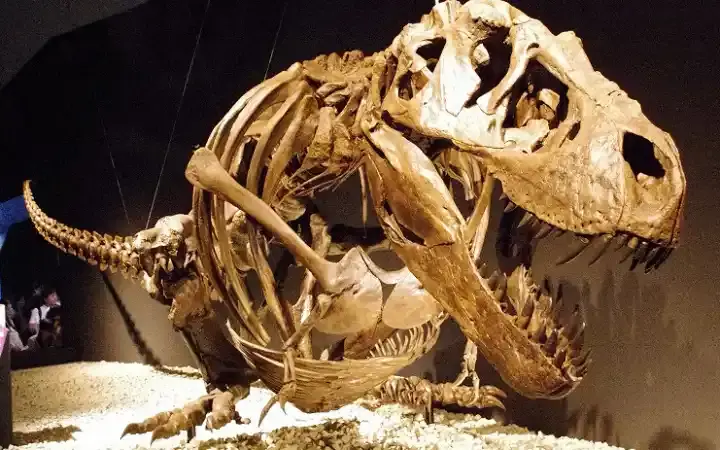
صورة بواسطة ssr ist4u على wikipedia
تيرانوصور ريكس - معيار قوة العض
لنبدأ بالبطل الأثقل بلا منازع في قوة العض: تيرانوصور ريكس. تُقدّر الدراسات أن قوة عضّة تيرانوصور ريكس تجاوزت 8000 رطل، وهي قوة كافية لسحق العظام وتمزيق الجلود السميكة. كانت جمجمته القوية، وعضلات فكه العميقة، وأسنانه الشبيهة بالموز مُهيأة تمامًا لعضات مدمرة. هذا جعل تيرانوصور ريكس ليس فقط مفترسًا هائلًا، بل أيضًا زبّالًا ماهرًا، قادرًا على التهام الجثث بسهولة، حتى تلك التي يصعب على غيره الوصول إليها. غالبًا ما تُستخدم قوة عضة تيرانوصور ريكس كمعيار للثيروبودات الأخرى، ولكن من المهم إدراك أنه كان حالة شاذة تطوريًا. كان تشريحه مُلائمًا بشكل فريد للعض بقوة عالية، وقد عكست استراتيجيته في التغذية ذلك. كان بإمكانه قضم العظام، واستخراج النخاع، والتهام الفريسة كاملةً، دون الحاجة إلى تمزيقها أولًا. وهذا أتاح له الوصول إلى عناصر غذائية ربما فاتتها حيوانات مفترسة أخرى، مثل الكالسيوم والدهون المخزنة داخل العظام. لكن لم تتبع جميع الثيروبودات هذا المسار. فقد تطورت بعضها إلى جماجم أخف وزنًا، وفكوك أضيق، وأسنان أكثر دقة، وهي سمات تشير إلى اتباع نهج مختلف تمامًا في التغذية، يعتمد على السرعة والدقة بدلًا من القوة الغاشمة. تكشف مقارنة هذه الأنواع بتي ريكس عن مدى تنوع الديناصورات آكلة اللحوم في الواقع، وعن مدى تعقيد استراتيجياتها التطورية في التكيف مع بيئاتها المختلفة.
ADVERTISEMENT
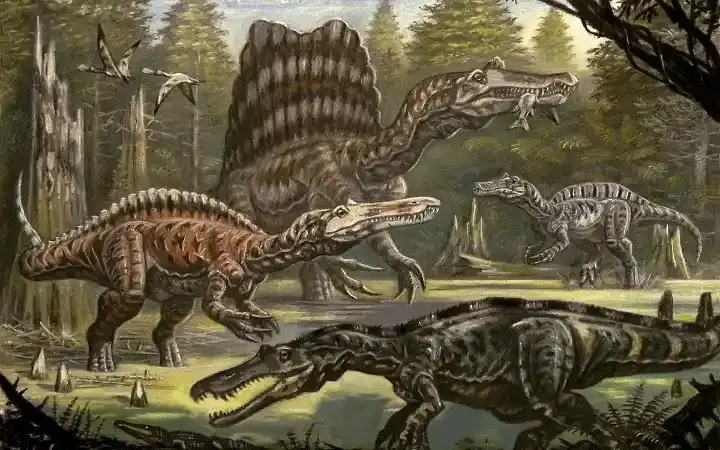
صورة بواسطة Андрей Белов على wikipedia
سبينوصور ومتخصصو العضّات الناعمة
لنأخذ سبينوصور إيجيبتياكوس مثالاً. كان لهذا المفترس الضخم - الذي يفوق طوله طول التيرانوصور ركس - خطم طويل وضيق مليء بأسنان مخروطية. تشبه جمجمته جمجمة تمساح حديث، وكانت قوة عضته أضعف بكثير مما كان متوقعًا بالنسبة لحجمه. فكيف نجا سبينوصور؟ يكمن الجواب في بيئته ونظامه الغذائي. عاش سبينوصور بالقرب من الأنهار والأراضي الرطبة، ويشير تشريحه إلى أنه كان شبه مائي. تكيف فكاه لاصطياد الفرائس الزلقة كالأسماك، وليس لسحق العظام. عوّضت عضته الضعيفة بالدقة والسرعة، مما سمح له بانتزاع الفريسة من الماء بأقل مقاومة. شاركت ثيروبودات أخرى، مثل باريونيكس وسوشوميموس، سمات مماثلة. كان لهذه الديناصورات أنوف طويلة، وعضلات فكّ قصيرة، وأسنان مناسبة للإمساك بدلاً من التقطيع. كانت استراتيجياتهم الغذائية أكثر تخصصًا، حيث ركزت على الفرائس المائية أو ذوات الأجسام الرخوة. في هذه الحالات، لم تكن العضة القوية ضرورية، بل ربما كانت عيبًا. تكشف هذه المجموعة من "متخصصي العضات الرخوة" عن التنازلات التطورية التي شكلت تنوع الديناصورات. فبدلًا من التنافس على مصادر الغذاء نفسها، استطاعت هذه الحيوانات المفترسة أن تنشئ لنفسها بيئات فريدة، مما قلل من الصراع وعزز استقرار النظام البيئي.
ADVERTISEMENT
صورة بواسطة Chris Glen على wikipedia
إعادة النظر في بيئة الديناصورات والتطور
يدفعنا اكتشاف أن ليس كل الديناصورات العملاقة آكلة اللحوم تمتلك عضات قوية إلى إعادة التفكير في كيفية تفاعل هذه الحيوانات مع بيئتها، ومع بعضها البعض. إن قوة العض ليست سوى جزء واحد من اللغز. فعند دمجها مع بيانات الحركة والقدرات الحسية وتفضيلات الموائل، تساعد في إعادة بناء صورة أكثر دقة لبيئة الديناصورات. على سبيل المثال، قد تشير العضة الضعيفة إلى الاعتماد على أساليب الكمائن، أو الصيد الجماعي، أو البحث عن الجيف. كما قد تشير إلى تفضيل الفرائس الأصغر أو الأكثر ليونة. وستؤثر هذه التكيفات على كل شيء، من السلوك الاجتماعي إلى النطاق الإقليمي. وبدورها، تُشكل هذه الحيوانات كيفية فهمنا لديناميكيات المفترس والفريسة في النظم البيئية ما قبل التاريخ. علاوة على ذلك، يُبرز هذا التنوع في استراتيجيات التغذية أهمية التخصص التطوري. فبدلاً من التطور نحو مفترس "مثالي" واحد، تنوعت الثيروبودات استجابةً للضغوط البيئية. فأصبح بعضها كاسرات عظام، والبعض الآخر صائد أسماك، والبعض الآخر آكلين انتهازيين وقد سمح هذا للعديد من الحيوانات آكلة اللحوم الكبيرة بالتعايش دون منافسة مباشرة - وهو مبدأ يُعرف باسم تقسيم الموائل. تدعم النظائر الحديثة هذه الفكرة. في النظم البيئية الحالية، تتشارك الحيوانات المفترسة مثل الأسود والضباع والتماسيح الموائل من خلال استهداف فرائس مختلفة واستخدام أساليب صيد مختلفة. ومن المرجح أن الديناصورات اتبعت أنماطًا مماثلة، حيث لعبت قوة العض دورًا رئيسيًا في تحديد أدوارها البيئية. في النهاية، تفسح أسطورة العضة القوية عالميًا المجال لواقع أكثر ثراءً وتعقيدًا. فلم تكن الديناصورات العملاقة آكلة اللحوم مجرد قتلة بالقوة الغاشمة - بل كانت متكيفة ومتنوعة وغالبًا ما تكون متخصصة بشكل مدهش. وهذا ما يجعل قصتهم أكثر إثارة للاهتمام.
عبد الله المقدسي
ADVERTISEMENT
توقف عن إهانة كبار السن يوما ما بوجود حظ ستكون منهم
ADVERTISEMENT
في أواخر التسعينات، عندما كنت أقوم بإصدار كتب النصائح ( كتبي وأعمال بالتعاون ) سألت وكيلتي الأدبية عن "جودي" (أذكر اسما مستعارا)، وهي كاتبة ناجحة كانت تمثلها أيضًا. لم أكن أعرف جودي، إلا أنها كانت مؤلفة زميلة كتبت أو شاركت في كتابة سلسلة من الكتب الناجحة. كانت مسيرتها المهنية مشابهة
ADVERTISEMENT
لمسيرتي، باستثناء أنها كانت في المقدمة على الطريق، وكنت أشعر بالفضول. لقد صدمني رد وكيلة أعمالي البالغة من العمر ثلاثين عامًا. "أوه، إنها كبيرة في السن. وأشك في أن يقوم أحد بتوظيفها الآن." كنت في منتصف الخمسينيات من عمري، ولم أشعر بالتقدم في السن أو الضعف بشكل خاص، وبالتأكيد لم أتخيل نفسي ملغيًا. تساءلت عما إذا كان وكيلة أعمالي ترسل لي رسالة بمهارة - لم تكن جودي أكبر سنًا بكثير، ربما في الستينيات من عمرها. لم يكن لدي أي فكرة أيضًا عما إذا كانت وكيلتي قد أحست بمدى استهتارها واستخفافها بشخص كانت تقدره ذات يوم كعميل. لكن بدلًا من السؤال، قمت بتغيير الموضوع. لقد تصرفت كامرأة في وجود كاره للنساء أو يهودي، خوفًا من الكشف عن نفسه لمعادٍ للسامية. لم يكن ذلك بالطبع آمنا لقد انفصلنا أنا والوكيلة في عام 2014، ولم يكن ذلك وديًا. بقي تعليقها معي. كنت بالكاد على دراية بالتمييز على أساس السن في ذلك الوقت، ولكن على مدار العقد التالي، مع تراكم أعياد ميلادي، بدأت أفهم.
ADVERTISEMENT
آخر صورة نمطية مقبولة
الصورة عبر Huy Phan على unsplash
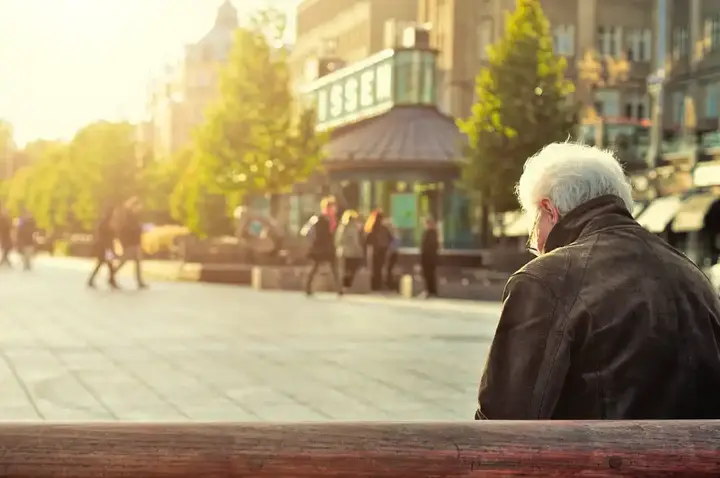
في حين يؤثر التمييز على أساس السن على الشباب، فإن أعظم الإهانات، بما في ذلك حسنة النية، توجه إلى الكبار ــ وهي المجموعة التي يتوق الناس إلى تجنبها، كما لاحظت صديقتي مارج البالغة من العمر 104 أعوام. "لماذا لا يدرك الناس أن الطريقة الوحيدة للبقاء صغارًا هي أن تموت شابًا؟" نحن جميعًا متحيزون للعمر دون وعي، وهذا ما تغرسه فينا الصور الإعلامية ويعززه أولئك الذين يروجون لأمصال الشباب. أظن أن ملاتحظة المنتجة التليفزيونية التي قالت لي، "ارتدي سترة ذات ياقة عالية في المرة القادمة"، كانت مفيدة .إن التحيز ضد كبار السن ليس دائمًا أمرًا سيئًا أو سيئ النية، كما كان تعليق وكيلة أعمالي السابقة المتحيز بشكل علني. لكن فكر في الأشياء التي نقولها لكبار السن. هل يمكنك "إطراء" المراهق على تقدمه في السن "الناجح" أو الإدلاء بملاحظات حول استثنائيته؟ تخيل أنك تقول لآسيوي: "أنا معجب بك، ولكنك مختلف، ولست مثلهم". نحن نسمي كبار السن الأصحاء والنشطين "المعمرين الفائقين"، كما لو أنهم يضعون المعايير للبقية مننا الغرور هو أننا نستطيع السيطرة على ما تلقيه الحياة علينا. أو هل أن الشيخوخة مرض، ولا يمكن علاجه إلا لقلة من الناس. في بعض الأحيان، نقوم عن غير قصد بإصدار تعليقات متحيزة ضدنا عن أنفسنا - على سبيل المثال، قول "أنا أتقدم في السن" لشرح فقدان الذاكرة أو الخطأ، وهو أمر شائع في أي عمر. نحن نفكر في مثل هذه التصريحات المتعجرفة باعتبارها استنكارًا غير ضار للذات، ولكننا نحن من نقول لأنفسنا.هذا إن شراء المعتقدات العمرية يمكن أن يستغرق سنوات من عمرحياتك.
ADVERTISEMENT
عبارات لملاحظتها
الصورة عبر Mathias Konrath على unsplash
بالنسبة للمبتدئين، إليك بعض السطور التي قد تحذفها من ذخيرة المحادثة الخاصة بك، متبوعة ببديل أكثر احترامًا. بالمناسبة، لا تخجل أو تحرج إذا انزلق أي من هذه الأشياء بالفعل، حتى أكثر من مرة. لقد قلت معظمهم بنفسي! التمييز على أساس السن أمر خفي ومثير للدهشة.
"أنت تبدو شابًا/رائعًا بالنسبة لعمرك."
لا يهم أنك تقصد ذلك كمجاملة. فكر في البيان. كيف يبدو "الشباب"؟ أو "عظيم"؟ العبارة الإشكالية حقًا هي "لعمرك". كيف يبدو رقم معين – سواء كان 6 أو 50 أو 78 –؟ لا أستطيع أن أقول؟ هناك الكثير من الاحتمالات لتصنيفها؟ بالضبط. البديل: بدلًا من ذلك، امدح حضور الشخص: "أنت [لائق/مظهر صحي/نشيط]. أود أن أكون مثلك." ردت غلوريا ستاينم بشكل مشهور على أحد المراسلين الذي قال إنها لا "تبدو" في سنها، "هذا هو شكل الخمسين". لكن لماذا لا نخرج المظهر من المعادلة تماماً؟ يتغير المظهر من 6 إلى 16 ومن 60 إلى 80. الآن عندما يخبرني أحدهم عن مدى حسن مظهري بالنسبة لعمري، أقول: "هذا هو ما تبدو عليه حياة الثمانين".
ADVERTISEMENT
"السبعون ليس بالعمر. المسن"
على من تمزح؟ إنه كذلك تمامًا. يبدأ العلماء ساعة الشيخوخة عند 65 عامًا، وهو رقم اعتباطي بالتأكيد. ولكن بمجرد دخولك إلى تلك المنطقة، حسنًا، فأنت، بحكم التعريف، كبير في السن.تبعا لسينفيلد، "ولا يعني ذلك أن هناك أي خطأ في ذلك". البديل: كن فخورًا بعمرك وأفصح عنه باستمرار. يسعدني هذه الأيام أن أقول: "لقد انتهيت من كتابي الأخير بعد خمسة أسابيع من عيد ميلادي الثمانين". يقترح المدافعون عن مكافحة الشيخوخة في كثير من الأحيان أن نترك العمر خارج المحادثة تمامًا، لكنني لا أتفق مع ذلك. إنه مشعر مثل الطول أو لون الشعر، وليس شيئًا تخجل منه. لماذا ننكر أو نخفي السنوات التي عشناها؟
"إنها تملك جسد شخص يبلغ من العمر 50 عامًا."
هكذا وصفت أنا إدري البالغة من العمر 84 عامًا، عندما رأيتها بملابس السباحة الصيف الماضي في جزيرة النار. لقد قصدت ذلك كمجاملة، ولكن بعد ذلك ضبطت نفسي. بفضل تمتعها بالقوة والرشاقة واللياقة البدنية وراثيًا، قامت صديقتي بتحريك هذا الجسد وتنسيقه وعمله وتمديده طوال حياتها - أولاً، كراقصة وأستاذ ةللرقص، ثم كمدرسة لليوغا لاحقًا. هذا هو جسدها في 84. البديل: "إدري لديها جسد شخص ظل يتحرك ويهتم بجسده"
ADVERTISEMENT
"أنت صغير جدًا/كبير في السن بحيث لا يمكنك ارتداء مثل هذا."
عندما ترى أن سيدة ستينية فاتنة ترتدي الجينز الضيق والكعب المسنن، ستفكر قائلا على من ( تضحك) ؟ ألست غيورًا قليلاً لأن لديها شيئًا لتتباهى به؟ أوه، ولا تقلق: إذا كان الناس يحدقون والرجال يهتفون، فهذه مشكلتها. ربما يعجبها ذلك، وهذا أيضًا هو شأنها البديل: "أنت تبدو رائعًا! أتمنى لو كان لدي الانضباط لممارسة التمارين الرياضية بانتظام - ويمكنني ارتداء ما أريد!"
"لا أستطيع أن أصدق أنك مازلت [تجري/تسبح/تمارس اليوغا] في مثل عمرك!"
لقد توقفت عن الركض في المدرسة الثانوية. لقد كرهت صالة الألعاب الرياضية، ولم تحب أن تتعرق وتبلل، وتفضل التلفاز. لم يتخذ الجميع تلك الاختيارات. بعض البشر يحبون الرياضة وحركة الجسم. ينجح المحظوظون في تجنب الحوادث والمرض، لذا يواصلون ذلك. ليس هناك حد للعمر. لعبت زيلدا التنس حتى عام 99. البديل: "أنا مندهش من [قوتك/مرونتك/توازنك/سرعتك]. كيف تدربت على البقاء في مثل هذه الحالة الجيدة؟ كيف يمكنني البدء؟"
ADVERTISEMENT
"يا فتى! هل لدي منتج مضاد للشيخوخة لك."
لقد شاهدت الإعلان على فيسبوك، وشاهدت الفيديو الشاهد على ذلك ودفعت 150 دولارًا مقابل تلك الجرة الصغيرة من الكريم "المضمون" لتخليصك من التجاعيد ومحو بقع الكبد. كل صباح تنظر إلى المرآة، وتنتظر المعجزة. تعتقد. انت تأمل. لكن يا عزيزي، لا شيء يوقف الساعة، إلا الموت. "مكافحة الشيخوخة" عبارة وليست وعدًا. البديل: اعرف ما هو مهم حقًا. وكما قالت مارج مازحة في كثير من الأحيان: "أنا أعتني بقدمي أكثر من وجهي، لأنني أحتاج إليهما أكثر". كن قدوة لأصدقائك. شارك الوصفات الصحية واقترح أفضل الأحذية الرياضية للمشي لمسافات طويلة واستكشف آفاقًا جديدة.
الصورة عبر Centre for Ageing Better على unsplash
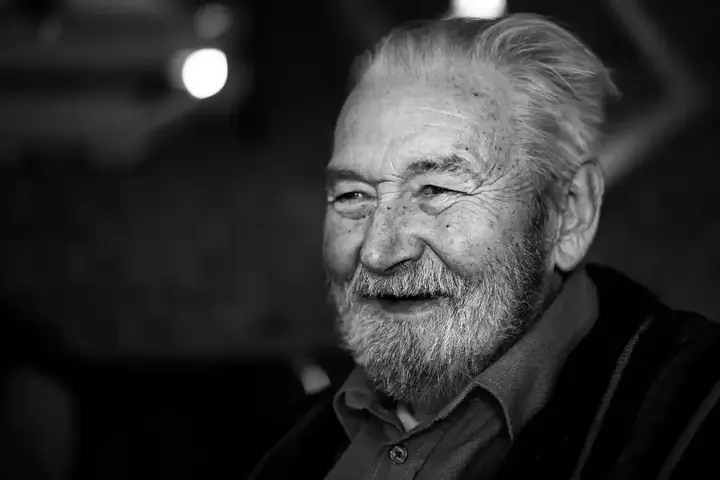
الشيخوخة تدفعك نحو نهاية حياتك، ولهذا السبب تبدو كلمة "كبار السن" أمرًا شاقًا وصعبًا. لكن الحياة مليئة بالتحديات، والظلم، وحتى المعاناة من اليوم الذي ولدت فيه. أفضل ما في كونك كبيرًا في السن هو أنك تمكنت من إدارة الأزمات والأمور غير المتوقعة، وما زلت هنا. أنت تعرف ما هو تحت سيطرتك، وما هو ليس كذلك. معظمنا لا يشعر بعمرنا. وكما قالت مارج، التي كانت في أوائل المائة من عمرها: "أرى من خلال عيون عمرها 25 عامًا، لكن جسدي يشعر وكأنه يبلغ من العمر 110 عامًا". لذلك، عندما يقوم شخص ما بتعليق حول عمرك، دعه يعرف أنك لا تزال بداخلك، أصغر سنا ولكنك الآن فخور ومحظوظ لأن لديك سنوات من الخبرة للاستفادة منها. يجب قبول واستيعاب أي قيود يجلبها العمر. كانت زيلدا تكره دائمًا كونها قصيرة، ولكن بدلًا من ارتداء الكعب العالي، قررت "أن أكون أفضل شخص قصير القامة يمكن أن أكون عليه". وكانت كذلك لقد عاشت أيضًا ما يقرب من 105 أعوام. لماذا لا تكون أفضل شخص عجوز يمكن أن تكونه؟ راقب الأشياء الجيدة في حياتك - الأشياء الجديدة والمألوفة والأشخاص والأماكن التي تتواجد فيها والتي لا يزال بإمكانك الذهاب إليها. وكما قالت لي جوان البالغة من العمر 90 عامًا، "لدي كل الأشياء التي يمتلكها كبار السن. أنا فقط أركز على أشياء أخرى