


Rabat's heritage is a mix of ancient and modern



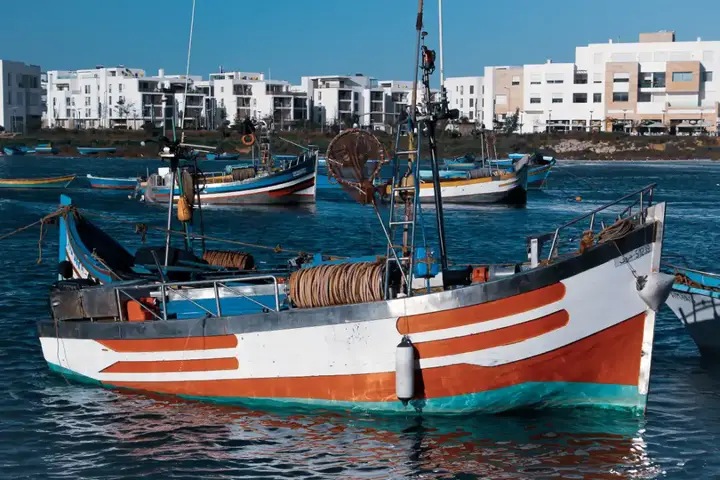
The heritage of the city of Rabat is a world cultural heritage that UNESCO has attested to with the inclusion of 8 of its sites on the UNESCO World Heritage List. The city has a historical and cultural heritage that spans the ages and continues to add more for future generations to witness. You can see Rabat's heritage as a living museum to walk around to see its ancient history and fruitful present as well.
Show key points
- Rabat is recognized by UNESCO for its rich cultural heritage, with eight of its historical sites included on the World Heritage List.
- The city seamlessly blends ancient Moroccan, Andalusian, Islamic, and European influences in its architecture and urban planning.
- Iconic historic landmarks like Chellah, the Kasbah of the Oudaya, and Hassan Tower reveal Rabat’s deep historical roots and its strategic importance over centuries.
- ADVERTISEMENT
- Rabat’s ecological and artistic heritage is showcased in the 100-year-old Botanical Experiment Garden, which promotes environmental awareness alongside cultural appreciation.
- The city’s ancient defensive walls from the Almohad and Andalusian periods reflect its layered architectural evolution and are valued as historical masterpieces.
- Rabat’s annual Jedar Street Art Festival brings together global artists to create vibrant murals, reinforcing its identity as a city of creative and cultural fusion.
- Both traditional crafts like handmade carpets and modern architecture such as Zaha Hadid’s Grand Theatre collectively represent the harmonious coexistence of Rabat’s past and present.
The city is located on the Atlantic coast and was founded in the twelfth century by the Almohad caliph Abd al-Mu'min ibn Ali. The city's blending of ancient Moroccan tradition with modern architecture made Rabat's heritage a distinctive form that is difficult to match.
The city's architecture and the decorations of its buildings throughout the ages have made it a city rich in culture and architecture, and this legacy has been preserved in the modern design of the city to create a unique state of harmony between the past and the present and between the multiple Andalusian, Islamic and European cultures as well.
Recommend
Chellah of the impact of the Roman and Phoenician civilization in Rabat
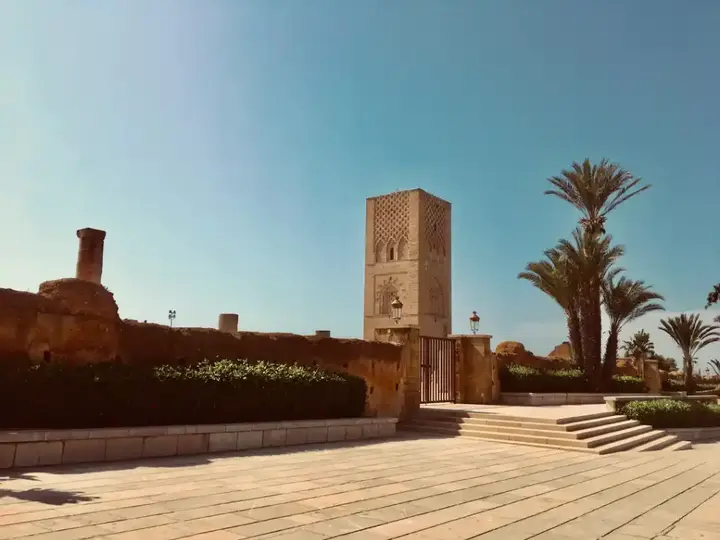
One of Rabat's heritage sites and one of the UNESCO lists, Chellah is an Islamic cemetery built on the ruins of the remains of the Roman and Phoenicians in Rabat. It has traces of medieval castles still visible after excavations.
Chellah is still carrying many secrets and treasures that are waiting to be excavated and discovered, as only 4 hectares have been excavated in the area, which is a small area of the area occupied by the Romans during their presence. The site was transformed into a royal tomb in later eras.
The castle and fortress of the Kasbah of the Oudaya is one of Rabat's distinctive heritage
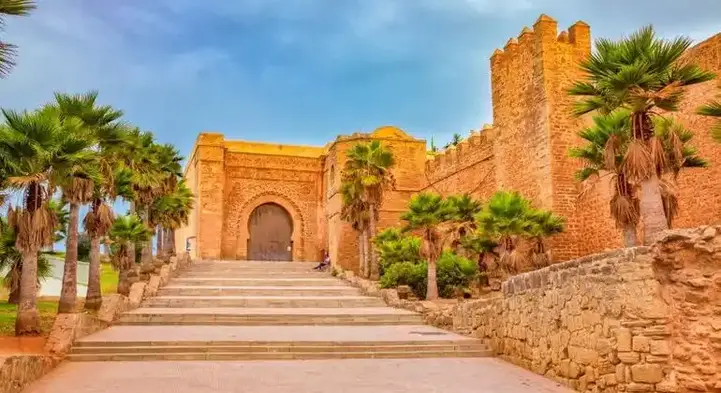
The last Almoravid princes, the founders of the city, built the Kasbah fortress to protect the city, and the fort dates back to the twelfth century. After the Almohad victory over the Almoravids, they demolished the fort and built the so-called New Kasbah, which was expanded and used as a temporary headquarters for Almohad rule. The Kasbah was considered as the nucleus of the construction of the old city and is the product of an urban accumulation on a 1000-year corridor.
The Kasbah of the Udaya is one of the most important signs of the heritage of the ancient Rabat, which is also called the Kasbah of Mahdia overlooking the Atlantic coast and its name is taken from the name of a desert tribe recruited by the Almohads to launch attacks on the Spaniards. After the Almohads, the castle was inhabited by the Moriscos from Andalusia and then underwent many changes, and its ancient wall and door are symbols of Almohad architecture, which is one of the reasons for its addition to the UNESCO World Heritage List.
Hassan Tower is one of the most important signs of Rabat's heritage
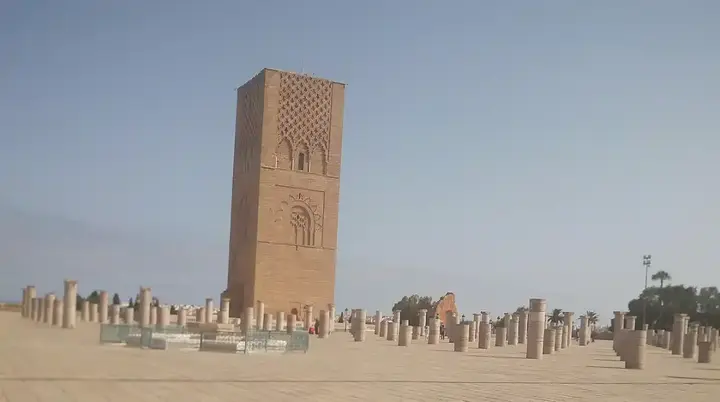
The Hassan Tower is a historic minaret of an unfinished mosque built in the twelfth century by Sultan Yacoub al-Mansur Almohad and damaged during the earthquake in Morocco and has undergone restoration work.
UNESCO included the silo on the World Heritage List. The silo is built in the Andalusian style and is 44 meters high, and in its vicinity there is the mausoleum of King Mohammed V. The silo was named after the Bani Hassan, one of the famous mountain tribes in Morocco. Around the silo there are Andalusian gardens and 18 water springs.
Botanical Experiment Garden
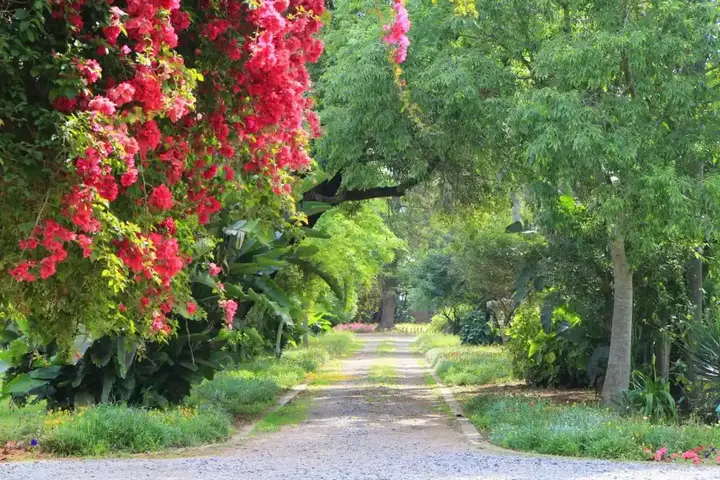
Rabat was designed as a green city, so it's no wonder that there is so much interest in the green cover of Rabat's largest public park. The park is 100 years old and is one of the city's historical monuments and was designed by French artist Jean-Claude Nicolas Foreste.
The botanical experiment garden is made up of two sections and is crossed by a road and is rich in local, tropical and desert ornamental and fruit trees such as clay trees. The park includes a museum that highlights the importance of water and light as a component of nature and a source of life. It also includes a national museum of fine arts, in addition to a French and British garden, and the park also has a research center. The park's diverse activities encourage the development of ecotourism and respect for nature and stand as a testament to Rabat's heritage, which combines nature and the arts.
The walls of the Almohad and Andalusian city of Rabat
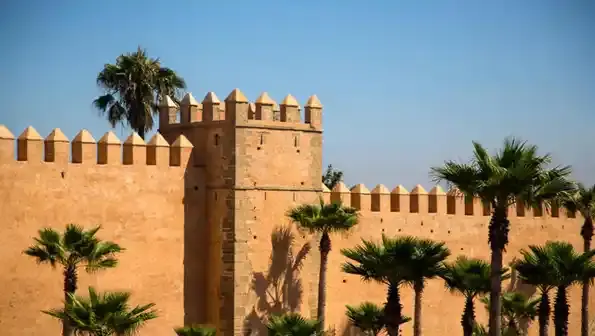
When you are in a heritage city like Rabat, trust that every aspect of it will bear witness to its timeless heritage, and this is already found in the walls of the heritage city of Rabat, for which Rabat is famous. It was built by the rulers of the city when it was founded and many modifications were made throughout the ages and the value of heritage walls is in the diverse architecture of each era and blended these arts clearly in the design of the walls and the way they were built.
The Almohad wall was built by Sultan Yacoub al-Mansur Almohadi in the twelfth century and was built as a line of defense for Rabat with five huge gates and defensive towers. One of its doors, Bab Al-Rawaj, is the most beautiful and most decorative door, so it has great archaeological and heritage value.
As for the Andalusian wall, it was built in the seventeenth century by the Moriscos, the Muslim refugees who were forced to leave Andalusia after the end of Islamic rule. The wall includes 3 huge doors, the most important of which is the door of Sidi Makhlouf, and other doors were added in later eras. The wall also includes 26 defensive towers. Both Syrians as well as Bab al-Rawaj have been added to the UNESCO World Heritage List.
Rabat's modern heritage at the "Street Art" festival
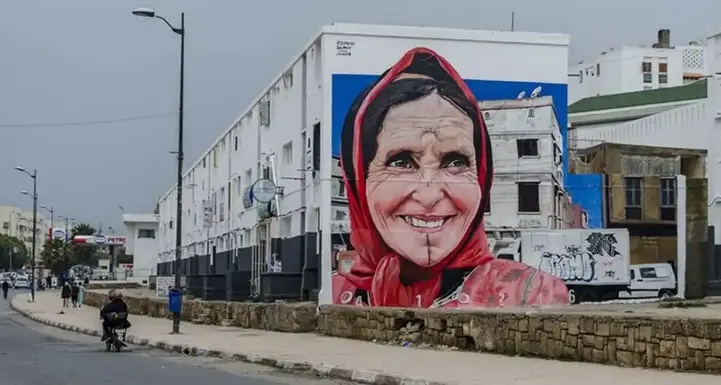
In our present, Rabat has not overlooked its influential presence in the world of arts and culture to carry us a heritage for the present and the future, as the city of Rabat has hosted the Jedar Festival annually since 2015. It is an international festival for painting murals on the walls of tall street buildings, which is also called street art. Mural artworks adorn the streets of Rabat and have reached more than 100 works since the beginning of the festival until now.
The festival will last for 10 days, during which international street artists will visit Rabat alongside local artists to paint murals. The participating artists come together at the end before the end of the festival to paint a joint mural.
The festival is rich in other artistic events besides mural painting such as the workshops of Cerography, which is the art of silk printing using fixed and permanent inks and other artistic activities.
The festival is organized in spring or summer to enjoy tours within the city and discover the previous production of magnificent murals from previous festivals. The festival offers a welcoming environment for artists and art lovers to express their ideas and practice their free creativity. Influenced by their visit to Morocco, artists of Arab, European and American origin blend their art with Moroccan art, giving their work a unique and rare impact.
The festival is a sign of artistic revival in the city of Rabat and the strengthening of friendship between peoples through culture and arts as an extension of Rabat's ancient heritage.
The traditional carpet is an ancient art and a modern industry at the same time
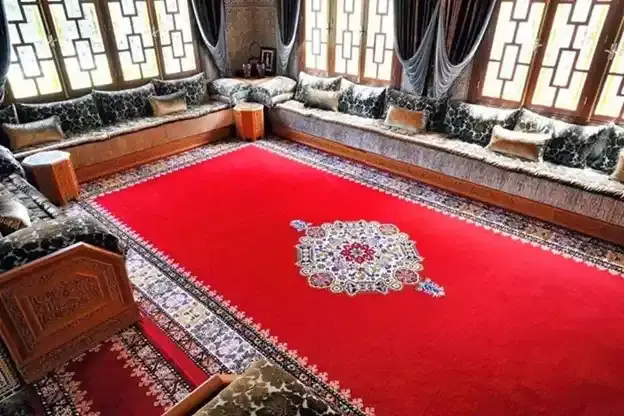
Carpets are a type of traditional homemade carpet from the heritage of the ancient ribat. Morocco has two types, rural carpets and urban corrals. Urban carpets are manufactured in the city of Rabat and are distinguished by the density of their wool. The handmade carpet is done by shearing sheep's wool, washing and cleaning it in the water of the valleys, then combing and dyeing it with natural plants, then spinning the woolen threads to turn them into pieces of art and visible tales on the carpets.
Garter carpets are characterized by different flower shapes, and in the eighteenth century they showed oriental influences. The floor of the garter carpets is defined by the shapes of squares or triangles and floral motifs, and the corral is famous for its red floor color and the overlapping of decorations with delicate drawings in the center and edge.
The heritage of the ancient and modern ribat blends in the carpet, where the carpet is sold in the alley of the consuls, and the mechanization of this industry has been introduced recently, but the hand-made carpet is the most beautiful and valuable so far. The Ministry of Handicrafts is interested in this industry and therefore conducts quality control on all pieces before selling them in the market of Al-Qunana Street on Mondays and Thursdays of each week, and after examining each piece, a sticker is placed on its back to determine the value and quality of the piece, which determines its price, and no piece can be sold before the label is placed on it.
The Grand Theater is Zaha Hadid's architectural masterpiece
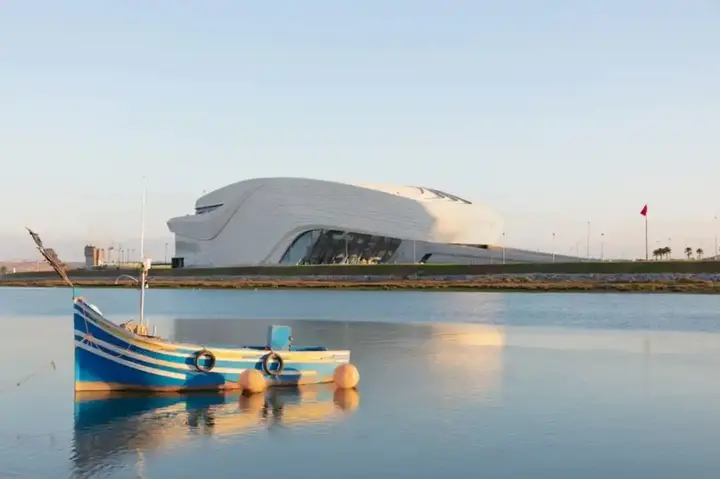
The Grand Theatre of Rabat is an architectural masterpiece and a distinctive Rabat heritage, one of the distinctive works of art by the late architect and artist Zaha Hadid. The theatre has placed Rabat on the map of world cultural capitals. Zaha Hadid was inspired by the Regreg River Morocco, which runs between the old city of Rabat and Salé, on whose banks the theatre is located.
The theater building is a distinctive sculptural mass flowing into curved lines. The design contributed to the fusion of theater with the nature around it. The interior features a strange sculptural shape with natural light overlaps, which is what characterizes most of Zaha Hadid's work. The theater is the largest theater in Africa and its main hall can accommodate 2,000 people and the theater is equipped with the latest visual and audio technology and the total cost of the theater is 100 million euros.
As you walk through the streets of Rabat, you breathe in the heritage of the ancient past and reflect on its modern heritage.
