


Take Care of Your Vision: How to Care for Your Eyes in a Digital World



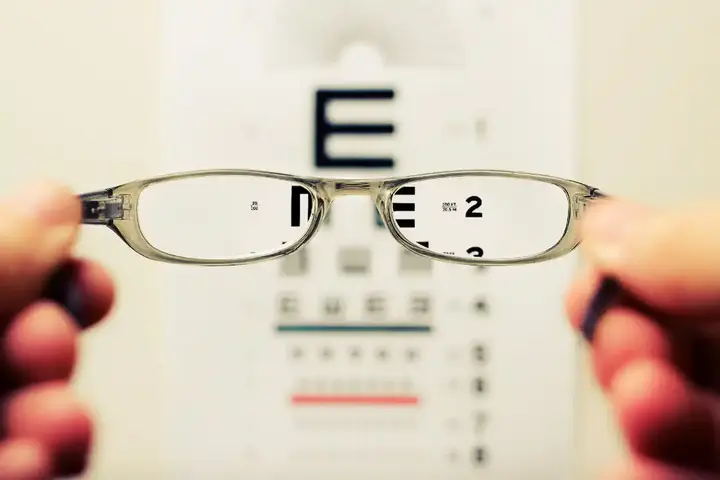
There is no doubt that good vision is essential for daily life, although compelling facts tell us that eye conditions such as myopia and hyperopia are becoming increasingly common, affecting millions around the world, due to spending too much time in front of screens.
Show key points
- Eye conditions like myopia and hyperopia are increasingly common due to excessive screen time, affecting millions globally.
- Regular eye exams are crucial since many eye diseases, such as glaucoma, begin with no noticeable symptoms but can cause permanent damage if left undetected.
- Practicing digital eye strain relief techniques like blinking exercises and the 20-20-20 rule can minimize discomfort from prolonged screen use.
- ADVERTISEMENT
- Protecting your eyes from harmful UV rays by wearing sunglasses and hats can significantly reduce the risk of serious eye diseases.
- Eating a balanced diet rich in nutrients like Vitamin A, C, lutein, and zeaxanthin supports long-term eye health and helps prevent visual deterioration.
- Your overall health directly influences your eye health, making it important to manage chronic conditions like diabetes and hypertension.
- Simple at-home eye self-checks, such as alternating vision between objects and comparing eyes individually, can help detect early warning signs of vision problems.
Moreover, symptoms such as dry eyes, headache and blurred vision are very common and very likely to be associated with the increased use of digital devices, the so-called computer vision syndrome.
The good news is, according to the World Health Organization, more than 80% of cases of visual impairment globally can be avoided and treated with regular eye exams, a healthy diet, and preventive measures such as wearing sunglasses.
Recommend
Keep this in mind, and let's now go and learn how to take care of your eyes.
1. Have eye tests on a regular basis
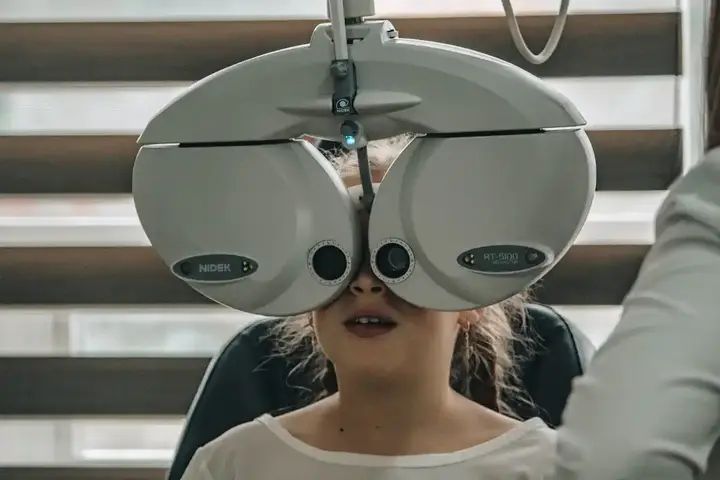
An eye exam has been proposed at least every two years. Many eye diseases have no symptoms at first. For example, glaucoma causes irreparable damage to the eye if it is not detected early enough, because it damages the peripheral visual field initially.
People tend to overlook the loss of peripheral vision and compensate for it by relying on head movement, because the human visual system is remarkably adaptable.
When individuals experience a decrease in their peripheral vision, whether due to eye disease or other factors, their brain often compensates for this by increasing awareness of central vision and enhancing head movement in order to explore the surroundings more effectively.
Having an eye exam with a qualified ophthalmologist will enable him to detect your eye diseases and refer you to a specialist if necessary.
For most eye diseases, such as glaucoma, cataract, diabetic retinopathy and age-related macular degeneration, early detection of changes will reduce the risk by 90%.
2. Self-examination at home
Take a moment to focus on something at a distance, then turn your gaze to something close, such as a computer screen or a book. If you notice any discomfort, fatigue or blurred vision during this transition period, it may be a signal your eyes send you.
Cover each eye once a week and look at a car tigress at a distance to make sure both eyes see well, and this can help you identify any significant differences in visual acuity between your eyes.
If you notice a significant difference in clarity or if one eye is constantly struggling to see clearly, it may be an indication that you should have a thorough eye exam.
3. Digital Eye Strain Relief

Overexposure to computers and smartphones can cause severe eye discomfort. Although eye strain doesn't usually cause permanent damage or affect your prescription, it can be very annoying and last for a short time.
Most people forget to blink while working on screens, which leads to dry eyes. You can set a reminder on your phone for eyelash exercises where you commit yourself to blinking at least ten times every hour.
Also consider applying the 20-20-20 rule: Every 20 minutes, take a 20-second break to look at something 20 feet away.
Furthermore, make sure your screen is at eye level and lit enough in order to reduce glare and reduce the need for excessive eye adjustments. Adjusting font sizes and screen brightness to match your comfort level can go a long way in promoting healthy visibility during digital tasks.
4. Beware of UV damage
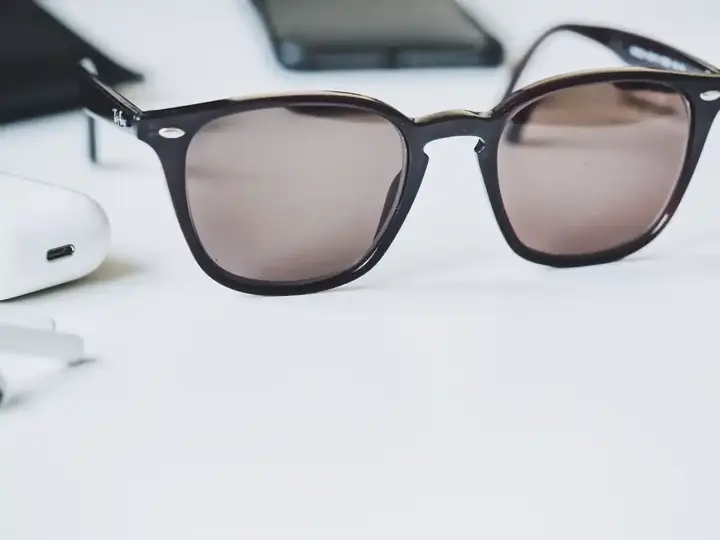
UV exposure has been linked to various eye diseases, including cataracts, photokeratitis (similar to corneal sunburn), and an increased risk of age-related macular degeneration (AMD), making UV protection a top priority.
Investing in high-quality sunglasses that block 100% UV rays is an effective way to protect your eyes from UV damage.
Wearing wide-brimmed hats and looking for shade on sunny days can complement your UV defense strategy. These precautions are especially important for individuals with light-colored eyes, as they may be more susceptible to UV eye conditions.
5. Good diet for the eyes

A diet rich in eye-friendly nutrients can support your eye health and reduce the risk of eye disease.
Vitamin A is essential for good vision, and its deficiency can lead to night blindness. Foods rich in vitamin A include carrots, sweet potatoes, and spinach.
Vitamin C helps reduce the risk of age-related cataracts and macular degeneration (AMD). Citrus, strawberries and peppers are excellent sources of this vitamin.
Lutein and zeaxanthin are known to filter out harmful high-energy light waves, and may reduce the risk of cataracts and AMD. Leafy greens, corn and eggs contain these nutrients.
Incorporating a variety of colorful fruits and vegetables, along with fish and nuts, into your meals can provide the essential vitamins and minerals your eyes need in order to stay their best.
6. Link with public health

The health of your eyes is closely related to your overall health. Diabetes, hypertension, cardiovascular disease and even rheumatoid arthritis can have an impact on eye health.
Maintaining a healthy lifestyle and managing chronic conditions is vital for eye protection and overall health.
Don't wait for your eyes to send distress signals, be proactive, and make sure your vision remains a source of clarity and wonder throughout your journey in this beautiful world.
