


6 bad habits that ultimately turn out to be not so bad.



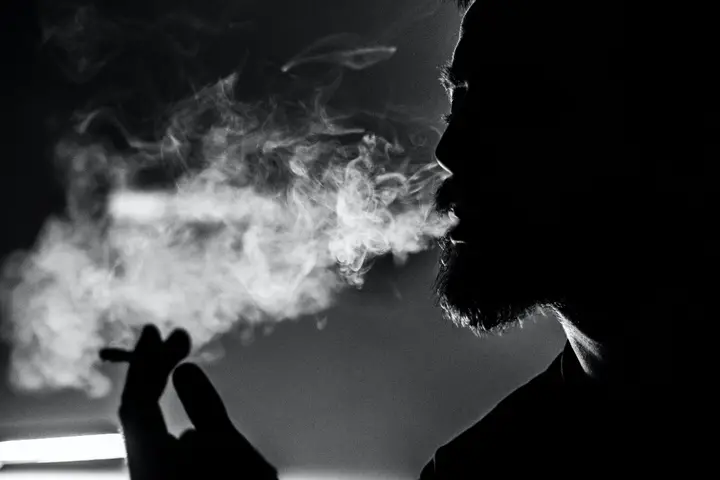
When it comes to habits, author James Claire hit the target, writing: "Bad habits interrupt your life and prevent you from achieving your goals. They put your health at risk – both mentally and physically. Yes, it's also "wasting your time and energy."
Show key points
- While skipping breakfast is often criticized, experts argue it's completely fine if it doesn't suit your body or routine.
- Contrary to popular belief, playing video games in moderation can enhance cognitive abilities, reduce stress, and even promote social skills.
- Swearing, though often frowned upon, has been shown to strengthen social bonds and improve physical performance during stress or exercise.
- ADVERTISEMENT
- Sleeping late or taking naps isn’t necessarily a sign of laziness; listening to your body's natural rhythms can enhance overall well-being.
- Moderate coffee consumption is scientifically linked to several health benefits, including lower cancer risk and improved heart health.
- A cluttered workspace can foster creativity and problem-solving, challenging the common notion that mess equals inefficiency.
- Not all so-called "bad habits" are actually harmful, and some may offer unexpected physical or psychological benefits when practiced mindfully.
Suffice it to say that you need to work on getting rid of bad habits and replacing them with good ones. What practices should you get rid of? Well, there are some things you don't need to think about – smoking and eating junk food come to mind.
However, there are some habits that we consider "bad" but in reality they may be beneficial. Here are six "bad habits" that aren't as harmful as you thought.
1. Skip breakfast.
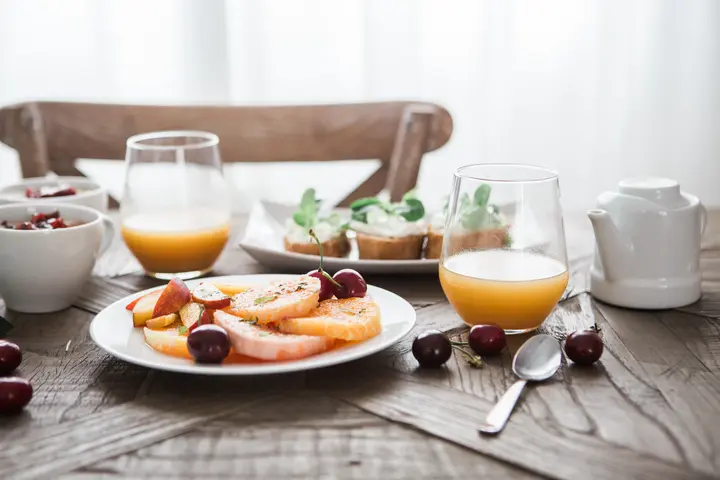
We've all heard that breakfast is the most important meal of the day, and if you exercise every morning like I do, you need to refuel. Research shows that there are proven benefits of eating breakfast, such as improving your performance, giving you energy, helping with weight loss and improving your mood.
Recommend
However, according to Self.com, you can skip breakfast if you want. Pediatric professor Aaron Carroll told Self: "If you're hungry, take it." "But don't feel bad if you prefer to skip it, and don't listen to those who lecture you. Breakfast has no mysterious powers.
Registered dietitian Karen Ansel, quoted in the same article, adds, "Some people feel really sick after eating breakfast, and if so, there's no sense in making yourself feel bad." Instead, have a mid-morning snack or wait until lunch.
2. Play video games.
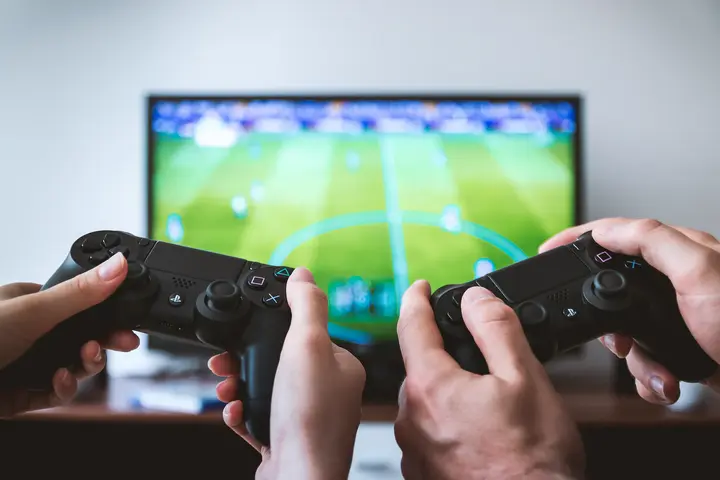
Many people think that playing video games is a waste of time, or even addiction, but in moderation, video games can be very beneficial for you, says Mental Floss.
Research has found that video games can help people overcome dyslexia, make faster decisions, reduce stress, and improve vision. But hey, video games can also help relieve pain, slow down the aging process, help form new social and neural connections, and even encourage leadership traits.
3. Insults
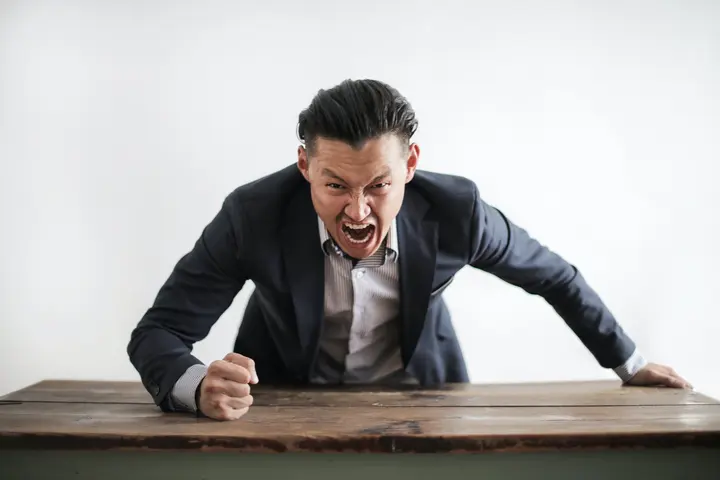
Growing up, you may have learned that insults were a sign of poor education, or low vocabulary. This is not the case, apparently.
Studies have shown that insults can improve your relationships with friends and colleagues. They indicate a level of familiarity with the other person that is absent in more formal situations. Strengthening social bonds in this way has a positive effect on your mental health.
Insults also have physical benefits. A 2017 study from Keele University looked at the power of insults and found that they improve exercise performance and reduce pain sensitivity.
Test participants moved the exercise bike for 30 seconds. Half repeated a swear word while working, while the others said nothing. Those who cursed were trampled more hard. In a similar test, people were required to grab something and found that those who cursed exerted more force.
Suppressing stress and frustration is a bad idea. Over time, this can increase the risk of mental health problems and even heart attacks. If you're having a bad day, saying a few four-letter words can be the best medicine.
4. Sleep late or nap.

There is a perception that people who sleep late are lazy and lack self-discipline. While some of us wake up early, most people go to bed until the alarm goes off, but it's better for all of us to listen to our circadian rhythms. They will let you know when it's time to get out of bed. It's actually good for your metabolism, writes Gabrielle Moss on Bustle.com.
There was also a backlash against people taking naps. However, the Mayo Clinic says napping is better than feeling overwhelmed. Napping helps to relax, increase alertness and improve mood. Napping has been shown to lead to faster reaction and better memory.
5. Drink coffee
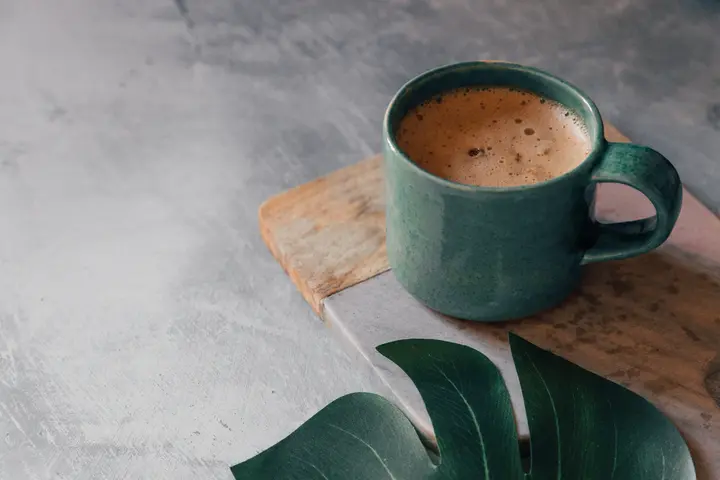
There is extensive scientific research on coffee indicating that drinking this drink regularly is associated with a lower risk of cancer as well as a host of other health benefits, such as protecting against diabetes and promoting heart health.
However, doctors recommend limiting caffeine intake to 400 milligrams per day, or about 3 to 4 standard cups of distilled coffee.
6. Chaos.
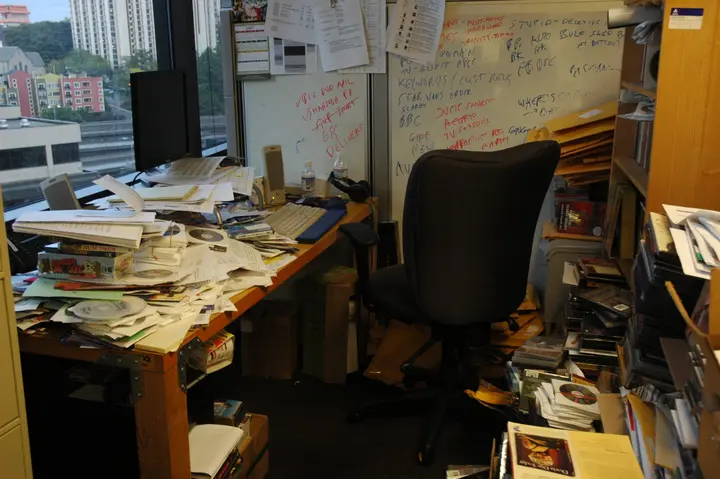
Finally, it is often advisable to keep our workspaces tidy and clean. A crowded office or clutter on the floor can distract us from our work, while an organized space avoids wasting time searching for misplaced items.
However, a little chaos has its advantages, according to Reader's Digest. Anarchist people tend to be more creative, spontaneous, and flexible. Research has found that people who work in crowded environments have better ideas. Anarchist people also have their own unique organizational systems and don't care about the little things too much.
