Amr Diab: Is He the Most Famous Arab Singer Currently?

Amr Diab, nicknamed "The Plateau," is one of the most prominent stars of modern Arab music. Since the 1980s he has earned a unique place in the hearts of millions with a distinctive style and songs that blend tradition and modernity. By combining Arabic music with Western pop, he has created a sound that has crossed the Middle East and attracted a global audience.
Diab is more than a singer; he is a musical icon who has broken many records in awards and sales. His work is the reference point when people talk about contemporary Arabic music, and his influence reaches beyond music to raise the profile of Arab culture internationally. This article looks at why Amr Diab is often considered the most famous Arab singer today.
An Exceptional Musical Journey
Amr Diab began his artistic career in 1983 with his debut album Ya Tariq. From there he rose to become one of the Arab world’s leading artists. Albums such as Mayyal and Nour El Ain were not just local hits; they opened doors abroad. The song "Nour El Ain," known for its memorable rhythms, became a hallmark of modern Arabic pop and helped introduce the music to listeners around the world.
Diab is known for balancing authenticity with renewal, fusing traditional Arabic elements with Western pop in fresh ways. That approach has let him connect with multiple generations: his music feels contemporary without losing its Eastern identity. By consistently delivering music that meets audience expectations while maintaining high production standards, he has become one of the most influential Arab artists. Diab has used his songs to express themes of love, ambition, and change, which makes him a distinctive figure in the Arab arts scene.
Recommend
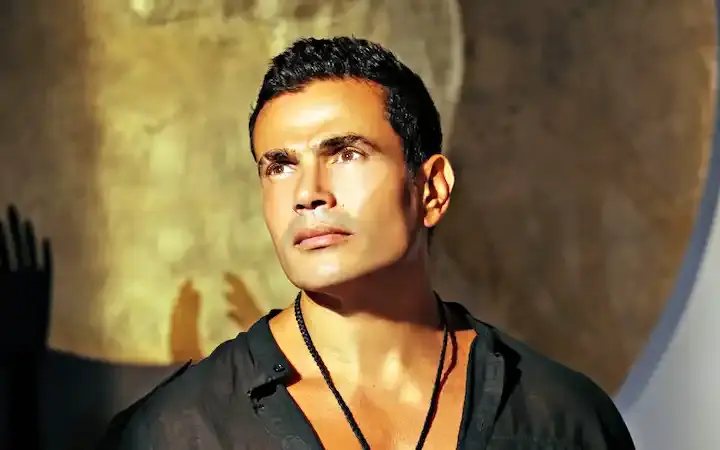
Amr Diab during the filming of his music video
Record-Breaking Achievements and Awards
Amr Diab holds an exceptional place in the history of Arabic music, backed by a long list of achievements. The awards he has received, including seven World Music Awards, help explain his nickname "The Plateau." He is also listed in the Guinness World Records for achieving the most World Music Awards for Best Selling Middle Eastern Artist, which underscores his impact on the music scene.
7 World Music Awards
This award record helps explain why Amr Diab’s achievements are treated as a benchmark in modern Arabic music.
Diab is a digital phenomenon as well. His albums post record numbers on platforms like Anghami and Spotify, showing his continued ability to attract new fans. These streaming figures highlight his popularity across generations.
Numbers alone do not tell the whole story. Diab’s ability to remain artistically relevant for decades, despite intense competition, reflects his commitment to quality and to staying connected with his audience. That commitment has made him a symbol of excellence and innovation in music.
Amr Diab with his seven World Music Awards
Global Influence and Borderless Music
Amr Diab has gone beyond the Arab world to reach a wide international audience, making him unusual among Arab singers. His music, which blends Eastern rhythms with global sounds, has been embraced by many cultures and helped introduce Arabic music to listeners worldwide. Some of his songs have been adapted into other languages, further boosting his international profile.
Several markers show how Diab’s international presence expanded through production choices, album identity, and live audiences beyond the Arab region.
International Reach Markers
| Marker | Example | Why it matters |
|---|---|---|
| Production approach | Collaborations with international producers | They added new dimensions to his work. |
| Albums | Amarain and Tamally Maak | They show his openness to innovation. |
| Concert cities | New York, Dubai, and London | They demonstrate the scale of his popularity outside the Arab region. |
Diab has not only released songs; he has helped create a cultural movement. His music acts as a bridge between cultures, making him an ambassador for Arabic music. His global influence extends beyond music to promoting Arab cultural identity on the world stage.
Amr Diab receiving his third global award
His Cultural and Social Influence
At the social level, Diab’s influence can be seen in several overlapping roles, from emotional expression to public example and support for emerging voices.
Cultural Roles Around His Music
His impact reaches beyond performance into how audiences connect with identity, ambition, discipline, and new talent.
Emotional expression
His songs reflect Arab society and address themes such as love, ambition, and identity, giving people a way to express feelings and dreams.
Public discipline
He is seen as a model of discipline and commitment, while his healthy lifestyle and public image inspire many young people in the Arab world.
Symbol of aspiration
Diab is not just a successful artist; he has become a symbol of aspiration.
Support for new voices
He has supported young talent, helping introduce new voices to the music scene.
Diab’s work balances heritage and modernity, reinforcing his reputation as an artist who honors his roots while pushing for renewal. That balance makes him a symbol of authenticity and progress in Arab music and culture.
Amr Diab at a 2005 concert
Amr Diab is more than an Arab singer; he is a musical and cultural phenomenon. Thanks to a career full of achievements, he has become a symbol of artistic success and ongoing creativity. His songs are part of Arabic music’s fabric and the soundtrack of a generation that found in them an expression of its hopes and dreams.
Diab’s impact goes beyond music to influence Arab culture as a whole. His ability to combine tradition with modernity has made him an ambassador for Arab art worldwide. As he continues to produce new work, one question remains: can any other artist match his level of fame and influence? For now, Amr Diab appears to be the brightest star in the sky of Arabic music.