


How long does it take to learn to drive?



Learning to drive should be thought of as a process. This process includes the following:
Show key points
- Learning to drive is a gradual process involving lessons, practice, theory exams, and a test drive, each requiring time and planning.
- On average, it takes about 45 hours of professional lessons and 22 hours of private practice to learn to drive, though this varies by individual.
- The number of required driving lessons depends on lesson duration and individual progress, with estimates ranging from 22 to 45 sessions.
- ADVERTISEMENT
- After 20 hours of lessons, learners may have covered essential skills like safe starts, road navigation, basic maneuvers, and emergency stops.
- Various factors such as theory test timing, test availability, instructor accessibility, and lesson frequency can influence how quickly you learn to drive.
- To reduce learning time, strategies like early theory test booking, regular practice, following instructor feedback, and intensive courses can be very helpful.
- Effective communication with your instructor about your goals and planning lessons accordingly can accelerate your journey toward driving proficiency.
• Driving lessons
• Practice and learning
• Your theory test
• Test drive
Each of these forms a driving journey, and each takes time. Even if you only need a few lessons, you should take into account the potentially long waiting times for a test drive or theory test. You may also gain practical leadership very quickly, but take the time to acquire your theoretical skills and awareness of risks.
How many hours does it take to learn to drive?
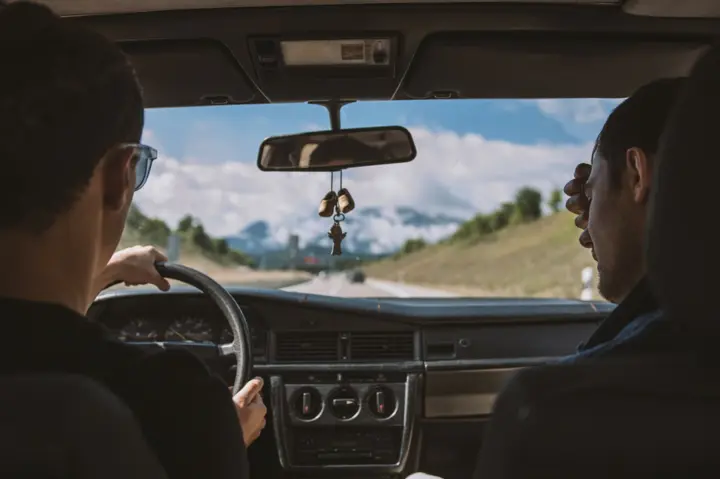
The average number of hours it takes to learn to drive is 45 hours of lessons and 22 hours of special training. These figures come from the Driving and Vehicle Standards Agency (DVSA) itself. Since this is the average, some people will take much longer while others will take much shorter. It's up to you as an individual, your ability to learn, and your coach.
Recommend
How many driving lessons do I need?
This depends entirely on the individual learner. However, if you take the average number of hours needed to learn as 45, you can use this to roughly calculate the number of lessons you might need. It will depend on the length of the lessons you take, but using an average of 45 hours, it can be:
• 45 hour-long lessons
• 30 lessons for one and a half hours
• 22.5 two-hour lessons
Again, these are just averages.
Where should I be after 20 hours of driving lessons?

You may feel that twenty hours of driving lessons represent an important milestone, and you may also feel that you have been learning for a long time. Setting goals for yourself is important and reviewing your place once you've reached 20 hours of lessons can be a good idea. If you are doing this, always remember that everyone learns at different speeds. Some people get used to driving more naturally, while others may have difficulty with many small things. There is no set level to be after 20 hours of lessons; however, your instructor will likely have covered the basics for which he feels you are ready, such as:
• Stop and start safely
• Road Driving A
• Maneuvers that may appear in your test
• Emergency stop
Driving instructors will assess your place and give you feedback at the end of each lesson. They will tell you how far you are and will also tell you when they feel that you should start looking for your test reservation.
What other factors affect the time it takes to learn to drive?
When it comes to learning to drive, multiple factors can affect the total time spent which is not just the number of hours you spend taking lessons. These include:
• Pass the theory test - The theory test is the first real obstacle to overcome. You cannot book your driving test until you pass your theory test. If you're looking to succeed quickly, you'll need to book your theory test early, especially since failing means having to rebook.
• Book a test drive – As mentioned earlier, booking your test can take weeks or even months during busiest periods and in densely populated areas. This is often one of the main reasons why people take longer to succeed.
• Failure to test drive – We all have bad days, and failing a test drive means you'll need to rebook. In those busiest areas, that could mean another long wait.
Regular lessons – If you only have one hour a week, it will likely take longer to learn. Increasing the time and frequency of receiving lessons can speed up the learning process.
• Availability of trainers – However, if you have a good coach, they are likely to become famous. Make sure you book multiple lessons simultaneously and ahead of time to get the time slots you want.
7 ways to shorten the time it takes to learn to drive
• Book your driving theory test instantly
Book your theory test as soon as possible. In theory, you can do this even before the first lesson.
• See, review, see
Once you've booked the test, or even before, start reviewing. Learning everything you need to know about highway law and practicing risk perception scenarios can help you pass your theory test the first time.
• Talk to your teacher about the lesson plan
After the first lesson, you should talk to your teacher about how quickly you want to pass the test. He can then help you develop a complete lesson plan. This will include how many lessons you should have per week and how long you should have for each lesson.
•Training
If you can, practice outside of your lessons. Ideally, you'll be able to insure a parent or friend's car. The Driver and Vehicle Standards Agency recommends 22 hours of special training to improve your driving skills.
• Listen to feedback
Your driving instructor will give you feedback at the end of each lesson. Take it away and work on it during independent training (if possible). The sooner you can resolve any issues, the sooner you'll be ready for the test.
• Book your exam in advance, based on your instructor's feedback
After a few lessons, your instructor will know how far you are from the test. Proactively booking your test, even if it's a few months later, can prevent you from having to wait months once you're ready.
• Consider an intensive driving course.
Finally, consider booking an intensive driving course. These courses can significantly reduce the time it takes to learn to drive if this learning style suits you and your instructor has the right availability.
