


What to eat and what to avoid for better sleep



Getting enough sleep is essential for overall health.What a person eats before it reaches the pillow can significantly affect sleep quality. Certain foods make it easier to have a restful night by promoting the release of sleep-regulating hormones and neurotransmitters. Conversely, eating the wrong foods can lead to restless nights and affect daytime alertness. Scientists have identified several key foods that, when consumed as part of the last meal of the day, can positively affect sleep standards, especially for night workers. Among these beneficial foods are those high in the amino acid tryptophan, which the body converts into the neurotransmitter serotonin and later into the sleep hormone melatonin. Carbohydrates, such as whole grains and fruits, when combined with tryptophan-rich foods, can increase the availability of tryptophan. This is because carbohydrates increase insulin levels, which in turn helps tryptophan cross the blood-brain barrier, leading to increased production of serotonin and melatonin. In addition, minerals such as magnesium and calcium support muscle relaxation and nerve function, contributing to a quieter night's sleep.
Recommend
Show key points
- Consuming foods rich in tryptophan, magnesium, and calcium before bedtime can enhance the production of sleep-regulating hormones like serotonin and melatonin.
- Eating heavy or high-fat meals late in the evening can disrupt sleep cycles by causing digestion issues and nighttime discomfort.
- Carbohydrates, especially when paired with tryptophan-containing foods, help increase tryptophan availability to the brain, thereby promoting better sleep.
- ADVERTISEMENT
- Nutrient-dense foods like oats, sour cherries, kiwi, bananas, fish, turkey, almonds, and walnuts have been scientifically linked to improved sleep quality.
- Avoiding caffeine, spicy foods, alcohol, sugary snacks, and large portions close to bedtime is crucial to prevent sleep disturbances.
- Some specific foods like fatty meats and fried dishes may cause acid reflux and delay sleep onset due to their slow digestion process.
- Proper meal timing and choosing sleep-supportive nutrients can significantly influence sleep structure, duration, and efficiency, especially for night shift workers.
How eating affects sleep quality

Meal timing and content have been shown to significantly affect sleep structure, which refers to the structure and pattern of sleep cycles.Eating heavy or large meals shortly before bedtime can lead to discomfort and disruption in sleep continuity, while foods rich in tryptophan, magnesium and calcium may contribute to improving sleep quality.
Top six recommended foods for better sleep
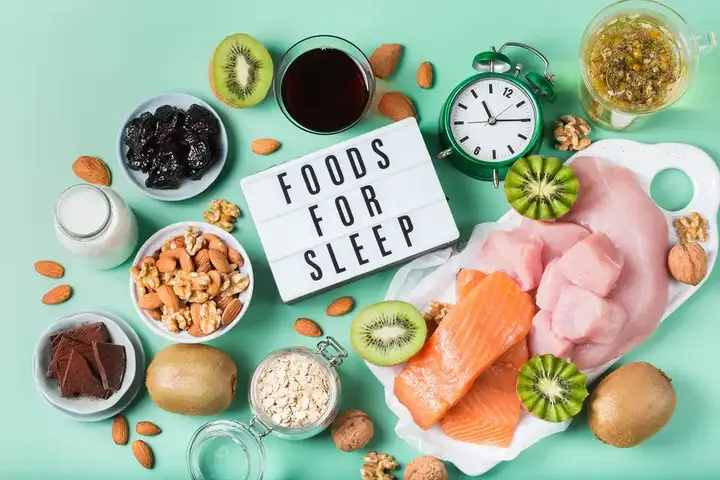
By choosing the right foods before bed, you can facilitate a more restful sleep. Each plays a crucial role in improving sleep quality.
1. Oats
A bowl of oatmeal before bed can help promote sleep due to its complex carbohydrate content, which can increase the production of melatonin in the body. They also contain magnesium, a mineral known to promote relaxation and reduce the incidence of sleep disorders. Magnesium helps activate neurotransmitters that calm the body and mind, preparing it for sleep A study in the Journal of Research in Medical Sciences suggests that magnesium supplementation can improve sleep, including bedtime, efficiency and sleep onset, by supporting muscle relaxation and reducing stress hormones.
2. Cherry
Cherries, especially sour cherries, are one of the few natural food sources of melatonin, the hormone that regulates the sleep-wake cycle. Sour cherry juice may increase melatonin levels and improve the duration and quality of sleep. It is rich in antioxidants, especially anthocyanins, which can help reduce inflammation and oxidative stress. This reduction in inflammation can promote better sleep by reducing discomfort and promoting relaxation. Research published in the Journal of Medical Food suggests that the anti-inflammatory properties found in sour cherries contribute to improved sleep quality by reducing inflammatory markers that can cause sleep disturbances.
3. Kiwi and banana
Kiwi contains many vitamins and minerals, especially vitamins C and E, serotonin and folate, which may improve sleep onset, duration, and quality. Similarly, bananas are rich in potassium and magnesium, minerals that naturally relax muscles and nerves, and contain the amino acid tryptophan, which regulates sleep.
4. Turkey
Turkey is known for its high content of tryptophan, an excellent lean protein that can cause drowsiness. Unlike high-fat foods, turkey is relatively low in fat, which reduces the likelihood of digestive discomfort and acid reflux that can disrupt sleep.
5. Fish
Salmon and tuna contain vitamin B6, which is essential for making melatonin. Omega-3 fatty acids, especially EPA and DHA, found in fatty fish, have been shown to improve sleep quality. They help regulate levels of serotonin, a neurotransmitter essential for sleep. A study published in the Journal of Clinical Sleep Medicine found that higher levels of omega-3 fatty acids were associated with better sleep quality and longer sleep duration in children.
6. Almonds and walnuts
Almonds are a source of healthy fats and fiber and are rich in magnesium, a mineral that may help improve sleep quality – especially for those suffering from insomnia. Walnuts contain several key nutrients that aid sleep, including alpha-linolenic acid (ALA) and small amounts of melatonin.
Foods to avoid for a restful sleep

1. Heavy foods and large portions
Fatty meats and rich creams cause discomfort due to their slow digestion, which can keep a person awake. According to a study published in the journal Nutrients, eating large meals, especially those high in fat, close to bedtime is associated with poor sleep quality and an increased likelihood of waking up at night.
2. Products containing caffeine
Caffeine is a stimulant found in coffee, tea, cola and chocolate. Consuming such products can lead to difficulty falling asleep or an uncomfortable sleep. A study published in the Journal of Clinical Sleep Medicine found that caffeine intake even six hours before bedtime significantly disrupts sleep, reducing total sleep time and sleep efficiency.
3. Spicy foods
Spicy foods can cause heartburn or indigestion, disrupting sleep. They should be avoided as snacks before bed to improve sleep quality. Research published in the International Journal of Psychiatric Physiology suggests that eating spicy meals before bed can increase core body temperature and negatively affect sleep by causing discomfort and disrupting REM sleep.
4. High-fat foods (such as fried foods and fatty meats)
High-fat foods can slow down digestion, causing discomfort and possibly leading to acid reflux and sleep disturbance.
5. Alcohol
Although alcohol may make you sleepy at first, it disrupts sleep patterns and reduces the quality of REM sleep. The Journal of Clinical and Experimental Research highlights that alcohol consumption before bed can reduce the time required for sleep but lead to sleep disturbance and decreased sleep quality in the second half of the night.
6. Too much sugar
Eating too much sugar can cause spikes and breakdowns in blood sugar levels, leading to alertness and sleep disturbance. A study published in the American Journal of Clinical Nutrition found that higher sugar intake was associated with lighter, less restful sleep with more frequent awakenings.
