


How to make the lasting friendships you want




This new book highlights how important friends are to the health of our lives and offers tips on how to cultivate deeper friendships. When I was a young adult, I loved Julia Fordham's song "Did It Happen to Be Mentioned". In the song, Fordham laments the potential loss of her lover and sings, "I need another good friend just like I need a hole in my head" — a feeling I probably agreed with at the time. After all, I had a lot of great friends. But compared to a romantic partner, they seemed less important in one way or another.
Show key points
- Psychologist Marisa Franco emphasizes that friendships are vital to our health, happiness, and personal growth, often providing deeper fulfillment than romantic relationships.
- Attachment styles—secure, anxious, or avoidant—greatly influence how easily we form and maintain friendships, with secure bonds leading to more supportive connections.
- Taking initiative is essential in building friendships; people should actively reach out, reconnect with old friends, or pursue shared activities to foster relationships.
- ADVERTISEMENT
- Vulnerability strengthens friendships by building intimacy and trust, but it must be balanced and not used manipulatively or shared with someone emotionally unavailable.
- Authenticity, or letting others see your true self, creates deeper bonds, though societal privilege may affect whose authenticity is more readily accepted.
- Addressing conflicts constructively with hope-driven anger rather than blame can repair and even deepen friendships.
- Gestures of generosity and open expressions of affection are powerful tools for developing and nurturing lasting, meaningful friendships.
This type of thinking may be common, but it is very wrong, as psychologist Marisa Franco writes in her new book, Platonism: How Attachmentology Can Help You Make and Keep Friends. She believes that our friends are important to our happiness and well-being, and often satisfy us more than other relationships can do.
Recommend
"We choose our friends," she writes, allowing us to surround ourselves with people who support us and rejoice in our joy. "Through friendship, we can choose for ourselves in some of the most certain, secure, and sacred relationships in our lives.

Franco says the benefits of having close friends in our lives are multiple. It makes us feel perfect, increases our ability to empathize, and helps us know who we are. Friendships are also important for healthy aging. They benefit society as a whole, as friendships increase trust, and friendships between groups can reduce prejudice. However, some of us make friends more easily than others, in part depending on our "attachment style" – how far we have learned to be secure or insecure in our feelings in relationships.
If we assume that we deserve love and trust the friends who give us that (the secure bonding style), we will probably have many warm and supportive friendships. However, if we fear that others will abandon us, we may act clingy (anxious attachment style) or act as if we don't care and withdraw from others (avoidant attachment style). Franco helps people determine their own attachment style (or that of their friends) and offers wise advice on how to prevent an unsafe attachment style from torpedoing promising relationships.
If you're not sure how to make friends or deepen intimacy, Franco has plenty of tips that can help you.
• Take the lead

Obviously, you won't be able to make friends if no one takes the initiative to communicate. But doing so can seem daunting, especially if you assume that friendships should happen naturally, effortlessly (a situation that is likely to hinder friendship) or that people won't like you if they recognize you (which is likely an exaggerated fear). Friendship requires effort, but it can happen in many ways. Franco suggests that if you're more introverted, reconnecting with an old friend you haven't seen in a while can be helpful. Or, if you're more open-minded, you can pay attention when you experience moments of connecting with new acquaintances and taking a step toward building friendship – maybe asking if they'd like to have coffee at some point. We have to put ourselves there and try. "It's a process of communication over and over again," Franco wrote. To that end, it may be a good idea to join groups or classes that meet more than once, so that you have multiple opportunities to take the initiative. Expecting more regular contact with someone can be important for building friendships as well.
• Increase your willingness to be at risk

This is an important part of friendship that many people ignore. We feel close to people when we are weak with them, sharing our fears, insecurities, or regrets. We can grow in intimacy by responding well when others reveal their weaknesses to us. "Understanding and feeling the vulnerability of others is key to developing and deepening friendships — and ignoring these signals can put them at risk," says Franco. People may fear being judged by others if they share things they are ashamed of. But research suggests the opposite: You make yourself loved by others when you share your intimate relationships with them, as long as you don't overshare others or use vulnerability to manipulate someone. This may help explain why the "Quick Friends" exercise is so successful, with two strangers increasingly asking 36 personal questions. However, there's one caveat, says Franco: If you're weak with someone who avoids dealing with others, they may not react as much as you want. "Because they are more uncomfortable with emotions, when others are weak, the intimacy, trust and love inherent in the interaction may overshadow their discomfort with feelings.
• Let people see your true self

Being your true self is when "we are not motivated, when we can make decisions deliberately, not reactively, about the way we want to appear in the world." In other words, it's not about "saying it as is" or being very honest even if it means belittling others. It is the feeling of security enough to reach our higher selves and align with our values to achieve more authenticity with others, Franco suggests practicing mindfulness, which helps you access and accept your experiences moment by moment. This way, you can know your inner self better and be less likely to act defensively when you feel uncomfortable, and more flexible if someone rejects you. However, being honest while it can build friendships can be difficult to be yourself when faced with prejudice. "In an ideal world, we would all be loved in our most authentic form, but in the real world, privilege plays the role of those whose true self is welcomed and whose true self is rejected," says Franco. It's important to "separate rejection from self-condemnation," and if necessary, examine people before fully involving yourself in the relationship.
Learn to deal with your anger and direct it to use it when needed.

All close relationships can involve conflicts or harm that needs to be repaired. Therefore, it is important to use anger wisely in these situations. Franco recommends telling your friend when you're upset with them and why, but focusing on maintaining the relationship (anger generated by hope) rather than blaming or punishing (anger generated by despair). "Anger from despair is the destructive force we usually associate with anger. However, the wrath of hope is a healing force that can deepen friendships, a force we must embrace.
This means not letting things get worse, but expressing annoyance by expressing how much you value friendship, using "I" statements, and admitting the mistake of your role in creating conflict. Friends who deal with conflict are closer because of it and enjoy more fulfilling relationships.
• Behave generously

Generosity can serve as the social glue that binds people together, and the same goes for friendship. Good and generous people are more likely to have many friends and enjoy greater well-being. Franco recommends doing good deeds to foster friendships, such as sending a handwritten card, baking candy, offering to pick someone up from the airport, or letting someone borrow a jacket. Just make sure you don't sacrifice yourself by giving too much generosity to too many people. Otherwise, you may become exhausted or cause your relationships to suffer. Giving according to an agenda – to make someone love you, for example – or making generosity go in just one direction probably won't lead to friendship. In those cases, it may be better to cut ties or lower your expectations for that friendship. On the other hand, Franco says, you have to show which to be present when a good friend is in crisis – even when it's a sacrifice. "For friendship to flourish, we need to know that if we call a friend crying because we were fired from our job at a nuclear power plant, they won't respond with a text message that says, 'I'm not currently available.'"
• Show empathy
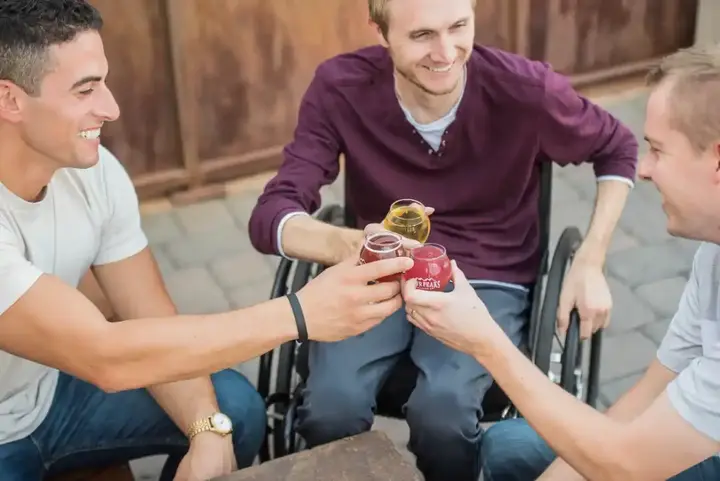
As James Taylor once sang: "Lavish love on the people you love. Show them the way you feel." This includes your friends. Showing affection is a surefire way to make someone feel appreciated. However, some people may be afraid to express affection for a friend, fearing that it is unwanted or misunderstood. This may be especially true for men in cultures where homophobia is rampant or where men are raised not to feel their feelings for other men – or even women.
However, research shows that the external expression of interest is an important element of friendship between all. You may need to adapt your affection to your friend's ability to get close physically or emotionally. But people love the people they love, and showing affection means you like someone, while withholding it can be fatal to a relationship. "The more affection you show, the more likely you are to not only make friends, but also deepen the friendships you already have," says Franco. Overall, Franco's core message is that we have the power to foster friendships, provided we invest only in them. And it's worth it, because when we value our friendships, we can transform our lives for the better. "Don't wait for disaster to make you realize that friendship is priceless," she writes. "Engrave friendship on your list. Make being a good friend part of your identity, because the deep and true essence that needs to belong lies within all of us.
