


The inside story of the first unrestricted walk in space



The vast expanse of space has always fascinated humanity, and transcended the boundaries of what we thought possible. One of the groundbreaking moments in space exploration was the first unrestricted spacewalk. This monumental achievement not only demonstrated human ingenuity and courage, but also paved the way for future progress in space exploration. This article delves into the inner story of the first unrestricted spacewalk, examining the context of space conquest, the development of space missions, international cooperation, the nature of spacewalking, and the specific details of unrestricted spacewalking.
Show key points
- The launch of Sputnik 1 in 1957 initiated a fierce space race that defined the mid-20th century and propelled rapid advancements in space exploration.
- Early space missions evolved from basic orbital flights to complex operations like long-term stays and intricate tasks in zero gravity, thanks to programs such as Apollo and Skylab.
- Despite initial rivalry, international collaborations—like the Apollo-Soyuz project and the International Space Station—enabled shared scientific progress and unity in space research.
- ADVERTISEMENT
- Spacewalks progressed from brief, tethered outings to longer, more sophisticated operations as technology improved astronaut safety and mobility.
- The groundbreaking unrestricted spacewalk in 1984, performed by Bruce McCandless II using the MMU, showcased the possibility of astronaut movement without physical tethering.
- This achievement opened new doors for satellite maintenance and space construction, while also highlighting the importance of pressure reduction protocols for astronaut safety.
- The legacy of unrestricted spacewalking endures as a powerful symbol of innovation, courage, and the global pursuit of expanding humanity’s reach beyond Earth.
1- The era of space conquest.
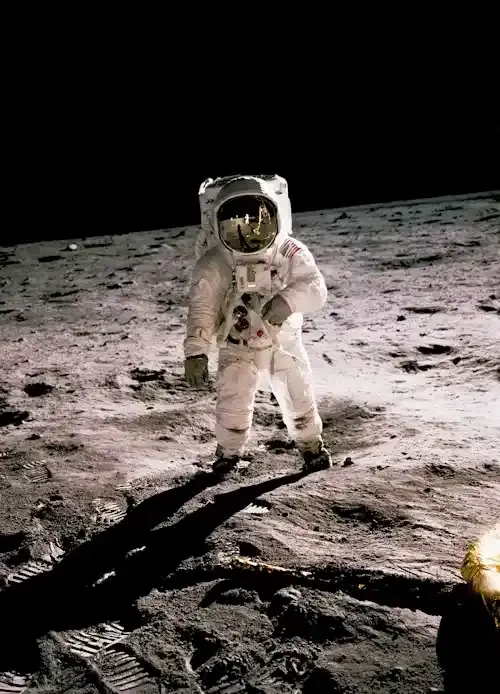
The middle of the twentieth century marked the beginning of an era marked by intensive exploration of space. The Soviet Union's launch of Sputnik 1 in 1957 signalled the beginning of the space race, forcing the United States to intensify its space program. This period was marked by rapid developments and many first achievements: Yuri Gagarin became the first man in space in 1961, and the Apollo missions later achieved the first manned landing on the moon in 1969. This era of space conquest was driven by geopolitical competition, technological ambition, and a desire to explore the unknown.
Recommend
2- Development of space missions.

The development of space missions has always been a complex endeavor, requiring significant advances in technology, engineering and human endurance. Early expeditions focused on short flights and the study of the impact of space on human physiology. Over time, the tasks became more complex, with a long stay in space and complex tasks carried out. The Apollo, Gemini, and Skylab programs have been critical in developing the knowledge and technology needed for long human spaceflight and complex zerogravity operations.
3. International cooperation in the field of space.
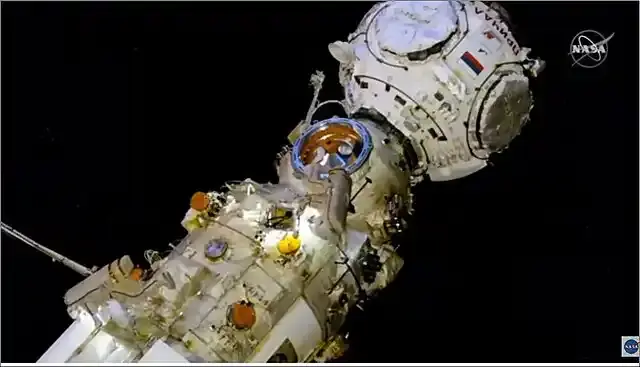
Despite the competitive nature of early space exploration, international cooperation has played a crucial role in the advancement of space missions. Cooperation between NASA and the Soviet space program, especially during the Apollo-Soyuz test project in 1975, marked an important step toward global partnership. This spirit of cooperation continued with the development of the International Space Station (ISS), where the United States, Russia, the European Space Agency and Japan are working together to promote scientific research and human presence in space and conduct numerous experiments in zero gravity conditions.
4- The development of spacewalks.
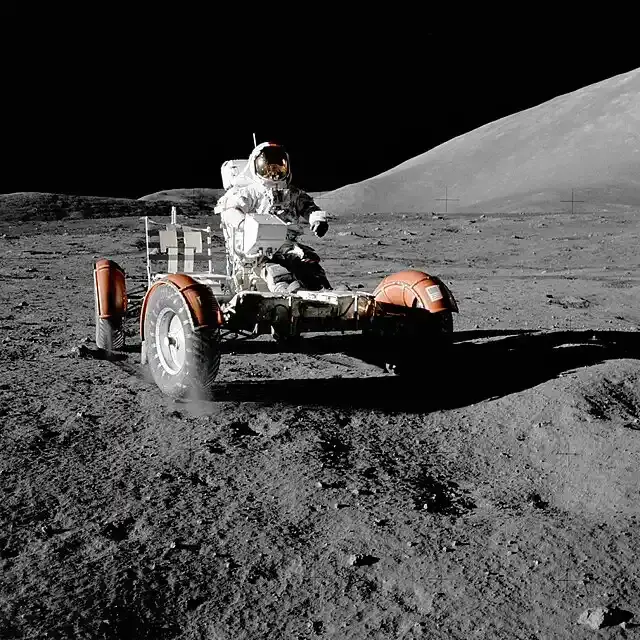
Spacewalks, or extravehicular activities (EVAs), have evolved significantly since the first humans ventured outside the spacecraft. On March 18, 1965, Alexei Leonov conducted the first spacewalk mission of 12 minutes and 9 seconds attached to his Voskhod 2 spacecraft with a 16-foot cable. Early spacewalks were limited by the need for ropes and the relatively short period that astronauts could spend overseas. Over the years, technological advances in life, mobility, and safety support systems have allowed astronauts to perform longer and more complex spacewalks, contributing significantly to space station construction, satellite repair, and scientific research.
5- Unrestricted spacewalking.
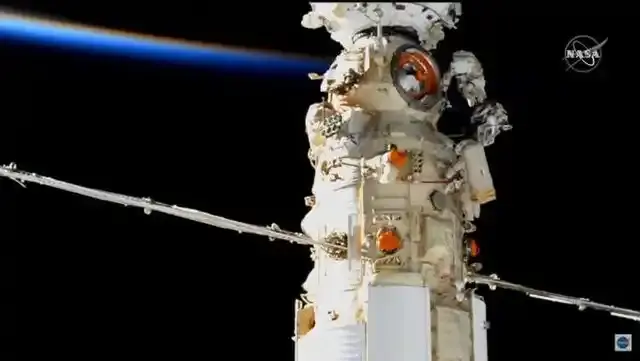
The first unrestricted spacewalk was a groundbreaking achievement that occurred on February 7, 1984. NASA astronauts Bruce McCandless II and Robert L. Stewart conducts this historic extravehicular activity during the space shuttle STS-41-B mission of the Challenger spacecraft. Using the Manned Maneuvering Unit (MMU), a thrust bag that allows free movement in space, McCandless ventured more than 300 feet away from the shuttle. While walking in space, McCandless and Robert Stewart reduced the compartment pressure to reduce the time the astronauts needed to pre-breathe pure oxygen and eliminate excess nitrogen in the blood. Too much nitrogen can lead to difficulties that are recommended to be avoided.
McCandless joked: "This may have been a small step for Neil, but it was a big leap for me."
This feat demonstrated the ability of astronauts to move independently in space, opening up new possibilities for satellite service and construction and repair tasks.
Astronaut Bruce McCandless was born on June 8, 1937 in Boston, and died after a career in the world of aviation and space, on December 21, 2017, at the age of 80.
6. The legacy and impact of unrestricted spacewalking?
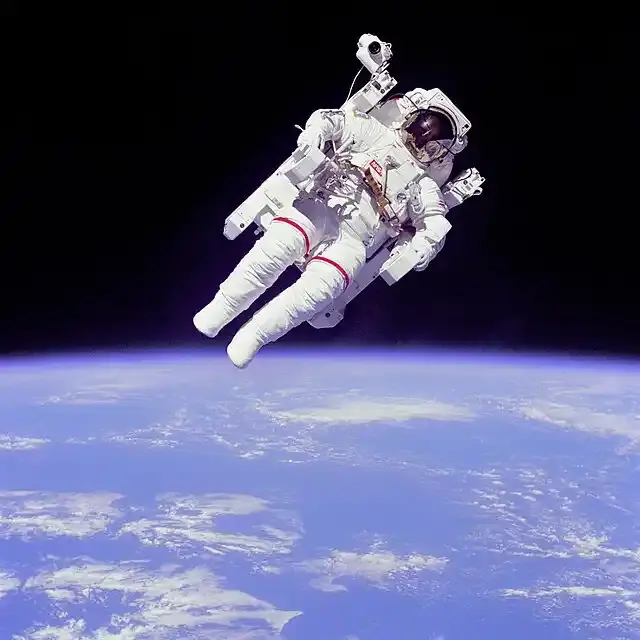
Unrestrained spacewalk left a lasting legacy in the records of space exploration. He has demonstrated human courage and the potential of technological innovation to overcome space challenges. The MMU, although used only on a few missions, proved that astronauts can safely navigate without tying. This capability has inspired the development of modern propulsion units and automated systems used in current and future space missions. Unfettered spacewalk remains a symbol of the pioneering spirit that drives space exploration forward.
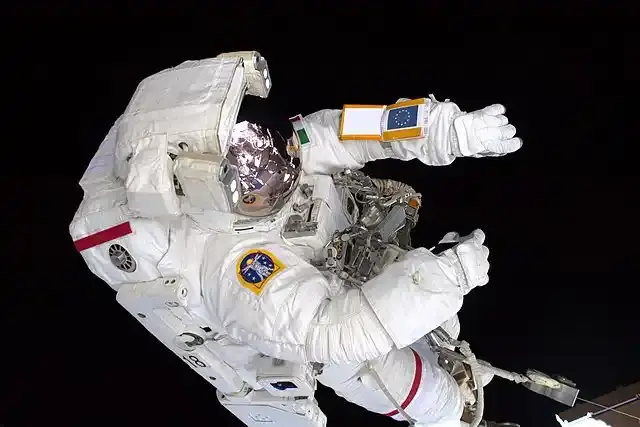
The first unrestricted spacewalk was not just a remarkable technical achievement, it was a testament to human determination and creativity. From the early days of the space race to the cooperative efforts of the international space community, each step forward has been built on the other. The story of this historic extravehicular activity sums up the essence of the elements of space exploration: the relentless pursuit of knowledge, the courage to venture into the unknown, and the constant drive to push the boundaries of what humanity can achieve. As we look to the future, the lessons and legacy of unfettered spacewalks continue to inspire and guide us to new heights.
