Which has a higher percentage of caffeine: light coffee or dark coffee?

Some people wonder whether Starbucks light roasts are stronger than dark roasts. To answer that: when it comes to caffeine, Starbucks' light roasts contain more caffeine than dark roasts. However, classic dark roasts deliver bolder, more pronounced coffee flavors.
Show key points
- Starbucks light roast coffee contains more caffeine than its dark roast counterparts, despite the common assumption that darker means stronger.
- Dark roast coffee offers a bolder, more complex flavor profile, while light roast is known more for its higher caffeine content than for taste.
- The higher caffeine level in light roasts comes from the specific coffee beans used, primarily sourced from Latin America and East Africa.
- ADVERTISEMENT
- The term "light roast" at Starbucks is more of a marketing label, as their “light” roast is closer to a medium roast by industry standards.
- Light roast coffee from Starbucks tends to be more acidic, often delivering a citrus flavor and a brighter, more refreshing taste.
- Light roast and light espresso are essentially the same beans prepared differently, with packaging and grinding being the key distinctions.
- Popular light roast options at Starbucks include the Blonde Roast Espresso, Blonde Caffè Latte, and Blonde Cappuccino, each offering a unique flavor experience with a caffeine boost.
From a caffeine standpoint, Starbucks' light roast yields a stronger cup than most regular coffees on the menu. But in terms of flavor, dark roasts are richer and more pronounced than light roasts.
Does light roasting coffee give it more caffeine?
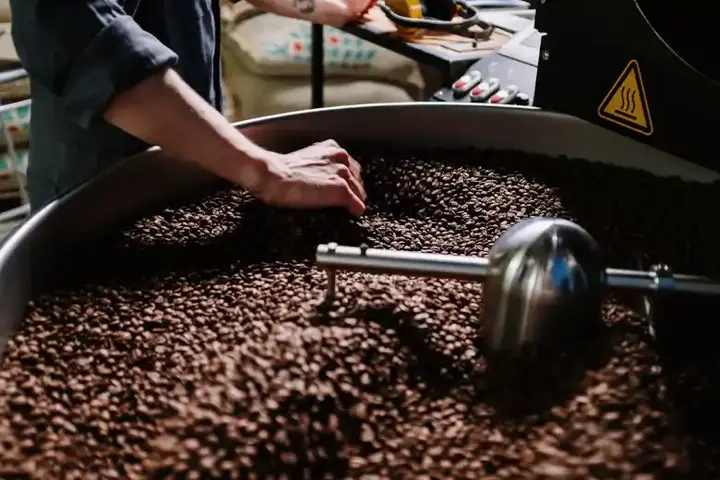
Measured by a large Starbucks cup, the regular (dark-roasted) brewed coffee contains about 130 milligrams of caffeine, while the same size of light roast contains more than 180 milligrams of caffeine. That higher caffeine content is part of the light roast's appeal—its flavor, however, is less notable; dark roast is better known for its varied, bolder flavors.
Recommend
What is the reason for the power of light coffee beans?
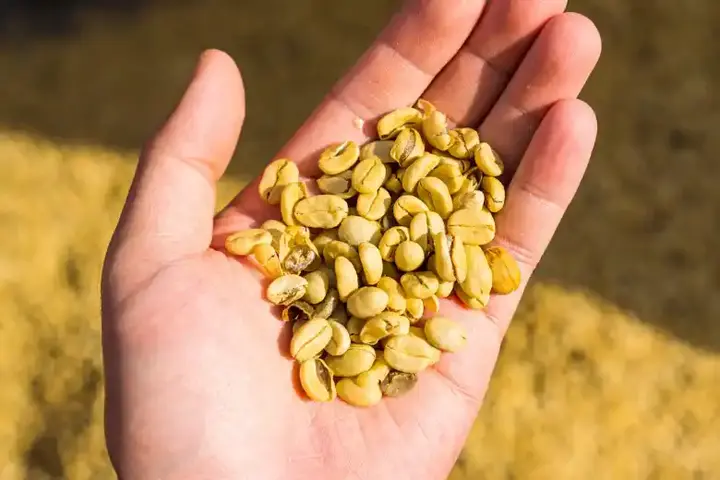
The higher caffeine comes from the blend of beans used. Traditional dark roasts at Starbucks draw mainly from beans grown in Latin America and the Asia-Pacific region, while the light roast uses beans from Latin America and East Africa. It's the bean origins and varieties—not the roasting process—that largely determine caffeine content. In other words, roasting itself doesn't significantly change the caffeine; the type of bean determines whether a roast is light or dark.
What does the word light roast mean?

You might wonder why it's called "light roast." Largely, it's a marketing term. "Light roast" simply means the beans are roasted for a shorter time. At Starbucks, their "light" roast is closer to what other roasters call a medium roast. Because so much of Starbucks' lineup is darker roasts, their lighter-roasted coffees stand out, making "light" a useful label.
What does Starbucks light coffee taste like?
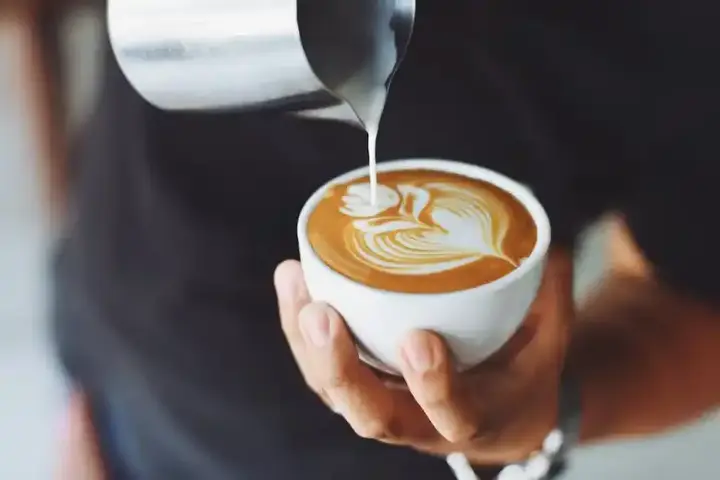
Tasting is personal, but Starbucks' light roast—often called Blonde Roast—tends to be bright and refreshing, with citrus-like notes that linger. Dark-roasted coffee, by contrast, has a stronger, bolder (and often more bitter) flavor. There's more to say about light roast's taste, but the best way to judge is to try it and share your impressions.
Is light coffee acidic?

Light roast coffees are generally higher in perceived acidity than medium or dark roasts. Roasting breaks down some of the bean's acids; the longer and darker the roast, the more these acids diminish. Because light roasts are roasted less, they retain brighter, more acidic flavors—often described as citrusy. That acidity influences taste and quality but can cause discomfort for people with heartburn or irritable bowel syndrome.
Is light coffee the same as light espresso?
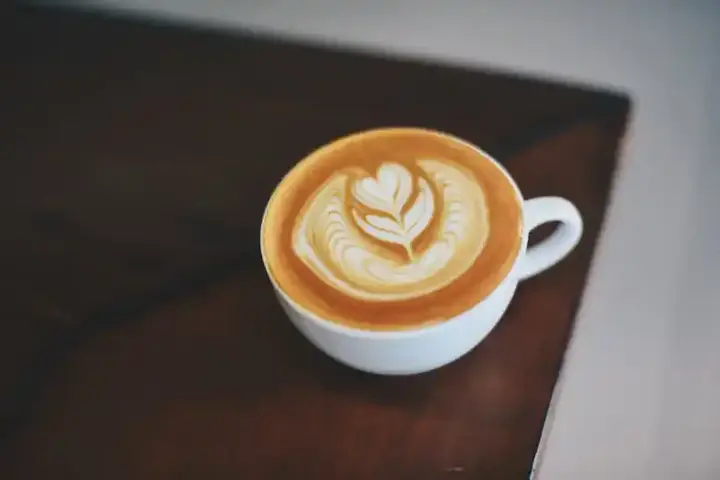
Yes: "light roast" and "light espresso" refer to the same roasted beans. The difference is how they're ground and packaged. For example, the Veranda Blend (Blonde Roast) appears in light-colored packaging on store shelves, while Starbucks' Blonde Espresso Roast is the same coffee packaged specifically for espresso-based drinks and single-serve formats.
Top 3 Light Coffees to Sell at Starbucks
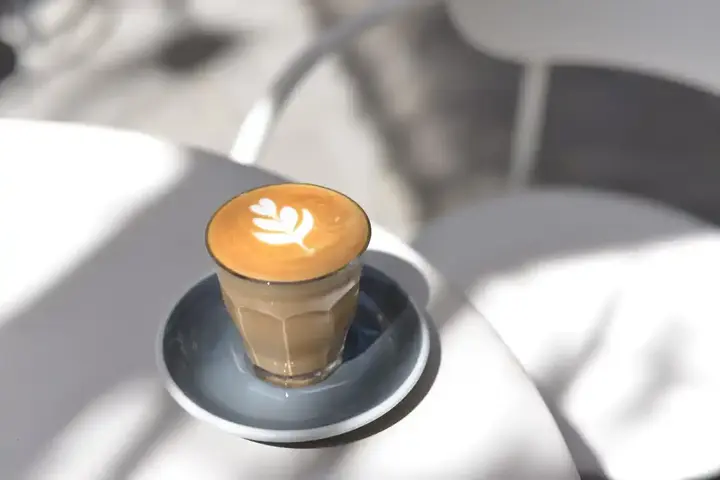
If you're at Starbucks and want to try a light roast, try one of these options:
1. Light Roast Espresso — Blonde Roast Espresso. Light roast espresso, known as Blonde Roast Espresso, is a sweeter coffee that is less bitter than regular espresso. It has a creamier, softer texture compared with standard espresso.
2. Blonde Caffe8 Latte. A caffe8 latte made with lightly roasted beans can offer extra flavor and more caffeine. Try it with vanilla syrup: the citrus notes of the light roast blend well with vanilla.
3. Light Cappuccino — Blonde Cappuccino. Try this delicious drink next time you go to Starbucks, especially if you enjoy cappuccino regularly. When prepared with a light roast, the drink takes on a distinctive character.