


Do you have a work-life balance? And how to get it




Have you ever felt that your work is in control of your life? Or maybe you seem to have too many personal obligations that prevent you from giving 100% at work? We all know that we need work-life balance. But finding harmony between them is not always as easy as it may seem. What is the solution? Let's find out!
Show key points
- Work-life balance refers to maintaining harmony between your job responsibilities and personal life so that neither overwhelms the other.
- The meaning of a healthy balance can vary from person to person, depending on individual goals, priorities, and lifestyle.
- Remote and flexible work have reshaped how we define balance, offering both opportunities and challenges in separating personal and professional life.
- ADVERTISEMENT
- Signs of a good work-life balance include meeting deadlines without stress, having sufficient rest, and enjoying personal time without work-related anxiety.
- Setting clear boundaries, creating routines, and avoiding work outside office hours are essential strategies to improve work-life balance.
- Experiencing frequent exhaustion or symptoms of burnout indicates a serious imbalance that may require taking breaks or even making career changes.
- Achieving balance is not about an exact split of time but about feeling fulfilled and in control across all areas of life.
What does "work-life balance" mean?

Work-life balance is usually defined as the balance between your professional and personal life. When you keep things balanced, none of the elements of your life will overshadow the others; you are successful at work and have plenty of time to live a fulfilling personal life. But work-life balance can mean different things to different people, because balance is something you feel when your work-related and non-work-related activities are in harmony with your current goals and priorities. Major shifts in the way we work have helped change the definition of work-life balance for many. Work-life balance may mean not thinking about work from the time you leave until the next morning, but being tied to an office is a thing of the past, and it makes sense that remote work is an essential part of work-life balance. This means that work-life balance is more personal and nuanced these days, but it also makes finding balance harder than ever.
Recommend
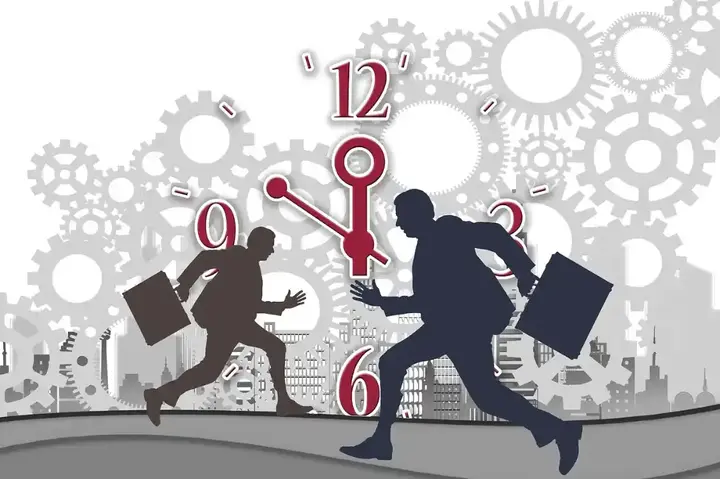
The important part of achieving balance is that a person does not feel that one area of life is draining the other and draining him. The solution is not complacency, nor neglect of action, these are not effective methods. It may make you feel a little better for a while, but in the end it will create more problems as work builds up and deadlines expire. Just as you shouldn't ignore your personal life in favor of your job, you also shouldn't deal with stress by neglecting your workplace duties.
How can you tell if you have a healthy work-life balance?

Not feeling overwhelmed and frustrated is a good sign that a person has a good work-life balance. People who experience panic at the beginning of the week more often than others are more likely to have an imbalance. Here are some signs that you are striking a good balance between your job and other areas of your life:
• Do not feel that your business requirements and personal obligations are constantly conflicting.
• You are able to meet deadlines, without the need for additional hours.
• Get plenty of sleep at night and eat a healthy diet.
• Don't spend the weekend exhausted.
• You have plenty of time to relax and enjoy your hobbies.
• Spend enough time with family and friends.
• Don't worry about your job when you're not at work.
You feel productive at work and making progress towards your career goals, but your identity doesn't depend on your job.
• Take your days off (and use your sick days when you need them).
• Benefit from any related benefits offered by the employer, such as gym membership, flexible scheduling, and childcare vouchers.
In general, to find out if you have a good work-life balance, think about what is most important to you, and what helps you feel your best? This is important not only professionally, but also in terms of health; studies have shown that people who have greater conflict between their professional and non-professional lives are more likely to have health problems and mental health conditions.
How to improve work-life balance?
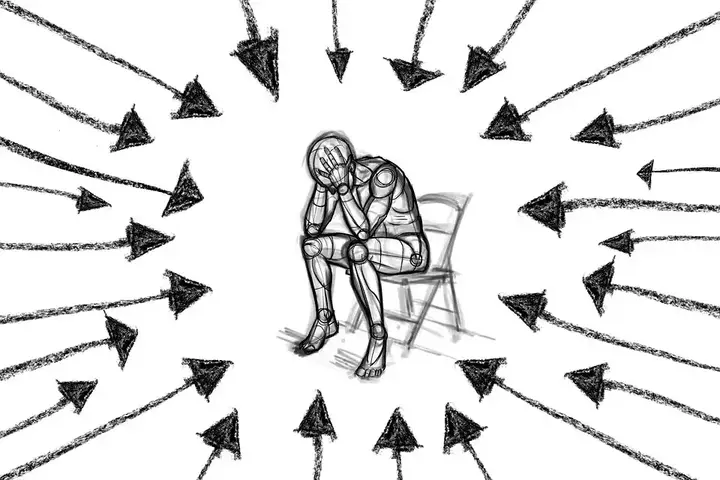
Here are some steps to get the desired balance:
Make a plan: Balancing your life starts with figuring out what's causing the problem in the first place. Are your hours too long? Do you feel like you don't have control over your schedule? Creating a custom plan for how to handle work-life balance can help you figure out what mistakes and strategies will be most effective.
Set boundaries between your work and your non-professional life: Flexible remote work can be a great way to promote balance in your life, but it often blurs the lines between your personal and professional life. You may find yourself working longer than normal working hours, or continuing to work when you should relax... The problem is that over time, your home life becomes your working life. If you're working completely or partially remotely, there are things you can do to help foster a better work-life balance:
Determine the hours you can work during the day and stick to them.
Start your morning with routine and established rituals.
Consider wearing something other than your favorite clothes to relax at home.
Use different communication tools so others know you're offline.
Give yourself things to look forward to when you're out of work. This may include meeting with friends, but it can be as simple as preparing a delicious meal and listening to a broadcast episode of the series you're watching.
Take breaks: This includes small breaks during the workday, weekends, and periodic vacations.
Don't work when you're not at work: When your workday is over, it should end. That means not checking work emails, looking at notifications, or signing in to finish something last.
Avoid burnout: When the work-life balance is seriously disturbed, you're probably heading toward burnout. Feeling overwhelmed is more than just feeling tired and unmotivated, it means you've reached a state where you can't cope with everyday life, let alone take care of work. Signs of fatigue can be physical, such as headaches, high blood pressure, stomach pain, and frequent illness, but they are also mental and include sleep problems, depressed moods, loss of interest, problems with concentration, and apathy. If you get to this point, it means you need to make serious changes to your work environment, or take time off. Sometimes, it can mean thinking about changing your business altogether.
If you can't make any changes that will help you feel better about your relationship with your job, it may be time to consider taking a more serious step, which is to change your job altogether. Finding a job that you truly love can be a great way to feel more positive about the balance between your work and your outside life.
Conclusion: What does this mean for you?
Having that perfect work-life balance is simple but not always easy. If you're having difficulties, it may be helpful to talk to your boss about how we can help you. Remember, the goal is not to get a 50/50 ratio, but to find a balance that works for you.
