


Rose-billed waterfowl: graceful dancer in wetlands



Wetlands are one of the most beautiful landscapes with amazing ecological diversity, and waterbirds are among its most prominent inhabitants. The wetlands are vibrant with the rose-clicked waterfowl, which is a graceful dancer in this picturesque environment. With its brightly coloured feathers and elegant mobility, this bird is a true gem in the wetland country.
Show key points
- The rose-clicked waterfowl is a visually striking bird, known for its vibrant plumage of pink, white, and yellow hues along with sharp features like a black beak and yellow eyes.
- This bird performs beautiful aerial dances over wetlands, showcasing its agility, elegance, and artistic movement to mesmerize viewers.
- Perfectly adapted to its habitat, it has strong wings for prolonged flight, long legs for navigating aquatic plants, and claws for gripping prey.
- ADVERTISEMENT
- The species thrives in humid, plant-rich wetlands such as lakes and swamps, primarily in tropical regions where warmth and moisture abound.
- Major threats to its survival include climate change, water pollution, habitat destruction, human interference, and competition for food and nesting space.
- Conservation efforts focus on protecting natural habitats, raising awareness, conducting research, and fostering international cooperation to safeguard this unique bird.
- The rose-clicked waterfowl represents the ecological elegance of wetlands and plays a vital role in sustaining biodiversity and ecosystem balance.
Getting to know the rose-clicked waterfowl
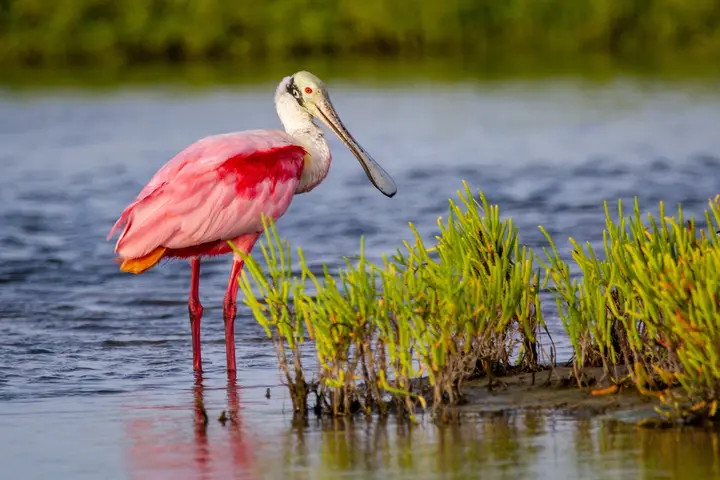
The rose-clicked waterfowl is a small bird decorated with bright rose-like colors, and the bird is distinguished by the beauty of its feather designs, as its base color may be bright pink with delicate shades of white and yellow. Its head is also sharply shaped and has a strong, sharp black beak, making it easier for him to search for his food in wetlands. His beauty is complemented by the presence of bright yellow eyes, reflecting the charm of the environment in which he lives.
Recommend
In addition to its exterior beauty, the rose-clicked waterfowl navigates with graceful and exciting movements. Known for performing a breathtaking aerial dance, he jumps and spins in the air spectacularly and with remarkable elegance. He is a skilled dancer who attracts attention and surprises viewers.
In terms of its body, the rose-clicked waterfowl is perfectly adapted for life in wetlands. It is characterized by a high ability to fly and move between trees and aquatic plants. It has wide and strong wings that help it to fly and stay in the air for long periods. It also has long, thin legs and a sharp claw that enables it to grasp prey and maintain its balance while moving between aquatic plants.
Habitat of the rose-clicked waterfowl
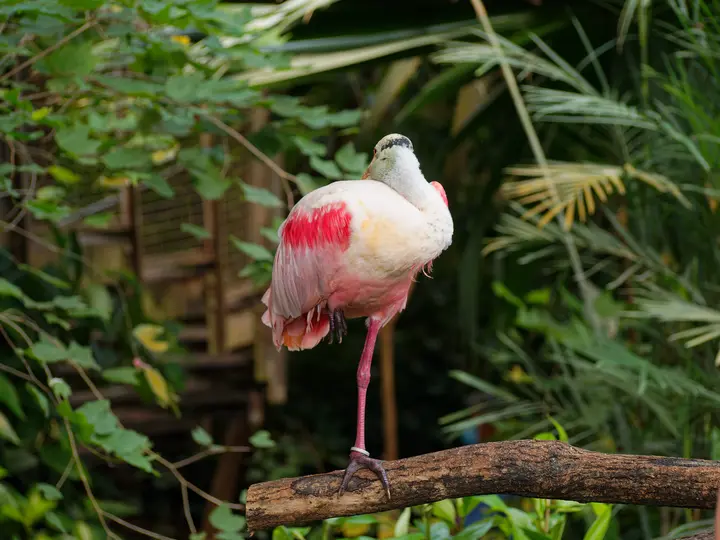
Rose-pecked waterfowl settle in humid coastal aquatic environments, such as lakes, swamps and tranquil rivers. Wetlands with large amounts of aquatic plants and grasses are particularly preferred. They are usually found in tropical and tropical regions, where you find the right heat and humidity for living.
The presence of dense aquatic vegetation and low grasses in the habitats of the rose-clicked waterfowl is crucial for the continuity of its existence. He uses these plants to hide from enemies and search for prey. Diverse aquatic plants also provide abundant food, feeding on insects, young and small fish that live in nearby waters.
In the habitat of the rose-clicked waterbird, the wetlands are known for providing an ideal environment for diverse waterbirds, among which the rose-clicked waterfowl shines with its unique splendor and elegance. When soaring in the sky, its colorful plumage ranging from red, pink and purple appears, giving it a stunning look that attracts attention. On land, he enjoys moving on his long feet and being able to walk on mud and water fingers. The humid environment thrives and harmonizes with rich biodiversity. This habitat is considered a safe haven for rose-clicked waterfowl for breeding, raising young, relaxing and enjoying the beauty of nature.
Dancing waterfowl pecked rose erotic
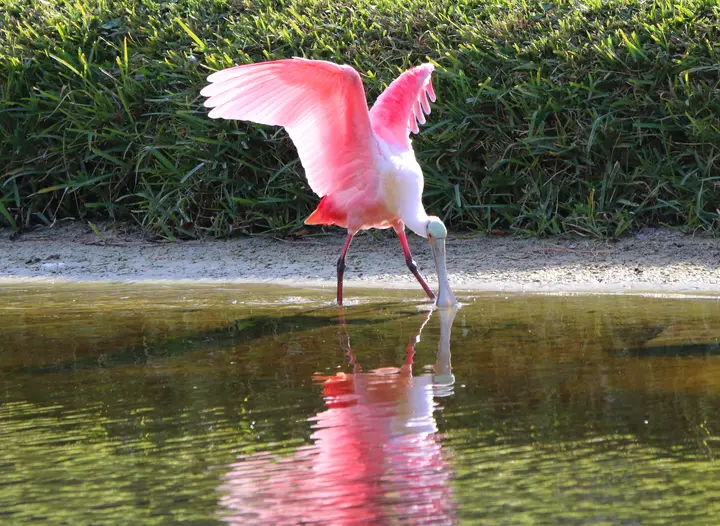
The dancing of the rose-clicked waterfowl is one of the most exciting shows in the animal world. This bird is distinguished by its neat, harmonious and breathtaking movements. When the bird begins its sexy dance, its body becomes affectionate and flexible, making it look like a professional artist on stage. He jumps, rolls and soars in the air in a way that resembles a beautiful and different dance every time.
The dancing of the rose-clicked waterfowl reflects the spirit of vitality and freedom in the wetlands. The bird begins to dance when it is in a standby position, raising its pink wings and gently shaking its body. He then takes to the air with amazing enthusiasm, performing various and unexpected movements. He has the ability to control his movements and balance wonderfully, reflecting his intelligence and physical strength.
We can watch it as you sit quietly in the water basin or by the rose lake. The sight of the bird dancing over the water can be spectacular, as its vivid beauty is reflected on the surface of the water. It seems to sway to a subtle music melody, as if to mimic the rhythms of the nature around it. It also reflects harmony and balance in the animal world, attracting attention and impressing with its beauty and unique movements.
Survival challenges for rose-clicked waterfowl
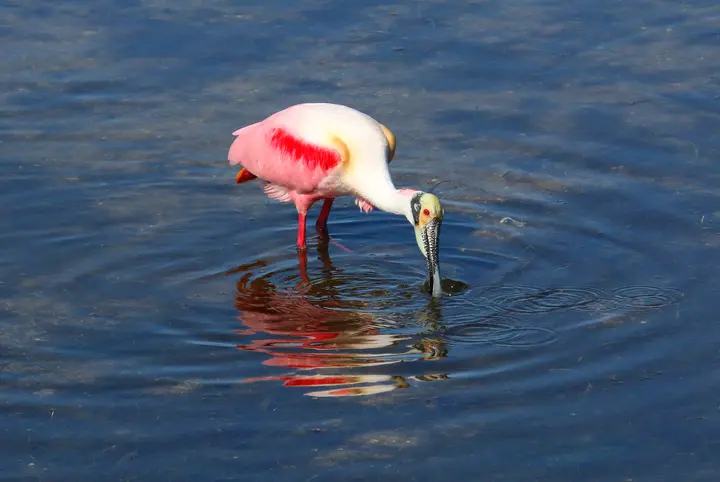
The rose-clicked waterfowl lives in a challenging and changing environment in wetlands, facing numerous challenges in its quest for survival. Sustainability and environmental adaptation are crucial for this beautiful bird, which must deal with the challenges it faces on a daily basis.
1. Climate change:
The rose-clicked waterbird faces significant challenges as a result of climate change, such as rising temperatures, frequent floods and droughts. These changes affect the availability of food resources and suitable habitats for nesting, forcing them to adapt and search for new areas to live.
2. Water pollution:
Contaminated water is one of the main challenges facing the rose-clicked waterfowl. This bird relies on the pure aquatic environment to find its food and breed, and if the water is contaminated with harmful chemicals, it finds it difficult to survive and reproduce healthily.
3. Destruction of natural habitats:
The destruction of the natural habitats of wetlands poses a major challenge for the rose-clicked waterfowl. These habitats may be converted into farms or residential areas, reducing the bird's available space and affecting the availability of food resources and suitable breeding grounds.
4. Human threats:
The rose-clicked waterbird faces threats from human activities, such as nest hunting, poaching and environmental pollution. These threats affect the populations of individuals and endanger their lives, hindering the sustainability of the species and reinforcing its presence on the list of endangered species.
5. Competition with other objects:
The rose-clicked waterfowl competes with other wetland organisms for food resources and suitable places for nesting. This competition can be cruel and put the bird facing additional challenges to obtain food, water and suitable habitats for breeding.
Efforts to conserve rose-clicked waterbird
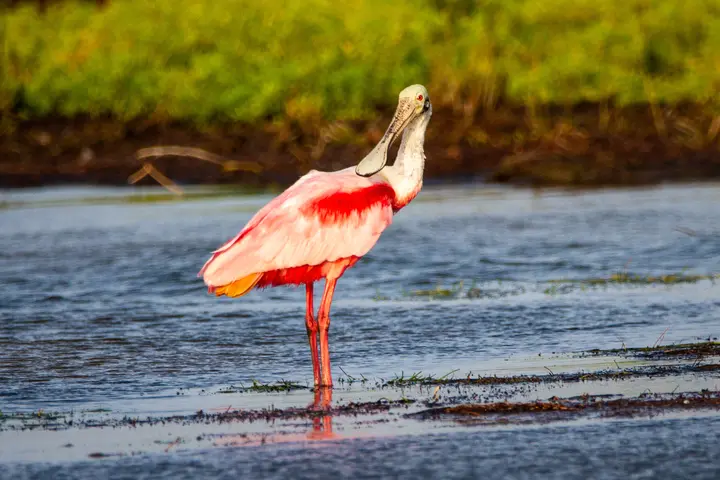
The rose-clicked waterbird is one of the most precious and rare organisms in the natural world, so efforts to conserve and preserve its habitat are essential to ensure its continuity in spectacular wetlands.
1. Protection of natural habitats:
Providing a suitable and safe environment for the rose-clicked waterfowl is key to conservation efforts. This is done by preserving wetlands, preventing pollution and destroying the vital habitats in which they live.
2. Awareness and Education:
Raising awareness and education about the importance of rose-clicked waterfowl and the need to protect it is an important part of conservation efforts. This is done through awareness campaigns, events and conferences, and the establishment of educational centers to share knowledge and information about this unique bird.
3. Monitoring and Research:
Continuous monitoring of the movement of the rose-clicked waterbird and studying its behavior, distribution and eating habits is vital. Through continuous scientific research and data collection, strategies for the conservation of this rare species can be improved.
4. International Cooperation:
Inter-state cooperation in the protection of rose-clicked waterfowl is an urgent necessity. Many countries have collaborated together to establish waterfowl protection zones and encourage healthy migration, ensuring the protection of birds and providing them with a suitable environment.
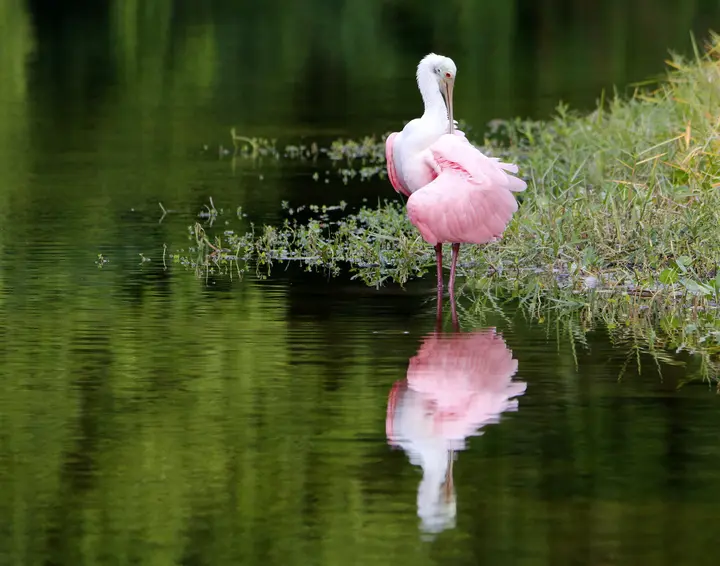
The rose-clicked waterfowl is a symbol of beauty and sophistication, and brings a special charm to wetlands. It has unique advantages that make it unlike any other bird. Its quality enhances the diversity of the environment and contributes to maintaining the balance of the natural ecosystem. Protecting this rare bird and its habitat is one of the most important steps to be taken to preserve the biodiversity of this picturesque wetland.
