


Why do humpback whales always "bully" killer whales?



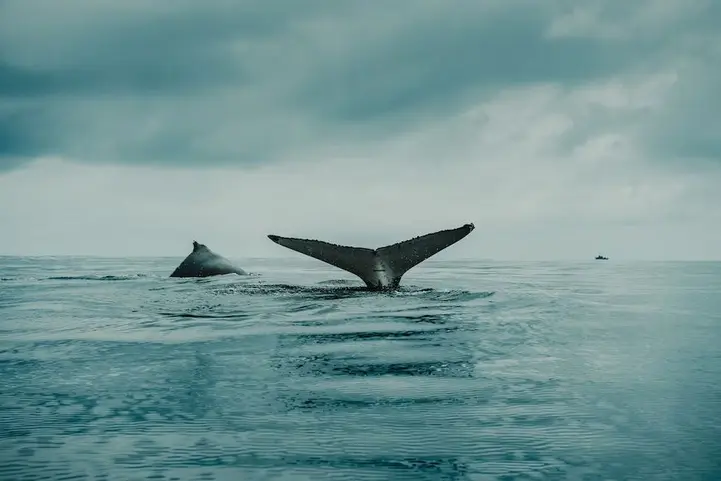
The behavior of humpback whales in bullying killer whales is a unique and interesting phenomenon in the world of marine animals. What are the reasons for humpback whales for this hostile behavior towards killer whales? And what are the possible consequences of this type of bullying? In this article we will explore this amazing phenomenon and try to understand more about why it exists.
Show key points
- Humpback whales display bullying behavior toward killer whales, a surprising and rare phenomenon in the marine world driven by defensive and protective instincts.
- These interactions are believed to stem from competition over food resources and the need to protect their young from potential threats posed by killer whales.
- Humpback whales demonstrate highly social and intelligent behavior, using vocal communication and strong group bonds to navigate and survive in their environment.
- ADVERTISEMENT
- In contrast, killer whales are known for their strength, hierarchical social structure, and cooperative hunting techniques, highlighting a fundamental behavioral difference from humpback whales.
- Persistent bullying by humpback whales can negatively affect killer whales, leading to stress, physical injury, disrupted feeding, and changes in their natural behavior patterns.
- The ecological impact of this behavior can extend to biodiversity loss and imbalance in the ocean's food chain due to altered predator-prey dynamics.
- Addressing this issue requires global cooperation, increased public awareness, protective legislation, dedicated research, safe marine zones, and continued environmental monitoring.
Humpback whales and killer whales
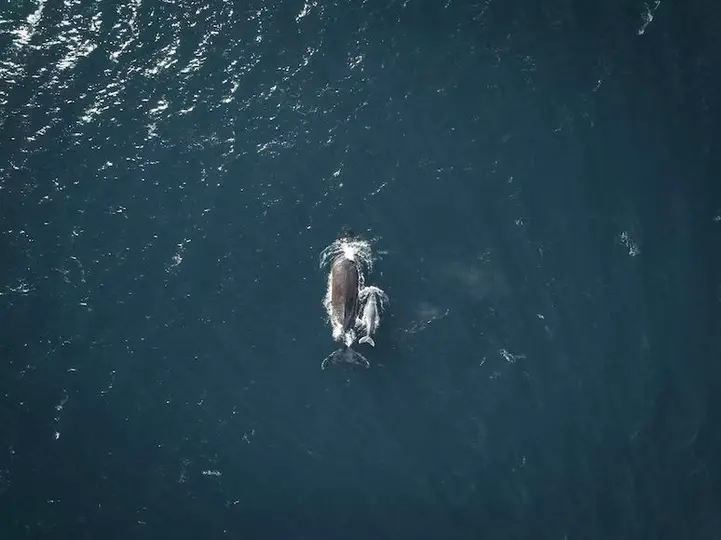
Humpback whales and killer whales, two different sides of the same coin, these two marine animals have unique features and different behavior. Looking at humpback whales, we find their complex culture and quiet meeting. As for the killer whales, they are distinguished by their strength and ferocity in hunting their prey. Let's dive deeper into the knowledge of these two animals and explore their contradictory natures and behavior.
Recommend
Let's start with humpback whales, one of the largest living creatures on Earth. In addition to their sheer size, these whales are characterized by a complex and sophisticated social lifestyle. Humpback whales live in social groups called flocks, and they communicate through sounds known as acoustics. These swarms share information and experiences across generations, enabling them to make collective decisions about food and sustainability. Humpback whales are friendly and friendly, where individuals can continue to know them for decades and live together in peace.
Killer whales are the most famous aquatic animals. It is famous for its strength and ferocity in catching prey, and is considered a member of the family of Sunni whales. Killer whales live under a hierarchical social system, where there is a herd leader who controls the behavior of the rest. Killer whales collaborate to hunt prey and share food, and can travel long distances to find food sources.
So, between humpback whales and killer whales, there is a variation in behavior and the environment in which they live. Humpback whales are sociable and peaceful, while killer whales consider strength and ferocity as part of their existence. Regardless of the differences, both whales are emblematic of the enchanting marine nature and remind us of the diversity and beauty of life below the surface of the oceans.
The behavior of humpback whales in bullying killer whales
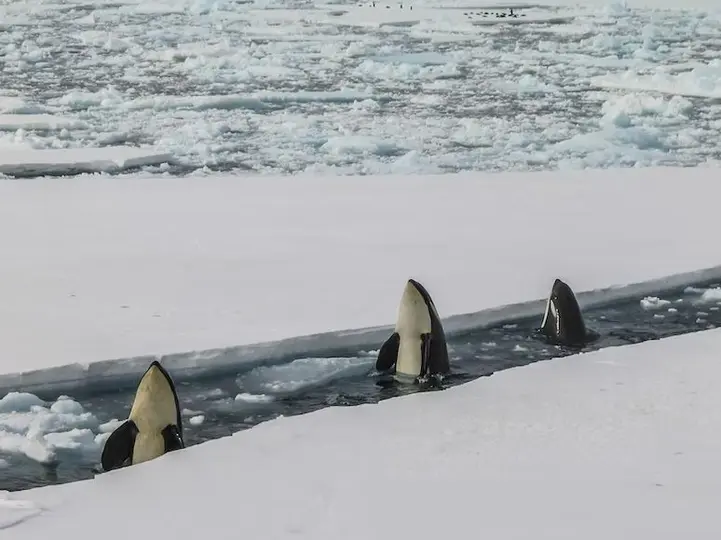
The behavior of humpback whales in the bullying of killer whales is a surprising phenomenon that attracts the attention of researchers and animal enthusiasts alike. Bullying is defined as a behavior intended to harm or intimidate and usually appears among predators in nature, but why do humpback whales engage in such hostile behavior towards killer whales?
The motivation behind this hostile behavior by humpback whales is believed to be natural and related to the protection and defense of the population. Killer whales are rivals to humpback whales in the sea and pose a potential threat to the group and its young. Therefore, humpback whales may breed killer whales as a means of protection and to maintain the integrity of the population.
Moreover, it is believed that humpback whales can recognize killer whales by their sound and smell, as humpback whales have sharp senses and high intelligence. Bullying may be a way to identify and alert group members to the presence of killer whales nearby and keep a safe distance.
Although humpback whale bullying behavior can seem aggressive and cruel, it is considered a normal part of interactions between animals at sea. The marine animal world is diverse and intertwined, and this behavior reflects a competitive system where animals seek to retain their influence and resources.
However, we must also be aware that this hostile behavior can affect killer whales negatively. Repeated bullying can increase stress levels in killer whales, and may lead to repercussions such as reduced sniping ability and deteriorating physical condition.
Why do humpback whales bully killer whales?
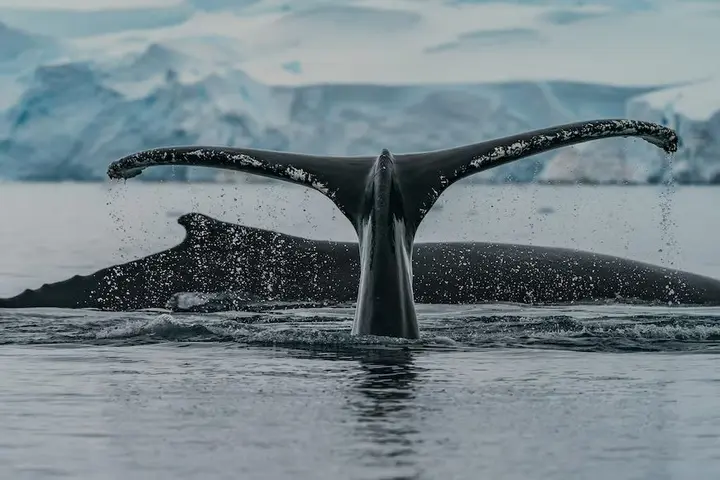
When looking at humpback whales' behavior in bullying killer whales, we can be surprised and wonder why these huge creatures behave hostilely. So why do humpback whales bully killer whales? Is it their competition for food resources or their personal motivation to protect? These exciting questions prompt us to explore this mysterious phenomenon and delve deeper into the concept of bullying among sea whales.
Bullying behavior is one of the complex social practices of whales. Humpback whales are observed tracking and bullying killer whales in various ways, from chasing and banishing them from fishing grounds, to tossing water at them and jumping over them. These hostile behaviors of humpback whales towards killer whales are a unique phenomenon in the marine animal world.
One possible explanation for this hostile behavior comes in the context of competition for food resources. Both species of whales eat the same prey, and when food availability becomes scarce, humpback whales may attack killer whales to control the area and ensure food is available for them and their offspring. This food motivation is one of the main factors that may cause humpback whales to bully killer whales.
But there may be other motives behind this interesting behavior. Bullying may be the result of humpback whales taking preventive measures to protect themselves and their herd, as killer whales are strong competitors and may pose a threat to their lives and offspring. Humpback whales may be using hostile behavior as a means to scare killer whales away from places their areas consider land.
The phenomenon of whale bullying causes negative environmental impacts. In addition to its psychosocial impact on killer whales, bullying can lead to stress, hunger and even death. Constant expulsion from fishing grounds may cause reduced food availability and poor survival. Thus, a chain effect can occur on biodiversity and the ecological balance of the oceans.
Environmental consequences of bullying
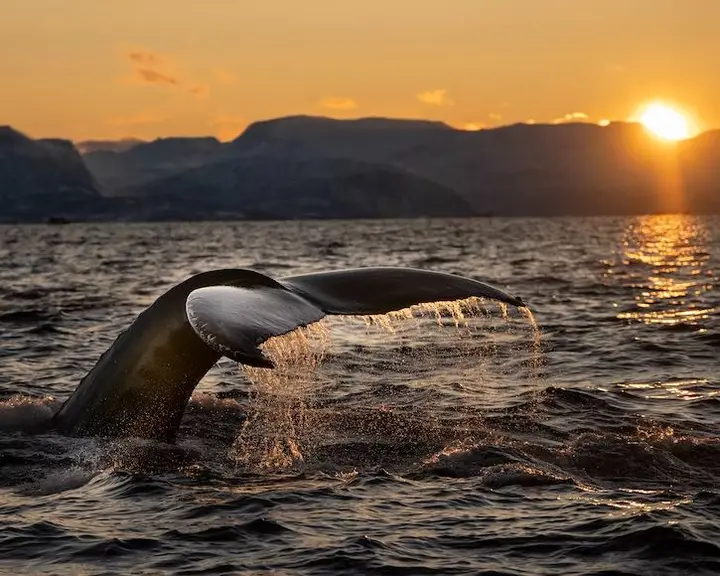
The environmental consequences of humpback whale bullying of killer whales are manifested in their severe impact on the marine environment. This strange behavior is considered a violation of the natural ecological balance and may cause negative effects on other organisms living in the same marine areas. These environmental consequences are a direct result of the ongoing bullying that killer whales are subjected to by humpback whales.
For example, the tail blow force of humpback whales is amazing and may cause serious injury to killer whales. These injuries can lead to internal bleeding and render killer whales unable to fish their food efficiently. Thus, this behavior can increase the rate of death and its impact on the balance of the food chain in the region.
Also, the range of biodiversity in areas used by humpback whales as a breeding area for killer whales can be affected. If killer whales are subjected to constant bullying, this may reduce their presence and number of breeding in the area. This can affect the diversity of other species that rely on killer whales as part of their diet.
In addition, bullying may alter the motor and nutritional behavior of killer whales. Killer whales are likely to avoid areas where humpback whales live to avoid bullying and injuries. This change in behavior may cause killer whales to move to other areas or change their eating pattern in search of new food sources.
Possible steps to counter this behavior and protect killer whales
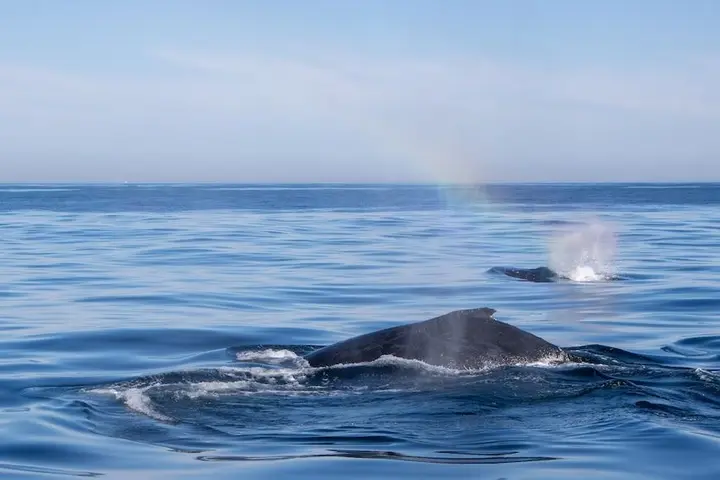
Possible steps to tackle this hostile behavior and protect killer whales require global cooperation and joint efforts by governments, environmental organizations and scientists. These steps can include:
1. Promoting public awareness:
By educating people about the importance of preserving ocean biodiversity and the impact of humpback whale bullying, the public can be motivated to take action to protect and preserve killer whales.
2. Developing laws and legislation to protect whales:
States must establish strict maritime protection laws and prevent illegal actions such as overfishing, marine distortion and environmental pollution.
3. Offering safe havens and protected areas:
Marine areas that are habitats for killer whales and humpbacks should be identified and protected, and offered as safe havens where humpback whales cannot bully killer whales.
4. Continuous monitoring and research:
More efforts and resources should be devoted to continuous monitoring and scientific research to understand more about the behavior of humpback whales and its impact on killer whales. This can help develop more effective protection strategies.
5. International Cooperation:
Cooperation and coordination between states and international organizations for the conservation of killer whales and humpbacks must be strengthened. Through international cooperation, knowledge and experiences can be shared and efforts can be coordinated to reduce bullying and protect whales.
With these possible steps, we can work together to maintain the balance of the marine ecosystem and ensure that killer whales remain an essential part of ocean biodiversity. We must have the determination and commitment to take these steps and tackle bullying behavior that puts the lives of killer whales at risk.
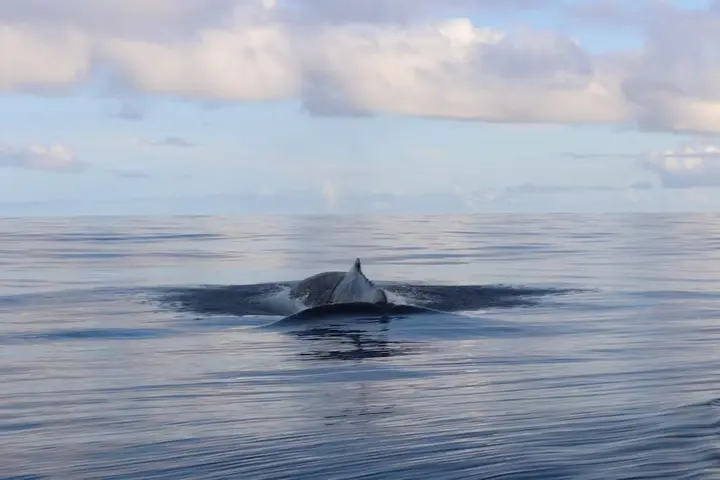
In short, the behavior of humpback whales in bullying killer whales appears as a surprising phenomenon. There may be multiple explanations for this hostile behavior, including motivation and protection. However, we must also be aware that bullying can affect the marine environment negatively. Therefore, we must focus on developing measures to prevent this behavior and protect killer whales. We hoped that this would be achieved in the near future, so that each type of whale could live peacefully and prosperously in their different marine environments.
