


A delicious journey in the history of Lebanese cuisine



In the time of the ancients, the civilization of Phoenicia lived on the fertile hills of Lebanon, carrying between its sides the richness of history and the diversity of cultures. Not only did its profound influence on the heritage of Lebanese cuisine evident, but also French culture extended to Lebanese cuisine, just as the charm of the corridors of Paris extended to the shores of Beirut.
Show key points
- Lebanese cuisine carries deep historical roots from the Phoenician civilization, blending ancient traditions with culinary evolution over centuries.
- Shawarma originated from Phoenician meat-cooking methods and has transformed into its modern Lebanese form through advancements in grilling techniques.
- Kibbeh, a dish from ancient Phoenicia, evolved with new cooking styles and ingredients, now existing in multiple versions like fried, grilled, or sauced.
- ADVERTISEMENT
- Mahashi, or stuffed vegetables, began as a simple Phoenician meal and later expanded its fillings and spices to reflect Lebanon’s rich culinary diversity.
- Tabbouleh started as a modest salad but has become a cultural symbol of Lebanon, now featuring various modern twists and decorative presentations.
- French influence during the colonial period introduced croissants to Lebanon, where they’ve become a beloved staple enriched with unique local adaptations.
- Lebanese crepes, inspired by French cuisine, have developed to include both sweet and savory fillings, firmly integrating into Lebanon’s food culture.
In this article, we will enjoy an interesting tour of the world of Lebanese cuisine, where we review together the most famous dishes that Lebanon took from the Phoenician civilization and influenced by French culture.
1- Shawarma (Doner)

In the heritage of the Phoenician civilization, meat marinated with oriental spices was cooked over low heat using wood until the meat turned into thick smoked gold pieces, and with the passage of ages, kitchen techniques developed and recipes evolved, until they reached the idea of hanging marinated meat in skewers in front of grills with some animal fat to give it a creamy taste to reach us shawarma dishes in their current form in Lebanon.
Recommend
2- Kibbeh

Kibbeh risotto was embodied as one of the most famous dishes in Lebanese cuisine, dating back to the ancient civilization of Phoenicia, in the time of the ancients, kibbeh was prepared with an elaborate technique, where minced meat (often lamb or beef) was mixed with bulgur and spices, such as cumin and various spices. This mixture is then carefully formed to be stuffed with nuts, minced meat and onions, and coated with a layer of thin dough. After that, the kibbeh was cooked on charcoal or in the oven, until it browned and ready to be served With the passage of time and the development of cooking techniques and the exchange of heritage and cultures, kibbeh risottos underwent several transformations. Grilled, fried kibbeh and cooked with sauces appeared, and the ingredients used in its preparation varied, adding a diverse character and rich flavors.
3- Mahashi (Dolma)
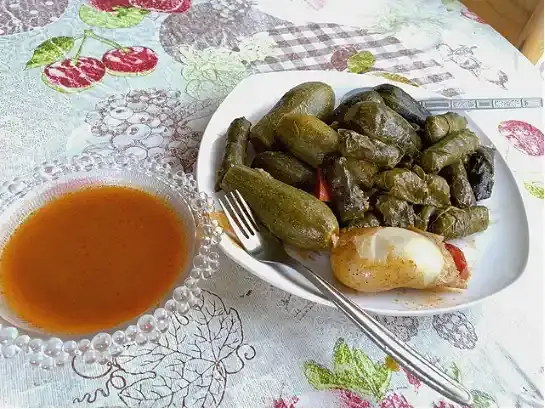
Mahashi is one of the most prominent dishes that reflect the heritage and culture of ancient Lebanese cuisine, and its history dates back to the ancient civilization of Phoenicia. Originally, Mahashi was prepared by Phoenician women with great care, as the leaves of vegetables such as zucchini, eggplant and pepper were used as a crust for a delicious filling consisting of rice, minced meat and spices limited to salt and pepper. These mahshi are then slowly cooked over low heat with tomato sauce or yogurt, and as the ages evolved, the mahshi dishes underwent several transformations. The ingredients of the filling increased to include different types of meat, rice and vegetables, and the spices varied to include bulgur, ginger and others.
4- Tabbouleh
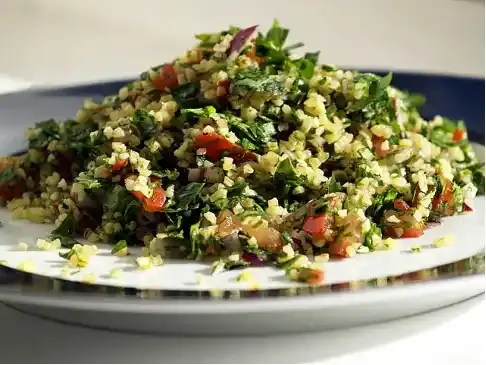
Originally, tabbouleh was made in a simple way, where fresh ingredients were chopped, mixed with soaked bulgur and spices, and then garnished with mint leaves. This recipe was based on natural ingredients and readily available in the region and with the passage of time and the development of heritage, kitchen techniques and tastes, the tabbouleh recipe has undergone a remarkable development. New creative touches have been added, such as cucumber pieces, green peppers, olives, and even labneh. The methods of serving and decorating the dish were also developed to become more attractive and beautiful until tabbouleh reached its current form in Lebanon, where it has become today a symbol of Lebanese culture.
5- Croissant
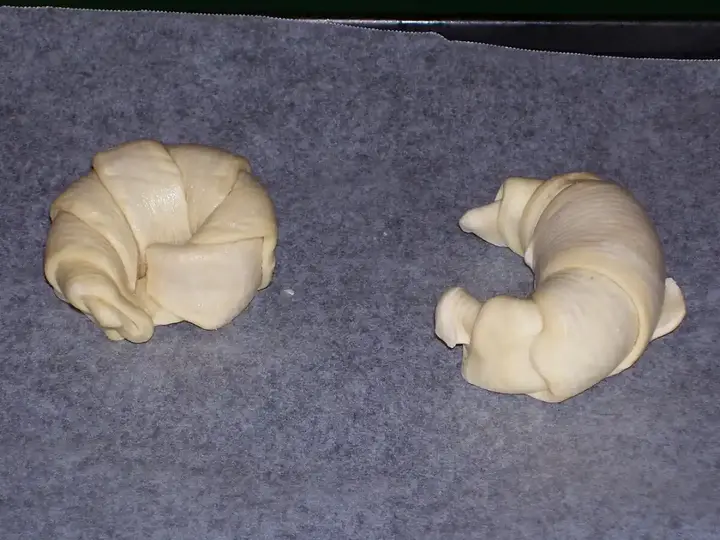
The story of the croissant originates in France, where these delicious dishes were first created in Paris in the 19th century. But despite its French origins, croissants arrived in Lebanon at the time of the French occupation and became an integral part of Lebanese cuisine, heritage, culture and bakeries there. Basic ingredients such as flour, water and butter are mixed, then the dough is folded in a special way that forms layers. After that, the dough is formed into a croissant shape and left to ferment slightly, then baked in the oven until golden in color and crispy With the passage of time and the development of recipes and baking techniques, the croissant has undergone a remarkable development. Additional ingredients such as chocolate, pistachios and various fillings were added to it.
6- Lebanese Crepes
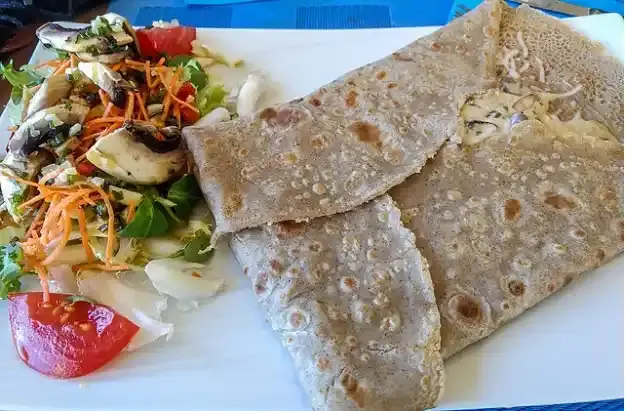
Crepe is one of the most popular dishes in French cuisine, this delicious dish has attracted great attention in Lebanon and has become an integral part of the dining experience there.Originally, the crepe preparation process required mixing flour with eggs, milk and butter, to obtain a light and thin dough. Then pour the dough into a flat pan and stir gently to form the crepe, and stuffed with sweet fillings such as chocolate and fruits, and over time, the crepe recipes evolved and the fillings used in them varied, as salty fillings such as cheese, minced meat, shawarma or bacon became an integral part of the heritage of Lebanese cuisine.
