


Cuisine in Amman




At the heart of Omani culture is a cuisine rich in diversity and heritage, whose unique details are reflected in the variety of dishes and rich flavors. Omani cuisine is an integral part of the country's cultural identity, with its diversity and richness reflecting a long history of cultural exchange and local and regional influences. Through this article, we will explore the aesthetics and flavors of Omani cuisine, focusing on the traditions and popular dishes that characterize this unique cuisine.
Show key points
- Omani cuisine is deeply rooted in cultural heritage and marked by a rich diversity of flavors influenced by both local traditions and surrounding Arab and Eastern regions.
- Signature main courses such as Mandi, Omani Kabsa, Musli, and Maqluba showcase the country's culinary depth with their layered ingredients and special spice blends.
- Traditional cooking techniques like charcoal grilling under sand and clay oven baking are still widely used, preserving the authentic texture and taste of Omani food.
- ADVERTISEMENT
- A wide variety of distinctive spices, including cardamom, saffron, cumin, and mastic, play a crucial role in giving Omani dishes their unique and savory flavors.
- Street desserts like Luqaimat, Kunafa, and Hilwa illustrate how sweet treats are woven into Omani street food culture and everyday life.
- Seasonal changes in Oman significantly influence its dishes, with warmer dishes favored in winter and lighter fare enjoyed during the hot summer months.
- Indian culture has left a significant mark on Omani cuisine, introducing popular dishes like curry and biryani along with shared dining customs and spices.
Diversity of main courses in Omani cuisine
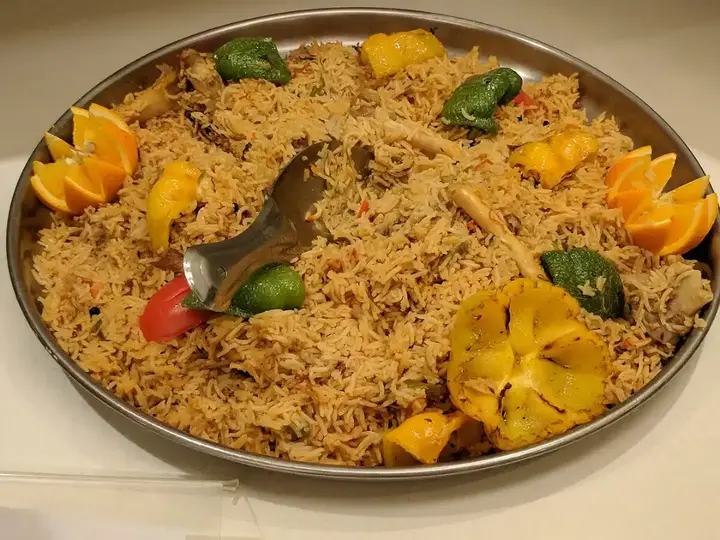
In Oman, cuisine is characterized by its diversity and diverse influences from different Omani regions and Arab and Eastern cuisines. Among the main dishes that Oman is famous for are:
Recommend
Mandi: Mandi is one of the most famous dishes in Oman and in many Arab countries, and is characterized by its preparation using meat (chicken, beef or lamb) with rice marinated with spices and spices, and is usually served with tomato sauce or yogurt.
Omani Grill: The grill is an important part of Oman's culinary heritage, as a variety of meat, fish and chicken are prepared on the grill with special spices to impart a unique flavor.
Musli: It is a special dish consisting of marinated pieces of meat cooked with vegetables such as onions, tomatoes and peppers, and is usually served with soaked rice.
Omani Kabsa: Kabsa is one of the most important main dishes in Oman, consisting of rice soaked with local spices and spices, with pieces of meat and vegetables, and is considered one of the delicious meals served on special occasions.
Mansaf: One of Oman's most popular dishes is mansaf, which is lamb cooked with rice, dried yogurt and vegetables, usually served with tomato sauce and yogurt.
Maqluba: It is a well-known meal consisting of multiple layers of rice, vegetables and pieces of meat, so it serves as a complete meal that contains all the nutrients.
Manoucheh: It is a bread dough stuffed with cheese, meat and vegetables, and baked in the oven until crispy and delicious.
These main courses are part of the rich and diverse heritage of Omani cuisine, and reflect the diversity of culture and tastes in the region.
Culinary arts and techniques in Omani cuisine and the secret of flavor in distinctive spices
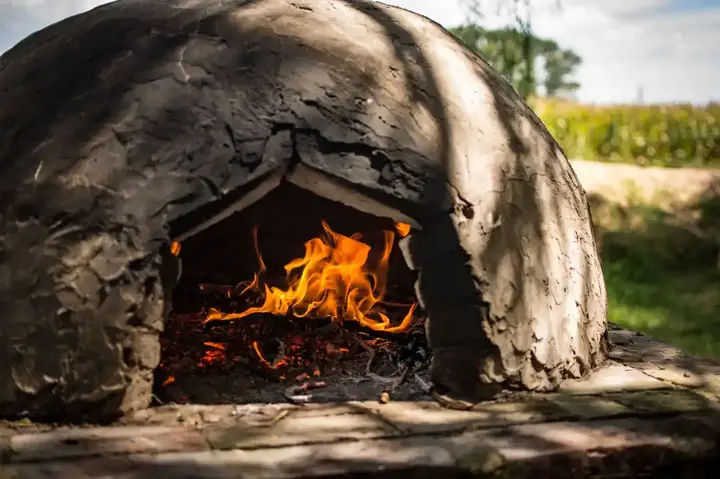
In the world of cooking in Oman, the diversity of techniques and styles is integral to its rich heritage and diverse culture.
Charcoal grill with burial: The technique of grilling on charcoal under the sand is one of the oldest techniques in Oman, where a hole is dug in a wide area, burning charcoal is placed, then meat is buried and buried together until cooking. Natural charcoal is used to give meat and fish a delicious texture and burial helped enhance the smoky flavor in food.
Clay oven grill: The clay oven is an integral part of Oman's cooking techniques, as it is used to grill traditional bread, meat and fish in a traditional way. This method is characterized by giving foods a unique flavor and texture, as the clay oven maintains heat and humidity in an ideal way and the nature of homes in Oman has helped to have this oven in every Omani home as part of its heritage.
Oman's culinary techniques combine traditional heritage with diverse cultural influences, creating a unique and distinctive experience for food lovers and culinary enthusiasts.
Spices and flavors are also characterized by their diversity and depth, which gives a special character to the dishes and from the spices and flavors characteristic of Omani cuisine: saffron, cumin, cardamom, black pepper and mastic. These spices are the main and indispensable spices of Omani cuisine and are an integral part of the rich culture and heritage of Oman, adding a unique character and delicious flavor to the Omani cuisine.
Desserts from the kitchen to the Omani street

On the Omani streets, you will find a delicious variety of street sweets that reflect their rich heritage and satisfy the dessert cravings of locals and visitors. Here are some of the most famous desserts of Omani cuisine.
1- Luqaimat: Luqaimat is one of the most famous street sweets in Oman, which is small balls of fried dough immersed in honey or shira.
2- Oats: Oats are prepared by forming the dough into slices and then fried until golden in color, and served with honey or sugar to be a famous street dessert.
3- Chocolate French fries: This dessert is a popular snack on the streets of Oman, where French fries are served with chocolate sauce.
4- Grilled dessert: This dessert includes a range of fried or grilled sweets such as kunafa, basbousa and grilled luqaimat, and is a popular choice for dessert in the streets.
5- Hiloa: Hilwa is a traditional dessert made of dough, sugar and nuts, served as a street snack
6- Kunafa: Kunafa is one of the famous desserts in the Omani streets, where it is prepared from dough and cream and served hot.
These are some of Amman's famous street sweets, which are an integral part of the local gastronomic experience and the country's folklore.
Each season of the year in Oman has its own dish...
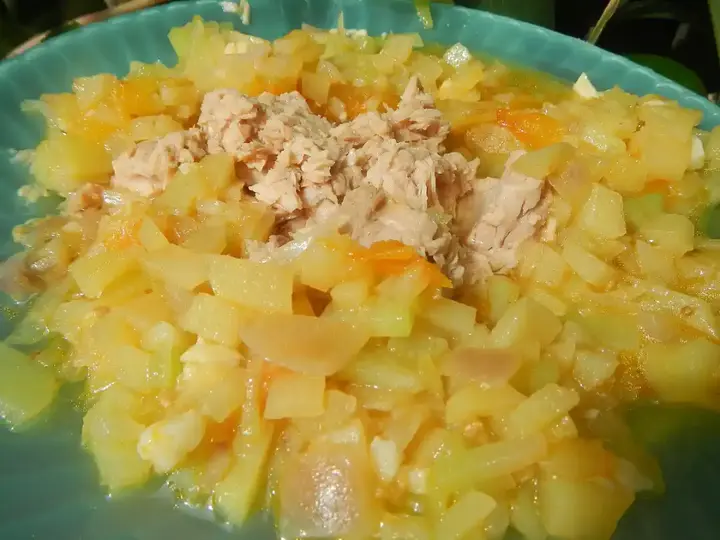
In a world characterized by its wonderful natural diversity and diverse changes, the Kingdom of Oman shines with a unique environmental diversity and diverse weather, reflecting its cultural and geographical distinction over Omani cuisine in a remarkable way. His signature dishes embody the variations and variables of the seasons, where we find a wonderful harmony between their ingredients and the effects of weather and seasons on their composition.
In winter, Oman's cold and mild weather reflects the nature of this season's favourite dishes. Warm and filling meals such as Mansaf, Omani broth and cold dessert stand out in particular, where warm spices and rich spices are used to give a special flavor to these dishes as well. The availability of some types of fish in Omani waters may change and this can lead to a preference for fatty fish that are abundant in this season such as salmon, red mackerels and sea bath.
In the summer, the rich scene changes, as light and refreshing dishes such as "fresh salads", "refreshing appetizers" and "natural juices" are frequently used that meet the body's need for hydration and freshness in high temperatures, and the high temperatures can also affect the availability of some natural ingredients used in desert dishes such as mandi and grills. An increase in the consumption of fried and grilled foods that are suitable for this season can be expected.
Omani cuisine is evident in its response to different seasons and weather changes, offering a unique blend of flavours and dishes that reflect the splendor and diversity of Omani culture and heritage.
The Widespread Influence of Indian Culture on Oman's Cuisine
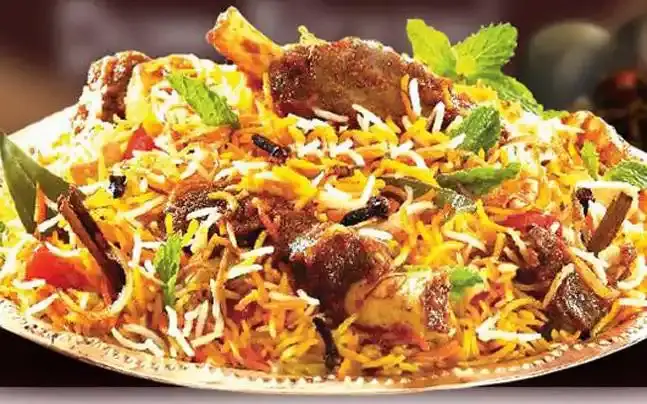
Omani cuisine has been greatly influenced by Indian and Eastern culture throughout history, where trade and cultural exchanges between the two countries have been an important commercial center on the trade route between East and West, and also the presence of Indian immigrants is a major important factor in this regard, and among the manifestations of the influence of Indian culture on the heritage and traditions of Omani cuisine:
Spices and culinary techniques: India introduced to Oman many famous spices such as cumin, turmeric, saffron and others, which became widely used in Omani cuisine, adding new and distinctive flavors to the food. In addition, Indian and Omani cuisine exchanged some cooking techniques and preparatory methods such as barbecue and steaming, which influenced the methods of preparing dishes.
Cultural and social influence: Social customs related to eating in Oman have been influenced by Indian culture, such as eating by hand and exchanging food between families and guests, which are common in Indian culture and have been transmitted to Omani society.
Influential Indian foods and meals: Indian dishes have greatly influenced Omani cuisine and have become part of the local food collection in Oman including:
Curry: Curry is one of the most prominent Indian foods that influenced the cuisine in Oman. Curry consists of a mixture of spices, spices and food ingredients such as meat, chicken or vegetables, and is usually served with rice or bread.
Biryani: Biryani is one of the most popular Indian foods influenced by food in Oman. Biryani consists of a layer of rice cooked with meat, chicken or legumes and spices, and is prepared in a variety of ways and has a distinctive taste.
Dal: Dal is a famous Indian food that is very popular in Oman. Dal consists of grains cooked with spices and spices, and is usually served with rice or bread.
Samosa: Samosa is one of the popular snacks in Indian cuisine, and it arrived in Oman and became part of the popular meal selection there. Samosas consist of a dough stuffed with potatoes, meat or vegetables and fried in oil.
Jallab Jamun: Jallab Jamun is one of the most famous Indian sweets that have been influenced by Oman's sweets. Gulab jamun consists of sweetened milk balls cooked in sugar syrup, and is usually served as a dessert after main meals.
These are some examples of Indian dishes that have influenced the cuisine of Oman and become part of the diverse and delicious local food collection.
In these and other ways, the influence of Indian and Oriental culture in general on cuisine in Oman can be seen, and how dishes, heritage and food traditions adapt to cultural and historical exchanges between the two countries.
Innovation and renewal in Omani cuisine

In the world of Omani cuisine, the spirit of creativity and innovation is embodied through its modern transformations that have come to strengthen its place in the hearts of foodies. These changes reflect many cultural and social aspects that have affected the ways of cooking and serving dishes in Omani cuisine.
Innovation in new uses of traditional ingredients: Omani cuisine has always been a source of creativity and innovation, with local chefs and chefs using traditional ingredients in new and innovative ways. For example, dates, which were traditionally used in desserts, are transformed into a staple in marinated meat dishes, giving a unique and distinctive flavor to dishes.
Innovation in catering and decoration: Modern Omani cuisine reflects a trend towards art and decoration, where the focus is on presenting dishes in attractive and beautiful ways that harmonize with the entire dining experience, where the use of pottery dishes has been reduced and spoons have been introduced into the world of Omani restaurants after eating was using the hand only, so modern Omani restaurants are characterized by their artistic and elegant decorations that add a distinctive atmosphere and a civilized spirit to the dining experience.
Modern cooking techniques have also spread and been adopted in the preparation of traditional Omani dishes. For example, the use of microwaves, air fryers and electric ovens has become common in Omani kitchens to prepare foods in healthy ways and enhance their natural flavor from traditional clay ovens only.
Omani cuisine continues to evolve and renew, enriching the dining experience and highlighting the Kingdom's rich heritage and cultural diversity.
