


7 "Chinese" foods you won't find in China



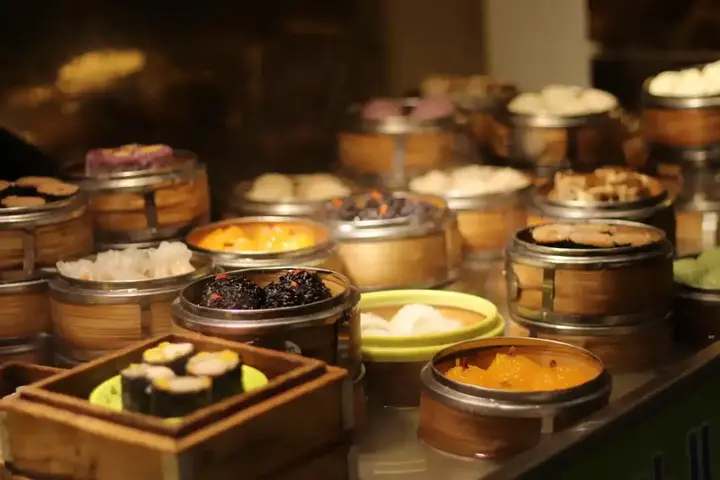
Chinese food is loved in every corner of the world. But if you ask someone outside Asia what "authentic" Chinese food means, they may not be able to answer (not correctly, at least). An American might say it's crispy sweet and sour ham, while someone from the West Indies might mention it as bacon.
Show key points
- Authentic Chinese food varies widely across the globe, shaped by the experiences and adaptations of Chinese immigrants in different countries.
- In the United States, General Tso's chicken is a hallmark of Chinese-American cuisine, though it's virtually unknown in China itself.
- Peru’s iconic Lomo Saltado originated from Chinese immigrants blending stir-fry techniques with local ingredients, creating a unique fusion dish.
- ADVERTISEMENT
- The Australian Chico Roll was inspired by Chinese egg rolls but adapted into a durable, meat-filled snack suited for sports fans.
- Trinidad developed its "Chinese-style chicken" through a fusion of Chinese cooking methods and bold local flavors like Scotch Bonnet pepper.
- Paneer Chizwan reflects India’s Indo-Chinese culinary style by incorporating Indian paneer and spices into traditionally Chinese dishes.
- Japan’s Chuka Ryori consists of Chinese-style meals made by Japanese chefs, often comprising dishes that don’t exist in China at all.
Of course, defining "authentic" food in any context is difficult. To be sure, the dishes listed below may not be part of the list established for Chinese chefs in ancient times, but they are authentic products that have resulted from the experiences of Chinese immigrants, and we – the rest of the world – are grateful for this.
As Chinese immigrants dispersed and shaped their communities around the world, they created a variety of dishes from Chinese cuisine using the ingredients available to them, which were modified to suit local colors. Here are several Chinese dishes you can try on six different continents.
Recommend
1. United States: General Tsu's Chicken
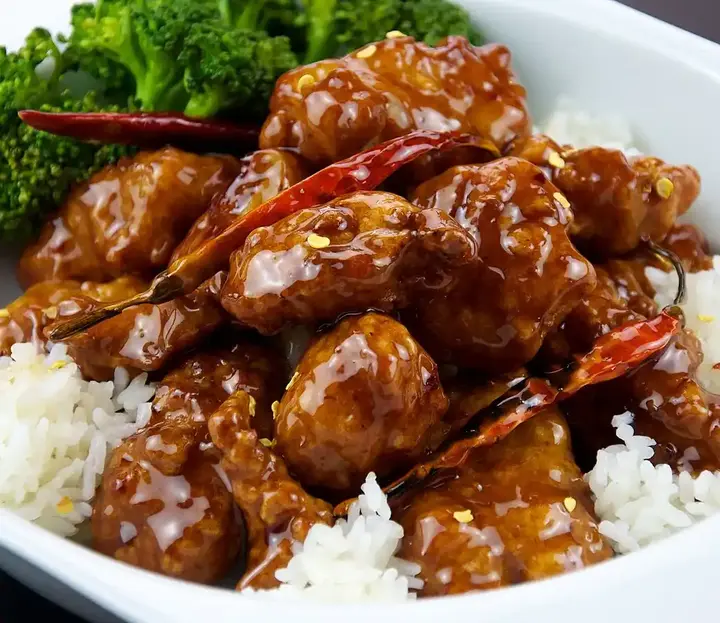
General Tso is one of the classic dishes of the new era of pseudo-Chinese cuisine. Crispy sweet, strong-flavored chicken pieces fried in full dip match the needs of distinctive American dishes, but this dish cannot be found in any form or appearance in China. Where did this dish come from? And who is General Tsu?
The original recipe is usually attributed to Peng Chang-kuei, a banquet chef in the Nationalist Party government who fled to Taiwan during the Chinese Civil War and later opened a restaurant in New York City, where he reportedly created the dish. The name used is a reference to the military commander of the Qing Tzu Zong dynasty, but the reasons for this ratio are unclear. General Tsu's chicken, with its two sister plates of orange chicken and sesame chicken, forms the golden trio of Sino-American fast food.
2. Peru: Lomo Saltado
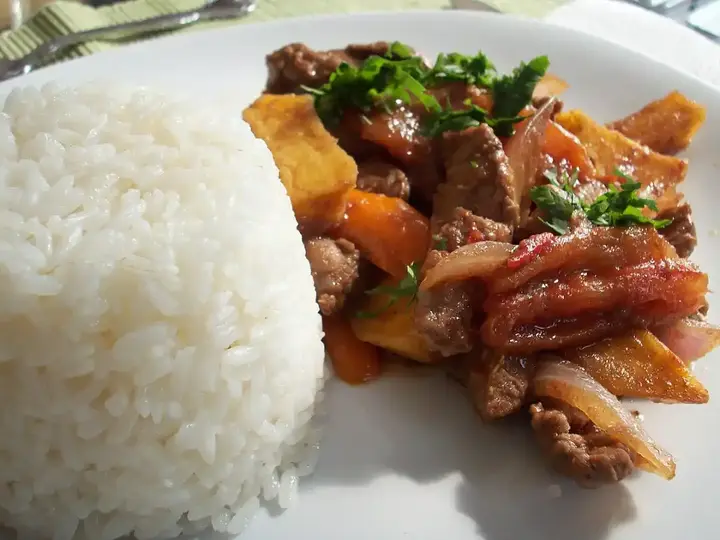
Lomo Saltado is a Peruvian classic dish that has become a staple of the country's diet, but its origins go back to the Chi va cuisine (this word is a literal translation from the Cantonese dialect of "cook/eat"). The tradition of qi fa cuisine originated when immigrants from southern China arrived in Peru in the late nineteenth and early twentieth centuries, where they modified their favorite recipes to suit local ingredients, thus emerging one of the first true kitchens in the process of integration.
Lomo Saltado is a dish that promises to fry with stirring blends in a way that varies from place to place, but generally includes slices of sirloin with tomatoes, onions and pieces of French fries over rice. It's a random combination, but mouth-watering, so it should be on the menu you should eat if you visit Peru.
3. Australia: Chico Roll
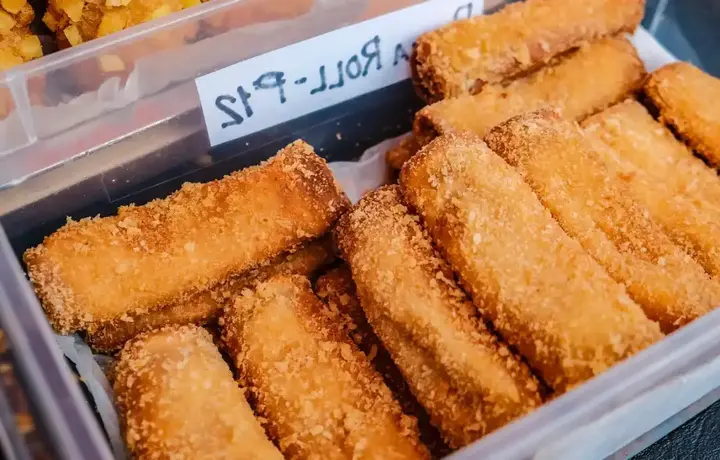
The history of Australian sports snacks changed forever when food vendor Frank McEnroe saw a Chinese cart outside a cricket stadium selling egg rolls. What if he dared to dream of a stronger, more stable alternative capable of withstanding the horror of drunken people that accompanies Australian sporting events?
This is how Chico Roll was born. First marketed at the Wagga Wagga Agricultural Fair in 1951, this meat-based snack was originally marketed as chicken rolls although they are free of chicken meat, and still exists today as a favorite meal among the masses.
4. Netherlands: Tjob Tjoy
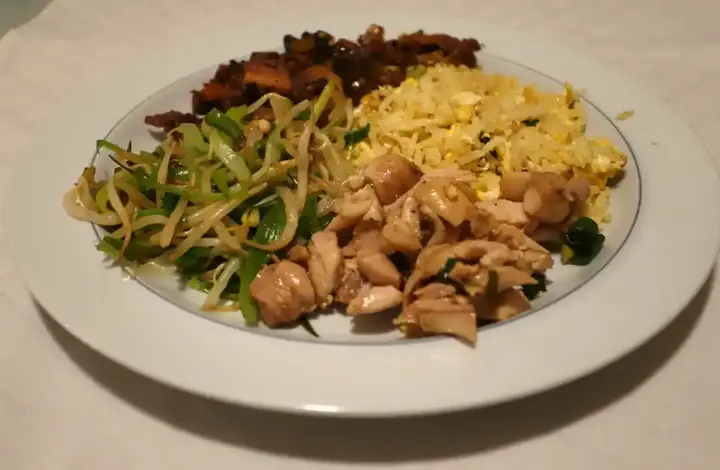
The colonial history of the Netherlands has produced Dutch-Chinese food that is closely associated with Indonesian influences. Soy sauce and satay combine in this multi-country Asian cuisine that is open to everyone, and even the Dutch probably can't tell you where one ends and the other begins.
Thousands of years of elegant culinary standards have been eliminated to make way for extreme dishes in which seafood meets herbal animal meat that satisfy the cravings of Dutch customers. When Chinese food arrived in the United States, it became a "chop sui."
When this food landed in the Netherlands, it became a "tjap tjui", a more tender and vegetable-filled version born of the Dutch soup tradition. This dish combines the demonic powers of Chinese noodles, vegetables, chicken meat and sometimes shrimp – giving us a dish of tajabha – all soaked in satay sauce. Eat enough, and you may also grow to the size of the average Dutchman.
5. Trinidad: "Chinese-style chicken"
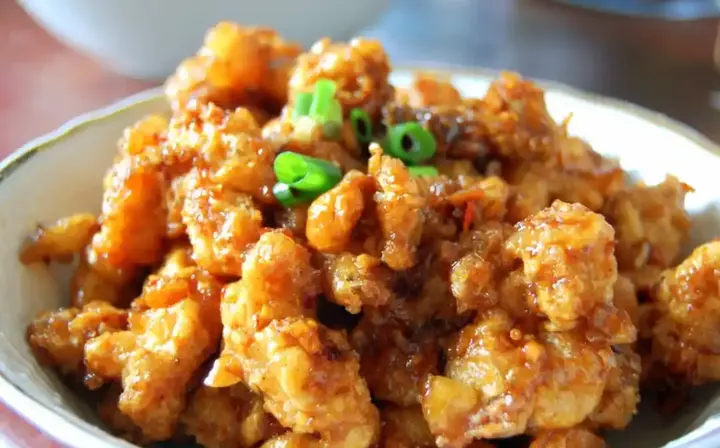
In the nineteenth century, after the British abolished African slavery in Trinidad, hired Chinese servants began to arrive to fill the void in the labor sectors. These servants brought with them their cooking, resulting in an eclectic blend of spices, sauces and flavors that can still be seen in one of Trinidad's most popular dishes, what locals simply call "Chinese-style chicken."
Soak the chicken overnight in dark soy sauce and five spices, then fry by immersing in oil until crispy hot chestnuts. Adding the acidity of ginger and lemon is a must here, and the binational flavors of Chinese oyster sauce and Scotch Bonnet pepper sauce complement the dish.
6. India: Paneer Chizwan
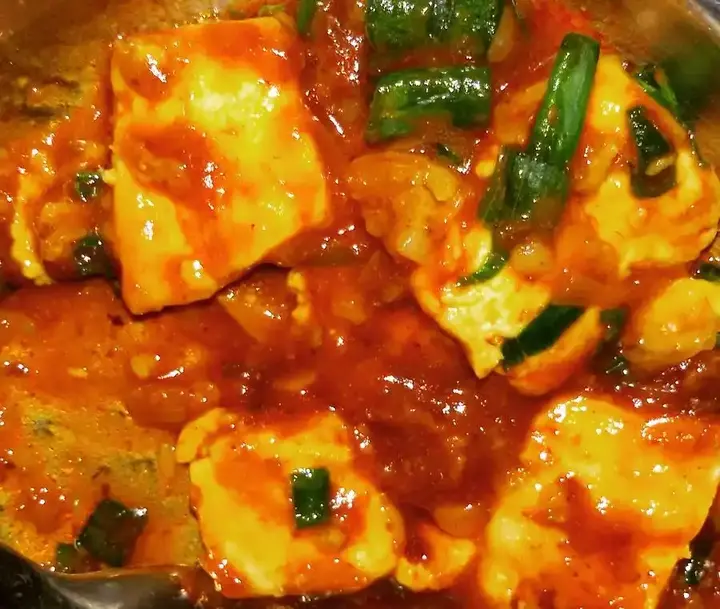
Indo-Chinese cooking has existed for a long time, and originated in the Chinese Hakka communities of Calcutta. This approach adapts selected Chinese cooking and spice techniques to Indian tastes, creating dishes the likes of which Mainland China has never seen before.
The name Paneer Schezwan, a dish that uses soft cheese popular in Indian cuisine, is not a typo. Most Indian cuisines use this spelling instead of the contemporary pinyin system of romanizing Chinese words, Sichuan. Indian dishes with names like Chizwan and Manchuria are weakly compatible with their original counterparts, but the basic idea is there. Most of the time, Indian szezwan dishes use a sauce that contains Indian red peppers and garlic, and sometimes even Sichuan peppercorns.
Since dairy products are uncommon in most cuisines in Chinese provinces, Paneer Shizuan is a perfect example of the new, liberal ideas that can be generated from this kind of intercultural mixing.
7. Japan: Chuka Ryuri
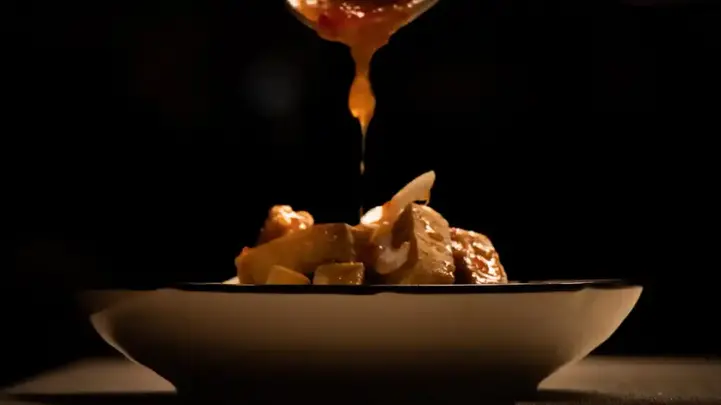
The name Chuka Ryori refers to the common Japanese-Chinese cuisine. As for the restaurants where we encounter him, they are probably small commercial places run by Japanese chefs. These modest shops are scattered throughout the country and can be found on any local restaurant street.
Eating Chinese dinner there may baffle you, and raise the suspicion that the food is not authentic! Tofu Mapo is a relatively modified version of the original spiced tofu with a scorching, narcotic taste. Dishes with ambiguous names such as chuka don (literally "Chinese rice bowl" – fried by stirring over rice), tenshin han (literally "tianjin rice bowl" – an omelet with crab meat on top of rice), and hiyashi chuka (literally "chilled tray" – chilled ramen noodles), all of which do not exist in China, despite the names.
