


Update mania: exploring why computer users can't stop pressing it



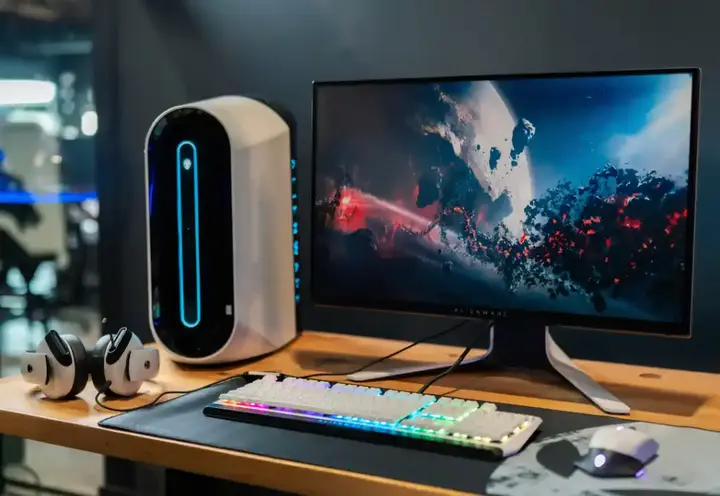
GUIs have been a major name in the OS development game for some time. Apple Macintosh in the eighties deployed graphical user interface (GUI) based systems. By 1993, Microsoft Windows had become the most popular operating system based on the graphical user interface.
Show key points
- Graphical User Interfaces (GUIs) revolutionized user interaction with operating systems, with Apple and Microsoft leading the way in their early adoption and development.
- The refresh or update button in Windows manually updates the File Explorer cache to reflect recent changes like file deletion or addition.
- Most users overuse the refresh function out of habit or misconception, believing it boosts system performance, which is not true.
- ADVERTISEMENT
- Your computer’s cache is a high-speed, small memory integrated into the CPU, responsible for rapidly updating display data.
- Operating systems like Windows and macOS automatically update the cache, making manual refresh rarely necessary.
- The update function doesn't improve speed and places a negligible load on the processor, serving primarily as a visual update tool.
- The popularity of Windows still stems from its user-friendly GUI and consistent user experience across decades.
To this day, Windows remains the most popular operating system, due to its accessibility and user experience.
The update function has been part of Windows, macOS and other popular GUI-based systems since the days of Windows XP and is still strong among modern systems. It's possible that we've all come across people who frequently update the desktop when it turns on or when it's a bit slow.
However, does the update button actually help in any of these situations? If not, what does the refresh button do?
Recommend
To get these questions answered, we have to understand how the user interface works.
What is an interface?
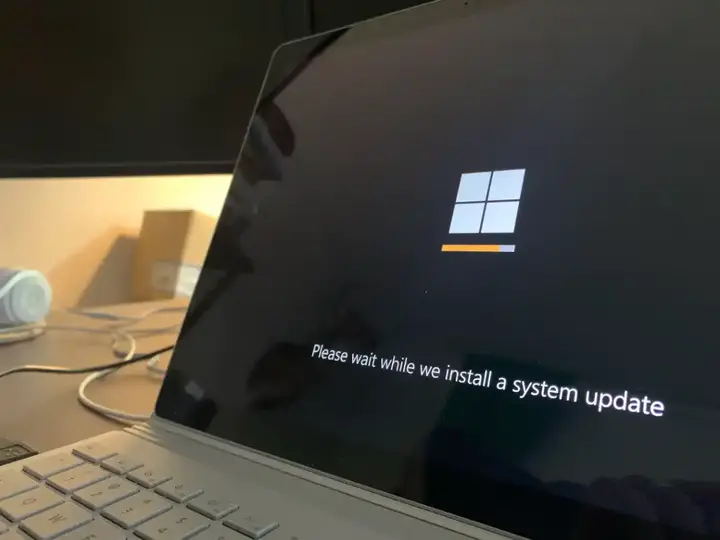
The term interface refers to the place where two systems meet or interact with each other. In computing, this translates to the user interface, where the computer displays content on your screen and enables communication between the system and the user.
MS-DOS was an operating system based on inline commands, which meant that the user had to type specific commands to interact with the system. Although it was practical, the system in which users have to know something specific in order to get to what they are looking for is not what can be described as user-friendly.
However, Microsoft quickly took notes from Macintosh and switched to Window.
What happens behind the scenes of the GUI?
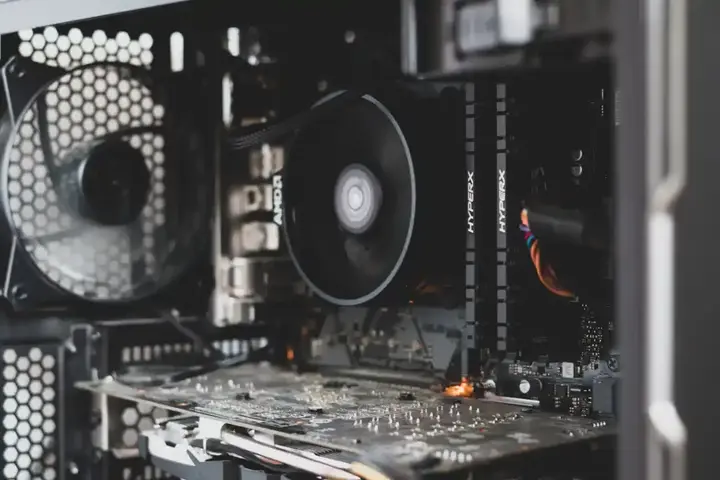
Windows and macOS are operating systems based on the GUI. A GUI-based operating system is a system in which the user interacts with graphic elements, such as buttons and icons. This prevents the user from having to remember specific commands and is more user-friendly. The various files, folders, and items you see on your desktop and in your system menus are all part of the Windows GUI.
A computer has several types of memory, namely:
Read Only Memory or ROM: This memory includes secondary storage devices, such as hard disk drives or HDDs, solid state drives or SSDs, etc. And the files are saved here for long periods of time.
Random Access Memory (RAM): It caches files while they are in use; RAM is much faster and much smaller than ROM, also called main memory.
Cache: It is much smaller and faster than RAM and comes in three types, namely L1, L2 and L3. It stores only a few kilobytes of data at a time for processing.
Now, your computer processes everything on your screen at any time using its cache.
A cache is a chip-based and leech-based volume that is built directly into the CPU's chip. They are much smaller in terms of capacity and much faster than any other form of memory.
Cache caches programs as you use them or frequently used programs, usually 10 to 100 times faster than RAM.
Your computer's cache is automatically updated at very short intervals in order to keep the content on your screen up to date.
Like all computer memory, the cache is sometimes prone to take longer to process tasks. For example, when you delete something from the desktop, it isn't removed immediately.
The "Update" function updates the cache of your computer manually

All the icons you see on your screen are stored as part of the Windows File Explorer cache. When you click Update, the Windows File Explorer cache will be manually updated to show the latest status of the files.
Basically, if you delete a file or install it in a location and the change is not immediately visible, clicking Update should fix this problem. Just right-click on the folder or anywhere on the screen after opening the folder and then click "Update". Your computer should then display the updated status of the respective files.
Clicking "Update" does not affect the performance of your computer in any way
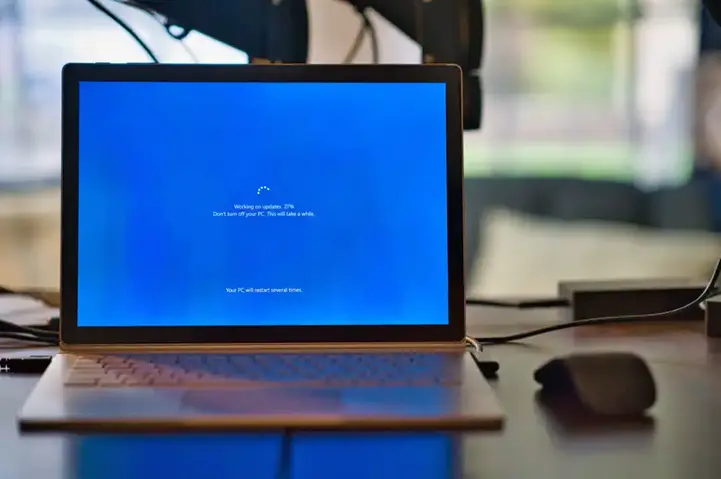
When you click Update, your computer updates only the cache of the updated folder. This, in turn, updates only the information and status of that particular file.
In fact, updating burdens the processor by having it manually update the data related to the cache folder, but this burden is minimal and does not affect the performance of the computer.
However, this conclusion brings us to another important question: if the update does nothing for your computer, why do people do it so often?
Why do people update so often?

Many users believe that clicking the "Refresh" button while your computer is running makes the process faster. It is a fairly common practice.
Moreover, updating when a computer is running a bit slow, or when it seems unresponsive, also stems from similar beliefs.
There is no factual basis behind these practices. In fact, the update is likely to overload the processor, rather than make it faster. It's similar to people when they press the elevator button multiple times, as if it would make the elevator reach their floor faster.
It's just a practice that people pick up when they see others doing it.
The update functionality is almost functional because the computer's cache is updated automatically. It's just a failover security process in the rare cases where the update doesn't happen automatically and instantly. The only reason it is part of Microsoft user functionality is because it adds to accessibility for a Windows user.
