


Physical and chemical sunscreens, which one should you choose?



Sunscreen is not just a cosmetic accessory, UV rays from the sun are a major cause of skin damage, including skin burns, erythema (skin reaction), skin cancer, melanoma, melasma (or sun spots) and other forms of hyperpigmentation.
Show key points
- Sunscreen plays a vital role in preventing various sun-related skin issues, including burns, hyperpigmentation, and multiple types of skin cancer.
- Ancient civilizations like the Greeks and Egyptians used natural ingredients such as olive oil and rice extract to shield their skin from the sun.
- Physical sunscreens work by reflecting and scattering UV rays using mineral particles like zinc oxide or titanium dioxide, which vary in particle size and visibility on the skin.
- ADVERTISEMENT
- Chemical sunscreens absorb UV radiation through reactions within the skin, but they may cause sensitivities and raise safety concerns due to systemic absorption.
- Physical sunscreens are generally better suited for children and people with sensitive skin because they remain on the skin's surface and are considered more stable under sun exposure.
- Choosing the right sunscreen involves testing for skin compatibility and selecting water-resistant, high-SPF formulas when needed based on lifestyle and weather conditions.
- You can identify physical sunscreens by ingredients like zinc oxide or titanium dioxide, whereas chemical sunscreens contain compounds such as oxybenzone or avobenzone.
About 80% of skin cancer cases in people who engage in outdoor activities can be prevented by reducing sun exposure, which can be done in a variety of ways including wearing protective clothing or applying sunscreen.
Below, we'll delve into the history of sunscreen, and the differences between physical and chemical sunscreens, helping you make a decision that's right for your skin type and lifestyle.
1. History of sunscreen
In the days of ancient civilization, skin protection from sun damage was widely adopted. The Greeks used olive oil for this purpose, and the ancient Egyptians used rice, jasmine and lupine extracts, whose products are still used in skin care today.
Recommend
A common type of sunscreen among the nomadic Sama Bajao tribes who travel to the sea in the Philippines, Malaysia and Indonesia is a paste called burak, made from waterweed, rice and spices.
In Madagascar, a paste of ground wood called masongoani was used to protect against the sun, as well as as as as insect repellent, and is ubiquitous in the northwestern coastal areas of the island to this day.
A wide range of sunscreens are available on the market today, from lotions and creams to sprays and patches. Sunscreen products are either physical or chemical, and they meet different desires and application needs, making sunscreen easier to use and more accessible.
2. How does a physical sunscreen work?
The effectiveness of physical sunscreen is the use of metal particles to reflect, scatter and absorb ultraviolet light, and the main differences between the protectors lie in the size of the particle, how it is mixed in the cream or preparation, the amount used, and the refractive presumption (the speed of light passing within the medium) of the material.
When the particle size of physical sunscreens is large, it causes light to scatter and reflect further. This means that physical sunscreens can be more visible on the skin, which may reduce their cosmetic appeal.
The fine particle type of physical sunscreen (which contains small particles smaller than 100 nanometers) can improve the cosmetic appearance of creams on the skin while protecting against UV rays, because molecules in this volumetric range absorb more radiation than they reflect. They are sometimes classified as "invisible".
Most physical sunscreens use zinc oxide or titanium dioxide formulations, and as of 2021, only these two metals have been recognized as safe and effective by the U.S. Food and Drug Administration.
3. How does chemical sunscreen work?

Chemical UV filters work by absorbing high-energy UV rays, as filter molecules react with sunlight and change chemically. Despite the concerns, chemical sunscreens continue to evolve, with new, more efficient products being developed.
Physical sunscreen generally stays on the surface of the skin (the first layer of the skin) to protect it from UV rays. Chemical sunscreen enters the dermis (connective tissue layer) and bloodstream, which can lead to skin sensitivity and an increased risk of toxicity. The safety profile of chemical UV filters depends on whether their small molecular size allows them to penetrate the skin.
Compared to physical protections, chemical sunscreens cause more side reactions in the skin due to chemical changes in their molecules. In 2021, two pre-approved UV filters: semi-aminobenzoic acid (PABA) and trolamine salicylate, were banned due to safety concerns.
In addition, certain chemical filters can be detected on the skin, in the blood, in breast milk, and in urine samples after weeks of single use.
Physical sunscreens may be more suitable for children and people with sensitive skin, due to their stability – that is, how safe and effective the product is when exposed to sunlight.
4. How to choose
The best way to check if you have a reaction to a physical or chemical sunscreen is to test it on a small area of skin.
Depending on the weather and your activities, you may need to choose a waterproof and sweat resistant sunscreen with extensive protection and a higher sun protection factor (SPF).
Zinc oxide sunscreen has anti-inflammatory benefits and is pleasant to use, which is why it finds its way into baby products such as diaper rash creams.
Among the physical and chemical filters, the physical sunscreen is considered safe.
5. Last but not least
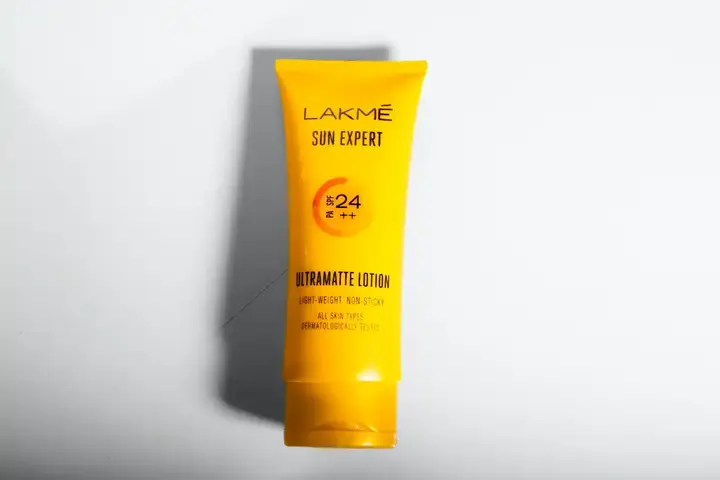
How to distinguish between chemical and physical sunscreen? One sign is to read product leaflets, and if there are terms like mineral sunscreen, or if you see zinc oxide and titanium dioxide as the main components of the leaflet, it is a physical sunscreen. If Afobenzone, Oxybenzone, Octinoxate, Tenosorp, etc. are mentioned, they are chemical sunscreens.
