


How to preserve old photos: 7 ways to keep antique family photos at their best



Do not leave the fate of irreplaceable souvenirs to chance. Follow these guidelines to preserve your photos for many years to come.
Show key points
- Avoid storing photos in attics or basements, as these environments are often too hot or damp, leading to damage like sticking or fading.
- Store photographs in cool, dry, and stable environments away from heat sources such as radiators and vents to prevent deterioration.
- Limit light exposure for original prints to prevent fading, and consider framing high-quality duplicates instead of originals.
- ADVERTISEMENT
- Label photos using a pencil or archival pen on the back margins or better, on separate labels, to avoid smudging or damaging the originals.
- Use acid-free and lignin-free photo albums or boxes made of archival-grade plastics or papers to ensure safe long-term storage.
- Refrain from using paper clips, rubber bands, adhesives, and ballpoint pens as they can cause permanent harm to photographs.
- Digitize your most valuable photos early in the organization process and keep backups stored in multiple secure locations.
Do not do this: store photos in the basement or attic
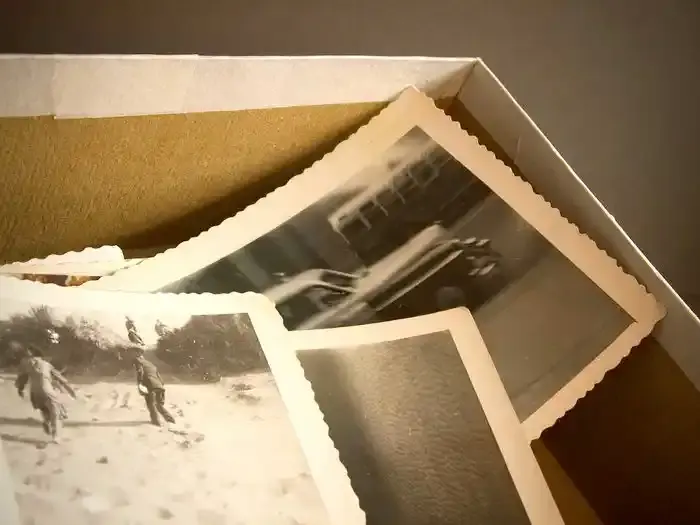
The ideal environment for photographs is a dry, cool and relatively stable space. Your basement is likely to be too damp, which can cause your photos to stick together or rot. Avoid a hot attic, as heat can accelerate the deterioration of paper and ink. Choose an area that is at room temperature or lower, and a safe distance from radiators and air vents, such as in a spare cabinet.
Do it: Protect images from light
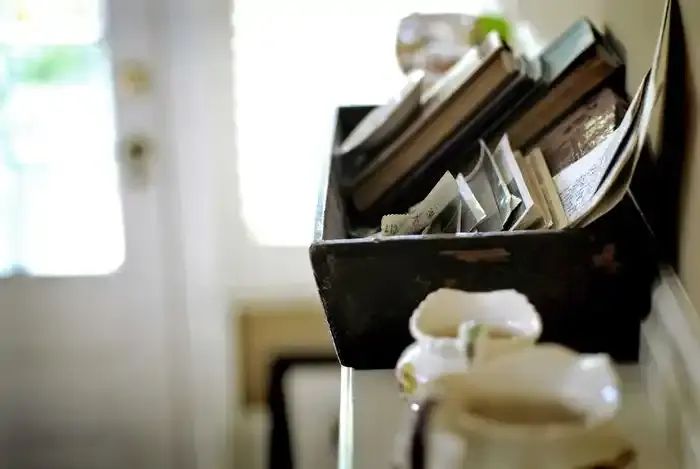
Photographs thrive in dark places. Overexposure to light will eventually cause the images to fade. Keep this in mind when framing precious original prints. The safest option is to view a high-quality version.
Recommend
Do it: write who it is... But not with the pen.
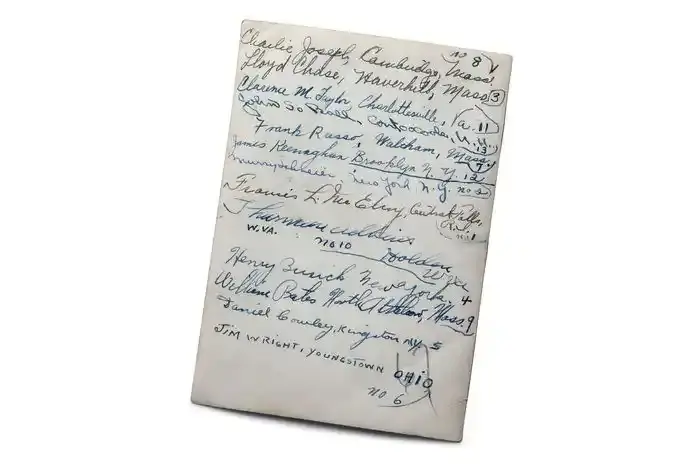
Use a pencil (never use a ballpoint pen) to specify the names, dates, and locations of each image in the margins on the back of the image. To name a newer image with a smooth back, use a felt-tipped archival pen. Better yet, choose a container that allows you to write labels on a page or card instead of writing them directly on the original print. Remember to let the ink dry before stacking your photos, as before it dries, it can cause a smudge or move from one place to another.
Do it: invest in the right packaging

The two safest types of container packaging are photo albums (paper and plastic) and photo boxes. All paper packaging must be free of acids and lignin (polymer related to cellulose). If your storage is damp, choose paper wrap because the photos may stick to a plastic album. (Plastic containers must be made of uncoated polyester film, uncoated cellulose triacetate, polyethylene, and polypropylene. If you choose an image box, make sure the photos are laid flat and the space is not narrow.
Do not do this: use these supplies
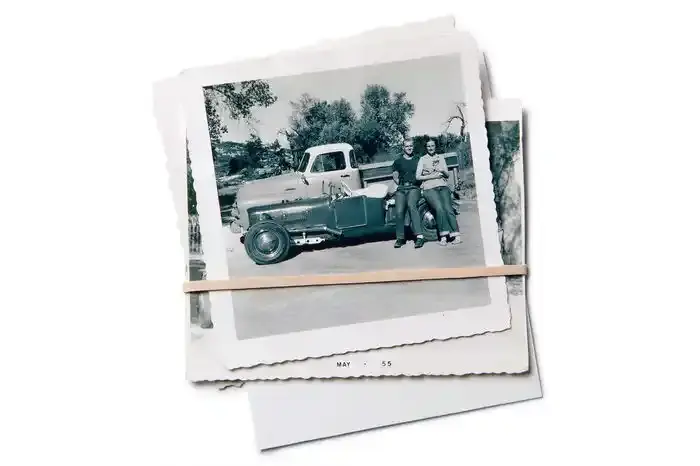
Paper clips, rubber bands, adhesive tape, glue, adhesives, ballpoint pens, and non-archival quality papers (which may contain harmful acids) can damage photos. Using some fasteners may seem like a temporary solution (for example, holding a bunch of wedding photos together with an elastic band), but it's best not to take a chance. If you forget to remove them, it's possible that these images will be folded and marked forever.
Do it: Set up a secure workspace
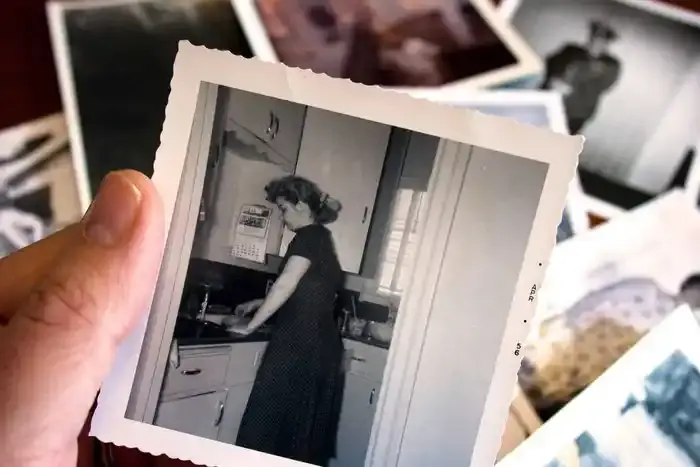
When organizing your group, keep food and drinks away. If you plan to do a lot of hand handling right away, invest in a pair of 100% cotton gloves. This will keep your photos safe from the natural oils on your hands. If you don't have gloves, treat your photos only by the edges.
Do it: digitize your most valuable photos

In the early stages of the organization process, set aside your most important photos (such as weddings, births, head photos, or any other important memories you want to back up), and digitize them. It is possible to scan them yourself, but there are many options for outsourcing professionals for this task. Try ScanMyPhotos, ScanDigital, or ScanCafe, which will take all your photo boxes, create digital files, and return the originals to you in perfect condition. Once you have your files, keep several copies of them in different locations. For example, upload your photos to an online photo service (such as Google's Photobucket or Picasa), a flash drive, and an external hard drive.
