


Provide your body with the right food: Learn about the top 6 healthy vegetables



We all know at this point that it is necessary to incorporate vegetables into our diet. In fact, it is probably one of the most important food groups, as nutritionists around the world stress that we really need to make it the bulk of our diet.
Show key points
- Including vegetables in your diet is essential for overall health, and experts recommend making them the foundation of your daily meals.
- Broccoli is nutrient-dense, offering high levels of vitamin C, vitamin K, and fiber, and may also help reduce cancer risks.
- Brussels sprouts, though often disliked in childhood, boast powerful antioxidants like kaempferol and are packed with vitamins K and C.
- ADVERTISEMENT
- Spinach is a low-calorie leafy green rich in vitamin K, vitamin A, and disease-fighting antioxidants such as lutein and beta-carotene.
- Kale has earned its superfood status due to its exceptional levels of vitamins A, C, and K, and its potential to lower cholesterol and blood pressure.
- Asparagus is both flavorful and beneficial for detoxification due to its glutathione content and high mix of key vitamins and minerals.
- Carrots are excellent for vitamin A intake through beta-carotene, though overconsumption can temporarily tint your skin orange.
However, for many people, there is always a question about what vegetables should be eaten. If you walk down the supermarket's vegetable aisle, it can be very confusing!
To make it easier for all of you, we've compiled a list of 6 of the healthiest vegetables to make your next trip to the supermarket more nutritionally successful.
1. Broccoli
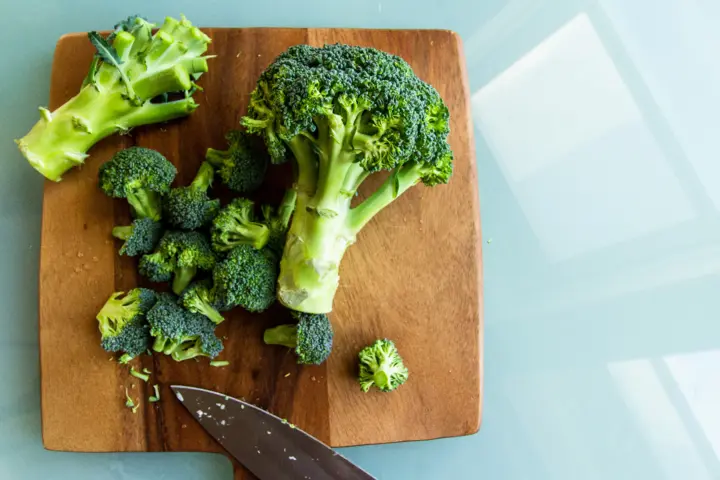
Broccoli belongs to the cruciferous vegetable family and can be found in kitchens from all over the world.
Recommend
The most consumed part of this vegetable is the flower plant, referred to as the head.
And while some get rid of the hoarded stem after separating it from the head, it's actually edible too—and just as nutritious!
One cup (3.2 oz/91 grams) of raw broccoli is packed with plenty of nutrients and contains:
135% of the daily requirement of vitamin C
116% of the daily requirement of vitamin K
10% of daily requirements of fiber, folic acid, manganese and vitamin A
It is also claimed that eating broccoli can help reduce the risk of cancer and reduce oxidants in the body!
2. Brussels sprouts
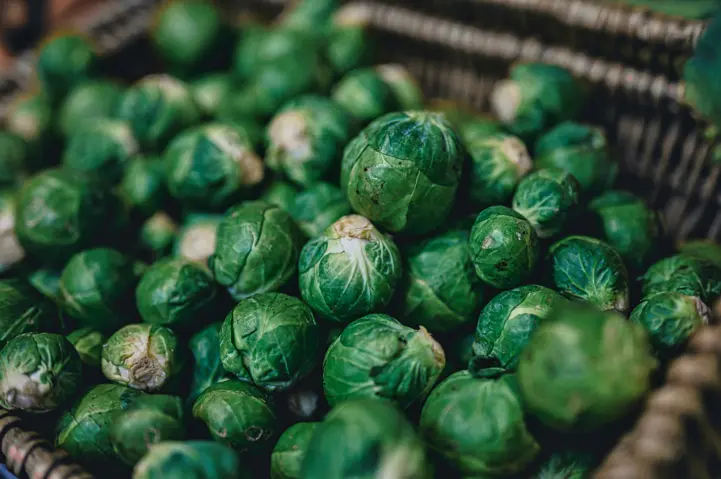
Brussels sprouts are another member of the family of very useful cruciferous vegetables.
However, this type of vegetable occupies a more important place at the dinner table.
Children around the world preach it as perhaps the worst vegetable, however, when they reach adulthood, they marvel at its delicious and nutritious nature!
One cup (3.1 oz/88 grams) of raw Brussels sprouts contains:
195% of the daily requirement of vitamin K
125% of the daily requirement of vitamin C
At least 10% of your daily requirement of vitamin B6, folate, potassium and fiber
Like broccoli, Brussels sprout has many wonderful health benefits. Notably, it contains an antioxidant called kaempferol.
This helps detoxify the body and is also said to help prevent cell damage!
3. Spinach
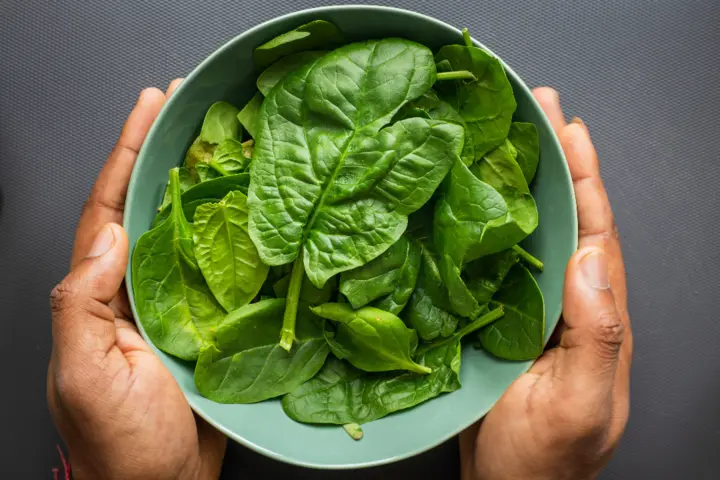
Spinach is part of a broader category of vegetables simply referred to as leafy greens.
Referred to by many as one of the healthiest vegetables you can eat, it definitely won't disappoint you!
Baby spinach is often eaten raw, while adult spinach is cooked with other ingredients most often.
One cup (1.1 oz/30 g) of chopped raw spinach is more than just a delicious salad addition, it contains:
Only 7 calories
56% of the daily requirement of vitamin A
181% of the daily requirement of vitamin K
A healthy variety of manganese, vitamin C and folate in small quantities.
Spinach is also rich in a wide range of antioxidants, which help reduce the risk of chronic diseases.
Two of these antioxidants, lutein and beta-carotene, also have links in reducing cancer risk.
4. Curly cabbage

Another type of leafy vegetable of great popularity is hugh curly cabbage.
Cabbage grew in popularity in early 2010 thanks to healthy food trends, but its reception was very polarized – either people loved it, or they couldn't stand its taste!
It's no surprise that cabbage has risen to such a high profile when you consider its nutritional benefits.
One cup (2.4 oz/67 grams) of chopped raw cabbage contains huge amounts of nutrients, which include:
684% of the daily requirement of vitamin K
206% of the daily requirement of vitamin A
134% of the daily requirement of vitamin C
26% of the daily requirement of manganese
A wide range of other vitamins and minerals in good amounts, such as vitamin B6, riboflavin, copper, potassium and calcium.
Cabbage can be used in different ways, but it is mostly used as a staple in green juices.
In the form of juice, it is said to lower "bad" cholesterol in the blood, blood pressure, and even lower blood sugar levels!
5. Asparagus plant
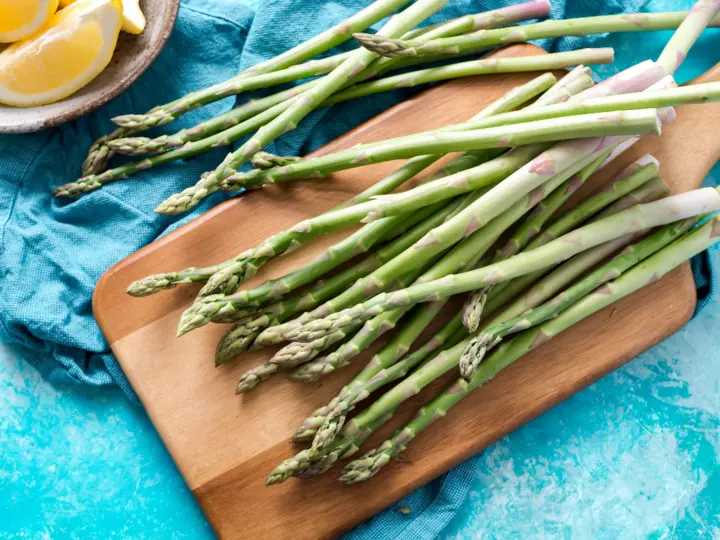
It's green, and it's healthy, but it makes your urine smell funny!
Asparagus has been enjoyed for so long that there is even a recipe for cooking it in one of the oldest surviving cookbooks!
It is generally enjoyed in spring, when young asparagus shoots are cut before they grow too large and resemble wood in texture.
One cup (4.7 oz/134 g) of raw asparagus contains a balanced set of nutrients, which include:
20% of the daily requirement of vitamin A
70% of the daily requirement of vitamin K
17% of the daily requirement of folic acid
16% of the daily iron requirement
13% of the daily requirement for vitamin C, thiamine and copper
A wide range of minerals and other nutrients at good levels such as fiber, vitamin E, riboflavin, phosphorus and manganese.
Asparagus can be enjoyed in many ways, from soups to salads and much more. One of the best ways is to keep it simple.
Sprinkle the asparagus with a little salt, olive oil and a little parmesan, then grill it in the oven for something delicious and healthy!
Asparagus is not only delicious and nutritious, but it is also one of the few sources of the antioxidant glutathione, which helps the liver by binding to toxins and excreting them from the body.
6. Carrots

Carrots are more than just a snack for. Bugs Bunny has long been promoted to improve your night vision, although this isn't entirely true.
This versatile root vegetable has been available for some time, originating in Europe and Southwest Asia.
A single cup (4.5 ounces/128 g) of chopped raw carrots may not give you night vision, but it contains:
428% of the daily requirement of vitamin A.
21% of the daily requirement of vitamin K.
14% of the daily fiber requirement.
A good set of vitamins and minerals in small doses such as vitamin C, vitamin B6, folate, potassium and manganese.
The vitamin A you get from carrots comes from beta-carotene, which your body then converts into vitamin A if it needs it.
Beta-carotene is also what gives carrots their vibrant orange color.
Be careful not to eat too many carrots, otherwise your skin will turn orange!
