


9 fun facts about gladiator unbelievably exciting



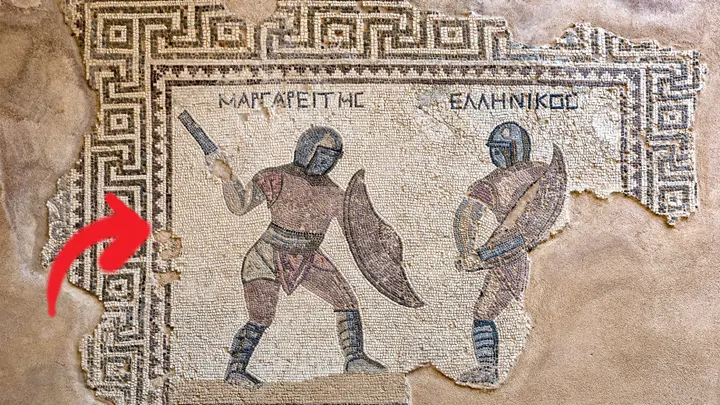
The Roman Empire lasted a very long time, so there are many historical things about it worth talking about. One of the most famous occupations in ancient Rome was that of gladiator: an armed warrior fighting other magidians in the parade arena to entertain a large crowd. Sure, you've heard of the profession, and you probably retain some stereotypes about it in your thoughts – but there are a few things about it that might surprise you! Read on to find out if they were all really men, what weapons they used, and how long their careers could actually have lasted!
Show key points
- Historians are uncertain about the exact origins of gladiator games, though some suggest they began around 264 BC or were influenced by Etruscan traditions.
- Gladiator combat likely evolved from funerary rituals, where slaves fought as sacrificial offerings to honor the dead.
- There were several classes of gladiators, each with unique weapons and fighting styles, such as the thraex, murmillo, and retiarius.
- ADVERTISEMENT
- Gladiators' outfits were more theatrical than protective, designed to impress crowds rather than shield warriors from harm.
- Although rare, women, known as gladiatrices, did participate in gladiator fights, and some gained notable recognition before being banned.
- Children were sometimes trained and used as gladiators, reflecting the harsh realities and low value placed on certain lives in Roman society.
- Despite their elite status, some Roman emperors, including Commodus, took part in gladiator events more as shows of spectacle than real combat.
1. No one knows for sure exactly when this started...
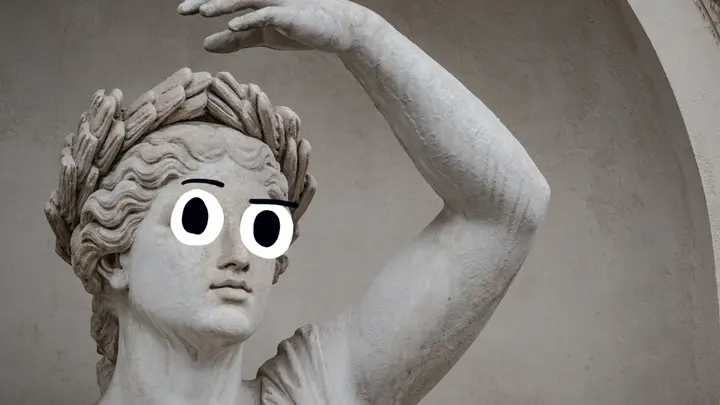
Historians are not actually sure when gladiators became something real! The Roman Empire lasted from 753 BC until 476 AD, about a thousand years, and gladiators did not exist throughout that long period of time. One ancient historian stated that the first games of the Majdalin took place in 264 BC, and other writers from early times believe that these games may have been imported from the Etruscans (an ancient civilization that merged into the Roman Empire).
Recommend
2. ... But it may have originally started within the funerary ritual

Modern historians believe that the battles of the Majdin could have originated in a strange funerary ritual of wealthy Roman nobility. According to this view, a fight between slaves was organized at these funerals as a bloody sacrifice for the deceased person. It was believed that this would help purify their souls for the sake of the afterlife. And then this became commonplace, turning into the arena battles we now imagine. The good thing is that it's no longer the norm right now!
3. There were different types of Majadin
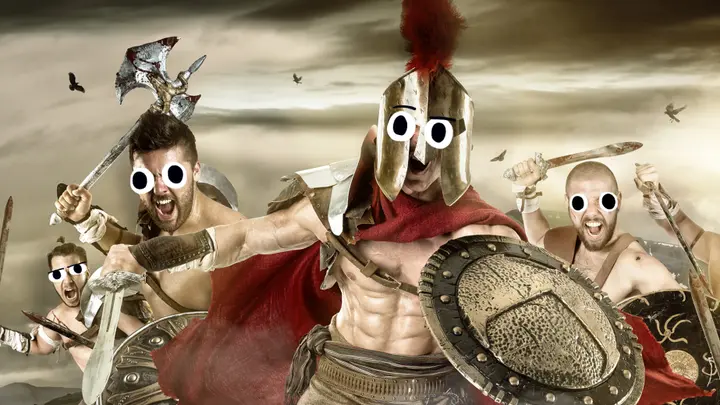
And they all had different names! The most famous of them were the thraeces and murmillones, who fought with a sword and shield. Among other species were the horse-fighting equites, the essedarii who fought from the chariots, the dimachaerus with two swords, and the retiarius with a net and a triangular spear!
4. Their clothes are designed to look impressive
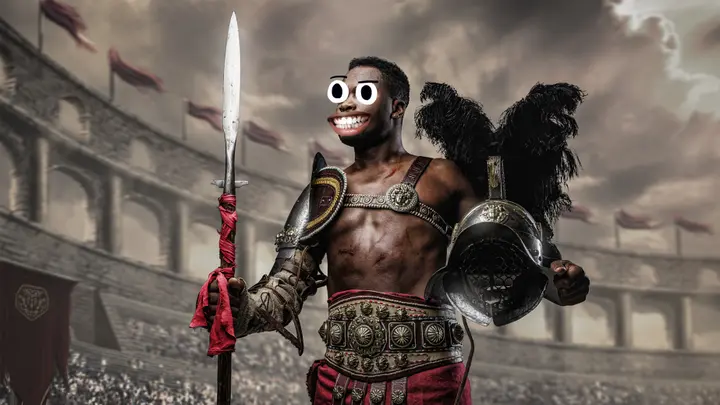
The gladiators wore helmets and carried swords and gears, but their clothes actually did not provide them with much protection from the weapons of their opponents! Its main purpose was to look more impressive than anything else.
5. There were some women hardworking

The presence of women among gladiators (called gladiatrices, singular gladiatrix) was less common than males, but this appears many times in the historical records of gladiator fighting. The presence of female gladiators was often a kind of fad, and was not taken seriously, but some were very good fighters. Emperor Comodos banned female gladiators by 200 AD, because, he believed, they were making the public behave badly.
6. ... And even children too

Do you think physical education is a stressful thing? Then keep in mind that it could be much worse! Gladiators would start training when they were very young, and there are accounts of sending children to fight, but this was not the norm, but usually a kind of fad or innovation. Remember that children in that society could have been slaves, so many people's lives were not considered to be of great value at all.
7. Some of them were also emperors
The gladiators lived in very menial conditions, but this did not prevent the emperor from casually participating in the event! Caligula, Hadrian, and Titus are known to have been some of the emperors who certainly joined the fight of the Magdians – but historians agree that it is very likely that the Magidians treated them lenient and allowed them to win without being injured. Emperor Commodus also liked to slaughter animals on the gladiators' battlefield, but he did so from a safe place on a large platform. Nice thing!!
8. Many of the magals were enslaved

Ancient Rome was a society that allowed slaves, meaning that a person could legally own another person and could use them as an unpaid servant. In most modern societies it is completely unacceptable to do so, and it is completely illegal, but this has been one of the reasons for the success of the Roman Empire for so long. Slaves could have been born in slavery, or they were people captured from communities conquered by the Roman Empire. Slaves with particular physical strength were likely to become hardworking.
9. The "thumb down" sign didn't mean what we think it meant

In Russel Crowe's film "The Gladiator," the belief that the emperor decides whether the gladiator will be killed by pointing his thumb down, is famous. But some historians believe that this is not true, and that raising the thumb was the actual signal of death, while lowering the thumb meant mercy. However, it is likely that these signals have been changed in the film, because the use of these gestures means opposite things to modern audiences.
