


The Little Prince: Literary Work Translated into Most Languages




The story "The Little Prince: Literary Work Translated into Most Languages" is one of the most famous literary stories in the world. This classic work was composed by the famous French writer Antoine de Saint-Exupéry, and has been translated into most languages around the world. The story deals with deep and symbolic themes related to love, friendship, sacrifice and deep reflection. In this article, we will explore the depth and aesthetics of this magnificent work of literature and its impact on different cultures around the world.
Show key points
- "The Little Prince" by Antoine de Saint-Exupéry is one of the most translated literary works in the world, reflecting its global cultural impact.
- The novel stands out for its poetic language and deep symbolism, which add layers of meaning and emotional resonance to a seemingly simple story.
- By using symbols like the rose and the snake, the narrative explores complex themes such as love, mortality, freedom, and human connection.
- ADVERTISEMENT
- The book effectively transforms a child's journey into profound lessons about life, relationships, and the importance of seeing beyond appearances.
- Its universal themes and accessible language help bridge cultural gaps, making it relatable and meaningful to readers from diverse backgrounds.
- The story masterfully preserves the spirit of childhood, blending innocence and wisdom to remind readers of the beauty in simplicity.
- "The Little Prince" has significantly influenced modern literature through its unique narrative style and exploration of philosophical and emotional themes.
The aesthetic of language and the power of symbols in "Little Prince"

The Little Prince is a magnificent literary work characterized by an exceptional linguistic aesthetic and profound symbolic power. This is evident in the charming writing style used by Antoine de Saint-Exupéry to tell the story of the prince and his adventures on his small planet. In addition, the novel carries wonderful symbols and multiple meanings that add additional dimensions to it and arouse reflection in readers.
Recommend
The writing style of "The Little Prince" is distinguished by its aesthetic and magical qualities. Words harmonize harmoniously and capture hearts with their simplicity and depth at the same time. De Saint-Exupéry uses language artistically, blending simple terms with poetic phrases, bringing the text to life and beauty. The style is characterized by a fluidity that pushes the reader to dive deeply into the world of the prince and reflect on the thoughts and feelings he carries.
In addition to the linguistic aesthetic, the "Little Prince" also bore a surprising symbolic power. De Saint-Exupéry uses symbols elaborately to convey many meanings and concepts. For example, a beautiful rose symbolizes love, beauty and freedom, while a snake symbolizes philosophical concepts and more complex issues. The use of symbols adds depth and mystery to the story, sparking reflection and reflection in readers and making it entrench in their memory.
How does the book turn simple stories into vital lessons for humanity?
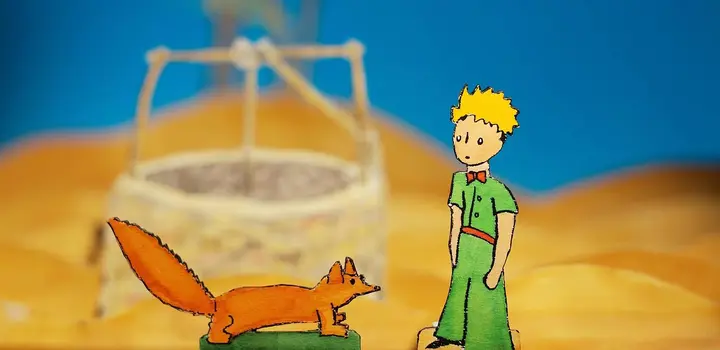
This novel is a seemingly simple narrative story, but it carries with it several valuable meanings and lessons that can be drawn and applied in our daily lives.
Although the story tells the adventures of the little prince on his small planet, it conveys a profound message of love, friendship and sacrifice. Through the journey of the little prince, readers learn how to appreciate and meditate on simple things. The story paints life in its different colors and shows us the importance of giving attention to the small details in our lives.
The novel creates a fictional world where the prince deals with mysterious and interesting characters such as the beautiful rose and the snake that conveys ideas. The novel teaches us that we must look behind external phenomena and understand the true value of people and things.
When we immerse ourselves in reading this moving novel, we realize that simple stories can hold important lessons for life. The novel teaches us how we can change our worldview by understanding basic things and living simply. We also learned that love and care can make other people's lives happier and more hopeful.
How to attract the attention of readers from different cultures?
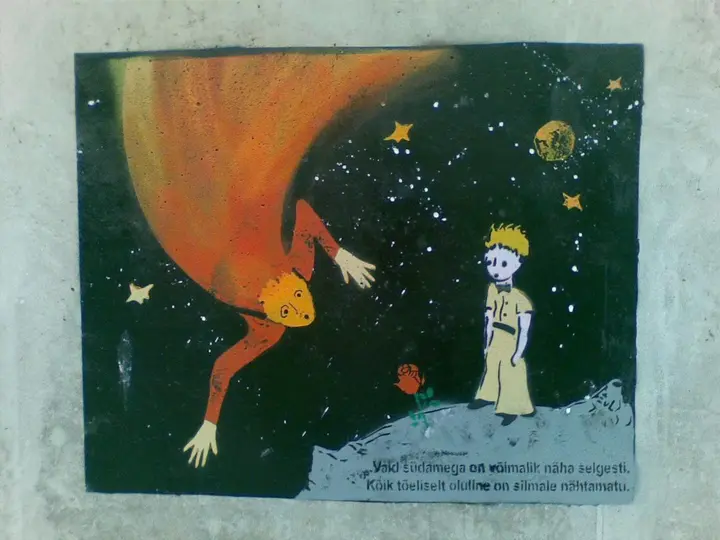
The novel is characterized by its simple story and the deep meanings it carries, making it able to connect with readers regardless of their own culture. The story deals with universal themes such as love, friendship, and sacrifice, which translate with common meanings for people of all cultures.
The appeal of the novel to readers from different cultures depends on its use of simple and clear language, which expresses universal ideas and feelings. It is a story that is not bound by a particular culture or tradition, but rather deals with problems and ideas that any human being of any culture can empathize with and live. The novel presents a tale that captures readers' attention and pushes them to reflect on the world, life and how we deal with it.
Moreover, the little prince himself expresses the innocence and curiosity that children possess in all cultures. This character reflects the fundamental things that different cultures share, such as seeking beauty and meaning in life, learning from simple things and keeping the promises we make to others. Those universal values addressed by the novel make it interactable with readers from all countries and cultures.
Preserving the innocence and spirit of childhood in the "Little Prince"
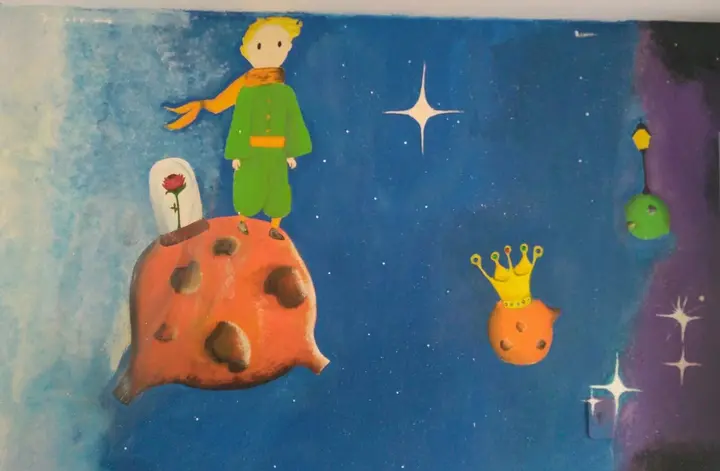
The Little Prince" is not just a children's story, but a literary work that retains the spirit of innocence and childhood on every page. This novel is a precious gift to the world, as it invites us to return to the days when we navigated the world with innocent eyes and spirits full of wonder and magic. In this novel, innocence and wisdom remain in perfect balance, with a moving narrative and an emotionally imbued style.
The novel captures innocence through the main character, the little prince, who deals with the world with pure eyes and a sincere heart. He sees things differently from adults, discovering beauty in simple things and wondering about the secrets of life.
However, this innocence does not mean that the "little prince" is devoid of wisdom and mature mentality. On the contrary, the novel shows that children possess a unique vision and unlimited wisdom, and that it is necessary to respect and appreciate that amazing childish spirit.
"The Little Prince" restores the lost childhood spirit in adults and reminds us of the simple things we may lose sight of in our complex daily lives. It reminds us that happiness does not lie in material things and glory, but in true friendship, love for others, and the joy of living in the present moment.
"The Little Prince" is a novel that invites us to enjoy the joy of childhood and retain the spirit of innocence in our hearts, even amid the fast and evolving rhythm of life. It is also a beautiful reminder that the most valuable things in life are the simple and free ones, and that the world is full of beauty and magic if we stop to see it.
How did "The Little Prince" influence world modern literary works?
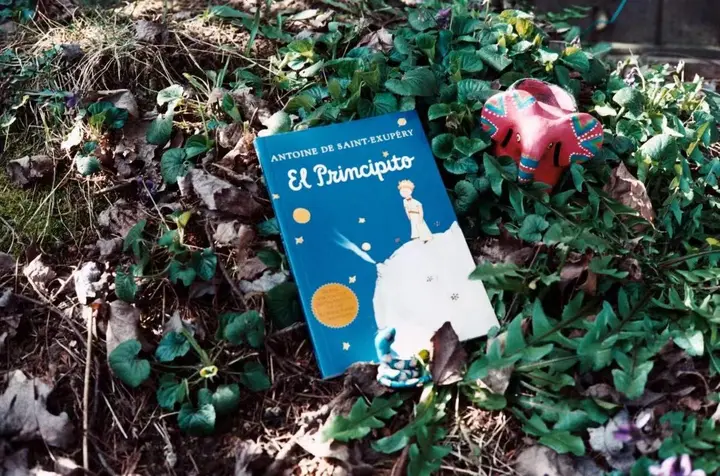
The Little Prince" has left a great influence on modern literary works worldwide, as the novel has inspired many writers and novelists and left its mark on the style and themes of many contemporary literary works. Its influence has been evident in several aspects of modern literature, influencing narrative style, symbolism, and themes, as well as on young writers.
Readers find in "The Little Prince" a unique vision of life, death, love and friendship, which has greatly influenced modern literary works. For example, the novel explores themes of philosophical and spiritual research, forms of love and loss, nostalgia for childhood and innocence. These profound themes and philosophical aspects addressed by The Little Prince have influenced modern literary works, and made them develop and grow in their handling of these complex issues.
In addition, The Little Prince influenced modern literature through its unique narrative style. The famous writer Saint-Exupéry used simple and beautiful language that surprisingly conveyed events and feelings. This simplicity and aesthetic of narration has influenced the way modern novels are written, as writers seek to achieve a similar effect through the use of a simplified and powerful narrative style.

In the end, "The Little Prince" is a literary masterpiece that deserves to be celebrated and appreciated. It is a novel that charmsfully paints simplicity and draws us into an amazing world of imagination and empathy. Translating it into most languages highlights the power and appeal of this timeless work, and emphasizes its ability to reach hearts and minds around the world. It's a novel that doesn't lose sight of readers, but continues to inspire and influence them for years to come.
