


The evolution of the Internet: from dial-up to high-speed calling




When we talk about the evolution of the Internet, we remember a long journey of innovations and technologies that humanity has undertaken to develop this global network. From initial telephony to current high-speed connectivity, the internet has undergone a stunning shift in performance, speed, and access to information. In this article, we will explore the evolution of the Internet and the innovations that have contributed to this remarkable transformation in the world of communications.
Show key points
- The evolution of the Internet began with simple dial-up telephony and has transformed drastically into a global network with high-speed connectivity.
- The invention of the Internet in 1969 marked a historic turning point, enabling efficient data communication through developed protocols and infrastructure.
- High-speed technologies like fiber optics, 5G, and MIMO have significantly enhanced internet performance, making connectivity faster and more stable.
- ADVERTISEMENT
- Technological advancements have revolutionized daily life and e-commerce by enabling seamless communication, online services, and efficient digital transactions.
- Future innovations such as virtual and augmented reality, blockchain, and AI are expected to further reshape the internet experience and improve personalization and security.
- Smart grid technologies and interactive networks will play a crucial role in creating adaptable and intelligent internet systems based on user needs.
- While the future of the Internet promises exciting breakthroughs, global connectivity and speed accessibility remain key challenges to overcome.
1. From telephony to the invention of the Internet: humble beginnings
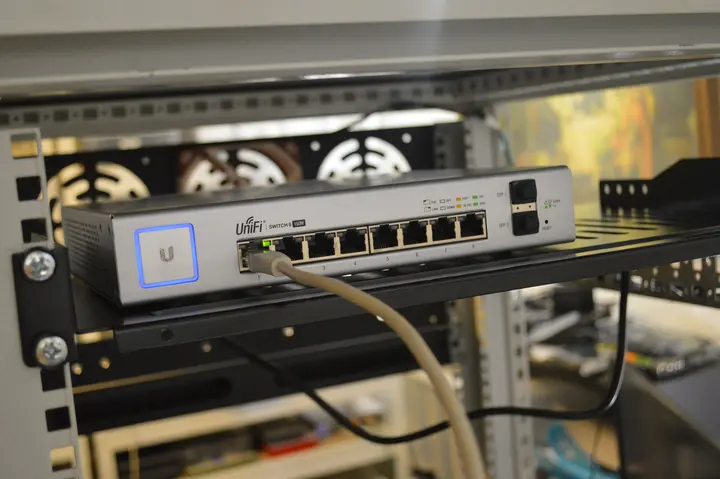
The humble beginnings of the Internet date back to the days of dial-up, when communications were made via traditional copper wires. These connections have been slow and limited in data transfer, which has sparked an urgent need for new innovations.
Recommend
In order to achieve the development of the Internet, many scientists and engineers have conducted experiments and tests to improve this connection. Copper wires have been replaced by optical fibers that allow data transmission at a higher speed and with better stability. Significant technical challenges have been addressed to ensure that data is transmitted efficiently and securely.
In 1969, the transition to a real turning point in the history of communications was made with the invention of the Internet. This invention may be considered a real masterpiece in the world of innovation, as communication protocols and the Internet have been developed to allow the connection of devices and the exchange of information over a specific infrastructure.
Hence, the humble beginnings of the Internet began. No one could imagine how much success this global network would achieve in the future. Communications have shifted from a traditional phone to a multi-purpose network that allows individuals to browse the web, e-commerce, socialize, and access huge sources of information.
It is an inspiring journey from simplicity to revolutionary technological development. With every advancement of technology, our connection to the world of information technology is strengthened and the digital revolution is achieved. Over time, developments will continue to enrich our lives and shape a more creative future for the online world.
2. The high-speed communication boom: the paradigm shift in the online world

Since the inception of the Internet, connection speed has been one of the main factors affecting the user's experience and ability to access information and perform tasks over the World Wide Web. Slow and limited capacity telephony was the technological reality at first, but over time technologies began to develop at a breakneck speed.
Early on, high-speed communication technologies were developed to enhance the performance of telephony. These technologies have contributed to increasing the speed of data transfer and providing faster and more efficient communication services to users. But this was not the absolute limit for improvements in high-speed communications.
With the development of Internet technology and the advent of high-end smartphones, tablets and computers, the need for high-speed connectivity is becoming more needed and important. Telecom companies and ISPs are looking for new ways to improve connection speed and provide a more stable and efficient connection to users.
Thus, as we enter the twenty-first century, the world has witnessed a real boom in high-speed communication. Communication methods are moving from fixed telephone lines to wireless and fiber optic technologies that provide blazing speeds. This tremendous technological advancement has brought about a paradigm shift in the world of the Internet, where users can download files at breakneck speeds and watch HD videos without stopping or delaying.
The impact of this paradigm shift in the online world has been significant. It has allowed users to have a better and more streamlined experience to browse and perform tasks online. Individuals can access information quickly and easily share content on social media and digital platforms.
As the speed of high-speed connectivity improves, cloud services, online storage, and online gaming are becoming more realistic and fun. In addition, the implementation of complex computing operations over the Internet has been accelerated, contributing to the delivery of services such as distance learning and online training.
As can be clearly said, the high-speed communication boom was a paradigm shift in the world of the Internet. This shift has affected the methods of communication, e-commerce and even our daily lives. In the future, improvements and innovations are expected to continue to improve communication speed and bring about other transformations in the online world.
3. Technological innovations that stimulate the performance of the Internet

In a world of accelerating technological progress, researchers and engineers are constantly striving to develop the Internet and improve its performance. However, the technological innovations that have been created to achieve this make us live in a sci-fi age that fulfills our dream of fast and powerful online connectivity. Here you will find some amazing innovations that contribute to improving the performance of the Internet and making it faster and more effective.
1) Fiber optic technology: tale of light
Fiber optic technology is one of the most important game-changing innovations in the world of communications. Compared to traditional copper wires, fiber optics use light beams to transmit data at breakneck speeds and with high efficiency. This technology enhances the speed and quality of communication and allows the transfer of huge amounts of data in a short time. Fiber optics are a fundamental pillar of today's high-speed internet.
2) 5G technology: an unparalleled connectivity experience
Among the most exciting technological innovations in the world of communications comes fifth-generation technology. This technology is the fifth generation of wireless communications and provides blazing speeds up to 100 times faster than existing networks. With its ability to transmit data at a high speed and deliver high-quality connections, fifth-generation technology is the real catalyst for the development of the Internet. Thanks to it, we will have an unparalleled communication experience with instant response and fast content loading.
3) MIMO technology: double performance
MIMO (wireless communications) technology is one of the technological innovations that contribute to increasing the efficiency of online communications. The principle of this technique is based on the use of several antennas to send and receive data at the same time, which leads to an increase in the speed of the connection and improve its stability. Thanks to MIMO technology, devices can achieve superior performance and increase their ability to handle large network traffic.
4) Smart grid technology: harmonious interaction
Smart grid technology is a set of integrated technologies that aim to make Internet networks smarter and more interactive with the surrounding environment. This technology allows traffic to be intelligently routed and configurations to be automatically adjusted based on data analysis and forecasts. Smart grids are characterized by the ability to individually adapt to the needs of users and provide a distinct and high-quality communication experience.
With these remarkable technological innovations, great internet performance seems imminent. As technology continues to advance and innovation continues, we look forward to further improvements in performance, speed and access to online information. Imagination becomes reality, and the future is still full of amazing innovations in the world of communication.
4. The impact of high-speed communication on daily life and e-commerce

When we talk about the development of the Internet and high-speed communication technologies, we cannot but feel excited and excited about the positive effects that accompany this progress. The daily lives of people and businesses have undergone a major transformation thanks to the high speed of connectivity and the wide availability of the Internet.
First, in our daily lives, high-speed internet has become an integral part of our daily routine. We rely on speed dial to carry out our daily tasks such as sending email, watching videos, and accessing necessary information. Thanks to high-speed connectivity, these tasks run smoothly and without lag, making it easy for us to complete them efficiently and in a short time.
Second, we cannot overlook the significant impact of high-speed connectivity on e-commerce. In the days of slow connectivity, Internet commerce faced significant challenges in terms of endurance and time taken to load pages and complete purchases. With the arrival of high-speed connectivity, e-commerce has evolved into a thriving and pioneering industry in our modern era. Now consumers can browse and buy products with ease and speed, and interact with commercial content at breakneck speed. On the other hand, companies can expand their business, provide better customer service, and reach new online markets.
By providing high-speed connectivity, the Internet has enabled revolutionary changes in everyday life and e-commerce. Speed connectivity helps increase our efficiency and productivity, and provides us with new opportunities to connect and trade online. As technology continues to evolve, we can look forward to future improvements that will enhance our online experience and make greater progress in all aspects of our lives.
5. Future challenges and the future of the Internet: What innovations are coming?

In a rapidly evolving world, the Internet faces extraordinary challenges and a future full of incredible opportunities and innovations. Improving connectivity speed and universal internet availability for all are some of the challenges he faces in the future. But what upcoming innovations might enhance the Internet and achieve that vision?
1) 5G technology: High-speed communications and the spread of 5G networks are the main challenge facing the Internet in the future. Fifth-generation technology is key to providing faster speeds, stable connectivity, and an improved user experience. By leveraging this new technology, wireless networks may be able to deliver ultra-small speed and unprecedented interactive experiences.
2) Virtual Reality and Augmented Reality: Virtual reality and augmented reality have been witnessing tremendous development in recent years, and may have a significant impact on the future of the Internet. By integrating augmented reality and virtual reality technologies into online experiences, interaction between user and content can be improved and exciting and meaningful experiences can be provided in a new way. This can include the use of augmented reality in online stores and e-commerce, and providing realistic user experiences in the medical, educational and other fields.
3) Blockchain technology: Blockchain technology can contribute to achieving a greater balance in the online world in terms of security and autonomy. Blockchain is a decentralized system for recording and verifying information, and may contribute to solving security and credibility problems that a network may face.
4) Artificial intelligence and machine learning: Artificial intelligence and machine learning may play a pivotal role in the future internet experience. By analyzing huge amounts of data and providing intelligent algorithms, AI can improve the user experience and provide personalized content and services tailored to each individual's needs.
The Internet faces future challenges full of possibilities and fun innovations. From fifth-generation technology to virtual reality, blockchain, and artificial intelligence, there are a lot of amazing improvements that may change the way we use the internet in the future. We are on the verge of a new and exciting transformation in this digital world, and we are eagerly awaiting the amazing innovations that will shape the future of the Internet.

As technology continues to advance, we expect the Internet to continue to evolve in the future. New technologies and innovations will emerge aimed at increasing connection speed and providing better performance to users. The Internet may have another world of future innovations and experiences that we have not yet imagined. Whether we use the Internet for work, entertainment or communication with others, the development of the Internet has radically changed the world and become a vital tool in our daily lives.
