


Galapagos Islands: exploring an ecological paradise in nature



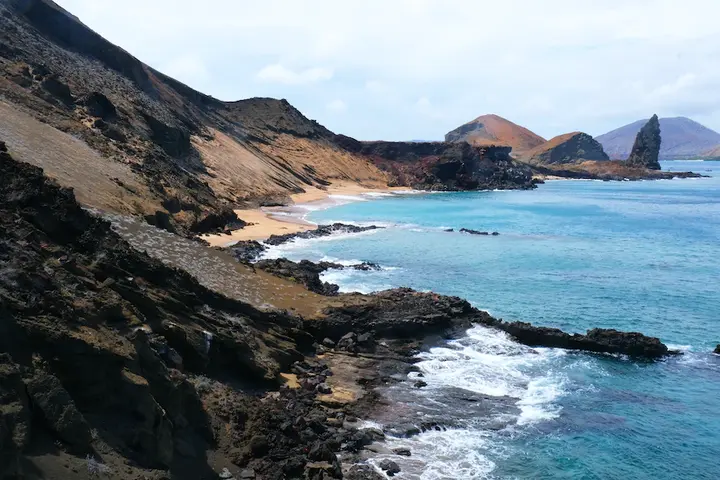
The Galapagos Islands are one of the world's most fascinating tourist destinations, offering a unique and amazing experience of discovery in the natural world. On these islands there are a variety of animals and plants that cannot be found anywhere else on earth. Learn about this ecological paradise through this article that will review its natural beauty and amazing biodiversity.
Show key points
- Formed millions of years ago through intense volcanic activity, the Galapagos Islands emerged from the Pacific Ocean as a unique natural wonder.
- Their geographic isolation has allowed plants and animals on the islands to evolve independently, resulting in incredibly diverse and endemic species.
- Home to fascinating wildlife such as giant tortoises, Galapagos penguins, and Darwin’s finches, the islands serve as a living laboratory for evolution.
- ADVERTISEMENT
- The rich biodiversity of the Galapagos is supported by varying climates, terrains, and ocean currents, creating ideal conditions for a range of ecosystems.
- Visitors can explore a wide array of rare and unique plants, including the towering Silver Iconia and the ancient Sabina, found only on these islands.
- A network of strict nature reserves and conservation programs protects endangered species and ensures the preservation of this ecological treasure.
- Offering unforgettable adventures and insights into ecological beauty, the Galapagos Islands invite travelers to witness nature’s creativity and resilience firsthand.
1. History of the Galapagos Islands: How did these ecoislands form and evolve?
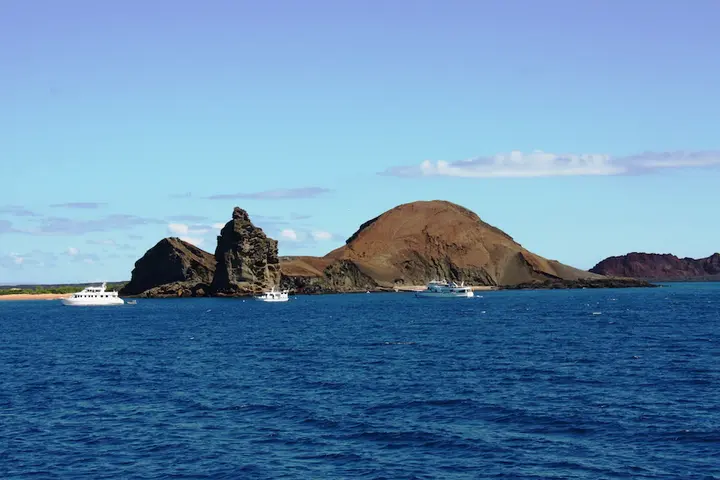
In our world full of natural beauty, the Galapagos Islands stand out as a unique and unparalleled tourist destination. But have you ever wondered about the history of these magnificent islands and how they were formed and developed through the ages? Let us take you on a tour through time to review the ecological history and development of the Galapagos Islands.
Recommend
The story of the Galapagos Islands began millions of years ago when these volcanic islands first arose beneath the surface of the Pacific Ocean. Through continuous volcanic activity, the primary islands that today make up the Galapagos group were formed. Precisely in the Cretaceous period, during primitive times, volcanoes continuously formed new land, and volcanic movements contributed to the formation of amazing mountain ranges and unique terrain.
Over time, the Galapagos Islands broke away from the American continent and were strengthened by their own ecosystem. This geological separation, which occurred about 5 million years ago, began to shape the unique diversity of animals and plants we see today. The flora and fauna species on these islands have evolved separately from the rest of the world, creating an exceptional system of biodiversity.
Indeed, there are no other places in the world with a similar variety of amazing fauna and flora such as the Galapagos Islands. Even due to their uniqueness and geographical dissipation, these islands were considered his temples as the wild environment. A variety of wildlife live there, including giant turtles, penguins, seahorses, sea fatwas and many rare bird species.
The history of the Galapagos Islands is an epic story of biological evolution and natural force. They bear witness to the changing times and how the environment affects biodiversity. Clearly, these picturesque islands are one of the greatest environmental miracles of our modern world.
2. Biodiversity in the Galapagos Islands: What makes them home to the largest variety of life on Earth?
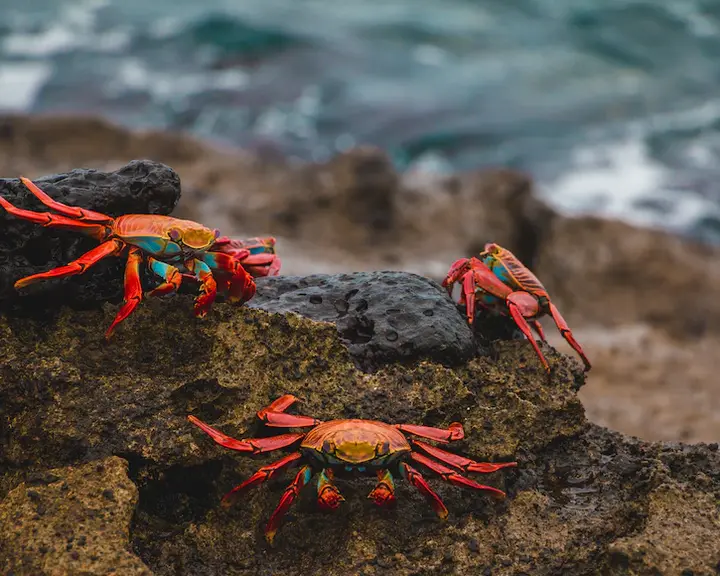
First, let's explore the secret behind the wonderful diversity of life in the Galapagos Islands, where there is the largest variety of organisms on Earth. It is one of the last biological basements in the world, with life there incredibly diverse. These islands are home to more than 200 species of birds, about 20 species of reptiles, more than 30 species of mammals, and about 1,500 species of plants. What is the secret behind this enormous biodiversity?
The Galapagos Islands are located in the Pacific Ocean and consist of 18 islands, part of which are nature reserves. It is believed that this strategic location and geological factors were the driving factors for the formation of this unique ecosystem. Isolated from land for thousands of years and the availability of unique resources, the Galapagos Islands are a true laboratory of biological evolution.
The islands were influenced by amazing natural forces, such as volcanoes, earthquakes and sea currents, and this contributed to the formation of the environment and the formation of diverse landscapes. Thanks to these natural factors, the islands have diverse terrain ranging from sandy beaches to mountains, dry lands and rainforests. This diverse terrain offers a variety of different environments that suit many different organisms.
But that's not all, the biodiversity of the Galapagos Islands is also linked to the unique evolution and adaptability of organisms. The history of these islands testifies to a series of evolutionary events that led to the formation of different and diverse offspring. Throughout the ages, organisms have coexisted in a secluded environment and adapted to extreme conditions, resulting in the formation of unique and multiple species on islands.
The abundant availability of food and diverse natural resources is also due to the diversity of life in the Galapagos Islands. There are different dietary ways in which organisms can adapt and thrive. The islands are natural pastures that feed wildlife and provide rich resources of plants and insects for birds and reptiles.
When you decide to visit the Galapagos Islands, you are preparing to immerse yourself in an enchanting world of life and biodiversity. You'll discover the amazing organisms that inhabit this unique ecosystem, and watch evolution and adaptation pulsate in every corner of the islands.
3. Animals of the Galapagos Islands: Unique stories of evolution and adaptation in the world of wild animals.
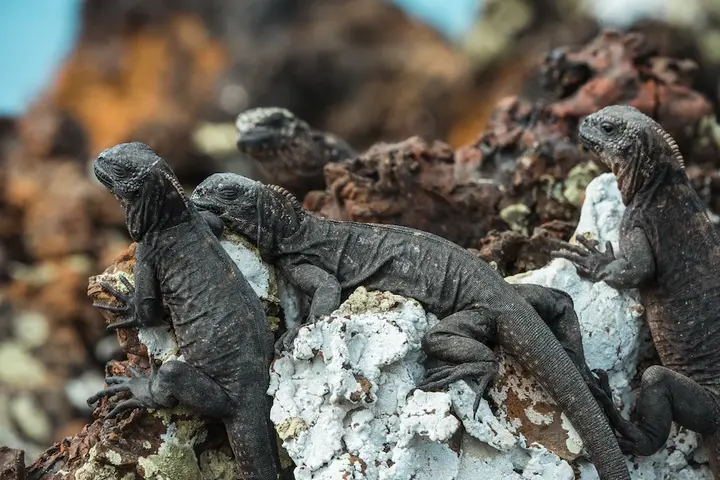
In the Galapagos Islands, you find yourself in an amazing kingdom ruled by wild animals. These remote islands in the central Pacific Ocean are renowned for their unique biodiversity, and are home to a dizzying array of organisms that do not live anywhere else on Earth. Here, unique stories of evolution and adaptation in the world of wild animals open up.
One of the amazing stories in the Galapagos Islands is the tale of the famous bird "Darwin". The Darwin bird is one of the most prominent known living states of evolution, as its beak and size have changed over time to adapt to changing food sources on the islands. These wonderful adaptations make it an amazing tale about the power of evolution and its influence on different species.
Among other unique creatures in the Galapagos Islands, giant turtles are among the largest turtle species in the world. These turtles offer another story of adaptation and survival, evolving over time to withstand the harsh conditions of islands and survive for decades. Seeing these turtles roam freely in nature is an unforgettable experience.
We cannot forget the Galapagosian penguin, which is a symbol of these islands. These penguins tolerate harsh conditions and live in the cold waters of the Pacific Ocean, giving them a unique and impressive appearance. Seeing these penguins prepare to dive into deep water is an astonishing experience.
The Galapagos Islands also have opportunities to come into contact with other animals such as black sailors, dolphins and colorful fish. Exploring this amazing animal world gives you a chance to get to know nature's unforgettable faces.
In the end, the Galapagos Islands are not just a tourist destination, but an amazing story about evolution and adaptation in the world of wildlife. If you want to explore and learn about these unique stories, visiting the Galapagos Islands is an experience you can't miss. Get ready to see the wonders of wildlife and discover hidden details about the power of evolution and adaptation on this beautiful planet.
4. Rare plants of the Galapagos Islands: Discover the unique diversity of the world of plants and trees.
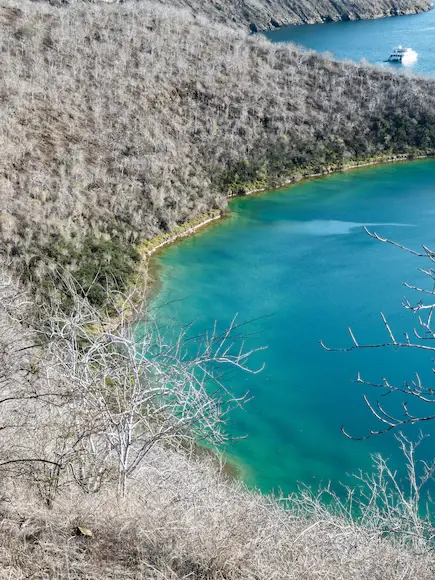
You may not have the opportunity to see these rare plants anywhere other than the Galapagos Islands. These tropical islands boast a huge diversity of plants and trees that attract nature lovers and botanists from all over the world. You will plunge into a magical world of colors, pleasant aromas and exotic shapes of these rare plants.
Among the famous plants in the Galapagos Islands, you find the famous Silver Iconia tree, which is considered one of the largest trees in the world. Their huge height and thick trunks create a majestic and spectacular look. In addition, there is also the magnificent Sabina plant, which is a soil base plant with dense and pointed leaves. It is said to live for more than a thousand years.
We cannot ignore the famous plant in the Galapagos Islands, the black seed, a plant that grows only on these islands. Black seed is a unique species of marine algae and is an important source of food and energy for marine life in the region. Thanks to its nutritional and healing properties, black seed has become popular in the world of alternative medicine.
The Galapagos Islands are also characterized by the presence of many rare plants that are only found in specific nature reserves. Here we can find a plant such as Pittia brezeensis, which is an endemic flower species that only blooms a few days a year. Also, we can see the Pleishta plant, which lives only in high mountains and is distinguished by its large flowers and colored in different colors.
Explore the world of rare flora at the Galapagos Islands, and admire the splendor and diversity of this hidden world in the heart of the Pacific Ocean. You may be amazed and amazed by the greatness of nature and its ability to create new shapes, colors and scents that make this ecological paradise a place worth exploring and respecting.
5. Galapagos Islands and nature reserves: how is this ecological treasure preserved from extinction?
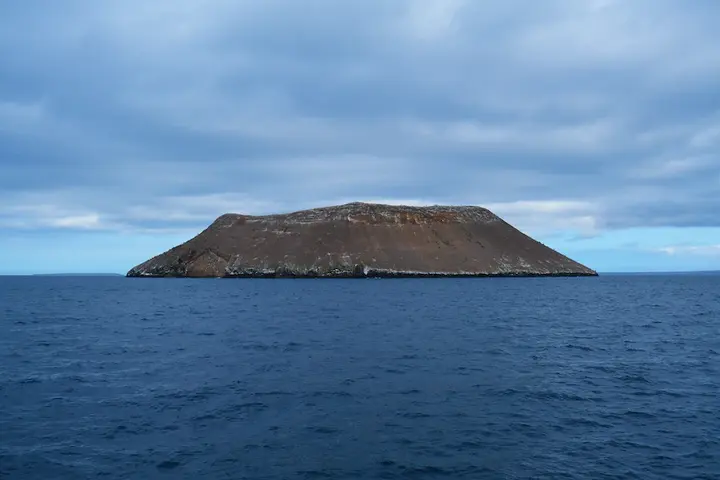
The Galapagos Islands are one of the most important tourist destinations in the world for nature and wildlife lovers. These islands are distinguished by their unique biodiversity and the multiplicity of animals and plants that inhabit them. In order to preserve this ecological treasure and prevent the extinction of rare species, a group of nature reserves have been established in the Galapagos Islands.
These nature reserves are an essential part of the islands' natural conservation efforts. These reserves are characterized by vast areas of land and marine waters that protect them from any harmful human interference. Nature reserves provide a safe environment for wild flora and fauna, and help maintain their presence and reproduction naturally.
The nature reserves of the Galapagos Islands include areas as diverse as forests, volcanoes, deserts, and beaches. These reserves serve as a safe haven for rare animals and plants native to the islands.
These reserves are home to many endangered species, such as giant turtles, mascots, sea snakes and galapagos penguins. These reserves are an important habitat for these species and serve to breed them and protect them from external threats.
Using advanced technology and scientific research, wildlife in the Galapagos Islands Nature Reserves is carefully monitored and monitored. Threatened animals are tracked and their interactions with their environment are studied, in order to ensure the continuity and survival of these species.
In addition, the government and NGOs are working to promote awareness of the importance of preserving this ecological treasure. Educational tours, lectures and awareness activities are organized targeting locals and tourists, with the aim of promoting respect and preserving this unique environment.
Thanks to conservation efforts, the Galapagos Islands continue to be preserved as an ecological treasure like no other in the world. These reserves reflect a strong commitment to preserving biodiversity and ensuring the continuity of wildlife on these islands for future generations.
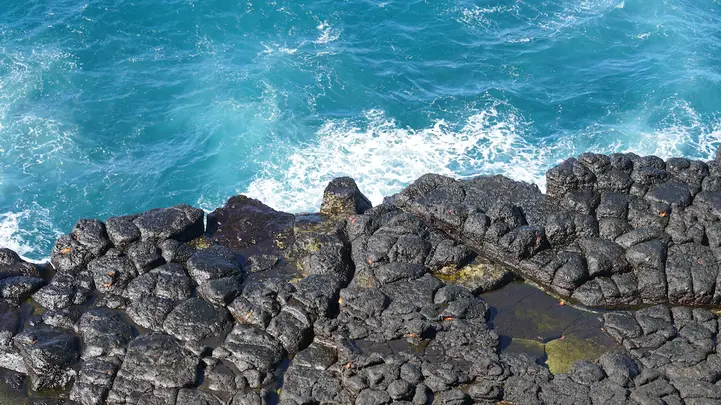
Filled with its amazing beauty and biodiversity, the Galapagos Islands are a haven for nature and adventure lovers who flock from all over the world to explore their unique natural beauty. Visiting these islands is an irreplaceable opportunity to enjoy an exploratory experience that allows you to see a small part of the beauty that nature embraces. Book your flight to the Galapagos Islands now and get ready to explore an ecological paradise like no other in the world.
Discover the beauty of the Galapagos Islands and get ready for an unforgettable adventure of discovery! These islands are an ideal destination for nature lovers and ecologists who aspire to learn about the diversity of life in a natural environment in every sense of the word. You will be amazed by the diversity of animals and plants that live on these islands, and you will learn unique stories of evolution and adaptation in the world of wild animals. Be ready to embark on a magical journey that allows you to enjoy watching rare plants and touring the nature reserves that protect this ecological treasure from extinction. Get ready to travel and fly into a magical world that offers you a touch of tropical paradise in the heart of the Pacific Ocean.
