Algeria's unparalleled beauty
Algeria, the largest country in Africa and tenth in the world, is a treasure trove of beautiful landscapes, rich history and vibrant culture. From the Mediterranean coast to the Sahara desert, Algeria's natural beauty is as diverse as it is stunning.
Show key points
- Algeria, the largest country in Africa, boasts an incredibly diverse landscape—from Mediterranean beaches and green mountains to vast deserts and rocky plateaus.
- The Mediterranean coast of Algeria offers over 1,000 kilometers of scenic beaches, rocky cliffs, and vibrant marine life, making it ideal for water sports and coastal exploration.
- The Tel Atlas Mountains provide lush forests and snow-capped peaks perfect for hiking and winter sports, adding to Algeria’s geographic diversity.
-
- Home to breathtaking sand dunes and ancient rock art, the Sahara Desert and sites like Tassili n'Ajjer National Park reveal Algeria’s rich prehistoric heritage.
- Algeria preserves remarkable historical landmarks, including the Kasbah of Algiers and Roman ruins in Timgad and Djemila, many of which are UNESCO World Heritage Sites.
- The Mzab Valley exemplifies traditional Islamic urban planning, with its fortified cities and iconic mosque architecture.
- Algeria's culture is a vibrant fusion of Berber, Arab, and French influences, showcased through its distinctive music, delicious cuisine, and renowned literary and artistic contributions.
Natural wonders
• Mediterranean coast
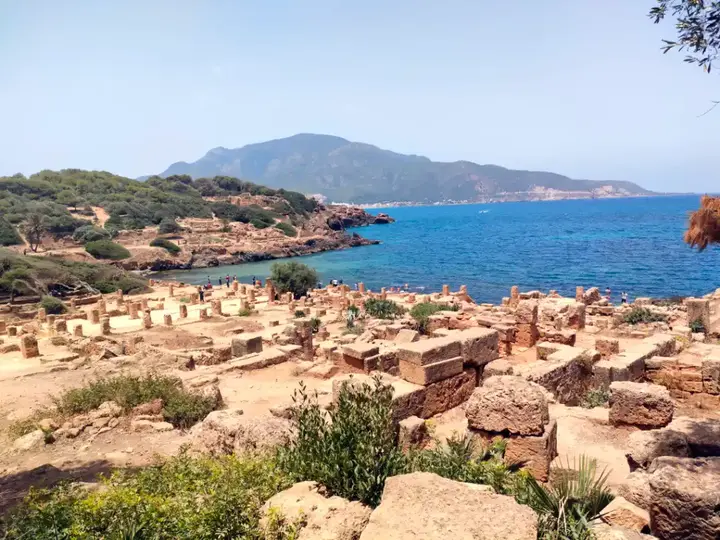
Algeria's Mediterranean coast is a paradise for beach lovers and nature lovers. The coastline stretches for more than 1,000 kilometers and offers a variety of landscapes. From the beautiful sandy beaches of Oran to the rocky cliffs of Bejaia, the coastline is a visual delight. The turquoise waters of the Mediterranean Sea offer opportunities for various water sports such as swimming, boating and fishing. The coastal area is also home to many species of marine life, making it a great place for snorkeling and diving.
Recommend
• Tel Atlas Mountains
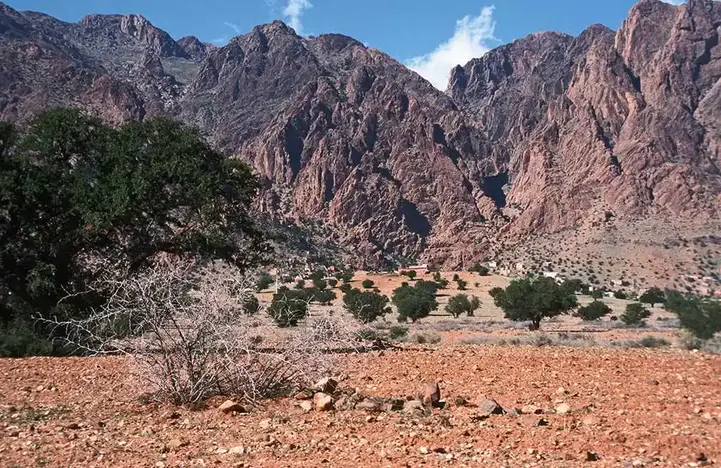
Parallel to the Mediterranean coast are the Tel Atlas Mountains, part of the Greater Atlas mountain range that stretches across North Africa. These mountains are covered with lush green forests, providing a habitat for a variety of flora and fauna. The area is ideal for hiking, as many trails offer stunning views of the surrounding landscape. In winter, the mountains are covered with snow, providing opportunities for skiing and other winter sports.
• Sahara Desert
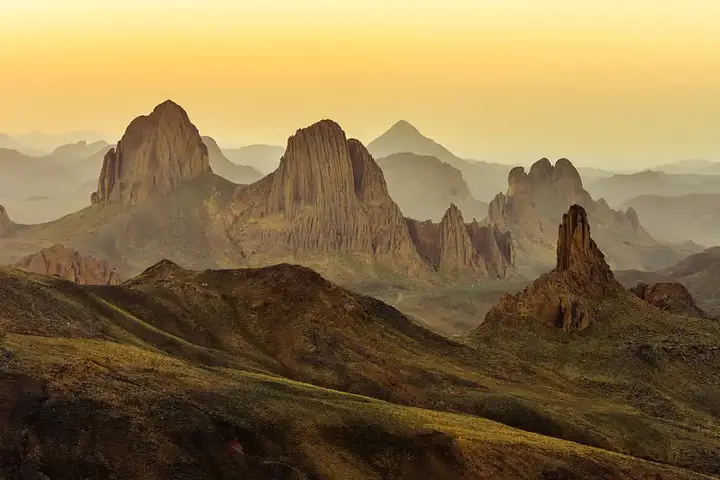
The Sahara desert covers a large part of Algeria and offers landscapes quite different from the northern regions. The desert is not just a vast expanse of sand, it is a landscape full of surprises. The Great Eastern Race and the Great Western Race are seas of sand dunes that change shapes with the wind. These golden dunes, especially during sunrise or sunset, are a spectacle.
Located in the desert, Tassili Najer National Park is a vast plateau famous for its rock arts and sandstone formations. The garden houses thousands of cavernous paintings dating back to prehistoric times, some of which date back to 6000 BC.
• Hajar Mountains
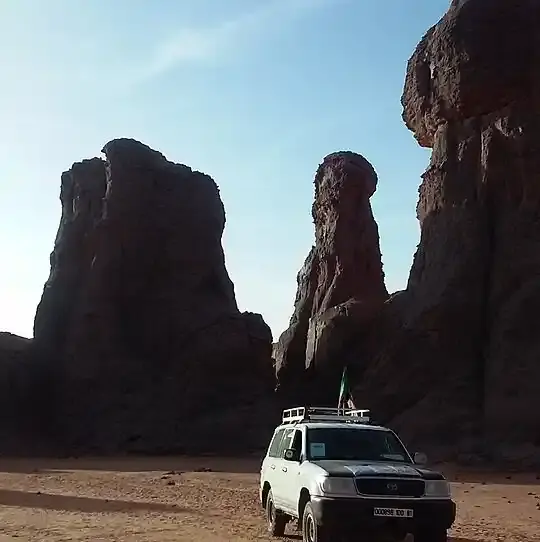
In the heart of the Sahara Desert lies the Hajar Mountains, also known as the Haggars. These mountains are home to a variety of unique wildlife, including the endangered desert cheetah. Despite the harsh desert conditions, the area has a diverse ecosystem with many endemic species. Located in this area, Ahagar National Park is a UNESCO World Heritage Site and offers stunning views of the volcanic landscape.
Historic Sites
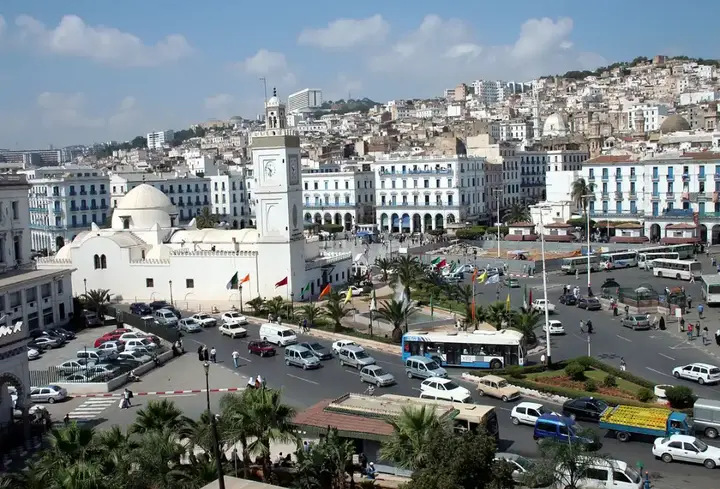
• Kasbah of Algiers
The Kasbah of Algiers, a UNESCO World Heritage Site, is a historic castle located in the heart of Algiers. This old city, also known as the "Old City of Algiers", is a testament to Algeria's rich history. The Kasbah is a maze of narrow alleys, mosques, Ottoman palaces and traditional houses dating back to the seventeenth century. Walking through the Kasbah is like going back in time, offering a glimpse into the life of the Ottoman period.
• Roman ruins in Timgad and beautiful
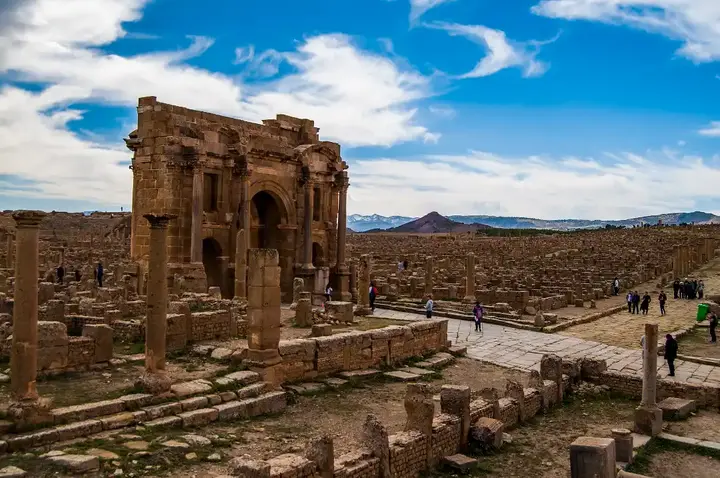
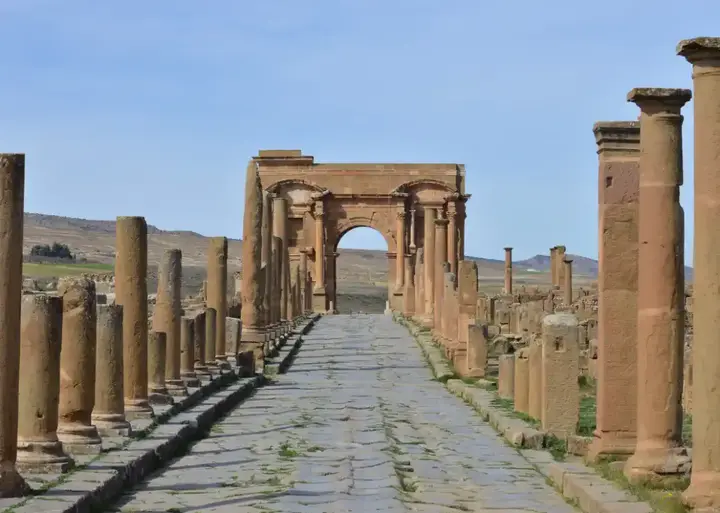
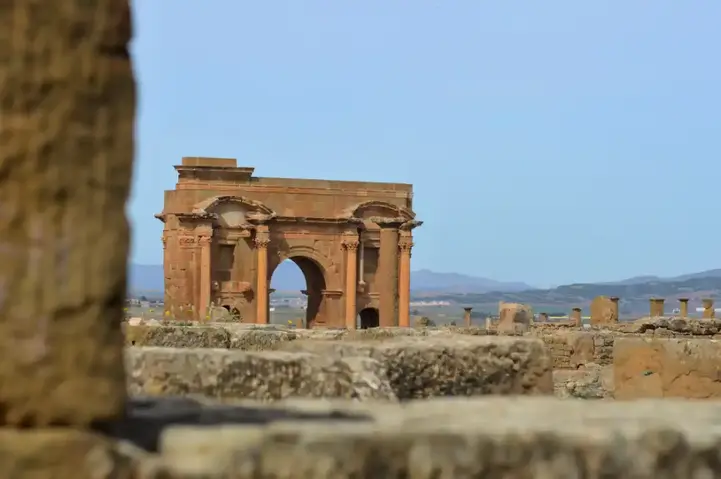
Timgad and Jamila are among the best preserved Roman ruins in North Africa, and both are recognized as UNESCO World Heritage Sites. Located near the modern city of Batna, Timgad was once an ancient Roman military colony founded by Emperor Trajan around 100 AD. The ruins include a well-preserved Roman theatre, a church, arches, streets, and houses, all located against the backdrop of the Aures Mountains. Beautiful, living up to its name. Located in the mountainous region northeast of Algiers, Jamila is home to some of the country's most impressive Roman ruins. The site includes temples, basilicas, arches, streets and houses displaying the grandeur of Roman architecture and urban planning.
• Mzab Valley
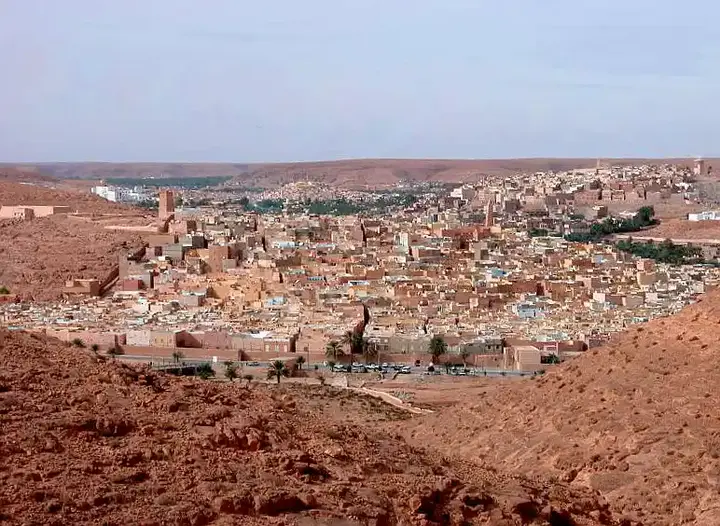
A UNESCO World Heritage Site, the Mzab Valley is a traditional human habitat created in the tenth century by the Ibadites, an early sect of Islam. The valley includes five fortified cities known as pentapolis. Designed for community life, these cities showcase a traditional form of architecture that is simple yet functional. The minaret of the Great Mosque of Ghardaia, located in one of the five cities, is a masterpiece of Islamic architecture.
Vibrant culture
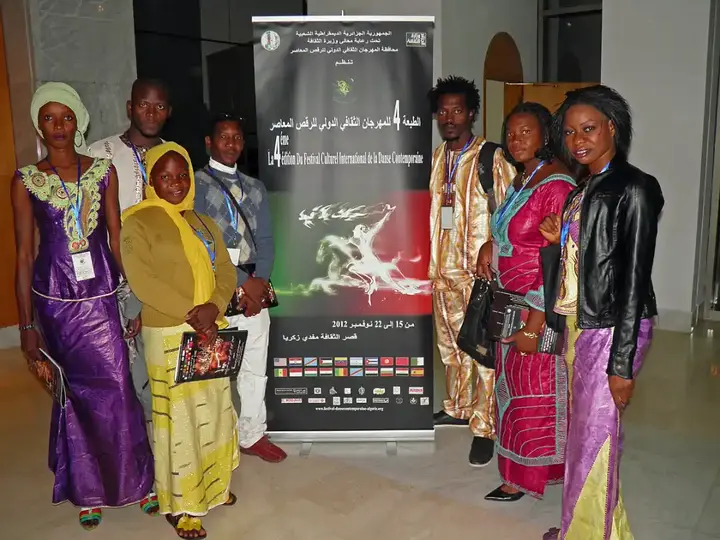
Algerian culture is a melting pot of influences from the different civilizations that have ruled the region throughout history. This rich cultural heritage is reflected in music, cuisine, art, literature and festivals.
• Music
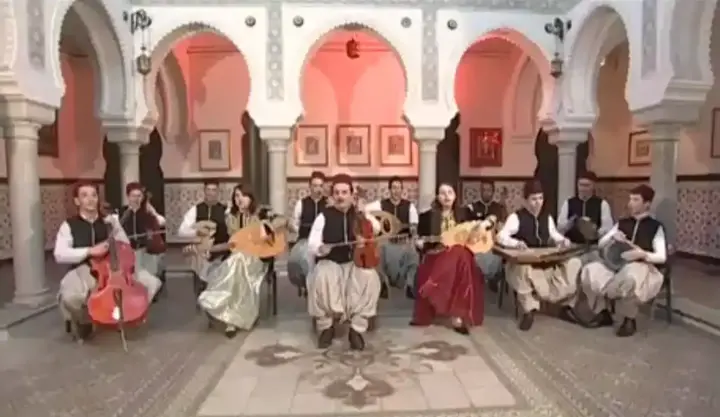
Algerian music is a mix of different influences, including Berber, Arabic, French and African rhythms. Rai music, which originated in the city of Oran, is one of the most popular genres. It combines traditional Bedouin music with modern elements of pop and rock. Kabylie music, another important genre, is characterized by the use of mandola, a type of oud. Chaabi, a musical style that originated in Algiers, features the use of piano and violin alongside traditional instruments.
•Kitchen
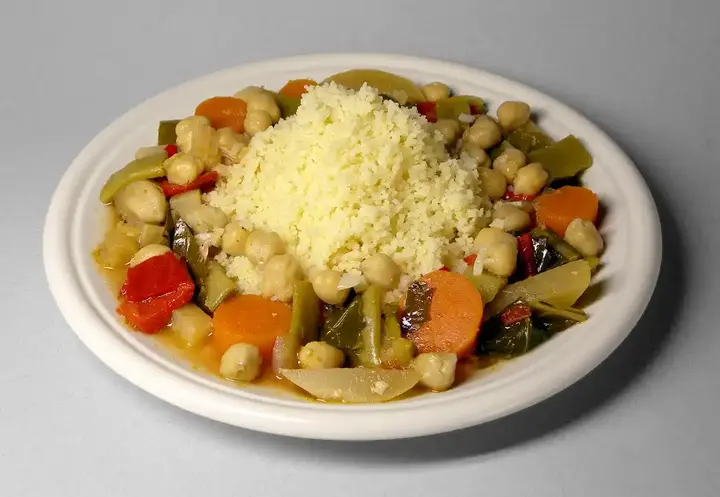
Algerian cuisine is a delicious blend of Berber, Mediterranean and Middle Eastern influences. Couscous, a staple food, is often served with meat, vegetables and a variety of spices. Tagine, a delicious slow-cooked stew, is another popular dish. Algerian cuisine also features a variety of breads, including kasra (a type of flatbread) and bread (round bread). The country is also famous for its desserts, such as makroud (semolina cakes stuffed with dates) and almond heart (almond and semolina cake).
• Art and literature
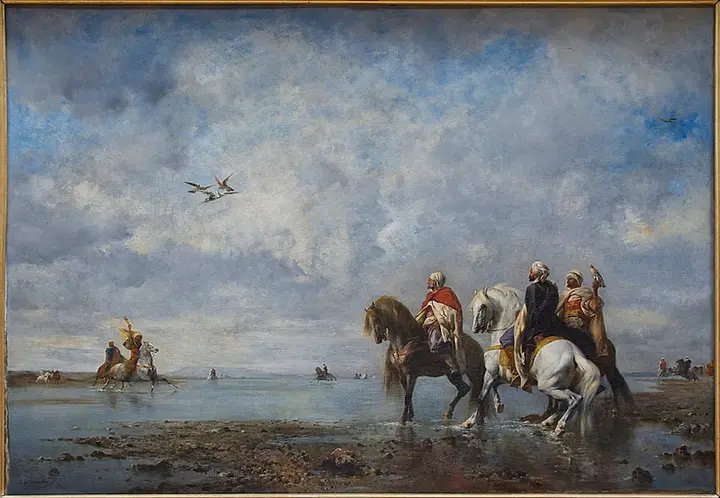
Algerian art and literature have been influenced by the historical, social and political context of the country. The country has produced many famous authors, including Albert Camus, a French-Algerian who won the Nobel Prize in Literature, and Asia Djebar, one of North Africa's best-known authors. In the visual arts, the country is known for its pottery, jewellery and traditional carpet-making techniques.
Conclusion
Algeria is a country of contradictions and diversity. Its breathtaking landscapes, rich history, and vibrant culture make it a must-visit destination. Whether you're a nature lover, a history buff, or a culture lover, Algeria has something to offer everyone. The beauty of Algeria lies not only in its landscapes, but also in its people, traditions and hospitality. It is truly a gem in North Africa.