8 crazy mathematical rules that will make you scratch your head

Show key points
- In football, a player can be expelled even before the match starts if they engage in abusive behavior during the warm-up.
- Placing a towel on the green to avoid dirtying one's clothes in golf is considered a "towel error" and could lead to disqualification if not properly recorded.
- A basketball player who deliberately interferes with a free throw attempt can receive a technical foul, and the opposing team is awarded points as if the shot succeeded.
- ADVERTISEMENT
- If a tennis player's hat falls off during play, their opponent can request a replay of the point due to the distraction.
- Kyokushin Karate permits kicks to the head but prohibits punches there, prioritizing hand safety over head protection.
- In fencing, stepping off the designated platform is treated as a loss, as seen in the emotional 2012 Olympic incident involving South Korea's Shin A Lam.
- Divers are judged not only on technique but also on their level of confidence, with lack of boldness potentially leading to point deductions.
Sport is full of rules, regulations and protocols that players must follow. But some are vaguer than others. While everyone on the pitch will object to a player being booked for taking off his shirt after scoring, far fewer would be surprised to see the same reaction for kicking above the waist. Many rules make sense—they aim to make sport fairer, faster and safer—and they apply to everyone, from players to fans.
But some bizarre, old rules seem forgotten by time. From tennis caps to the ill-fated "towel mistake," here are strange sports rules you may have missed...
Football: Preventive expulsion

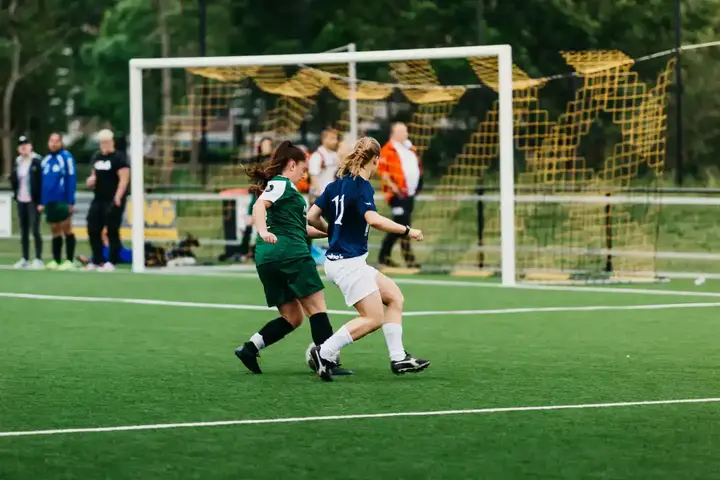
In football, a player can be sent off before the match even begins. Fans know a red card can come early—players are sometimes dismissed within the first few minutes—but a player can also be sent off during the pre-match warm-up for verbally or physically abusing an opponent. If that happens, the referee can remove the offending player before kick-off.
Recommend
Golf: Towel Error

One old golf rule says a golfer must not "build a pause"—that is, place a towel on the putting surface to keep their trousers clean while striking the ball. Doing so can lead to disqualification if the player fails to record the penalty on their scorecard, although few realize that this "towel pause" shouldn't happen in the first place.
Basketball: Prevent Free Throw

If a player deliberately prevents a free throw, it can result in a technical foul. Such interference is considered a tactical ploy against the opposing team. If a player illegally stops the ball on its way to the basket, the opposing team is awarded the points the shot would have scored—as if it had been made—even if the defending team recovers the ball.
Tennis: Hat Fall

In tennis, if a player's hat falls during a rally, the opponent can ask for a replay, claiming it was a hindrance. If the umpire agrees, the point must be replayed. This bizarre rule came into play in a 2008 Wimbledon match between Nathalie Dechy and Ana Ivanovic: as Dechy hit what looked like the winning shot, her hat fell and the umpire ordered a replay, voiding the point and allowing Ivanovic to go on to win the match.
Kyokushin Karate: Kicking Only
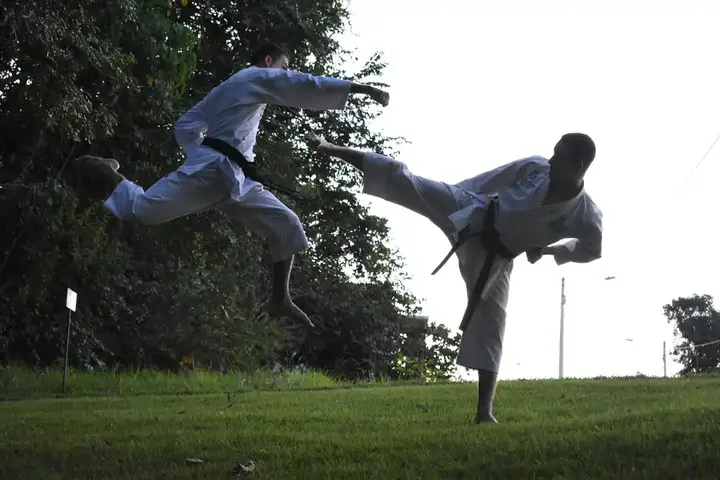
In Kyokushin karate you may not punch an opponent in the head, but head kicks are allowed. The idea is to protect the striker's bare hands. But if concern is about self-injury, what about the opponent's head when it's kicked? Shouldn't that be protected too?
Duel: Don't leave the piste
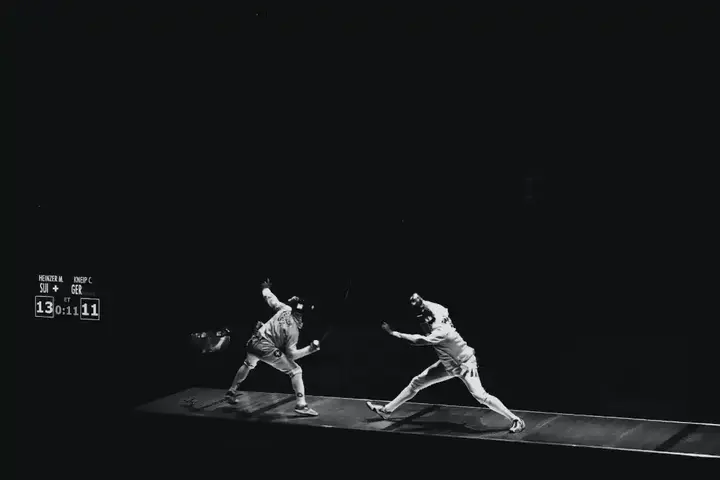
In fencing, leaving the piste counts as defeat. In one famous incident, South Korean fencer Shin A Lam disputed the referees' ruling that she had lost her Olympic match and demanded a review. While officials considered the verdict, she was required to stay on the strip for 45 minutes, sitting there in front of the audience in tears. Ultimately the referees' decision stood and she lost the match.
Diving: Be confident

Divers are expected to be bold and confident when they perform. Lack of confidence can cost up to two points from the judges. Yes—there's a sport where you can lose points for not looking confident.
Basketball: Non-unsportsmanlike Technical Foul

If a player deliberately hangs on the rim after a powerful dunk, they receive a technical foul. The official term for this violation is a "non-unsportsmanlike technical foul." In professional games, the player can also face a fine—often around $500.