Manama: the capital of Bahrain throughout history from a fishing village to a cosmopolitan city

Show key points
- Manama, the capital of Bahrain, has evolved from a thirteenth-century fishing village into a vital political, economic, and cultural center in the region.
- Over centuries, Manama experienced significant development milestones, including becoming Bahrain's capital in 1783 and undergoing economic transformation after the discovery of oil in the twentieth century.
- Key historical events such as the 1820 British treaty, the 1971 independence, and the 2011 Arab Spring protests have played crucial roles in shaping Manama's political landscape.
- ADVERTISEMENT
- Manama houses important cultural landmarks like Bahrain Fort, the Al Fateh Grand Mosque, and the Bahrain National Museum, reflecting its rich civilizational heritage.
- The city hosts numerous annual cultural events, including the Spring of Culture Festival and the Bahrain International Music Festival, showcasing its vibrant artistic scene.
- As an economic hub, Manama contributes significantly to Bahrain's GDP through its active trade, booming tourism, and robust financial services sector.
- Despite its progress, Manama continues to face challenges such as political unrest and economic pressures, influencing its path toward a more prosperous future.
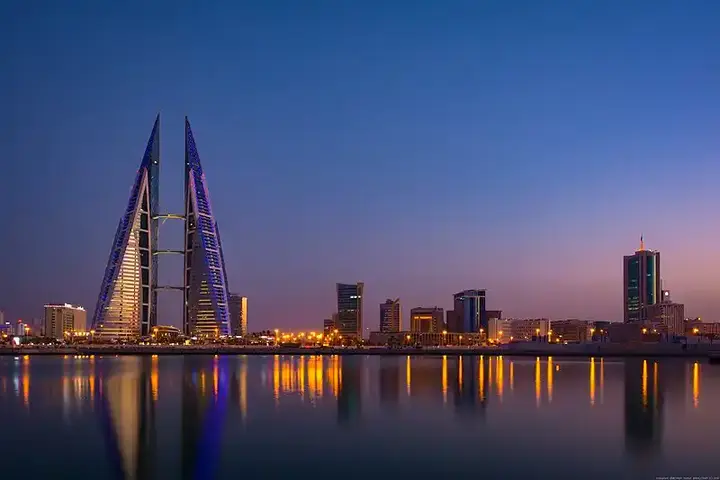
Located on the northeastern coast of Bahrain Island, Manama is the capital and largest city of the Kingdom of Bahrain. Strategically positioned on the Arabian Gulf, it has long been an important commercial hub. Manama also reflects rich cultural and civilizational diversity and has a long political and historical record. In this article, we discuss the main stages of Manama's political and cultural history.
1. The origin and development of Manama
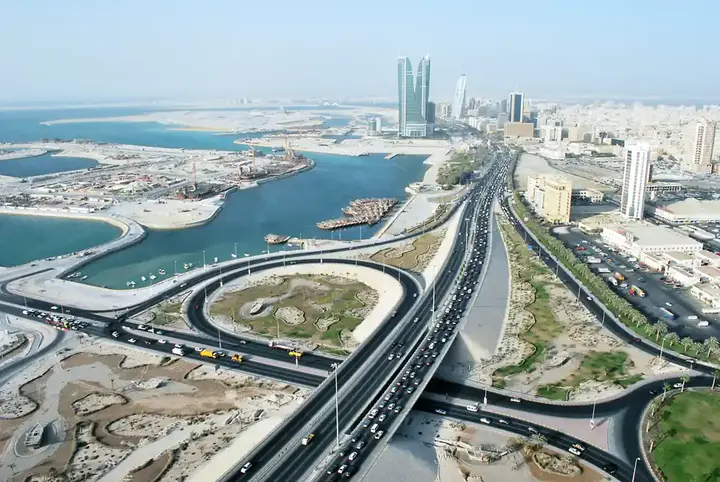
Manama dates back to the thirteenth century, when it was a small fishing and pearling village. It flourished during the fifteenth and sixteenth centuries and became an important trading center on the route between India and the Middle East. In 1783, Manama became the capital of Bahrain.
Recommend
The most important stages of Manama's development:
1. Thirteenth century: Manama emerges as a fishing and pearling village.
2. Fifteenth century: Manama flourishes as a trading hub on the route between India and the Middle East.
3. Sixteenth century: Bahrain Fort is established by the Portuguese.
4. Eighteenth century: Manama becomes the capital of Bahrain.
5. Nineteenth century: Manama prospers as a regional trading center.
6. Twentieth century: The discovery of oil in Bahrain brings major economic transformation to Manama.
7. Twenty-first century: Manama becomes an important commercial, tourist, and financial center in the region.
2. The most important historical events in Manama
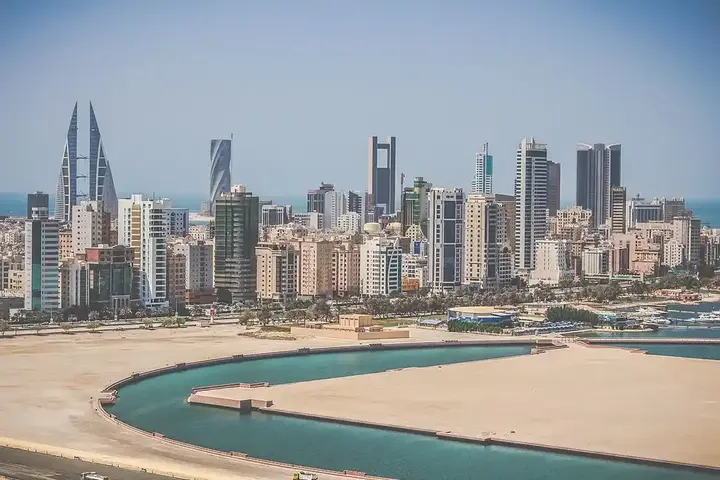
Manama has witnessed many key political events. In 1820 a treaty was signed between Britain and Bahrain, placing Bahrain under British protection. In 1971 Bahrain gained independence from Britain, and Manama became the capital of the independent state.
Manama played an important role in the formation of the modern Kingdom of Bahrain. It was the center of the Bahraini national movement and the starting point for many protests and demonstrations against British rule. The city has long been a focal point of political and cultural activity in the country.
1820: A treaty between Britain and Bahrain established a British protectorate.
Before 1820, the Al Khalifa family had taken power in 1783. The Gulf region was contested by regional powers such as Britain, Portugal, and the Ottoman Empire. Britain sought to expand its influence and secure maritime trade routes.
In January 1820 a treaty was signed that made Bahrain a British protectorate and pledged British protection against external attacks. The treaty also addressed trade and customs arrangements.
The treaty brought significant political, economic, and social changes to Bahrain. The country effectively lost its full sovereignty and came under British influence. Trade with Britain boosted the economy, and the introduction of British-style education brought cultural change.
1919: Revolt against British rule in Bahrain
After the 1820 treaty, British influence in Bahrain increased, which caused discontent among some Bahrainis. Resentment grew over British policies such as trade and customs taxation.
In 1919 a revolt broke out against British rule, led by Shaikh Isa bin Ali Al Khalifa. The rebels demanded political and economic reforms and the annulment of the 1820 treaty.
Britain suppressed the revolt with military force. Many participants were arrested, and some were exiled. The uprising did not achieve its aims.
1971: Bahrain gains independence from Britain
After World War II, demands for independence in Bahrain grew and protests against British rule intensified. During the 1960s Britain began to reassess its Gulf policy.
On 14 August 1971, Bahrain became independent from Britain. Shaikh Isa bin Salman Al Khalifa became the first Emir of independent Bahrain.
Independence brought major political, economic, and social changes. Bahrain became fully sovereign, pursued national economic development, and saw improvements in education, healthcare, and social services.
1990: Iraq's invasion of Kuwait and the Gulf War
In August 1990 Iraq invaded Kuwait, triggering the Gulf War in which Bahrain participated alongside the U.S.-led coalition.
Bahrain supported the coalition by providing military bases and participating in air operations against Iraq.
The war had wide-ranging political, economic, and social effects in Bahrain. Sectarian tensions increased, and the country faced an economic downturn as foreign investment declined.
2011: Popular protests in Bahrain
In 2011 Bahrain was affected by the wave of protests known as the Arab Spring. The country was grappling with political, economic, and social problems such as:
1. Lack of job opportunities
2. Corruption
3. Sectarian discrimination
On 14 February 2011 popular protests began. Demonstrators demanded political, economic, and social reforms, including:
1. Constitutional reform
2. Greater public participation in decision-making
3. Action against corruption
4. An end to sectarian discrimination
Protests escalated through March 2011, with demonstrators occupying the Pearl Roundabout, a central square in Manama.
3. Civilizational and cultural monuments
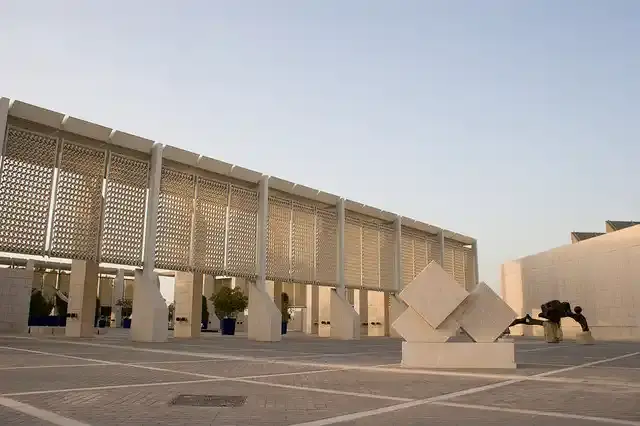
Manama is home to many historic and cultural landmarks, including:
1. Bahrain Fort: Located on the northern coast of Manama, this historical fortress was established by the Portuguese in the sixteenth century.
2. Al-Fateh Grand Mosque: The largest mosque in Bahrain, completed in 1988.
3. Bahrain National Museum: Exhibits Bahrain's history and culture from the Stone Age to the modern era.
4. Beit Al Qur'an Museum: Displays a collection of rare Qur'anic manuscripts.
5. Beit Al Qur'an: An Islamic cultural center that includes a library and a school for memorizing the Holy Qur'an.
6. Shaikh Ebrahim bin Mohammed Al Khalifa Centre for Culture and Research: A cultural center with a library, art gallery, and lecture hall.
7. Bahrain National Theatre: Hosts plays and cultural events.
8. Manama Souk: A traditional market selling local goods and handicrafts.
9. Manama Corniche: A scenic waterfront promenade along the coast.
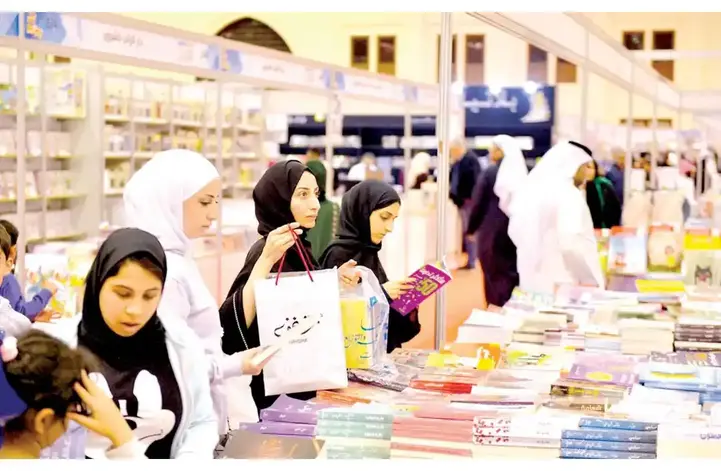
Cultural events in Manama include:
1. Spring of Culture Festival: An annual cultural festival featuring many artistic events.
2. Bahrain International Book Fair: An annual book fair in Manama that attracts Arab and international publishers.
3. Bahrain International Music Festival: An annual music festival that presents artists from around the world.
4. Manama as an economic hub
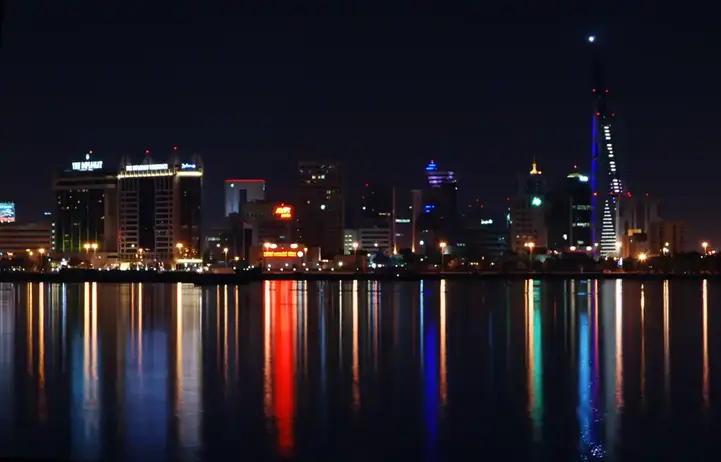
Manama is an important economic center in the region, with a thriving commercial and tourism sector and numerous financial and banking institutions.
The main economic sectors in Manama are:
1. Trade: Manama is a regional commercial center with many companies and businesses.
2. Tourism: The city is a popular destination with numerous hotels, restaurants, and attractions.
3. Financial services: Manama hosts many banks and financial institutions, making it an important financial services hub.
Manama plays a central role in Bahrain's economy. It contributes significantly to the country's GDP and provides employment for many Bahraini nationals.
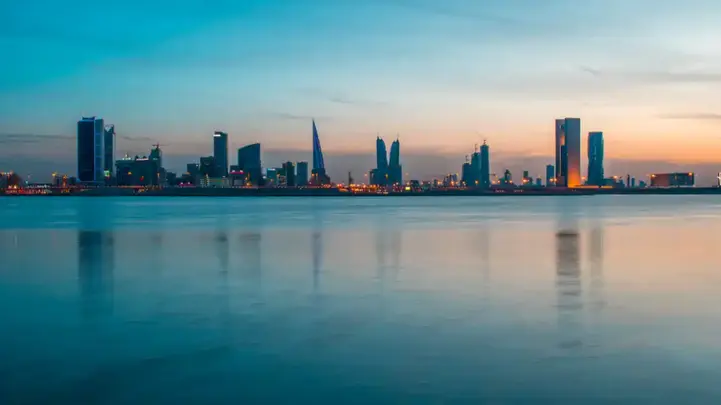
This has been a journey through the history of Manama, the capital of Bahrain: an ancient city and an important political and economic center in the region. Manama is characterized by rich cultural and civilizational diversity and a long historical record. The city has faced many political, economic, and social challenges over time. Its future depends on how successfully these challenges are addressed to bring progress and prosperity to its people.