3 علامات تدل على أن نظارتك الشمسية قد لا توفر حماية كافية تحت شمس الشاطئ القوية
ADVERTISEMENT
قد تبدو العدسات الداكنة كافية، لكنها قد تترك عينيك مكشوفتين، وعند الشاطئ يظهر هذا الخطأ سريعًا على هيئة تضييق للعينين، وإجهاد بصري، وذلك الإحساس بأن عينيك قد احترقتا بحلول آخر النهار.
لا يزال كثيرون منا يشترون النظارات الشمسية كما لو أنها في الأساس قرار يتعلق بالمظهر، ومعه قدر بسيط من
ADVERTISEMENT
الراحة. لكن شمس الشاطئ هي المكان الذي ينهار فيه هذا الافتراض السهل. وتقول الأكاديمية الأمريكية لطب العيون إن لون العدسات ودرجة عتامة لا يكشفان ما إذا كانت النظارات تحجب الأشعة فوق البنفسجية، وإن الحماية من هذه الأشعة هي ما يهم فعلًا.
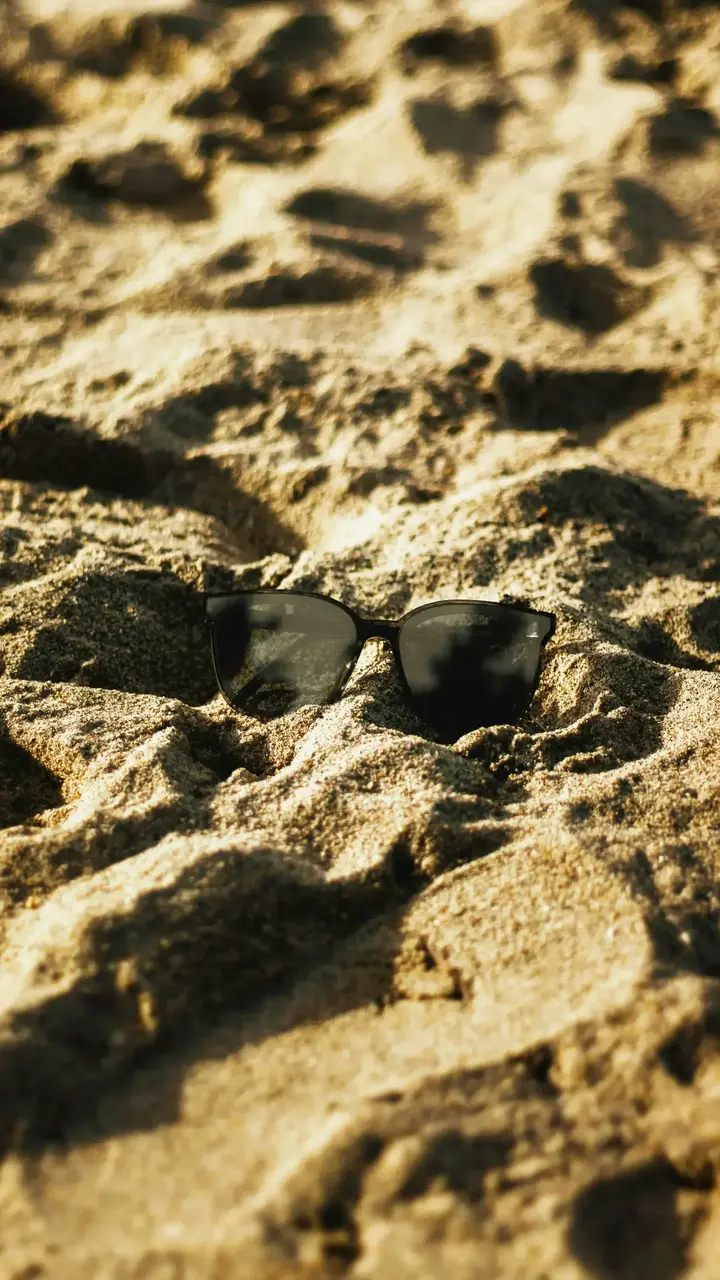
صورة بعدسة تمارا بيليس على Unsplash
وتزداد أهمية ذلك قرب الرمال والماء، لأن الضوء لا يأتيك من الأعلى مباشرة فحسب، بل يرتد أيضًا إلى أعلى. وقد حذرت منظمة الصحة العالمية منذ زمن من أن التعرض للأشعة فوق البنفسجية يزداد مع الأسطح العاكسة، ومنها الرمال والماء، ما يعني أن عينيك تتلقيان الأشعة من أكثر من اتجاه بينما تظن أن العدسات تبدو داكنة بما يكفي.
ADVERTISEMENT
1. العدسات داكنة، لكن الملصق غامض أو غير موجود
هذا هو أكبر فخ على الرمال. فالعدسات شديدة القتامة ليست دليلًا على حماية أفضل. بل إن الأكاديمية الأمريكية لطب العيون تحذر من أن العدسات الداكنة من دون حجب مناسب للأشعة فوق البنفسجية قد تكون أسوأ من عدم ارتداء نظارات شمسية أصلًا، لأن العتمة تجعل الحدقتين تتسعان أكثر، فتسمح بدخول مزيد من الأشعة الضارة إذا كانت العدسة لا تحجبها.
والتحقق هنا بسيط. ابحث عن عبارة «UV400» أو «حماية 100% من أشعة UVA/UVB» على الملصق أو اللاصقة أو صفحة المنتج أو داخل ذراع النظارة. وإذا لم تجد هذه العبارة بوضوح، فلا تفترض أن هذه النظارة توفر حماية لمجرد أن شكلها يوحي بذلك.
وهنا أيضًا ينبغي التخلص من خرافة السعر. فليست كل نظارة باهظة الثمن توفر حماية جيدة، وليست كل نظارة رخيصة بالضرورة سيئة. ما يهم هو الملصق، لا الانطباع.
ADVERTISEMENT
2. الضوء الساطع يتسلل من الجوانب
على الشاطئ، تكاد التغطية توازي تصنيف العدسات في الأهمية. فإذا كان الضوء يتدفق من الحواف، فستقضي عيناك اليوم كله في مقاومة الوهج. ليست التصاميم الملتفة حول الوجه إلزامية، لكن ينبغي أن تكون النظارة قريبة بما يكفي من الوجه بحيث تحجب الضوء الجانبي، بدلًا من أن تكون مجرد نافذتين صغيرتين مظللتين تطفوان أمام العينين.
جرّب هذا قبل أن تغادر المنزل أو وأنت واقف عند مدخل المتجر. ضع النظارة الشمسية ووجّه رأسك نحو بقعة ساطعة من الرصيف أو الرمل أو السماء. فإذا كنت ترى بوضوح ضوءًا حادًا يتسرب من الزوايا الخارجية، فقد تبدو هذه النظارة مناسبة للشاطئ لكنها تؤدي أداءً ضعيفًا عندما يشتد الوهج.
وقد تساعد العدسات المستقطبة هنا أيضًا، لكن لسبب مختلف. فالاستقطاب يخفف الوهج المنعكس عن الأسطح المستوية مثل الماء، لكنه ليس الشيء نفسه الذي تعنيه الحماية من الأشعة فوق البنفسجية. فقد تكون النظارة مستقطبة، ومع ذلك تظل بحاجة إلى ملصق «UV400» أو «حماية 100% من أشعة UVA/UVB».
دعني أقطع حديث الأناقة للحظة: هل سبق أن عدت من الشاطئ وعيناك متعبتان رغم أنك كنت ترتدي نظارة شمسية؟
هنا تحديدًا ينبغي أن تتوقف عن افتراض أن «الداكن بما يكفي» يعني «الواقي بما يكفي». فإذا شعرت بأن عينيك تؤلمانك، أو أصبحتا أكثر حساسية للضوء، أو بدا فيهما إحساس رملي مزعج، أو شعرت بإجهاد غريب بعد ساعات قرب الماء والرمال، فقد تكون نظارتك الشمسية لا تحجب الأشعة فوق البنفسجية بما يكفي، أو لا توفر تغطية كافية، أو لا تقلل الوهج على النحو المناسب لهذا المكان.
وهذا ليس من باب المبالغة. إنه أمر مألوف جدًا. تقضي يومك وأنت تظن أنك كنت محميًا، ثم تجد بحلول العشاء أن عينيك جافتان ومرهقتان، وأن كل سطح ساطع صار فجأة مستفزًا. هذا الانزعاج القصير الأمد لا يثبت وحده وقوع ضرر، لكنه علامة عملية على أن تجهيزك قد يكون مخفقًا في ظروف الشاطئ الحقيقية.
ADVERTISEMENT
والاعتراض الشائع هنا هو: «لقد ارتديت نظارات شمسية رخيصة وداكنة لسنوات وكنت بخير». ربما شعرت أنك بخير إلى حد ما. لكن القدرة على التحمل ليست هي الحماية. قد يفوتك الخطر البعيد المدى، وتلاحظ بدلًا منه الإشارات الفورية أولًا: التضييق المستمر للعينين، والصداع، وتعب العينين، والرغبة في نزع النظارة لأنها، على نحو ما، لا تساعد بما يكفي.
ما الذي يهم فعلًا عندما يصبح ضوء الشاطئ قاسيًا
بمجرد أن تتجاوز خرافة العدسات الداكنة، تصبح عملية الشراء أسهل بكثير. تحقق من وجود عبارة واضحة مثل «UV400» أو «حماية 100% من أشعة UVA/UVB». ضع النظارة وانظر ما إذا كان الضوء الساطع يتسرب من الجوانب. ولاحظ ما إذا كان الإطار ثابتًا وقريبًا بما يكفي من وجهك ليحجب الوهج المتسلل بدلًا من أن يفسح له الطريق.
ثم اختبر فئة العدسة في الحياة اليومية، لا في النظريات. فالدرجة المتوسطة إلى الداكنة من التظليل قد تجعل الأيام الساطعة على الشاطئ أكثر راحة، لكن الراحة لا تُعتد بها إلا بعد التأكد من الحماية من الأشعة فوق البنفسجية. وإذا كانت النظارة قديمة، أو مخدوشة بشدة، أو كانت طبقتها الواقية تتقشر، فاستبدلها. فالعدسات البالية قد تشتت الضوء وتجعل الوهج أسوأ، حتى لو كانت تؤدي وظيفتها جيدًا في السابق.
ADVERTISEMENT
وهناك حد واضح هنا: لا يمكنك تقدير الحماية من الأشعة فوق البنفسجية بالنظر وحده، لا بمجرد رفع النظارة في مواجهة الشمس ولا بالحكم على درجة التظليل. فإذا كانت النظارة بلا ملصق موثوق، واشتريتها من مصدر لا يقدم أي مواصفات، فلا توجد حيلة منزلية ذكية يمكن أن تحول هذا التخمين إلى يقين.
قبل يومك المقبل على الشاطئ، استخدم الاختبار الممل الذي ينجح فعلًا: اختر النظارة التي تحمل ملصقًا واضحًا مثل «UV400» أو «حماية 100% من أشعة UVA/UVB»، وتوفر تغطية كافية للوجه بحيث لا يومض الضوء المنعكس عن الرمال والماء إلى عينيك من الجوانب.
ADVERTISEMENT
قلعة الحصن حيث مرت الحروب الصليبية وانتصر المسلمون
ADVERTISEMENT
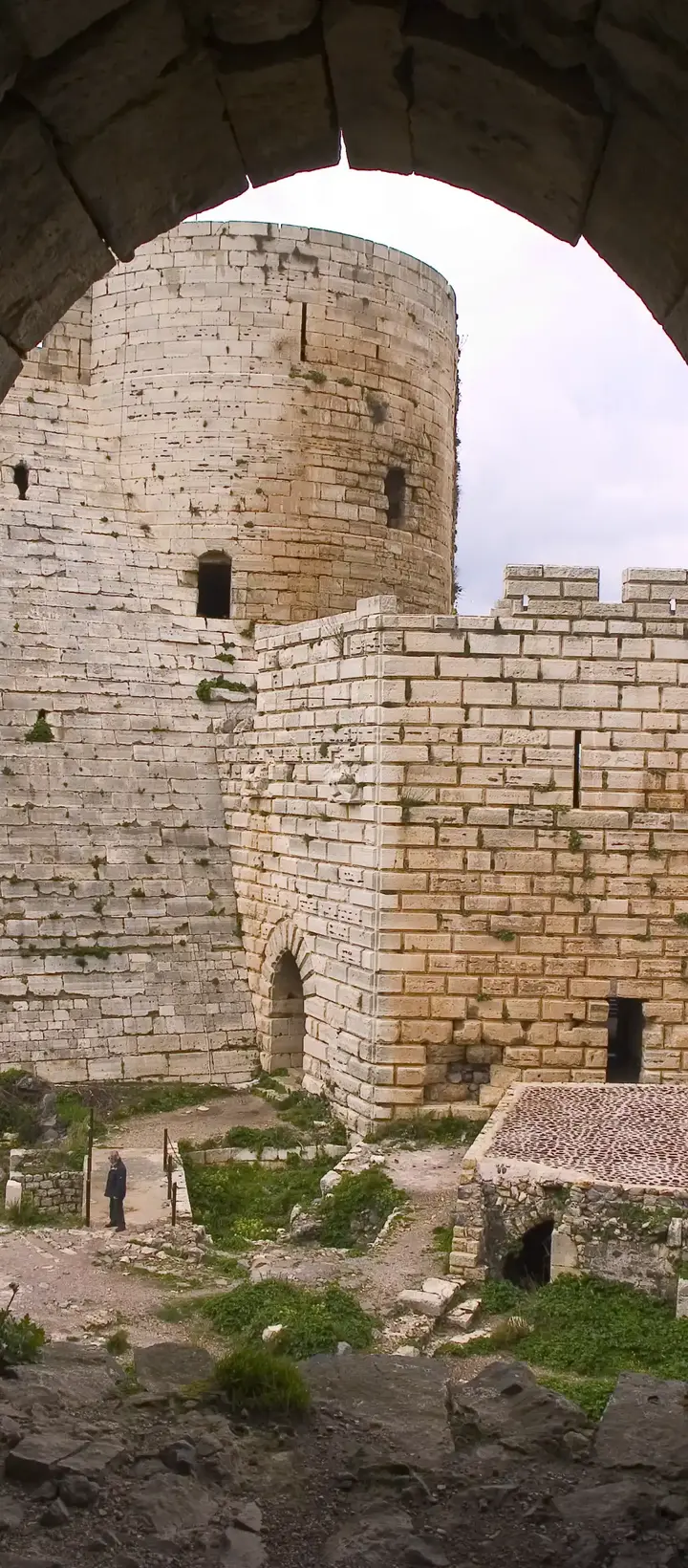
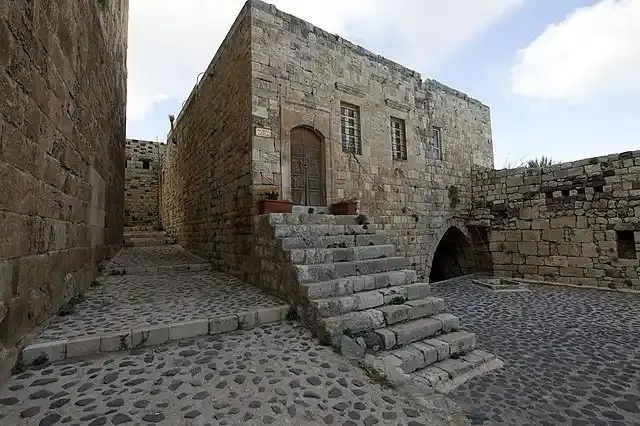
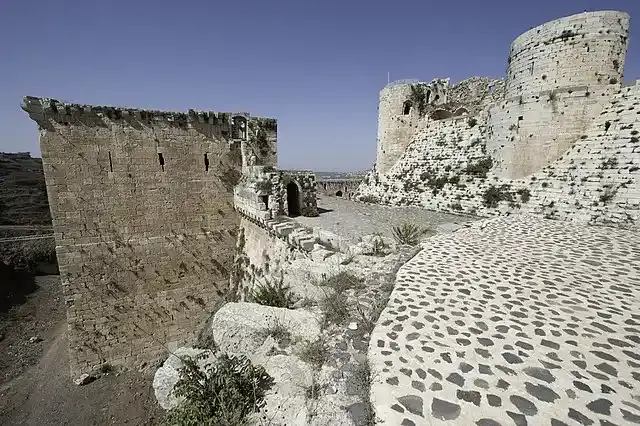
تقف بين المناظر الطبيعية الوعرة في وسط غرب سوريا، وعلى قمة طبيعية، شهادة على البراعة العسكرية والتبادل الثقافي في العصور الوسطى: قلعة الحصن. تم بناء هذه القلعة المهيبة في الأصل لأمير حلب عام 1031 م، وأصبحت فيما بعد المقر الرئيسي لفرسان الإسبتارية المشهورين خلال القرنين الثاني عشر والثالث عشر.
أصول
ADVERTISEMENT
القلعة
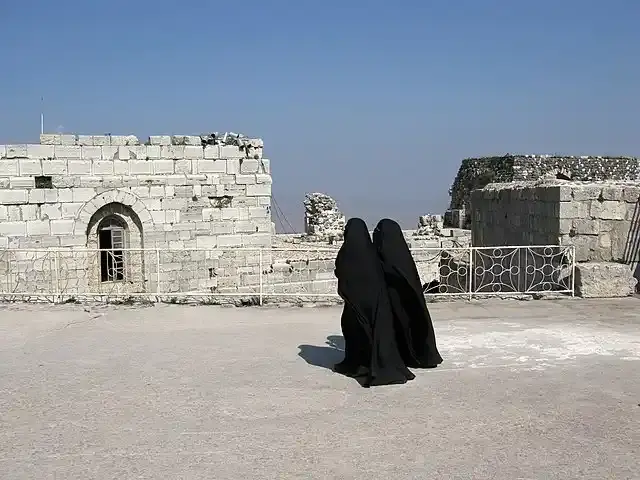
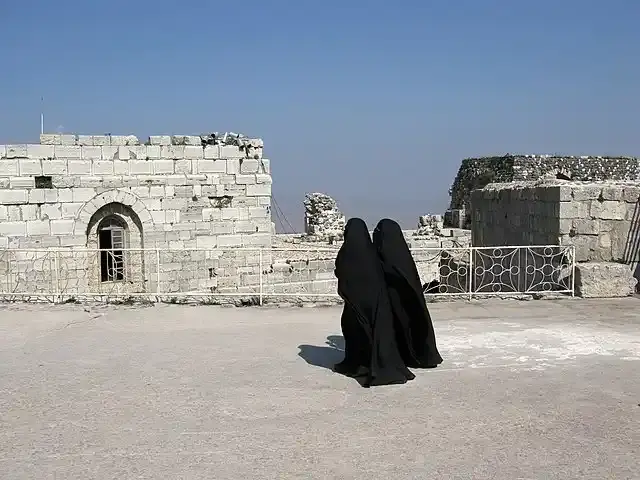
صورة من wikimedia
تبدأ قصة قلعة الحصن مع أمير حلب الذي قام ببناء القلعة في موقع تحصين سابق. ومع ذلك، كان للقدر خطط أخرى. في عام 1144 م، تغيرت ملكية القلعة عندما تم الاستحواذ عليها وإعادة بنائها على نطاق واسع من قبل فرسان الإسبتارية. حوّلها هؤلاء الرهبان المحاربون إلى معقل هائل، منيع فعليًا، وموقع استراتيجي لحراسة الحدود الشرقية لمقاطعة طرابلس - إحدى الدول التي أنشأها الصليبيون في بلاد الشام.
كان استحواذ فرسان الإسبتارية بمثابة نقطة تحول في تاريخ القلعة. لقد أدركوا أهميتها الاستراتيجية وشرعوا في تعزيز دفاعاتها. كان فرسان الإسبتارية نظامًا دينيًا عسكريًا مخصصًا لتوفير الرعاية الطبية للحجاج والدفاع عن الأراضي المسيحية في الأراضي المقدسة. لقد أدى وجودهم في قلعة الحصن إلى تحويلها من معقل إقليمي إلى معقل حاسم للقوة الصليبية.
ADVERTISEMENT
تأثير فرسان الإسبتارية
صورة من wikipedia
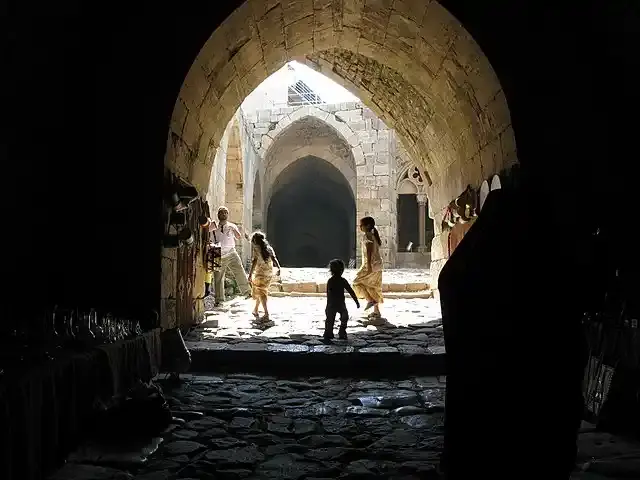
تحت حكم فرسان الإسبتارية، أصبحت قلعة الحصن أكثر من مجرد موقع عسكري؛ لقد كانت مركزًا للإدارة والثقافة والإيمان. لم تكن القلعة تضم الفرسان فحسب، بل كانت تضم أيضًا الحرفيين والخدم والإداريين. وقد سمح لها موقعها الاستراتيجي بالقرب من الساحل بالسيطرة على طرق التجارة الحيوية ومراقبة التحركات على طول المناطق الحدودية.
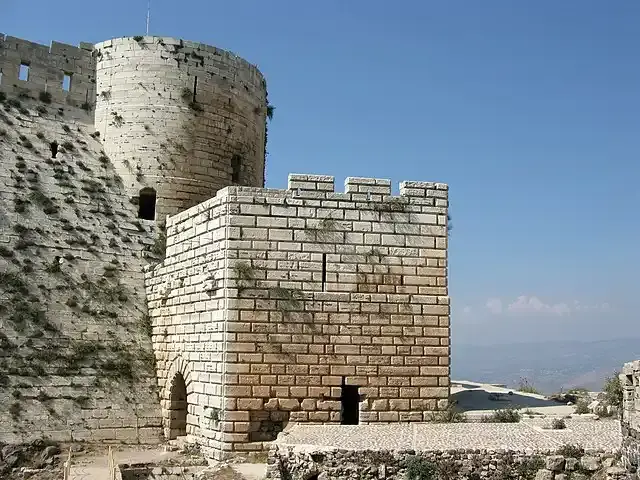
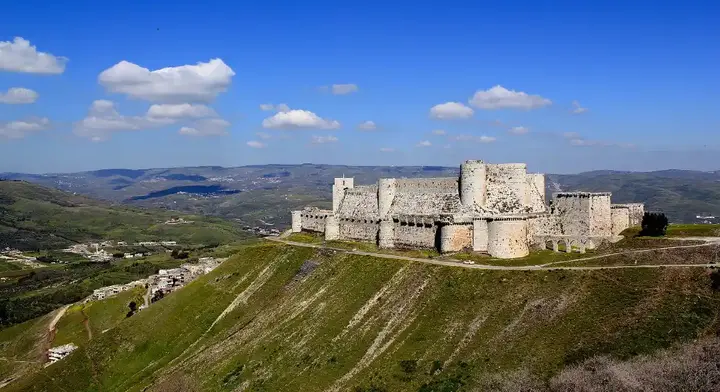
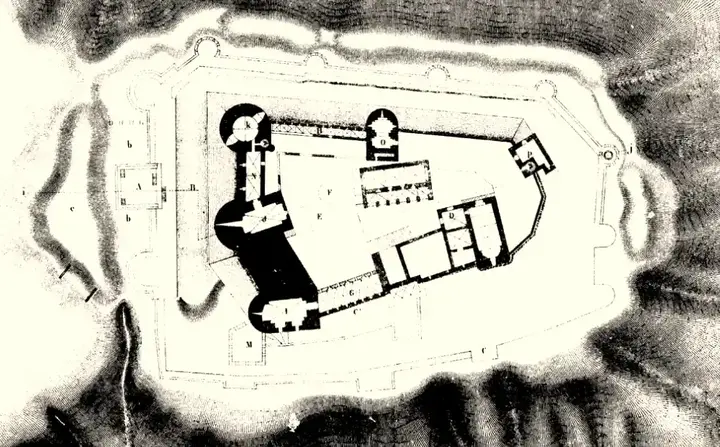
بدأ فرسان الإسبتارية في إعادة بناء القلعة في أربعينيات القرن الحادي عشر، حيث عززوا جدرانها، وأضافوا الأبراج، وأنشأوا تصميمًا متحد المركز. الجدار الساتر الخارجي والحماية الداخلية والطبقات الدفاعية المتعددة جعلتها منيعة تقريبًا للحصار. تعكس الهندسة المعمارية للقلعة التأثيرات الأوروبية والإسلامية، حيث تعرض التفاعلات بين الثقافات في ذلك الوقت.
تأثير فرسان الإسبتارية
ADVERTISEMENT
صورة من wikimedia
تحت حكم فرسان الإسبتارية، أصبحت قلعة الحصن أكثر من مجرد موقع عسكري؛ لقد كانت مركزًا للإدارة والثقافة والإيمان. لم تكن القلعة تضم الفرسان فحسب، بل كانت تضم أيضًا الحرفيين والخدم والإداريين. وقد سمح لها موقعها الاستراتيجي بالقرب من الساحل بالسيطرة على طرق التجارة الحيوية ومراقبة التحركات على طول المناطق الحدودية.
بدأ فرسان الإسبتارية في إعادة بناء القلعة في أربعينيات القرن الحادي عشر، حيث عززوا جدرانها، وأضافوا الأبراج، وأنشأوا تصميمًا متحد المركز. الجدار الساتر الخارجي والحماية الداخلية والطبقات الدفاعية المتعددة جعلتها منيعة تقريبًا للحصار. تعكس الهندسة المعمارية للقلعة التأثيرات الأوروبية والإسلامية، حيث تعرض التفاعلات بين الثقافات في ذلك الوقت.
مركز للقوة
صورة من wikimedia
كانت قلعة الحصن بمثابة أكثر من مجرد قاعدة عسكرية. حيث كانت محوراً للنشاطات يضمّ:
ADVERTISEMENT
المصلى: كان ضمن القلعة مصلى يمكن للفرسان أن يصلوا فيه ويجدوا العزاء. وأكد تصميمُه البسيط والأنيق على تفانيهم.
القاعة الكبرى: قاعة كبيرة كانت بمثابة مكان مشترك للاجتماعات والولائم والتجمعات. هنا، ناقش الفرسان الإستراتيجية، واحتفلوا بالانتصارات، والحملات المخططة.
أماكن المعيشة: كانت القلعة تؤوي الفرسان والمرافقين وغيرهم من الموظفين. تملأ الغرفُ الخاصة والمهاجع المشتركة والمطابخ الجزءَ الداخلي منه.
حصن ضد التوسع الإسلامي
صورة من wikimedia
كانت قلعة الحصن أكثر من مجرد قلعة؛ وكان حصنا ضد توسع الدول الإسلامية. وموقعها القريب من الساحل بين طرطوس وطرابلس سمح لها بالسيطرة على طرق الوصول الحيوية. باعتبارها موطنًا دائمًا لحامية من فرسان الإسبتارية، فقد شكلت تهديدًا عسكريًا لأي جيش يمر عبر المنطقة. امتد تأثير القلعة إلى أبعد من ذلك، حيث شمل أراضي الحشاشين، وهم طائفة مسلمة تدفع جزية سنوية لفرسان الإسبتارية.
ADVERTISEMENT
في ذروتها، كانت قلعة الحصن تؤوي حوالي 2000 شخص، بما في ذلك الفرسان والمشاة ومتخصصي القوس والنشاب والمرتزقة. واللافت أن العدد الحقيقي للإخوة الفرسان لم يتجاوز الستين، إلا أن شجاعتهم وإصرارهم جعلت منهم عظمة في حلق المسلمين، كما وصفهم المؤرخ ابن الأثير عام 1170
أعجوبة معمارية
صورة من wikipedia
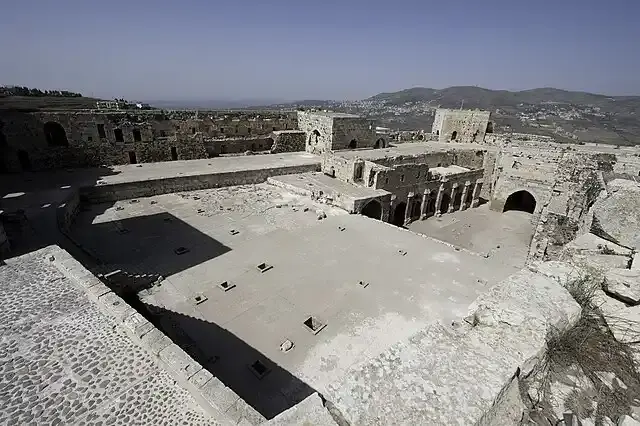
تعد قلعة الحصن مزيجًا رائعًا من الأساليب المعمارية الأوروبية والإسلامية. تعكس أسوارُها الضخمة وأبراجها المهيبة وخصائصها الدفاعية المعقدة براعةَ الهندسة العسكرية في العصور الوسطى. دعونا نتعمق أكثر في التعقيدات المعمارية:
برج البوابة: أحد العناصر المعاد بناؤها، وهو برج البوابة الذي يعمل الآن كمدخل. إنه برج كبير رباعي الزوايا بارز قليلاً ومحمي بثلاث مشابك. كان لبرج البوابة دور حاسم في التحكم في الوصول إلى القلعة وضمان أمنها.
ADVERTISEMENT
برج المراحيض: يشير عدم وجود مراحيض في القاعة الكبيرة بالطابق الأول من البرج الشرقي إلى أنه كان من الممكن أن يكون مسكنًا للرهبان المحاربين. ويشير عدم وجود مثل هذه المرافق إلى أن النظافة لم تكن أولوية في هذا الفضاء، مما يؤكد وظيفتها العسكرية.
مصليات مزينة بلوحات جدارية: تعرض هذه المساحات المقدسة داخل القلعة لوحات جدارية معقدة تعكس التفاني الديني والمهارة الفنية. يؤكد الجمع بين القوة العسكرية والتعبير الروحي على الهدف المزدوج لقلعة الحصن.
الابتكارات الدفاعية
صورة من wikipedia
تضم قلعة الحصن العديد من الميزات المبتكرة التي تميزها باعتبارها أعجوبة عسكرية:
المحاجر المتعددة: تحتوي القلعة الباقية على محيطين متحدَي المركز، يبلغ طولهما 300 مترًا عند أطول نقطة و140 مترًا عند أوسع نقطة. هذه الطبقات الدفاعية المتعددة جعلتها منيعة تقريبًا أمام الحصار. خلق الجدار الساتر الخارجي والحصن الداخلي والتحصينات الإضافية حاجزًا هائلاً ضد المهاجمين.
ADVERTISEMENT
الموقع الاستراتيجي: يوفر موقع القلعة على قمة تلة شديدة الانحدار إطلالة رائعة على المناظر الطبيعية المحيطة. سمح ارتفاعها للمدافعين بمراقبة التحركات على طول الأراضي الحدودية واكتشاف الجيوش المقتربة. كما سمح الموقع الاستراتيجي بالقرب من الساحل لمدينة الحصن بالسيطرة على طرق التجارة الحيوية.
تصميم البوابة: كان برج البوابة، الذي أعاد فرسان الإسبتارية بناءَه، بمثابة المدخل. لقد كان برجًا كبيرًا رباعي الزوايا بارزًا قليلاً ومحميًا بثلاث مشابك. تضمنت غرفة الحراسة ميزات مثل الجسر المتحرك والبوابة وفتحات القتل لإحباط المهاجمين.
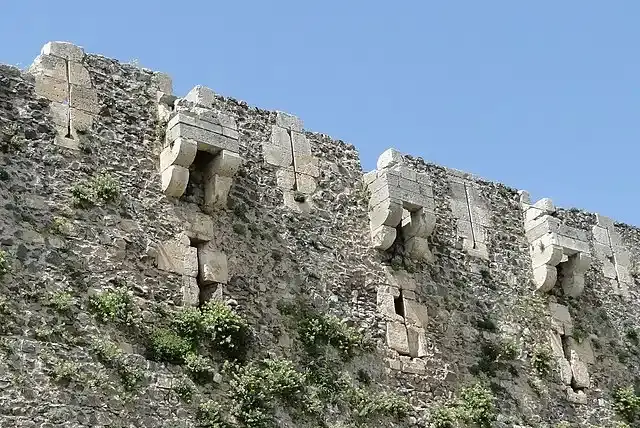
شقوق السهم وحواف القوس والنشاب: كانت جدران القلعة مرصعة بشقوق السهم الضيقة وحواف القوس والنشاب. سمحت هذه الفتحات للمدافعين بإلقاء السهام والمسامير على المحاصرين مع البقاء محميين خلف الجدران السميكة.
ADVERTISEMENT
باربيكان ومناطق القتل: شملت الدفاعات الخارجية الباربيكان - وهي مواقع استيطانية صغيرة محصنة - مصممة لتأخير المهاجمين وإضعافهم. أجبرت مناطق القتل هذه الغزاة على تعريض أنفسهم لنيران دفاعية مركزة قبل الوصول إلى بوابة القلعة الرئيسية.
دور القلعة في عدد من المعارك المحددة
صورة من wikimedia
معركة البقيعة (1163): انتصر الصليبيون على نور الدين بالقرب من قلعة الحصن، وعزّز هذا الانتصار سيطرتهم على المنطقة. وأظهرت المعركة الأهمية الاستراتيجية للقلعة في الدفاع عن الدول الصليبية.
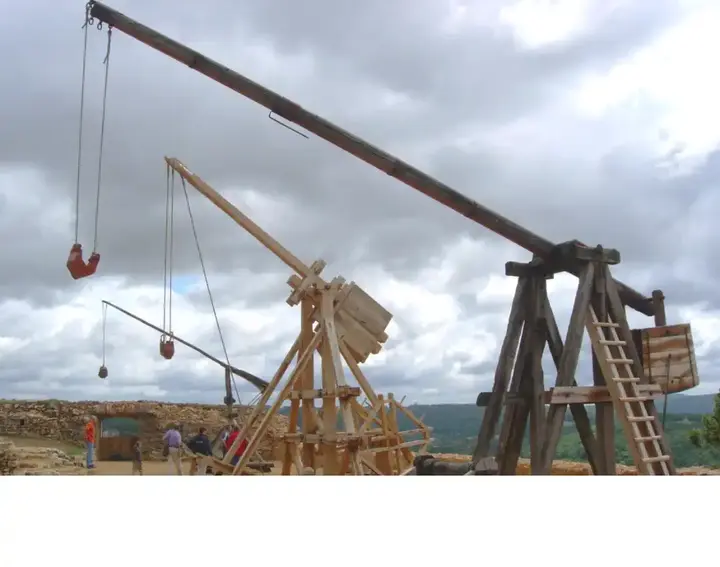
حصار السلطان المملوكي بيبرس (1271): بعد حصار دام 36 يومًا، استولى بيبرس على قلعة الحصن. استخدم المماليك آلات الحصار، بما في ذلك المنجنيقات والمنجنيلات، لاختراق الجدران. أدت رسالة مزورة يُزعم أنها من المعلم الكبير لفرسان الإسبتارية إلى استسلام الفرسان. كان سقوط قلعة الحصن بمثابة علامة على تراجع القوة الصليبية في بلاد الشام.
ADVERTISEMENT
مساحات المعيشة الهرمية في القلعة التي تعكس بنية نظام الفرسان:
صورة من wikimedia
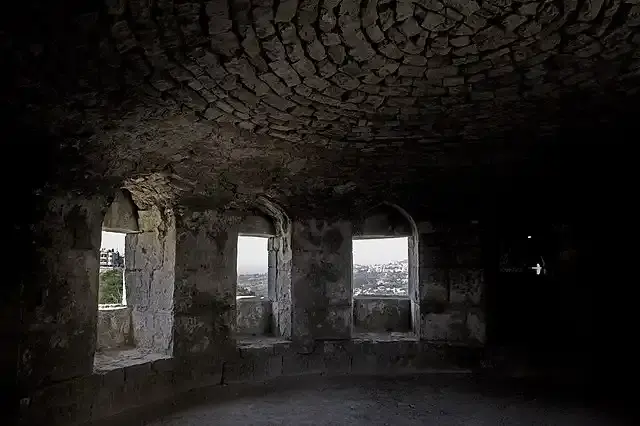
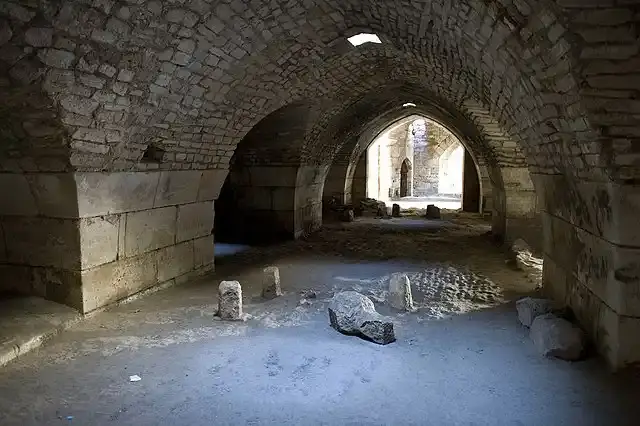
المهجع المشترك: قاعة كبيرة ذات سقف مقبب كانت بمثابة مهجع للرهبان المحاربين. تتناقض بساطةُ هذه المساحة مع عظمة الكنيسة والمناطق الاحتفالية الأخرى.
أماكن إقامة كبار الشخصيات: من المحتمل أن الغرف العلوية كانت مخصصة لكبار الشخصيات، بما في ذلك قاعة الاحتفالات ومسكن للقلعة أو السيد. كان من الممكن أن تكون هذه الغرف أكثر راحة وخصوصية من صالة النوم المشتركة.
سكن السيد الأكبر: ربما تكون الغرفة المستديرة الأنيقة في الطابق الثاني من البرج الجنوبي الغربي قد استضافت أحد الأسياد الكبار أثناء زياراته. كان من الممكن أن يعكس تصميمها الوظيفة والهيبة.
التراجع والسقوط
صورة من wikimedia
على الرغم من قوتها، واجهت قلعة الحصن تحديات عديدة. في منتصف القرن الثالث عشر، انقلب المدّ ضد الصليبيين. وقد هدد صعودُ الزعماء المسلمين الأقوياء مثل السلطان بيبرس قبضتهم على بلاد الشام. في عام 1271، بعد حصار دام 36 يومًا، استولى بيبرس على القلعة. كان استسلام فرسان الإسبتارية بمثابة نهاية حقبة.
ADVERTISEMENT
الوضع الحالي والتراث
صورة من wikimedia
الحالة والترميم:
لقد نجت القلعة من قرون من الصراع والانقسام الديني والاحتلال. وظلت قيد الاستخدام حتى القرن التاسع عشر.
لسوء الحظ، تسببت الزلازل في بعض الأضرار للقلعة مع مرور الوقت.
في أواخر القرن التاسع عشر أو أوائل القرن العشرين، تم إنشاء مستوطنة داخل القلعة، مما أدى إلى مزيد من التآكل على نسيجها.
ومع ذلك، فقد بُذلت جهود لترميم قلعة الحصن والحفاظ عليها، وهي الآن في متناول الزوار.
تصنيف اليونسكو للقلعة كموقع للتراث العالمي:
صورة من wikimedia
منذ عام 2006، تم الاعتراف بكل من قلعة الحصن وقلعة صلاح الدين (قلعة أخرى قريبة) من قبل اليونسكو كموقع للتراث العالمي.
يسلط هذا التصنيف الضوء على أهميتها الثقافية والتاريخية على نطاق عالمي.
الأهمية والرمزية:
صورة من wikimedia
إن صورة القلعة المهيبة مقابل السماء السورية هي بمثابة شاهد صامت على الحروب الصليبية، وصراع الثقافات، والروح الدائمة لأولئك الذين دافعوا عن عقيدتهم ومثلهم العليا.
ADVERTISEMENT
تجمع هندستها المعمارية بين عناصر من الطرازَين الأوروبي والإسلامي، مما يعكس التفاعلات بين الثقافات في عصرها.
التراث:
صورة من wikimedia
تذكرنا قلعة الحصن بالعصر الذي انطلق فيه الفرسان لحماية العالَم المسيحي، تاركين وراءهم إرثًا محفورًا في الحجر.
واليوم، تظل القلعة رمزًا قويًا للتفاعلات بين المسيحيين والمسلمين في الشرق الأوسط.
باختصار، لا تزال قلعة الحصن تمثل مثالًا رائعًا للهندسة المعمارية العسكرية في العصور الوسطى، مما يدعو الزوار لاستكشاف تاريخها الغني وتقدير أهميتها الدائمة.
جمال المصري
ADVERTISEMENT
ما الذي يميز العقبة، المدينة الساحلية الوحيدة في الأردن؟
ADVERTISEMENT
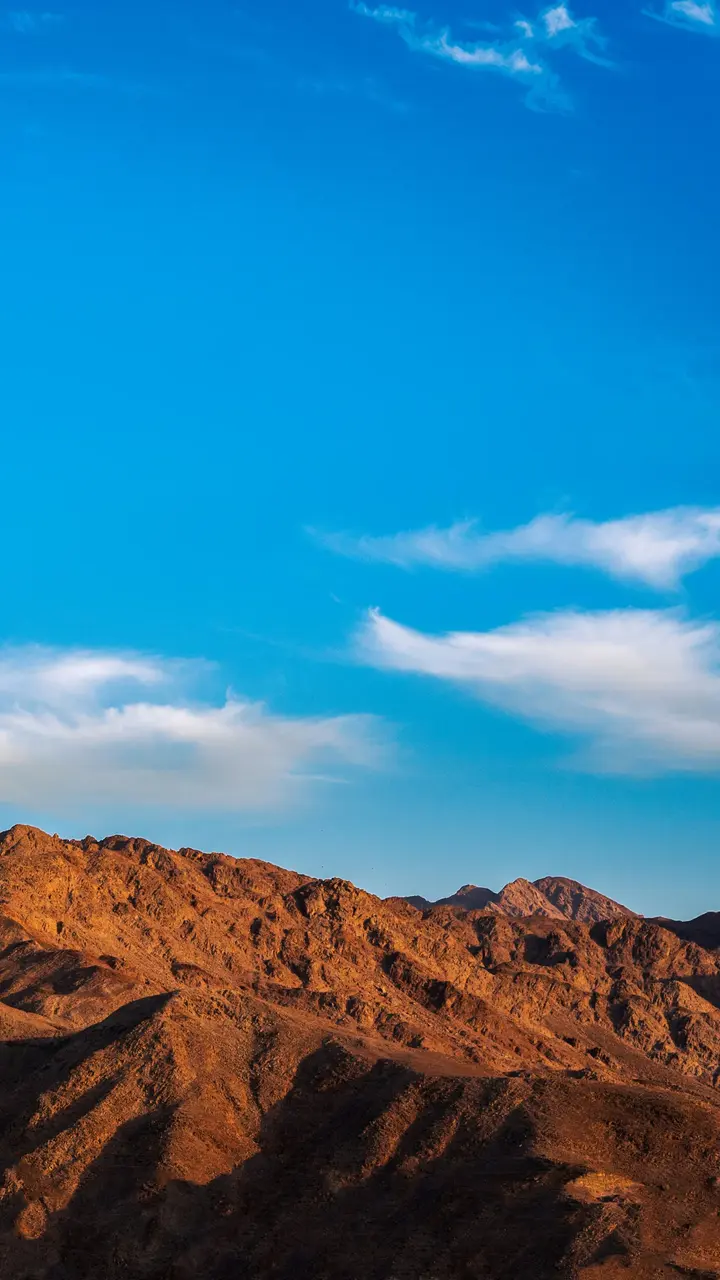
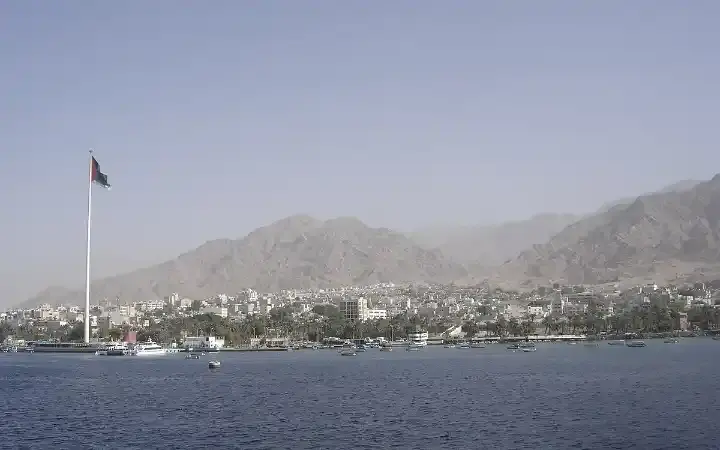
تقع العقبة في المملكة الأردنية الهاشمية وهي مدينة ساحلية، أقصى جنوب غرب الأردن. تقع على خليج العقبة، مدخل البحر الأحمر. وهي الميناء البحري الوحيد في الأردن. أطلق عليها العرب في الأصل اسم آيلا، والاسم الحالي هو اختصار لعبارة عقبة آيلا، أي "ممر آيلا" عبر الجبال إلى الشمال (التي يشغلها الآن
ADVERTISEMENT
الطريق السريع إلى معان)، والتي تم تحسينها لحركة المرور.
صورة بواسطة Gérard Janot على wikipedia
العقبة: تاريخ ممتد عبر العصور
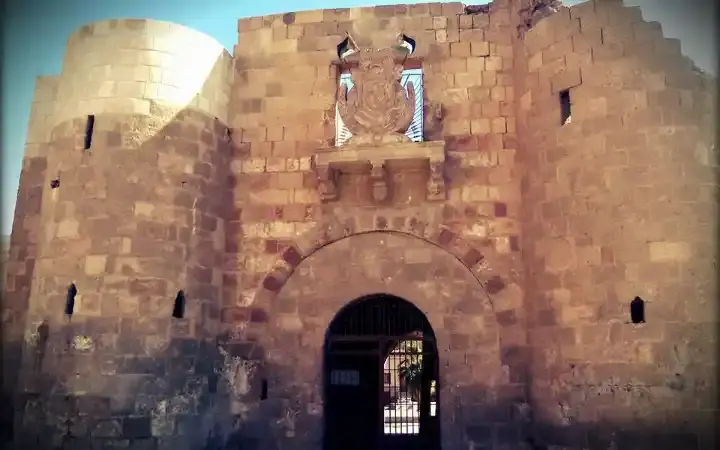
في العصر الروماني، كانت العقبة،، محمية بفيلق روماني وكانت المحطة الجنوبية لطريق تجاري يصل من سوريا. وفي عهد الحكم البيزنطي، أصبحت مقرًا لأسقفية ثم أصبحت محطة طريق مهمة للمسلمين المصريين الذين يقومون بالحج إلى مكة. واستولى الصليبيون على المدينة وعادت أخيرًا إلى الحكم الإسلامي في عام 1183. تراجعت العقبة في ظل الحكم العثماني؛ في بداية القرن العشرين كانت مجرد قرية صغيرة. واختفت حركة الحجاج إلى حد كبير بعد افتتاح قناة السويس واستكمال سكة حديد الحجاز. كانت العقبة موقعًا تركيًا محصنًا استراتيجيًا في الحرب العالمية الأولى، وقد تعرضت للقصف من قبل البحريتين البريطانية والفرنسية، واستولت عليها قوات عربية غير نظامية بقيادة توماس إدوارد لورنس وبعد الحرب، كان وضع العقبة محل نزاع؛ حيث طالبت بريطانيا بمنفذ على خليج العقبة لمحميتها الجديدة في شرق الأردن ، بينما استندت مملكة الحجاز في مطالبتها المضادة بالمدينة والمناطق الواقعة إلى الشمال على التقسيمات السياسية السابقة للإمبراطورية العثمانية. عندما غزا الملك ابن سعود الحجاز وضع البريطانيون العقبة ومنطقة معان تحت سلطة شرق الأردن؛ استمر هذا الوضع الفعلي حتى نال الأردن استقلاله التام (1946). لم توافق المملكة العربية السعودية قط على هذه الحدود، التي كانت موضع نزاع حتى عام 1965. ثم وُقّعت اتفاقية حدودية بين الدولتين، مُنحت بموجبها المملكة العربية السعودية أراضٍ صحراوية في الداخل كانت سابقًا جزءًا من الأردن؛ وفي المقابل، اعترف السعوديون رسميًا بالعقبة جزءًا من الأردن، خضع ميناء العقبة، الذي حسّنه البريطانيون إلى حد ما في الحرب العالمية الثانية، لتحديثات كبيرة في عهد الأردن المستقل؛ وفُتحت مرافق المياه العميقة عام 1961. الصادرات الرئيسية للميناء هي الفوسفات الأردني السائب؛ أما الواردات فهي في الغالب سلع مصنعة.
ADVERTISEMENT
البحر الأحمر: موقع استراتيجي وخصائص فريدة
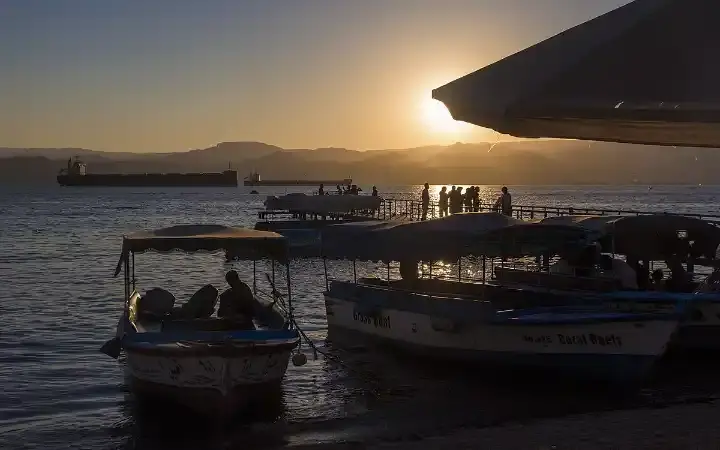
يُعد البحر الأحمر أحد أكثر الممرات المائية ازدحامًا في العالم. يبلغ طوله حوالي 1200 ميل (1930 كيلومترًا)، ويبلغ أقصى عرض له حوالي 190 ميلًا (305 كيلومترات) والبحر الأحمر، شريط مائي ضيق يمتد جنوبًا حتى مضيق باب المندب، من الناحية الجيولوجية، يُعتبر خليجا السويس والعقبة الامتداد الشمالي للبحر الأحمر. يفصل البحر الأحمر سواحل مصر والسودان وإريتريا غربًا عن سواحل المملكة العربية السعودية واليمن شرقًا. يحتوي البحر الأحمر على بعضٍ من أكثر مياه البحار حرارةً وملوحةً في العالم. ونظرًا لاتصاله بالبحر الأبيض المتوسط عبر قناة السويس، يُعدّ من أكثر الممرات المائية ازدحامًا في العالم، إذ يحمل حركة الملاحة البحرية بين أوروبا وآسيا. يُشتق اسمه من تغيرات اللون الملحوظة في مياهه.
ADVERTISEMENT
صورة بواسطة Alexey Komarov على wikipedia
عادةً ما يكون البحر الأحمر بلون أزرق مخضرّ كثيف؛ ومع ذلك، قد يعجّ أحيانًا بتكاثر واسع لطحالب "تريكوديزميوم إريثرايوم"، التي تُحوّل لون البحر إلى البني المحمرّ عند موتها. يقع البحر الأحمر في منخفض صدع يفصل بين كتلتين كبيرتين من قشرة الأرض: شبه الجزيرة العربية وشمال أفريقيا. تُعدّ الشقوق داخل الجزء الأعمق من الحوض مناطق غير عادية في قاع البحر، حيث توجد تركيزات من المحلول الملحي الساخن. تُشكّل هذه البقع، على ما يبدو، أعماقًا مميزة ومنفصلة داخل الحوض، . في قاع هذه المناطق توجد رواسب فريدة، تحتوي على رواسب من أكاسيد المعادن الثقيلة. إن معظم جزر البحر الأحمر هي مجرد شعاب مرجانية مكشوفة. مع ذلك، توجد مجموعة من البراكين النشطة جنوب أرخبيل دهلك مباشرةً بالإضافة إلى بركان خامد حديثًا في جزيرة جبل الطير.
ADVERTISEMENT
الجيولوجيا
يشغل البحر الأحمر جزءًا من وادٍ متصدع كبير في القشرة القارية لأفريقيا وشبه الجزيرة العربية. يُعد هذا الانكسار في القشرة جزءًا من نظام صدوع معقد يشمل نظام صدع شرق أفريقيا، الذي يمتد شمالًا ليشكل صدع وادي العقبة - البحر الميت - الأردن الكبير؛ ويمتد النظام أيضًا شرقًا من الطرف الجنوبي للبحر الأحمر ليشكل خليج عدن. يخترق وادي البحر الأحمر كتلة العرب النوبية، التي كانت كتلة مركزية متصلة من الصخور النارية والمتحولة من عصر ما قبل الكمبري. يُعتبر البحر الأحمر بحرًا جديدًا نسبيًا، ويبدو أن حوض البحر الأحمر قد تشكل في مرحلتين معقدتين على الأقل من حركة اليابسة.
المناخ
تشهد منطقة البحر الأحمر قلةً في هطول الأمطار، على الرغم من أن آثار ما قبل التاريخ تشير إلى وجود فترات هطلت فيها كميات أكبر من الأمطار. بشكل عام، يُعدّ المناخ مُلائمًا للأنشطة الخارجية في الخريف والشتاء والربيع - باستثناء فترات العواصف - حيث تتراوح درجات الحرارة بين (8 و28 درجة مئوية). أما في الصيف، فتصل درجات الحرارة إلى (40 درجة مئوية)، والرطوبة النسبية عالية، مما يجعل النشاط القوي غير مُريح.
ADVERTISEMENT
صورة بواسطة Mervat Salman على wikipedia
علم المياه
لا يدخل الماء إلى البحر الأحمر من الأنهار، وهطول الأمطار شحيح؛ ولكن خسارة التبخر - التي تزيد عن 80 بوصة سنويًا - تُعوّض بتدفق داخلي عبر القناة الشرقية لمضيق باب المندب من خليج عدن. يدفع هذا التدفق الداخلي نحو الشمال الرياح السائدة، ويولد نمط دوران تتحرك فيه هذه المياه منخفضة الملوحة. تبلغ ملوحة مياه خليج السويس حوالي 40 جزءًا في الألف، ويعود ذلك جزئيًا إلى التبخر، وبالتالي كثافتها العالية. تتحرك هذه المياه الكثيفة جنوبًا وتغوص أسفل المياه الأقل كثافة المتدفقة من البحر الأحمر. تحت منطقة انتقالية، . تتدفق مياه القاع المتدفقة جنوبًا، والتي تم إزاحتها من الشمال، فوق عتبة باب المندب، غالبًا عبر القناة الشرقية. تشير التقديرات إلى وجود تجدد كامل للمياه في البحر الأحمر كل 20 عامًا.