Ghardaia: Discover the magic of the desert and Mozabite architecture

Ghardaia, the jewel of the Algerian Sahara, is famous for its ancient history, picturesque landscape, and the distinctive architecture of the Mozabite community. The city lies in the heart of the M'Zab Valley, one of Algeria's most famous desert oases. For travelers who love to explore, Ghardaia is an unforgettable destination that combines the stark beauty of the Sahara with cultural traditions and artistic heritage that remain alive today.
Show key points
- Ghardaia, located in the M'zab Valley of Algeria, is renowned for its ancient Mozabite heritage, unique architecture, and strategic placement in a desert oasis.
- Founded in the eleventh century by the Ibadi Mozabites, the city was established as a haven for religious freedom and sustainable desert living.
- The Mozabite architectural style showcases practical ingenuity, with clay and stone homes designed to combat harsh desert climates through natural ventilation and heat management.
- ADVERTISEMENT
- Ghardaia’s everyday life reflects a harmonious blend of tradition and modernity, where vibrant markets and preserved cultural practices coexist with contemporary influences.
- The city's green oasis, supported by an ancient irrigation system known as al-Faqara, sustains thriving agriculture, particularly famous for high-quality dates.
- Tourists are drawn to Ghardaia’s historical attractions, including the Grand Mosque, the Kasbah, and bustling souks selling traditional handicrafts.
- Cultural festivals like the M'zab Valley Festival and the city’s accessibility by air and road enhance its appeal as a prime travel destination during the winter and spring seasons.
A brief history of Ghardaia and the M'Zab Valley
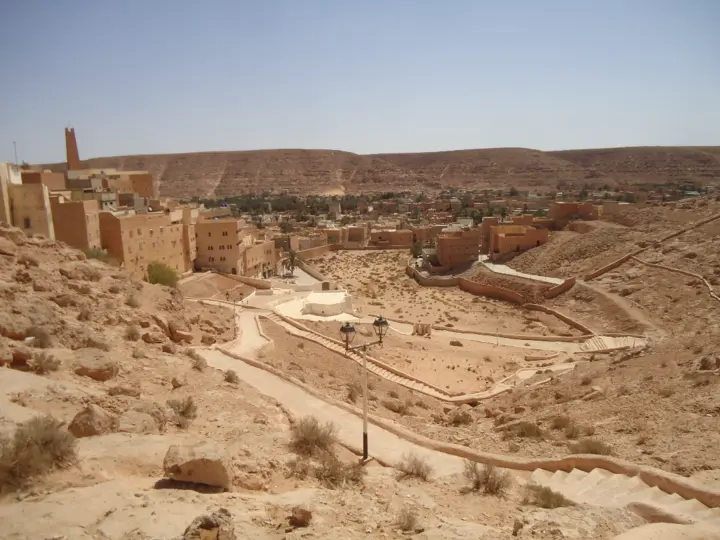
Ghardaia was founded in the eleventh century by the Ibadi Mozabite community, who migrated to the region seeking a quiet place to practice their religion away from the political and religious conflicts of North Africa. They established an integrated agricultural and urban society, and the towns of the M'Zab Valley became an example of coexistence and sustainable urban planning in a harsh desert environment.
Recommend
The M'Zab Valley includes several historic towns besides Ghardaia, such as Bennoura, Malika, Atef and Qarara. All of these towns are notable for careful urban planning and distinctive architecture, which led to their inscription on the UNESCO World Heritage List. Over time, Ghardaia has grown into an important economic and cultural center, attracting visitors from around the world.
Mozabite architecture: ingenious responses to the desert
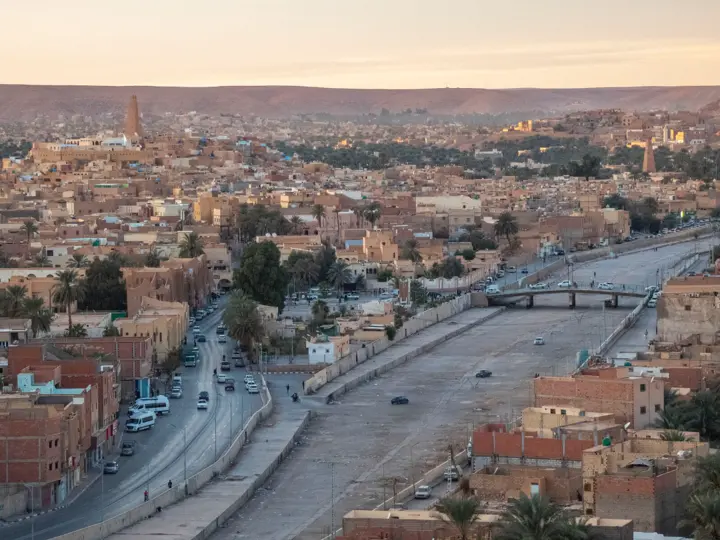
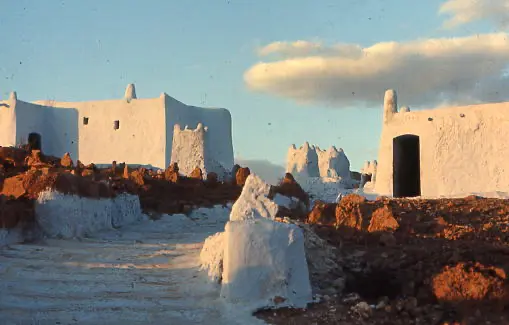
A defining feature of Ghardaia and Mozabite architecture is how well the buildings respond to harsh desert conditions. The architecture is not only aesthetic but practical: it shields against extreme daytime heat while retaining warmth at night. Houses in Ghardaia are built of clay and stone and use clever designs to promote natural airflow, making them comfortable without modern cooling systems.
Flat roofs reflect the scorching sun, and small windows limit heat entering interior spaces. Narrow alleys provide shade for passers-by and protect against direct sunlight—an architectural pattern found across the towns of the M'Zab Valley. Each neighborhood has its own mosque and central market, reinforcing a strong sense of community among residents.
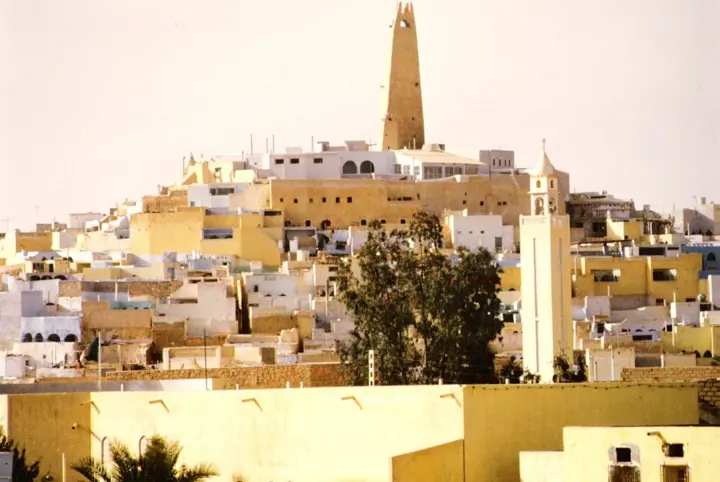
One of the most prominent landmarks in Ghardaia is its Grand Mosque, regarded as a masterpiece that blends simplicity with beauty. The mosque is an important religious site in the region, drawing visitors and worshippers from across Algeria and beyond.
Everyday life in Ghardaia: a balance of heritage and modernity
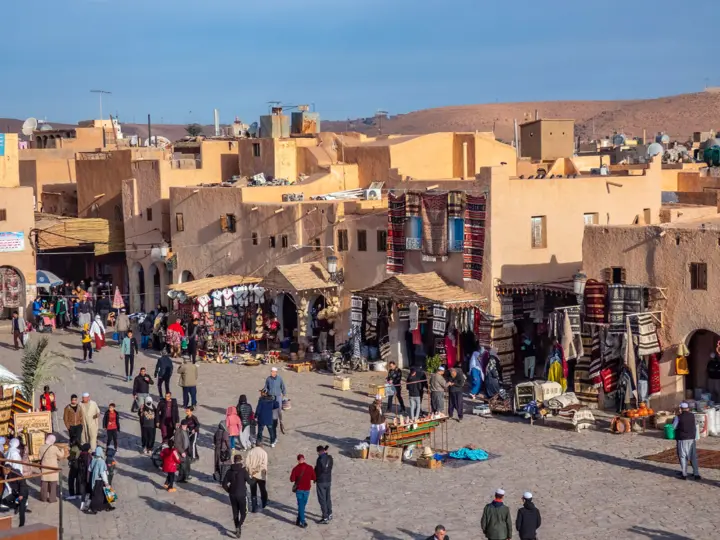
Ghardaia is not only a historic town; it is also lively and vibrant. Its residents maintain traditional customs while engaging with modern life. The city's traditional markets are bustling, offering local products such as dates, Mozabite carpets, and leather goods.
Shopping in Ghardaia is an experience in itself: visitors can wander narrow alleys and discover traditional shops selling handicrafts that reflect Mozabite culture. The local crafts range from pottery and carpets to textiles and wooden furniture made by skilled artisans.
Women’s traditional dress in Ghardaia reflects the region's cultural and religious customs. Women wear the haik, a long covering for the body and head. This garment is still worn on special occasions and is considered a symbol of Mozabite identity.
Discover the oasis of Ghardaia: a paradise in the heart of the desert
Although Ghardaia sits in an arid region, it is a green oasis full of life. Agriculture plays a key role in the city's economy; Ghardaia is known for its date palms and the production of high-quality dates. The oases offer striking views as vast palm groves extend among the sand dunes.
Agriculture in Ghardaia relies on a smart, sustainable irrigation method developed by the Mozabites over generations. This system, known as al-Faqara, distributes water from wells so that all fields receive an equitable share. This simple but effective technique shows local ingenuity in making the most of limited resources in a desert environment.
Tourist destinations in Ghardaia
When visiting Ghardaia, there are many attractions you should not miss. Among the most important are:
1. Kasbah: The old town that preserves its authenticity and architectural heritage. Wandering its streets gives visitors a sense of time travel, where tradition meets modern life.
2. Grand Mosque: An architectural and religious landmark in the heart of the town. Its simple, functional design reflects the spirit of Mozabite architecture.
3. Souk Ghardaia: A gathering place for artisans and traders where visitors can buy carpets, pottery, and traditional antiques.
Cultural festivals & events
Throughout the year, Ghardaia hosts many festivals and cultural events that celebrate its rich heritage. One of the most important is the M'Zab Valley Festival, held annually and featuring artistic performances, music, and craft workshops. Ghardaia is also a center for folk arts such as traditional dance and folkloric music.
Best time to visit Ghardaia
Winter and spring are the best seasons to visit Ghardaia, when temperatures are milder than in the hot summer months. During these times, visitors can tour the town and explore its historical and cultural sites without facing extreme desert heat.
How to get to Ghardaia
Ghardaia has a strategic location and is accessible from many parts of Algeria. The city can be reached by air through Ghardaia Airport, which receives domestic flights from Algiers, Oran and Constantine. It is also accessible by road by bus or private car.
Ghardaia is not just an ordinary desert town; it is a destination that blends the natural beauty of the Sahara with the architectural genius of the Mozabites. Visiting Ghardaia gives travelers a unique chance to explore a rich culture and heritage while enjoying breathtaking oasis scenery and remarkable historical monuments.