


Is weight really that simple: calories coming in and calories coming out?



Is the statement "calories in, calories out" correct? The short answer is yes, but the full story needs more details. From the moment food enters your mouth until the moment it leaves your body, your digestive system and gut microbiome extract nutrients from it. Enzymes in your mouth, stomach and small intestine break down food for absorption, while microbes in your large intestine digest the leftovers. In this article, we show how digestion works, and what are the main factors that affect it.
Metabolic regulation:

The term "calories in and calories out" means that weight change is determined by the balance between the calories a person consumes and those he expends. This includes not only how many calories it eats and absorbs through digestion, but also how well those calories absorbed by metabolism are burned. Recent research suggests that one important factor affecting people's changing appetite, digestion and metabolism is the remaining bioactive components of food. These bioactive substances play a key role in regulating the body's metabolic control centers: the appetite center in the brain, the hypothalamus; the digestive bioreactor in the intestine, the microbiome; and the sources of metabolic energy in cells; and mitochondria.
Recommend
Metabolic regulation:
The term "calories in and calories out" means that weight change is determined by the balance between the calories a person consumes and those he expends. This includes not only how many calories it eats and absorbs through digestion, but also how well those calories absorbed by metabolism are burned. Recent research suggests that one important factor affecting people's changing appetite, digestion and metabolism is the remaining bioactive components of food. These bioactive substances play a key role in regulating the body's metabolic control centers: the appetite center in the brain, the hypothalamus; the digestive bioreactor in the intestine, the microbiome; and the sources of metabolic energy in cells; and mitochondria.
Fibers and polyphenols:

Research has shown that eating whole foods "coated" with their original fibers, polyphenols — the cellular envelope and colored compounds in plants that confer many health benefits — leads to more calories lost through feces, compared to processed foods that have been "pre-digested" in factories, turning them into simple carbohydrates, refined fats and additives. This is one way that calorie-free factors affect the "incoming calories and calories outgoing" equation, which can be useful in a world where calorie intake often exceeds needs. Eating more whole foods and fewer processed foods simply allows you to eat more because more of those unprocessed calories come out of the other end without using.
Fiber and polyphenols also help regulate your appetite via the brain, as your microbiome converts these active biomaterials into metabolites — by-products of digestion — that naturally reduce your appetite. These metabolites regulate the gut hormones that inspired weight-loss medications, and control appetite through the satiety center of the brain, the hypothalamus. Processed foods lack these active biotics and are made with plenty of salt, sugar, fat, and additives to taste acceptable, so you want to eat more of them without noticing their harm.
The role of mitochondria:
On the other hand, a complete calorie count depends on how effectively your body burns them to power your movement, thoughts, immunity, and other functions, a process largely regulated by cellular mitochondria. Healthy people usually have a mitochondria that easily processes calories to operate cellular functions. People with metabolic diseases have mitochondria that don't work well, which contributes to increased appetite, smaller muscle size and increased fat storage. They also have less mitochondria-rich fat called brown fat. Brown fat burns calories to produce heat instead of storing it. Low body temperature may help explain why some people with obesity have a low body temperature, compared to those who aren't. Healthy mitochondria that burn more calories may also help explain why some people are able to eat more without gaining weight. But this raises the question: why do some people have healthier mitochondria than others? Mitochondrial health is influenced by many factors, including factors commonly associated with overall well-being: regular exercise, adequate sleep, stress management, and healthy eating.
Role of metabolism:

The latest nutrition research reveals the roles previously unappreciated dietary factors play in mitochondrial health. In addition to essential macronutrients – fats, proteins and carbohydrates – and micronutrients such as vitamins and minerals, other residual factors in food, including fiber, polyphenols, bioactive fats and fermentation products, are also key to metabolism. Unlike the Western diet, which often lacks these bioactive elements, traditional diets, such as the Mediterranean diet, are rich in foods full of these factors, such as nuts, seeds, fruits, vegetables, whole grains and fermented foods. Many biologically active elements pass undigested into the large intestine, where the microbiome converts them into active metabolites. These metabolites are then absorbed, affecting the number of mitochondria in the cells and how they work. At a basic level in a cell, metabolites turn on and off the molecular keys in your genes, which can affect you and your offspring.
The role of the microbiome:
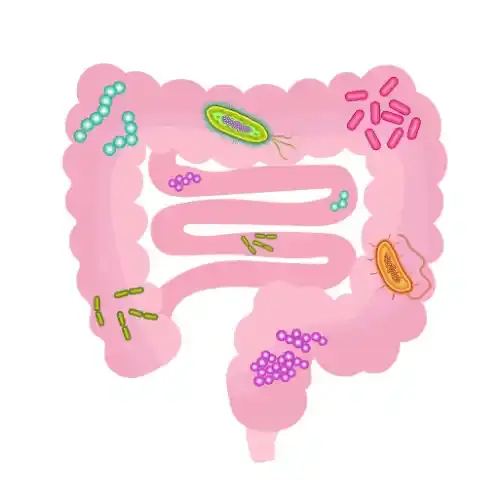
A healthy microbiome produces a full range of beneficial metabolites that support the burning of brown fat, improve muscle endurance and metabolic health. But a microbiome capable of converting biologically active substances into active metabolites is not present in everyone. Long-term consumption of processed foods, low in bioactive substances and high in salt and additives, can impair the microbiome's ability to produce the metabolites needed for optimal mitochondrial health. Overuse of antibiotics, extreme stress and lack of exercise can also negatively affect the health of your microbiome and mitochondria.
Maintaining metabolic health is due to the simple healthy lifestyle pillars of exercise, sleep, stress management, and a nutritious diet. But a few simple tips can help make the choice of a nutritious diet easier. Aids like the four elements of food — fiber, polyphenols, trans fats and yeasts — can help you focus on foods that support your microbiome and mitochondria.
