


Tips for taking great photos


Who doesn't wish to be able to take great pictures? Especially with digital devices where everything seems automated, and there is no need to do anything special? But in fact, we all know that there are "talented" photographers. In this article we show some aspects of photography and some tips that allow everyone to take successful photos that make us "talented" in the eyes of others.
Show key points
- Applying the rule of thirds can make photos more visually appealing and better composed by avoiding centering the main subject.
- In portrait photography, it's crucial to ensure the eyes are sharply in focus, as they naturally draw the viewer's attention.
- A simple, uncluttered background enhances the subject by minimizing distractions and can be managed through framing or aperture settings.
- ADVERTISEMENT
- Mastering the exposure triangle—ISO, aperture, and shutter speed—is essential for controlling light and creating the desired visual effect.
- Always check and adjust your camera's ISO setting prior to shooting to avoid overexposure or unwanted grain, especially in bright conditions.
- Using a tripod not only improves photo sharpness in low-light conditions but also enables long exposure shots for creative effects.
- Taking photos during the golden hour provides soft, warm lighting that can dramatically improve outdoor shots and evoke a peaceful mood.
Understanding the rule of thirds:
The rule of thirds is based on the idea that images are generally more interesting and balanced when they are not in the middle. Imagine a grid placed over your photos with two vertical lines and two horizontal lines that divides the image into nine equal sections. If you follow the rule of thirds, instead of placing your subject or important elements in the scene in the middle of the image, you can place them along one of the four lines, or at the points where the lines intersect. Some cameras even have a network option that you can turn on, which can be useful if you're still learning how to compose your photos.
Recommend
The eyes should always be in focus:

When shooting portraits, you'll focus on a very small area, so it's important to get an accurate photo. Eyes in particular are an important feature of the face and are often the first thing people look at, especially when it comes to close-ups and face shots. With this in mind, the eyes should be the main focus.
Pay attention to the background:
In general, the background should be as simple and clutter-free as possible so as not to draw the viewer's attention away from the main subject of the image. Use the subdued colors of the background, so viewers don't end up paying more attention to the colorful building or tower in the background than the person you photographed. Fixing a distracting background can be as simple as changing the person's position slightly, or changing the angle of shooting, but if that doesn't work, it may be possible to hide it with a wider aperture and get as close to the subject of the photo as possible. However, whenever you can, try to keep the background neutral, especially if you are placing your subject on the side of the image and the background is very visible.
Understanding the exposure triangle:
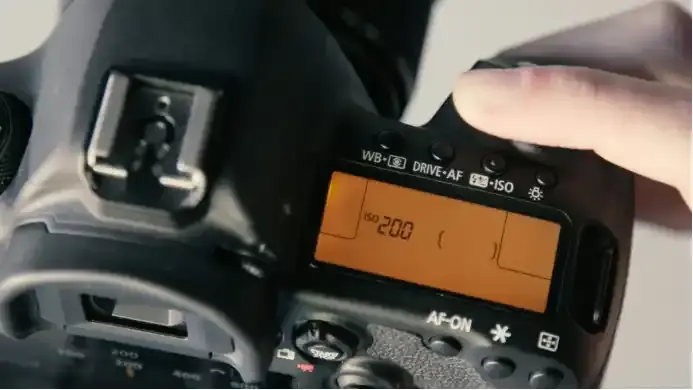
The exposure triangle simply indicates the three most important elements of exposure: ISO, aperture, and shutter speed.
ISO controls the camera's sensitivity to light. When the ISO value is low, the camera is less sensitive to light, and when it is high, the camera is more
Aperture controls how much light passes through the camera sensor, as well as the depth of the field of view. Depth of field refers to the area around the focus point in the image that remains accurate. The higher the aperture value (indicated by f, the lower the number) the more light passes, but it has a shallow depth of field. A smaller aperture (indicated by a higher f) allows less light to pass through, but has a greater depth of field. A large aperture is usually better for portraits, whether for people or animals, this will keep the subject of the photo clear, while hiding any distractions in the background, while a small aperture is better for landscapes because everything in the landscape from the rocks in the foreground to the mountains in the background must be clear and accurate. A larger f/ number means a smaller aperture, so go to f/22 or higher, as your lens allows.
Shutter speed: Shutter speed controls how long the shutter stays open when the photo is taken. The longer the shutter stays open, the more light passes through the camera sensor. A fast shutter speed is good for freezing motion, while a longer shutter speed will blur motion. Long shutter speeds can give interesting effects, but usually require a tripod.
Check the camera's sensitivity before you start shooting:
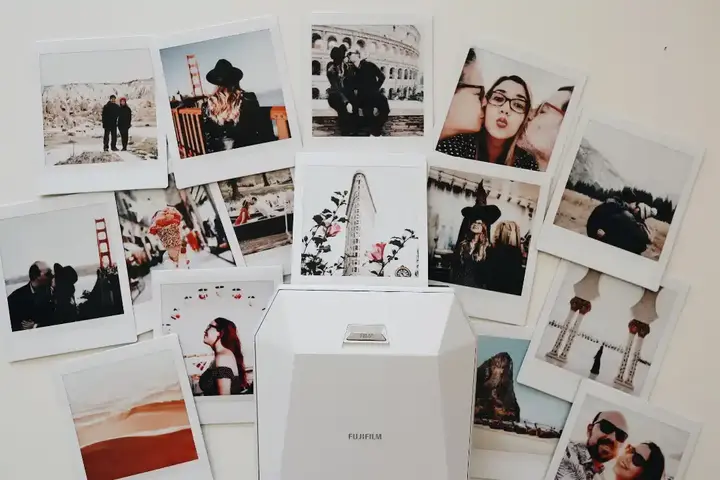
Discovering that you accidentally took a whole series of photos at ISO 800 on a bright sunny day can be very frustrating, especially if the photos were taken to document a special occasion such as a birthday, anniversary, or other event that cannot be recreated. It's an easy mistake to make, so to avoid this unpleasant surprise, get into the habit of checking and resetting your ISO settings before you start shooting anything. Or get in the habit of resetting it every time you're ready to put the camera back in its bag.
Be careful with camera flash:
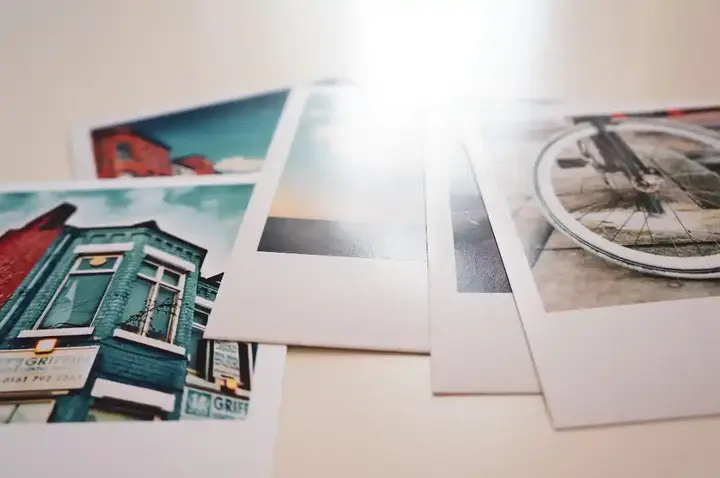
If you're not careful, using the camera flash at night or in low light can lead to some unpleasant effects such as red eyes and harsh shadows. In general, it's better to increase ISO sensitivity and get noisier images than to use a camera flash and risk spoiling the shot altogether.
Invest in a tripod:
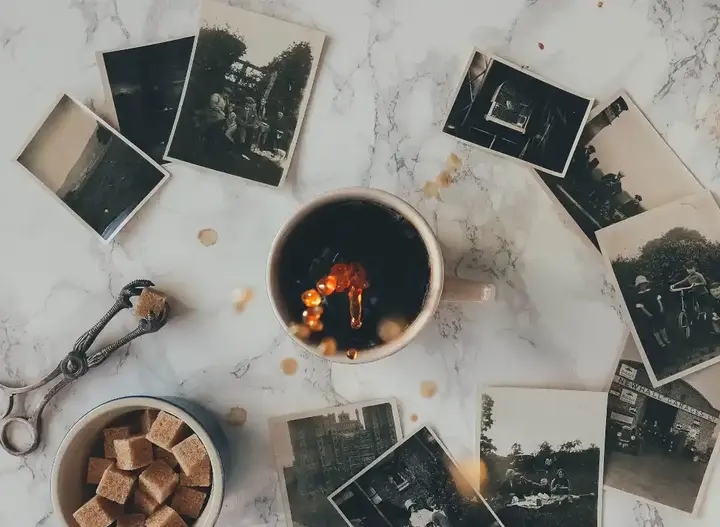
If you want to get clear images in low light without increasing ISO too much, the tripod is a basic accessory. It will also allow you to experience long exposure shooting, leaving the shutter open for seconds or even minutes at a time, which can lead to some amazing effects when shooting things like city landscapes or rivers and waterfalls.
Early morning and evening photography:
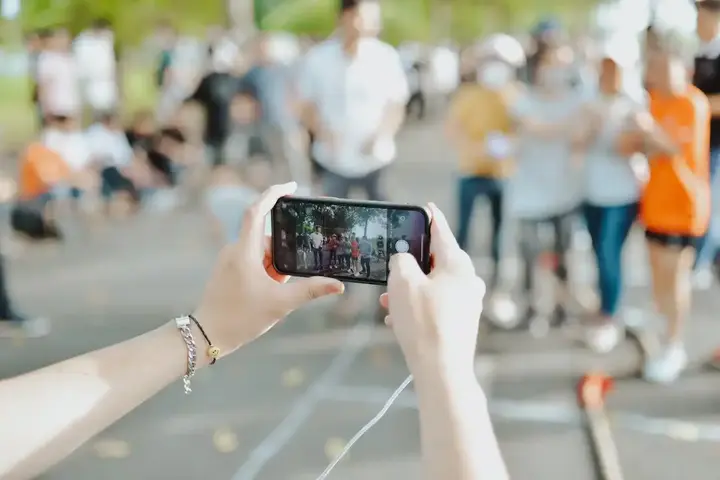
Lighting can make or destroy an image, and it is widely believed that early morning and evening are the best times of day to take pictures. In photography, the hour after sunrise or before sunset is called the "golden hour," because the sun is low in the sky and the light is softer and warmer. Whether you're taking landscapes, portraits or still life, using early morning or evening light can give your photos a sense of calm with its warm glow and long shadows. Of course, the Golden Watch isn't the only time you can take good outdoor photos, but it does make it easier.
Learn from your mistakes:
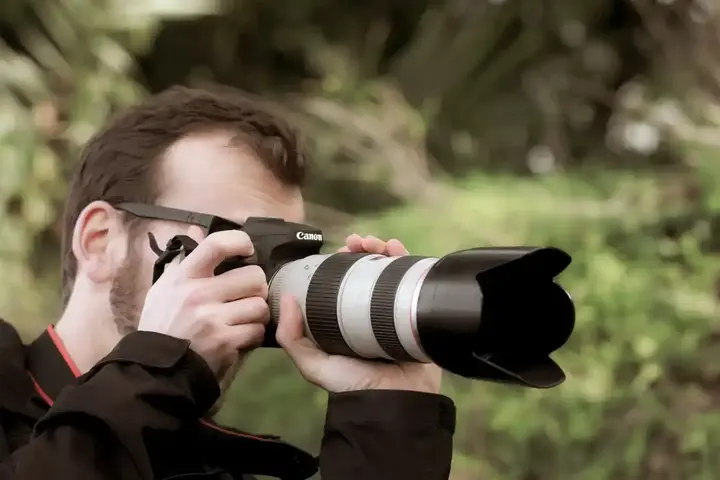
Getting overexposed, blurry, or poorly composed images can be frustrating, but instead of letting such images frustrate you, use them as a learning tool. The next time you get a bad photo, don't hit the delete button immediately. Instead, spend some time studying the image to see what went wrong and how you can improve it. Remember, the best way to keep improving is to practice a lot, make mistakes, and be open to learning from others, whether they're professional photographers or beginners in the profession.
