


4 types of wood you should know and their uses in home decoration and furniture



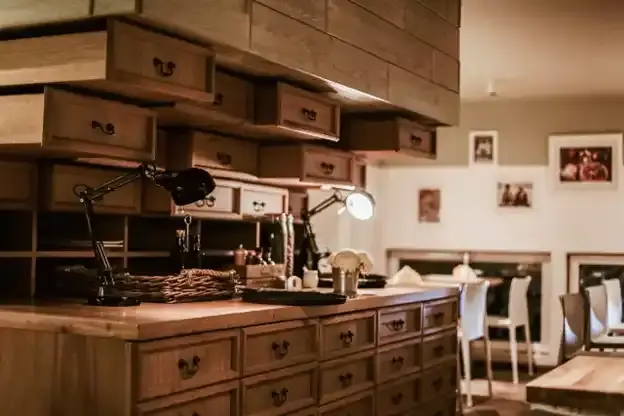
There are many types of wood, some soft and some hard, and the characteristics of each type play a major role in their uses. When buying or manufacturing furniture and paying attention to the décor in your home, you will find that it seems more complicated than just two sections of wood. There are natural woods, manufactured woods, so-called veneers, particleboard, and other choices that seem complicated, but with some understanding of the characteristics of each type, you will find that it is less difficult and the choice is clear. Of course – wood prices also vary widely, especially in countries where wood is not abundant.
Show key points
- Wood comes in many types ranging from natural to manufactured, each with distinct characteristics, making selection for furniture and décor a nuanced process.
- Natural wood like pine, oak, and walnut is durable and elegant, but its scarcity in some regions can drive up prices.
- Manufactured wood, often combined with materials like plastic or aluminum, offers excellent resistance to pests and wear, making it a popular choice in modern construction.
- ADVERTISEMENT
- Beech wood is appreciated for its hardness, smooth texture, and decorative flexibility, though it absorbs moisture and is relatively expensive.
- Oak wood, while tough and durable with a luxurious appearance, is costly and difficult to shape, making it ideal for impact-prone furniture and decorative wall layering.
- Mahogany stands out for its durability, resistance to climate changes, and aesthetic appeal, making it a preferred option for high-end furnishings and carvings.
- Counter wood, especially when made of high-quality layered veneer, serves as a durable, repairable, and economical alternative for kitchen cabinets and shelving.
Natural wood is taken from trees in particular from tree stems and its main component is cellulose. In this case, the wood is treated and dried with chemicals to protect it from damage to last longer. White pine, heavy pine, red cedarwood, oak and walnut are considered some types of natural wood.
Recommend
As for industrial wood, it is man-made and enters into many industries and sometimes is made by mixing natural wood with other materials such as vinyl, plastic and aluminum, and industrial wood is characterized by its resistance to damage and pests. Plakash and some types of counter and hardboard are considered types of manufactured wood and enter the manufactured wood in many industries such as the manufacture of furniture, floors and multiple construction works. Engineered wood is a good alternative to natural wood for its durability and resistance.
If you are working on your home décor, buying new furniture, or renovating wooden pieces in home or office décor, we invite you to follow the lines of this article and learn about some of the characteristics of the best wood for home décor and furniture.
1- Beech wood

Its texture is smooth, soft, has a natural shine and can be maintained. Beech wood is one of the most famous and widely used natural woods and is known for its hardness and tolerance to pressure, and it is also used as a support in woodwork since it is resistant to corrosion. What distinguishes beech as wood used in the manufacture of furniture is its ability to form and decorate, so it is suitable for pieces of furniture that look like masterpieces and modern in your home. However, one of the disadvantages of beech wood is its moisture absorption and its high price.
Beech wood is used in the manufacture of tables, offices, bedrooms, floors, internal and external doors, and it is also used in the kitchen industry, as it is odorless wood, besides being shockproof and withstands high temperatures. Beech wood also distinguishes its elegance especially after its painting and coloring.
2- Oak wood
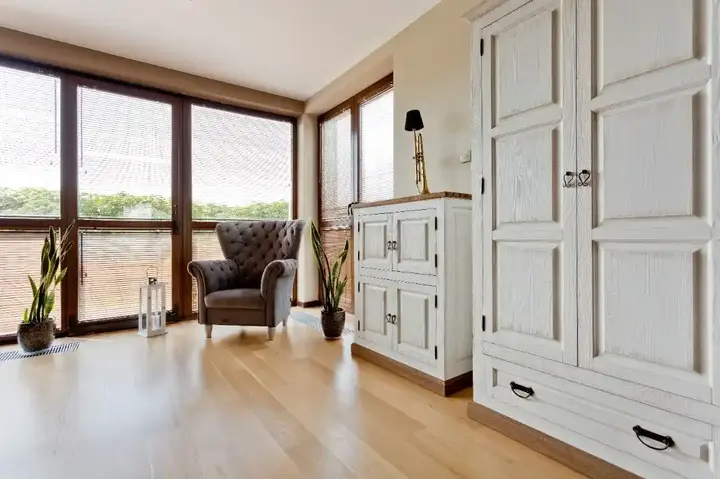
Arrow wood is strong, tough and durable, so it's easy to understand how difficult it is to shape and decorate. It is used in the manufacture of furniture pieces that are most vulnerable to shocks. Because of its elegant appearance, it is sometimes used for walls, but it is not used extensively due to its high price. There are many types of it such as American, English, African, Austrian and Yugoslav arrow.
There is white and reddish white and white Arrow wood. White is considered the most demanded and therefore the most expensive. It is an easy-to-form wood. It is used in floors and walls as a protective layer due to the shape of its branching veins, which give an elegant and beautiful appearance to the walls in particular after painting it, as it absorbs its open pores for paint.
3- Mahogany wood
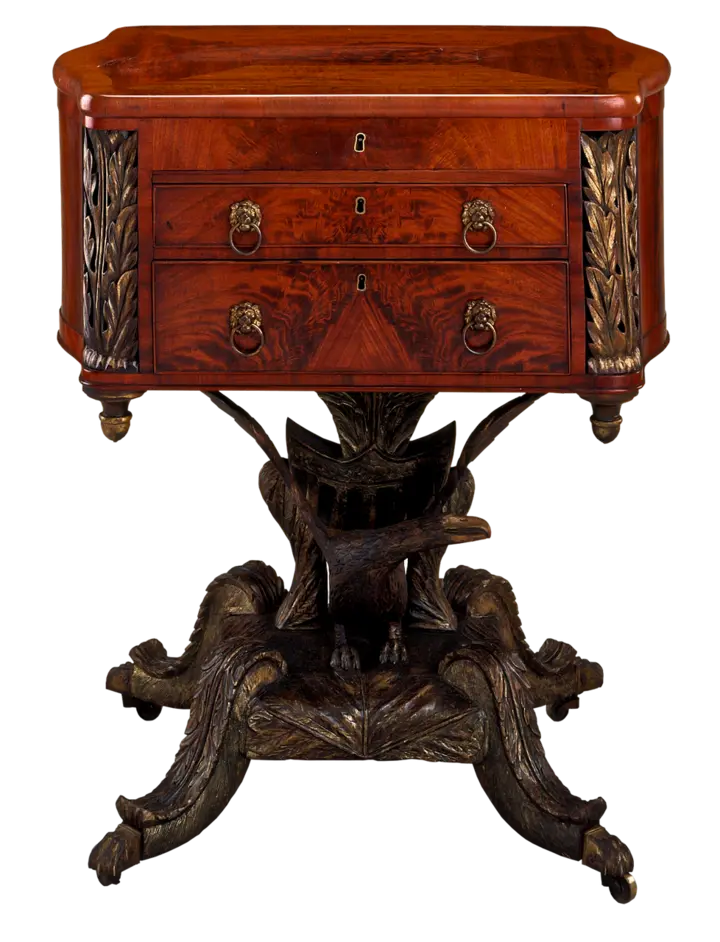
Mahogany wood resembles beech in its durability, strong fiber overlap, hardness and density of its panels distinguish it from other woods. It is also easy to form and finish, including American, African, Cuban and Indian, but the African is considered the most distinguished as it is resistant to shocks and weather fluctuations and therefore, it is more expensive. Its tolerance to high temperatures makes it the perfect choice for the furniture industry in the Gulf countries. Mahogany wood is resistant to water and other factors, and its reddish-brown wavy color makes it very elegant and distinctive. Despite its durability and hardness, it is easy to carve due to its looseness, and unlike other woods, it does not expand or contract. Mahogany is involved in the manufacture of doors, floors and various home decorations, as well as the manufacture of wooden antiques.
4- Wood counter
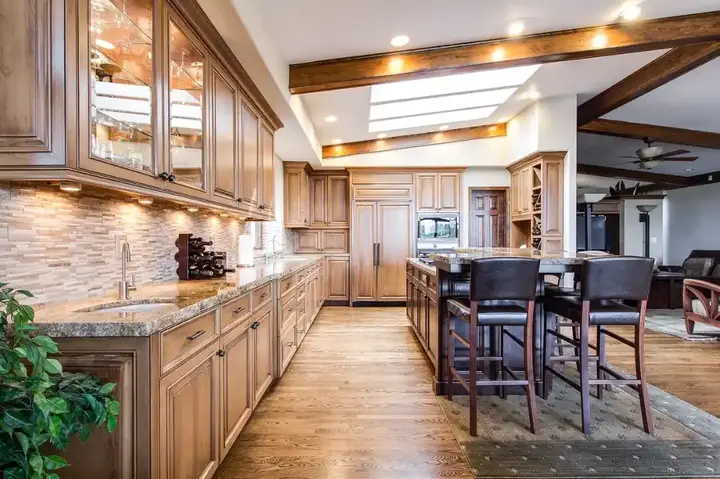
Counter wood has many types, some of which are made of natural wood and others of processed wood, but its shape tends to be the shape of natural wood, and you can also re-polish it in case of damage. If you want to replace marble or granite with your kitchen tables, counter wood is the perfect alternative to that and it is one of the most famous woods in the manufacture of kitchen cabinets now.
The counter panels vary according to the method of their manufacture, for example, there is a counter made of layers of hard panel veneer, which are glued opposite each other with presses to make durable, solid and lightweight panels at the same time and suitable when using nails and are called "counter panels with shell filling". It is followed in quality by counter panels with MDF filling, which is suitable for doors, but it is less quality and is not suitable for use with the installation of nails and is more weighty. Mixed counter panels connect veneer filler to MDF features but are generally considered to be of lower quality.
When choosing counter panels, we advise you to choose panels with a flat surface, examine the edges of the board, look at the layers of the inner shell, and choose flat, uniform thickness and low defects. Remember, no wood plank is completely flawless but the best existing can always be chosen. Layered counter panels 18 mm thick (13 layers of veneer) are considered the best for the manufacture of drawers and shelves. Buying wood from the main warehouses is ideal in terms of saving different quantities and sizes and is also very economical. With care and attention, you will find that counter wood lasts for years due to its durability and hardness.
