


The most dangerous roads ever built



Navigating through roundabout and dangerous roads has always been a breathtaking adventure that makes us wonder how something so dangerous was built. In this article, we review the most dangerous roads in the world, roads that will make you hold your hat and tighten your seat belt, as they have a long history of accidents and weather problems that make driving in them a real challenge.
Show key points
- Many of the world's most dangerous roads, like the Guiliang Tunnel in China, were built under extreme conditions and have high accident rates due to limited visibility and falling rocks.
- Ice-covered routes such as Canada's Toktwick Winter Road challenge drivers with frozen surfaces and remote, treacherous paths through the Arctic.
- Steep mountain passes like Trollstigen in Norway and Sani Pass in South Africa are notorious for their hairpin turns, narrow lanes, and extreme elevation changes.
- ADVERTISEMENT
- Roads built through natural rock formations, such as Skippers Canyon in New Zealand and Chapman Summit in South Africa, are prone to mudslides and rockfalls, increasing their danger.
- Harsh climates, like the intense heat on the Trans-Saharan Route or the heavy snow along Japan's Tatayyama-Kurobe Alpine Road, demand special precautions from travelers.
- Many of these roads, including Bolivia's North Yungas Road and Afghanistan’s Kabul-Jalalabad Road, have earned reputations for being deadly due to frequent accidents and challenging terrain.
- Despite the risks, roads such as the Great Ocean Road in Australia and Stelvio Pass in Italy attract thrill-seekers and tourists for their scenic beauty and historical significance.
Guiliang Tunnel, China
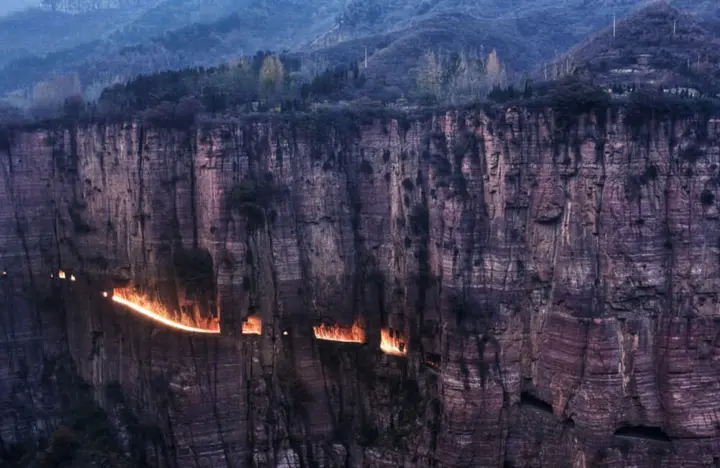
The tunnel is named after a rebel from the Han era, the former Chinese ruler, and it is the only link of Guliang Village to the outside world, in 1977, a group of villagers dreaming of building a road to the outside world decided to sell their livestock to buy the necessary tools, and surprisingly they using hammers and chisels, they carved a tunnel 0.75 miles long, 13 feet wide and 16 feet high, but drivers on this road face danger. Falling rocks and frontal collisions due to limited visibility, the number of deaths in this tunnel has been estimated between 300 and 1,000 people.
Recommend
Toktwick Winter Road, Canada
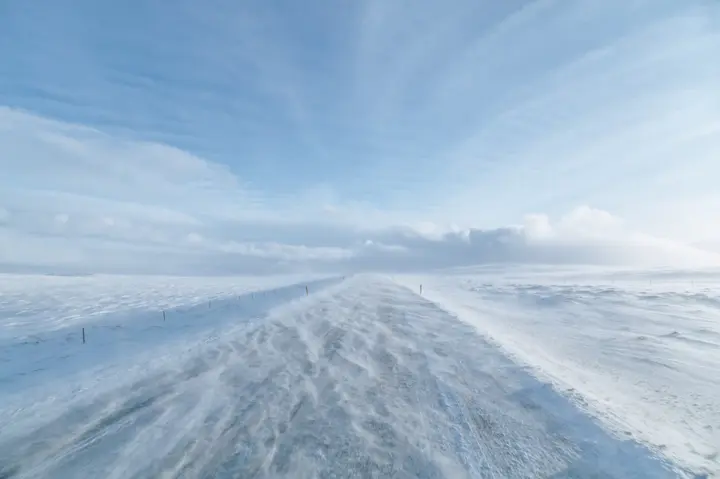
The Toktwick Winter Road was an icy route that ran through the frozen Mackenzie River and the Arctic Ocean, between Canada's Northwestern Territories, Toktwick and Innovik. The road used to reach the hydrate gas fields of Langley, Abbott and Malik, and the Toktwick Road appears on the Canadian History Channel's Ice Road Trackers, where viewers catch their breath as they follow the adventure of drivers as they navigate this dangerous ice-covered road, making it one of the most dangerous roads in the world.
Trolstigen Road, Norway
King Haakon VII opened the Trollstigen Road in 1938, a winding and twisting road that crosses the municipality of Rauma in Norway, as this road attracts thrill-seeking tourists due to its steep 10% slope, and during the tourist season, about 2,500 tourist cars challenge this ramp daily. In addition to the challenge of steep slope, there is a narrow driving space and 11 sharp turns, making driving very dangerous.
Sani Pass, South Africa
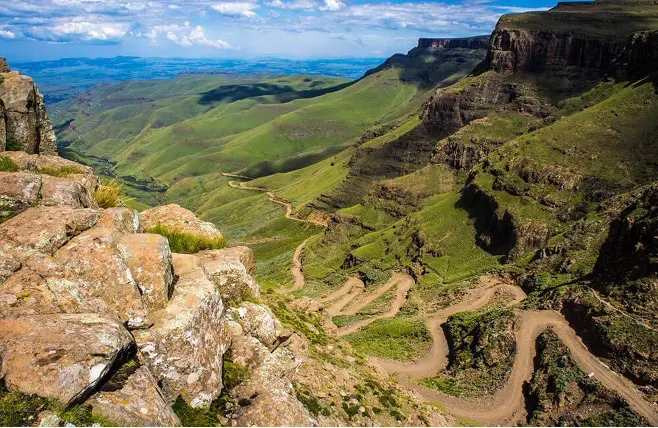
Located in KwaZulu-Natal, South Africa, the Sani Pass is the road between Underberg and Makhutlong in Lesotho. The route starts at a very high altitude of more than five thousand feet and climbs an additional 4,370 feet to reach a total extreme altitude of 9,436 feet, and the trail features steep slopes and unpaved roads, and can only be crossed by SUVs according to South African law.
Skippers Canyon Road, New Zealand
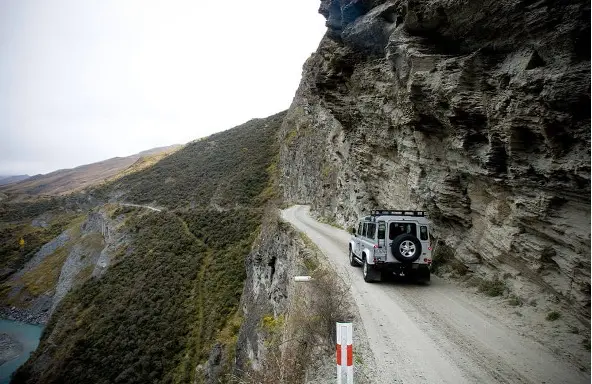
During the Gold Rush of the nineteenth century, prospectors began to form steep paths, which led to the appearance of the features of the Skippers Road, and in 1890, an actual road was built over these rough paths, and this road is very dangerous because of its formation of local rocks that turn into dust in dry weather and into slippery mud in wet weather.
Friendship Road, Tibet
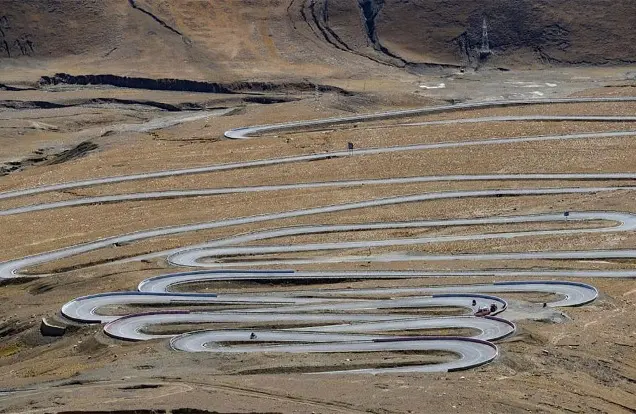
The Friendship Road is a scenic 500-mile route connecting Lhasa in Tibet with the China-Nepal border, crossing three lanes over 16,400 feet and then descending to 5,700 feet at the border, meaning there is a slope of more than 10,000 feet. Despite its friendly name, this road is considered one of the most dangerous in the world due to its deteriorating condition and steep slope.
Col du Torini Road, France
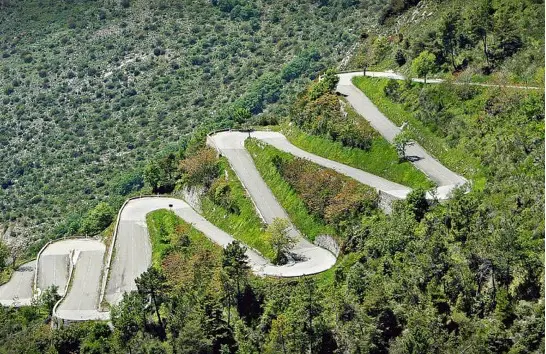
The Col du Torini road is one of the most dangerous in the world, passing through the Alps in Nice, France. The road is characterized by its sharp turns and narrow space, which increases its danger. This road is a popular destination for rally lovers and is considered one of the most difficult due to its rugged terrain.
Hannah Expressway, Hawaii, USA
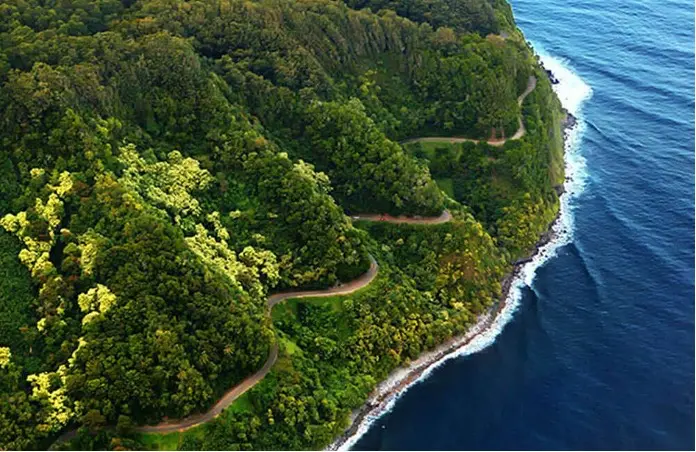
Known as the "road to Hanna," the Hannah Highway runs through the dense tropical forests of Hawaii. The road has about 620 turns, making it one of the most dangerous roads in the world, and of course driving on it requires extreme caution and special skills due to its sharp and blind turns.
Trans-Saharan Route, Africa
A trans-Saharan route also known as TAH 2 runs through the Sahara desert, and is one of the most dangerous roads in the world. The road requires special precautions to handle extreme heat up to 117 degrees Fahrenheit. There are also security problems in isolated sections of the road, which increases its danger.
Connor Pass, Ireland
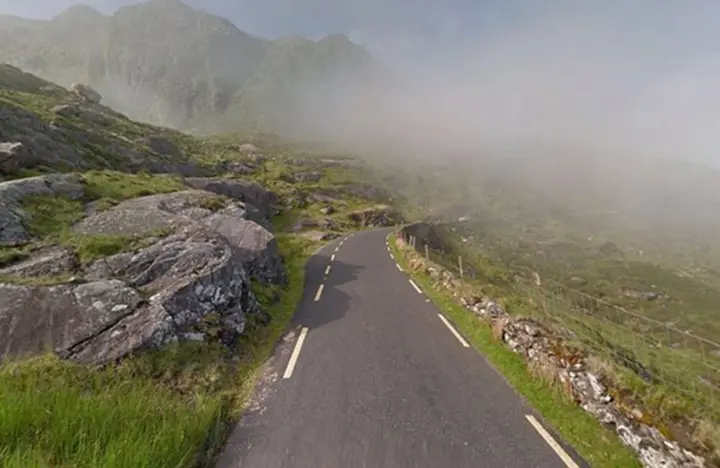
The Connor Pass is one of the highest paved mountain passes in Ireland, reaching an altitude of 1496 feet, and the road is characterized by its many zigzags, narrow space and difficulty in visibility due to frequent water mist, which makes it very dangerous, especially for heavy cars that it cannot support.
Karakoram Highway, Pakistan
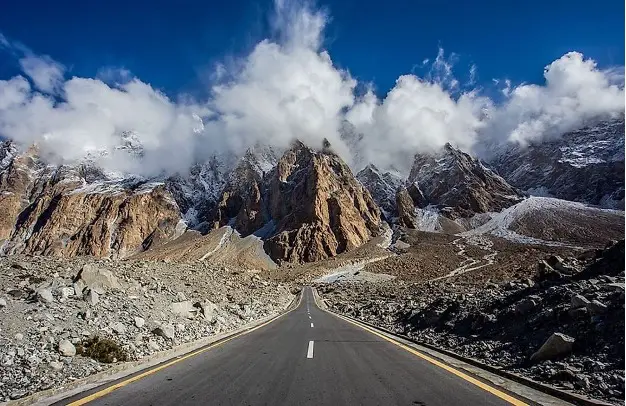
Known as the "Eighth Wonder of the World," the Karakoram Highway runs across the Karakoram mountain range and reaches an altitude of 15,466 feet. The road suffers from frequent landslides that have killed 1,110 workers during the construction period, which is of course a very large loss of traffic, making it one of the most dangerous roads in the world.
Sousten Pass, Switzerland
Stretching across the Swiss Alps, the Sousten Pass is a popular destination for tourists and thrill-seekers, the road is characterized by its beautiful scenery but also its high altitudes and sharp turns, which makes it very dangerous.
Chapman Summit, South Africa
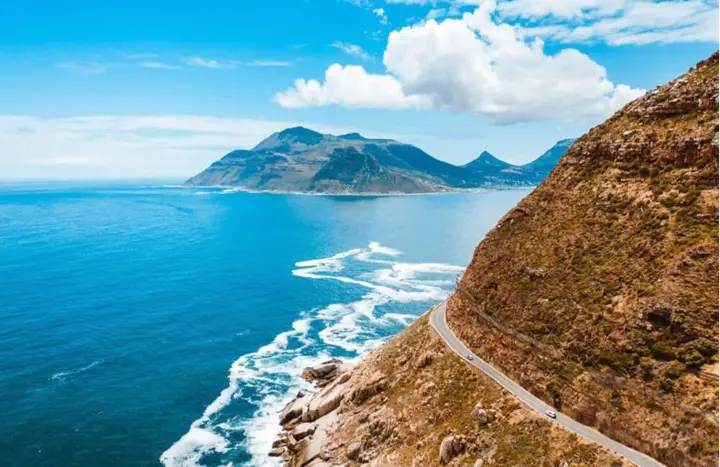
You will not believe that the Chapman Peak Road was carved from the face of a mountain, which makes it vulnerable to rock falls and landslides, and of course it is not surprising when we say that the road was closed several times after fatal accidents, and it is considered one of the most dangerous roads in the world due to its steep slopes.
Chesapeake Bay Bridge/Tunnel, Virginia, USA
The Chesapeake Bay/Tunnel Bridge is one of the longest bridges in the world, stretching for 17.6 miles across Chesapeake Bay, and drivers face the challenges of inclement weather and high altitudes, making driving on it a dangerous adventure.
Dalton Highway, Alaska, USA
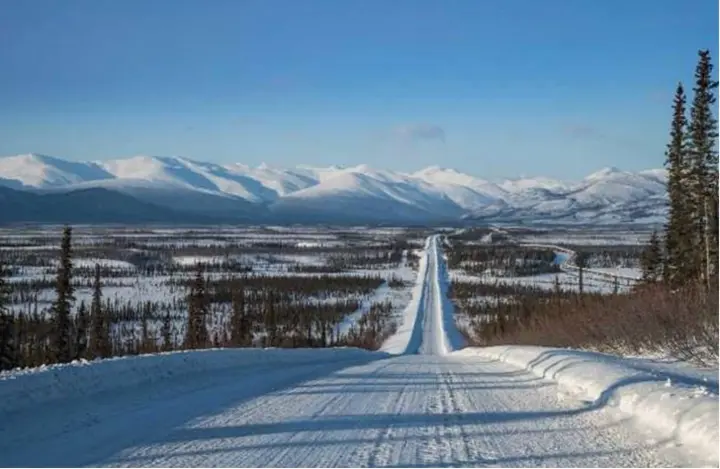
The Dalton Highway in Alaska is no ordinary road. It is considered one of the most dangerous highways in the world, and has appeared on television shows such as "The World's Most Dangerous Roads" and "America's Hardest Jobs." Built in 1974, the road parallels the pipeline that transports oil from Prudhoe Bay to Valdez. The road is located in the far north, and is often closed due to bad weather or to repair parts of it that break down regularly. The road is full of large craters, and visibility is limited due to the inclement weather in the Arctic.
Tatayyama Kurobe Alpine Road, Japan
One of the most beautiful roads in Japan, Tatayyama-Kurobe Alpine Road is dedicated to mountain tourism. Known as the "Roof of Japan," it stretches 23 miles long, with walking trails and great tourist sites. It's a popular destination for mountaineers and hikers, and you can even see Mount Fuji when the weather is clear. But the weather is not always clear, and heavy snowfall often causes limited visibility.
North Yongas Road, Bolivia
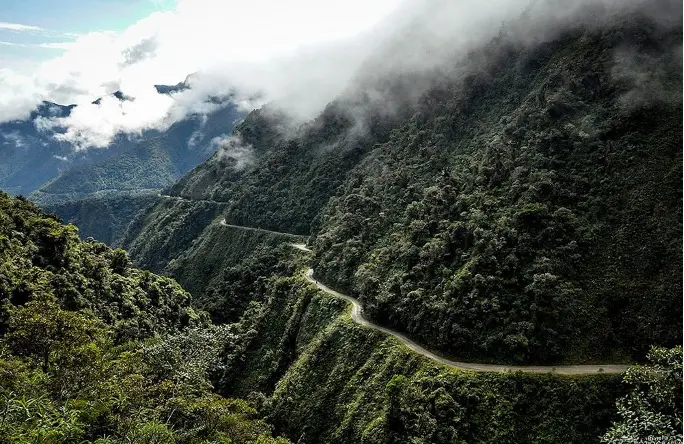
Bolivia's North Yeongas Road is known as the "Road of Death" because of its extreme danger. The route attracts about 25,000 tourists a year and is a major attraction in La Paz, despite its risks. The road is particularly dangerous for mountain bikes, as at least eighteen people have died on the road since the end of the nineties.
Stelvio Pass, Italy
The Stelvio Pass in northern Italy is one of the highest paved mountain passes through the Eastern Alps, and is the second highest pass in the Alps at 9,045 feet above sea level. Although it is paved, the road has its own risks. It features forty-eight sharp turns, and low contexts raise the risk of slipping and falling into the Alps.
My husband Road, India
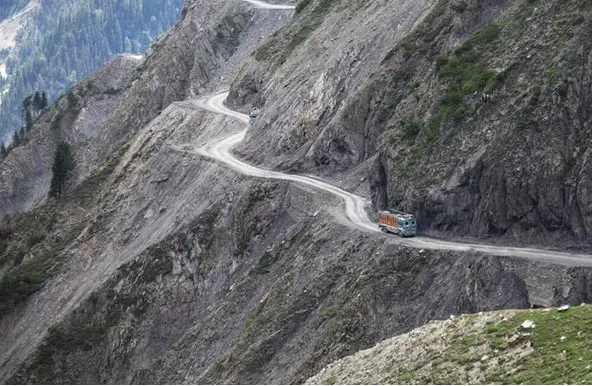
The Zughi Road, also known as Zughi La, crosses through the Himalayas of India, and is located in Durras and connects the Kashmir Valley, the Suru Valley, Indus and the Dras Valley. The road is unpaved, making driving on it risky as travelers try to navigate sharp turns as high as 11,575 feet above sea level.
Los Libertadores Pass, Chile/Argentina
Also known as Cristo Redintor, this mountain pass runs through the Andes, connecting Argentina and Chile. The road features steep and low curves making it a network of traffic, and frozen temperatures and blizzards may leave travelers stuck for hours, if not days.
Tianmen Mountain Road, China
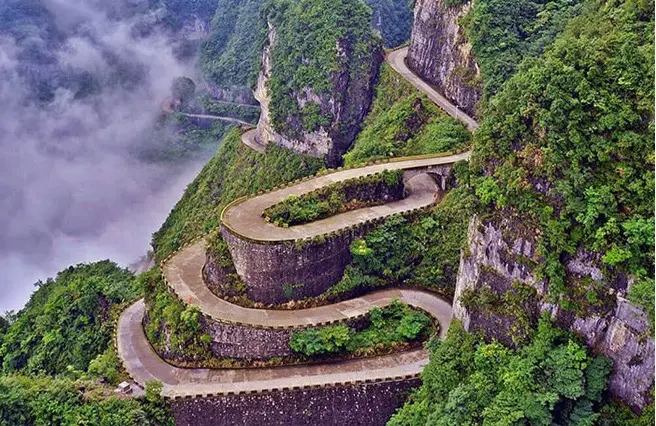
Also known as Tongtian Avenue Road, Tianmen Mountain Road is a seven-mile road with ninety-nine turns, which wraps around the towering mountain. There is no margin, so drivers who drive at speed are under the influence of a steep slope of Tianmen Mountain.
Great Ocean Route, Australia
The Great Ocean Road is one of the most popular roads in Australia. It was built after World War I and is the largest war memorial in the world, honoring those killed in World War I. The Great Ocean Road offers views of some of Australia's beautiful natural landmarks, such as the "Twelve Apostles", limestone rock formations.
Kabul-Jalalabad Road, Afghanistan
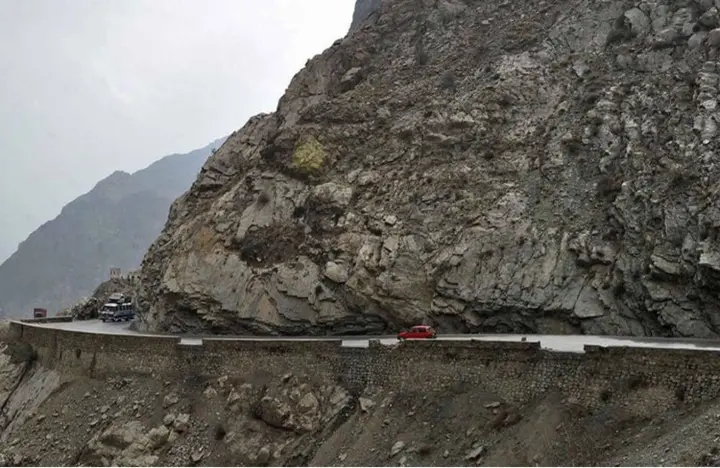
The Kabul-Jalalabad road connects the main Afghan cities of Kabul and Jalalabad. The 94-mile route is considered one of the most dangerous in the world based on the number of fatal traffic accidents that occur each year.
