


Top 10 things you didn't know about Chile


Chile may not be the first destination that comes to mind for an active holiday, but with its fascinating mix of glittering lakes, high peaks, arid deserts and crashing glaciers, there are plenty of opportunities to explore and adventure.
Show key points
- Chile offers diverse landscapes for adventure, including deserts, glaciers, lakes, and peaks, making it an ideal destination for active holidays.
- It is home to the world’s largest swimming pool in Algarrobo, recognized by the Guinness World Records for its massive scale and deep clear seawater.
- The Atacama Desert in Chile is not only the driest but possibly the oldest desert on Earth, with some areas receiving no rain at all.
- ADVERTISEMENT
- As the ninth largest wine producer globally, Chile boasts vast viticulture valleys and a wine heritage dating back to the 16th century.
- Penguins, including Humboldt and Magellanic species, inhabit various coastal and southern regions of Chile, such as Seno Otway.
- Chile has over 1,300 volcanoes, with several active ones attracting climbers and adventure seekers from around the world.
- The country hosts five cultural UNESCO World Heritage Sites, each reflecting significant aspects of its rich history and heritage.
Chile might be the perfect place to travel "faster, higher, and stronger" this year! Want to know more? Here are 10 things you didn't know about Chile
1. The largest swimming pool in the world is in Chile?
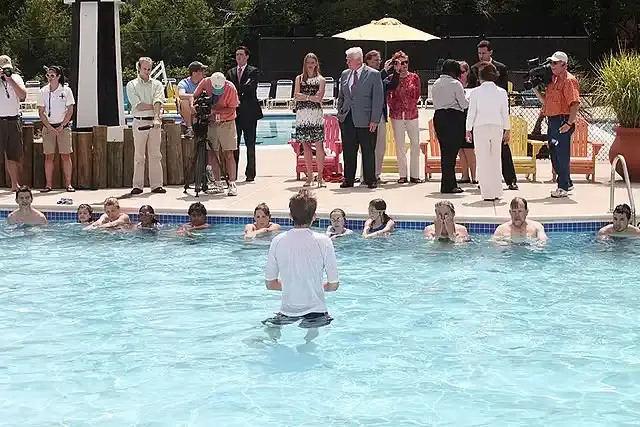
In the Pacific coast city of Algarrobo, we find the most impressive artificial paradise that the Guinness Book of World Records has named the world's largest swimming pool with a length of 1,000 yards, an area of 20 acres and a maximum depth of 115 feet. It contains more than 66 million gallons of clear seawater. Opened in December 2006, the pool took five years to build at a cost of nearly $1 billion and an annual maintenance cost of about $2 million.
Recommend
2. In Chile, you can find the driest place on earth, the Atacama Desert
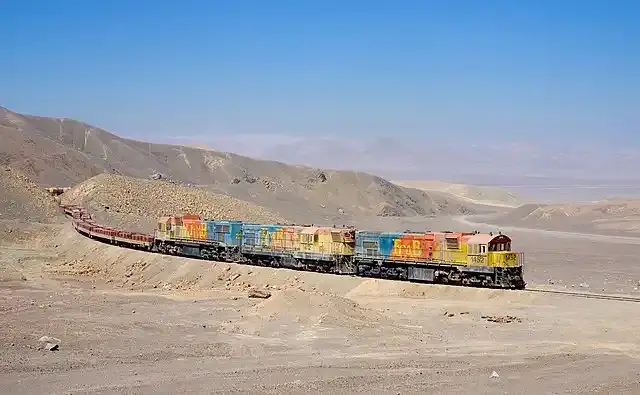
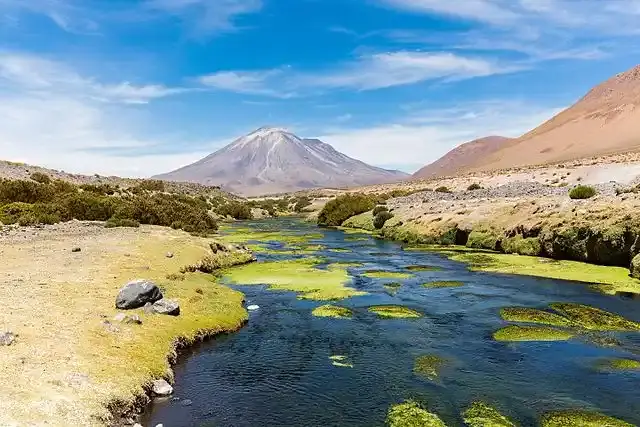
At 7,500 feet, Chile's Atacama Desert is the driest place on earth with landscapes of surreal beauty. Some parts of the region have not received a single drop of rain, and the desert may also be the oldest desert on earth. The desert stretches across a 1,000-kilometre strip of land between the Andes and the Pacific Ocean, spanning 363,000 square kilometers.
3. Chile is a global wine destination and the ninth largest wine producer
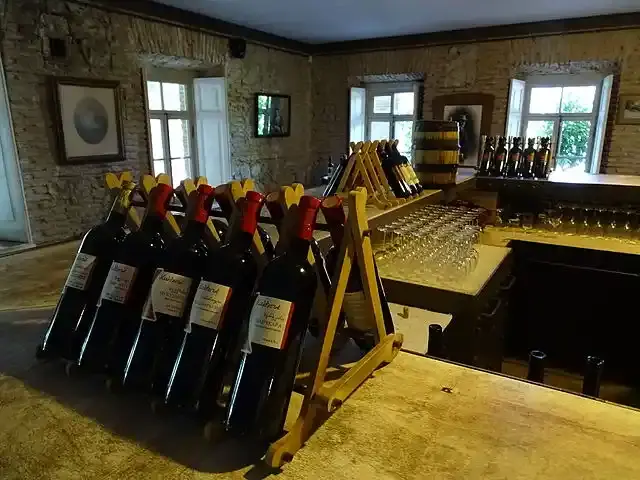
Chile is the fifth largest wine exporter and the ninth largest producer. And not any wine, but some of the best and finest wines produced in Chile since the country's first wine grapes were planted in 1554, which were brought by the Spanish conquistadors. Chile has more than 1,200 kilometers of viticulture valleys in 14 different regions, which produce more than 10 million hectoliters of wine annually. Be sure to try Chile's wine country!
4. Easter Island
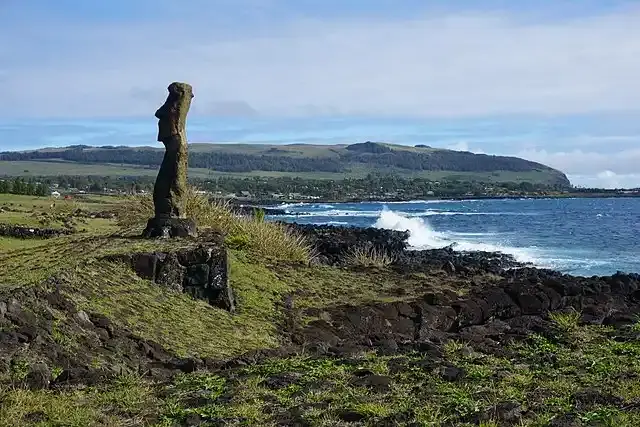
Chile annexed the island of Muay off its coast in 1888 and was renamed Easter Island in the late eighteenth century. During the twentieth century it was a sheep farm and was run by the Chilean Navy. On this particular island, more than 7 kilometers of lava underground tunnels have been mapped, which is home to one of the largest cave systems on Earth. In 1966, the island was fully opened to the public and the remaining Rapanoí people became citizens of Chile.
5. Penguins in Chile
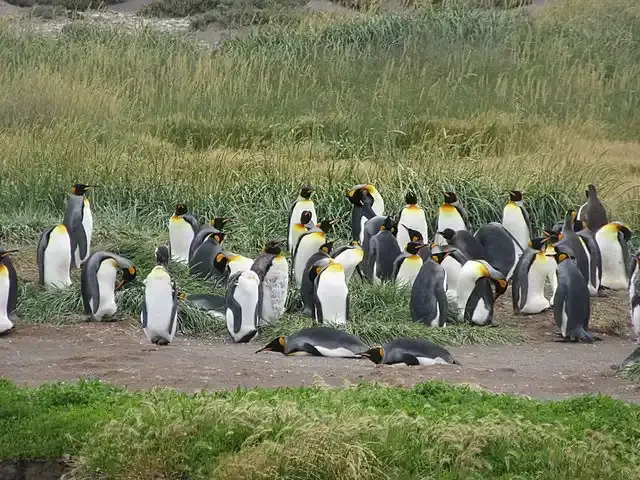
Another fact about Chile is that penguins not only live in Antarctica or in the zoo, they can be found in many areas in southern Chile, including the colony of penguins in Sino Otway. They usually lie on the beach and move to nearby nests. Humboldt penguins are also found on the northern coast of Chile and number a total of 12,000 pairs in the country.
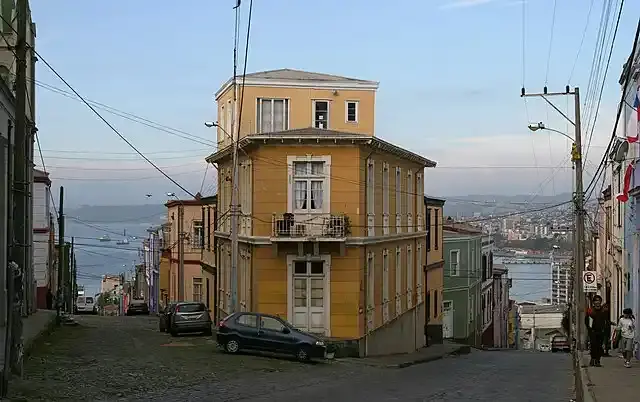
This city is one of Chile's most prosperous cities, and its most important landmark is the historic central area, which was declared a UNESCO World Heritage Site in 2003. It is Chile's main port and the Trans-Andean railway station. It is an important industrial center, where textiles, footwear, leather goods, paints and chemicals are manufactured. Valparaiso was also an inspiring place for painters and poets, especially Pablo Neruda, who won the Nobel Prize for Literature in 1971.
7. The Andes in Chile has some of the largest active volcanoes in the world
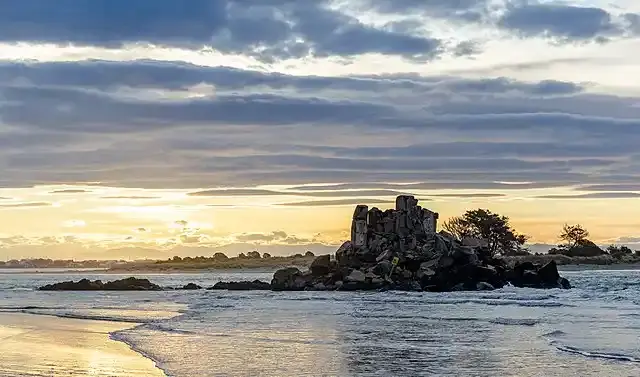
Chile is one of the countries with the highest number of volcanoes, with more than 1,300, and a number of them are still active. Three of the most active and observed volcanoes in Chile are Cerro Arol, Cerro Hudson and Villarrica. These are all compound volcanoes, sometimes called stratified volcanoes. Climbers from all over the world enjoy testing their hiking skills on these volcanoes.
8. Chile has one of the longest coastlines in the world
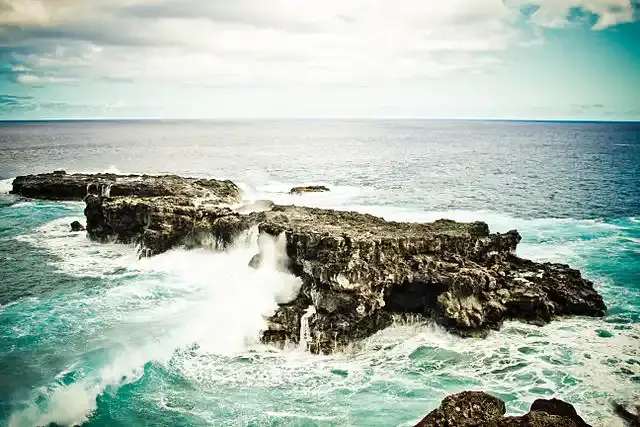
Chile is one of the longest countries in the world with a coastline of about 6,500 kilometers. However, it is also one of the narrowest coastlines in the world with a width of more than 200 kilometers. Most of the most popular beach resorts, or spas, are located in central Chile, from El Norte Chico South after the urban area to the northern regions of the seventh district, the del Mauli region. Chile has a mild Mediterranean climate where visitors can enjoy warm to hot days and cooler nights in summer.
9. The oldest mummy in the world from Chile
The oldest known mummy deliberately buried is that of a child, one of the chinchuro mummies found in Chile's Camarones Valley around 5050 BC. To date, a total of 282 chinchuro mummies have been removed from burial sites along the narrow coastline from Elo in southern Peru to Antofagasta in northern Chile. Of these mummies, 149 were created by chinchuro artisans, and the rest are the work of nature.
10. Chile is home to five UNESCO World Heritage Sites.
Chile's UNESCO World Heritage sites are classified as cultural, giving you insight into the human story intertwined in the country's majestic landscape. The five sites are the churches of Chiloe, the historic district of the seaport town of Valparaiso, the sodium nitrate plant Humberstone and Santa Laura, the Raba Nui National Park, and the mining city of Sewell.
