


Explore the "world of science" beneath the Vancouver Dome



The Vancouver Dome, also known as the TELUS World of Science Dome, is a landmark that has captured the imagination of visitors for decades. Located on the edge of False Creek, this geodesic dome is not only an architectural marvel but also a center of scientific exploration and education. From its rich history to its innovative exhibits, the world of science is a testament to the importance of science in everyday life.
1. The history of the construction of Vancouver Dome.
The famous geodesic dome was originally created for Expo 86, the Vancouver World Fair, where it served as an exhibition center. Designed by architect Bruno Freschi, the structure was intended as a temporary wing. However, its popularity and the possibility of using it for educational purposes led to a campaign to preserve it. In 1989, the building was redesigned and officially opened as Science World, and in 2005, after a major sponsorship deal, it was renamed TELUS World of Science.
Recommend
2. Vancouver Dome components and parts.
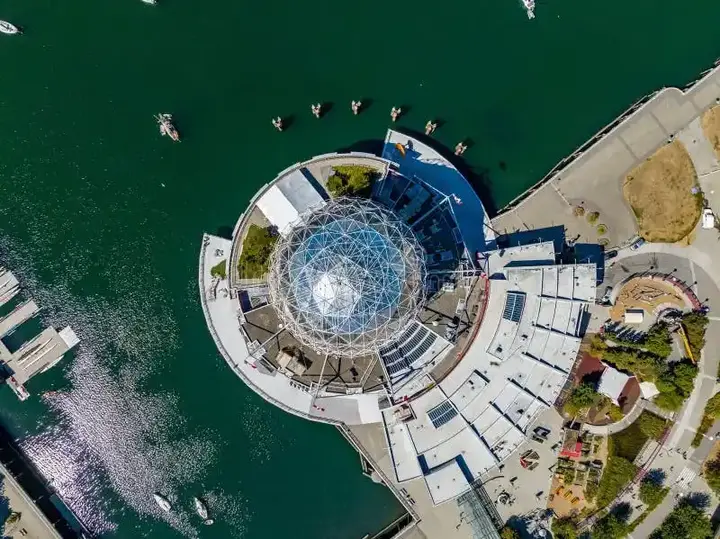
The world of science under the dome is divided into several main sections, each designed to attract visitors with interactive and informative exhibitions. Key components include the OMNIMAX Theater, the Eureka Gallery!, the Ken Spencer Science Park, the BodyWorks Gallery, the Wonder Gallery, the Search, and the Sara Stern Gallery.
a. Omnimax Theater.
• Description: This giant screen theater provides an immersive cinematic experience.
• Content: Screens documentaries about nature, space and scientific phenomena.
• Science Show: The films highlight various scientific topics, such as the vastness of space, the depths of the oceans, and the complexities of human biology.
b. Eureeca Showroom!
• Description: An interactive exhibition focusing on the physical sciences.
• Content: Features practical exhibits illustrating the principles of physics and engineering.
• Science Show: Visitors can experience light, sound, movement and more, and learn through live participation and play.
c. Ken Spencer Science Park.
• Description: An outdoor area focused on environmental science and sustainability.
• Content: Includes exhibits on renewable energy, urban agriculture and environmentally friendly practices.
• Science Showcase: demonstrates sustainable living practices and techniques, and encourages environmental stewardship.
d. Body Works Gallery.
• Description: Dedicated to human biology and health.
• Content: The interactive exhibits explore anatomy, physiology and the human life cycle.
• Science Presentation: Provides insight into the functioning of the human body and promotes awareness of health and wellness.
c. Wonder Gallery.
• Description: Designed for young children to explore basic scientific concepts.
• Content: Featuring activities and exhibitions designed specifically for early learners.
• Science Showcase: Encourages curiosity and foundational understanding of the world through play-based learning.
H. Research: Sarah Stern Gallery.
• Description: Focuses on cutting-edge science and technology.
• Content: Exhibits cover topics such as robotics, nanotechnology and space exploration.
• Science Showcase: Highlights recent scientific developments and future possibilities, and inspires innovation and creativity.
3. Vancouver Dome contribution.
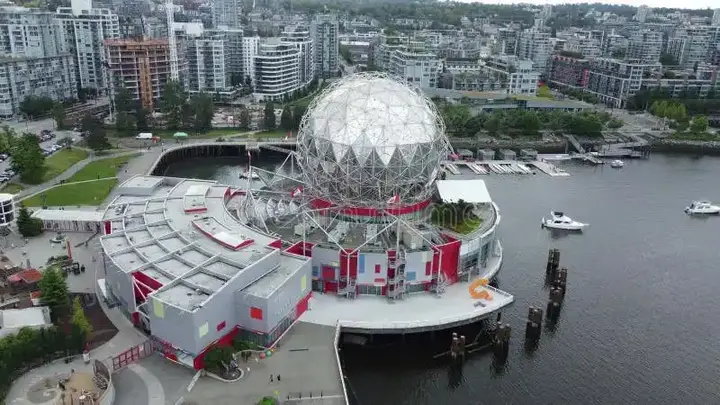
The world of science, Vancouver Dome, has contributed immensely to the public's understanding and appreciation of science. It serves as an educational resource for schools, families and tourists, offering a practical approach to learning that is fun and informative. The dome has also become a community landmark, hosting events and programs that promote a sense of wonder and discovery. By making science accessible and engaging, this scientist of science plays a crucial role in inspiring the next generation of scientists, engineers, and informed citizens.
4. Compare Vancouver Dome with prominent international science cities.
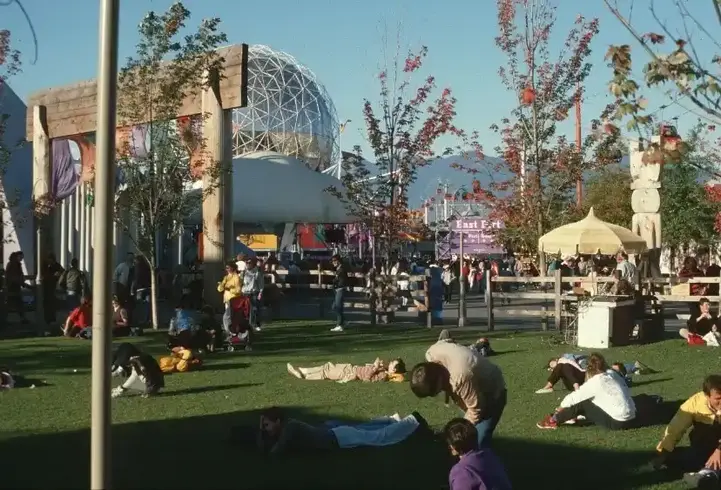
Science centers around the world serve as important centers of education, exploration and innovation. As the Vancouver Science World at TELUS World of Science, located under the famous geodesic dome, is one of these vital institutions, a number of international science cities are spread around the world, the most prominent of which are:
SCIENCE WORLD IN VANCOUVER TELUS.
Science World, Vancouver Dome, known for its distinctive dome and attractive exhibits, is a landmark in Vancouver, Canada. The geodesic dome, originally built for Expo 86, symbolizes modern architecture and innovation. The world of science, Vancouver Dome, includes previously exhibited sections, and its educational impact is to provide hands-on learning experiences, promote environmental stewardship, and inspire future scientists.
Conclusion.
While each science city has its own unique characteristics and strengths, they all share one goal: to foster a love of science and learning through engaging hands-on experiences. The Vancouver Dome, with its multifaceted exhibits, rich history and dynamic exhibits, stands proudly among these international institutions, as a beacon of scientific curiosity and education, and contributes significantly to the global landscape of science education.
From its beginnings as a temporary pavilion to its current status as a beloved science hub, it continues to inspire and educate visitors of all ages. The science world at the Vancouver Dome exemplifies how a single edifice can house a world of knowledge, fostering a lifelong love of science and exploration.
