


Destroying brain health quickly: four stupid daily habits to avoid



The brain, the body's command center, is a complex organ responsible for thoughts, memories and actions. Staying healthy is critical to overall well-being, however, many of us inadvertently engage in habits that can rapidly deteriorate brain function. This article examines the classification of good and bad daily habits, their impact on brain health, and how to mitigate the damage caused by harmful routines.
Show key points
- Good daily habits such as regular exercise, a nutritious diet, social interaction, and mental stimulation significantly enhance brain function and protect against cognitive decline.
- Harmful routines like poor nutrition, chronic stress, smoking, and lack of sleep contribute to long-term brain damage and increase the risk of mental disorders.
- Consuming a diet rich in sugars and processed foods promotes inflammation and oxidative stress, which impair learning and memory capabilities.
- ADVERTISEMENT
- Sleep deprivation disrupts memory consolidation and raises the risk of neurodegenerative diseases like Alzheimer’s.
- Excessive drinking damages neurotransmitter function, causes memory loss, and may shrink brain tissue over time.
- Smoking impairs blood flow to the brain and increases the likelihood of stroke and cognitive impairment.
- Recognizing other detrimental habits such as social isolation, sedentary lifestyle, and excessive use of digital devices is vital for comprehensive brain health protection.
1. Classification of good and bad daily habits,

A- Good daily habits,
Good habits that promote brain health include regular physical exercise, a balanced diet rich in omega-3 fatty acids, adequate sleep, mental stimulation through activities such as reading or puzzles, and maintaining social connections. These habits boost cognitive function, improve mood, and protect against neurodegenerative diseases.
Recommend
B- Bad daily habits,
In contrast, bad habits such as poor nutrition, lack of sleep, excessive alcohol consumption, smoking, and chronic stress can damage the brain. These behaviors contribute to cognitive decline, increase the risk of mental health disorders, and can lead to permanent brain damage over time.
2. The impact of malnutrition on brain health.
A diet high in sugars, unhealthy fats, and processed foods can severely impair brain function. Such a diet promotes inflammation and oxidative stress, which can lead to damage to brain cells. It also impairs synaptic plasticity, which is essential for learning and memory.
How to manage:
Choose a diet rich in fruits, vegetables, whole grains, lean proteins, and healthy fats such as those found in fish, nuts and olive oil. Foods rich in antioxidants, vitamins and minerals support brain health and boost cognitive function.
3. Risks of sleep deprivation.

Sleep is critical to brain health, as it allows for detoxification and strengthening memories. Chronic sleep deprivation can lead to impaired cognitive function, memory problems and mood disorders. It also increases the risk of neurodegenerative diseases such as Alzheimer's disease.
How to manage:
It is recommended to get 7-9 hours of quality sleep each night, set a regular sleep schedule, create a comfortable sleeping environment, and avoid stimulants such as caffeine before bed.
4. The effect of excessive alcohol consumption.

Excessive alcohol consumption can lead to significant brain damage, affecting neurotransmitter function and leading to cognitive deficits and memory loss. Long-term alcohol use can lead to brain shrinkage and an increased risk of mental health disorders.
How to manage:
Limit alcohol consumption to moderate levels - up to one drink per day for women and two for men. It is also recommended to consider alcohol-free days and participate in social activities that do not involve drinking.
5. Smoking and brain health.
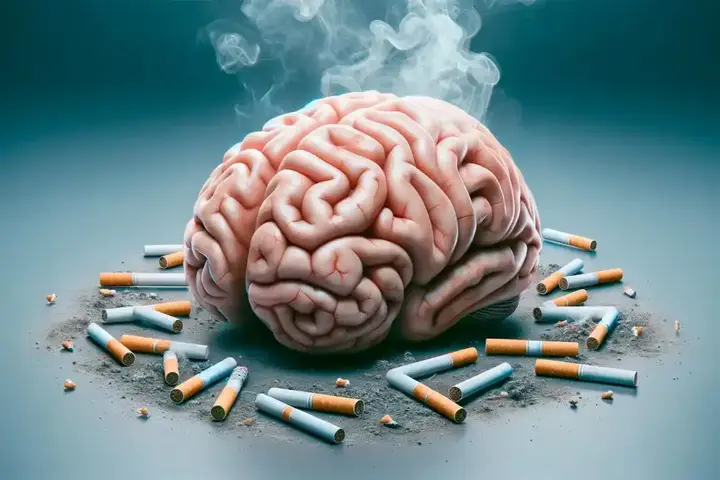
Smoking enters the body with a large group of harmful chemicals that can damage brain cells and blood vessels. Smoking is associated with an increased risk of stroke, dementia and cognitive decline.
How to manage:
Seek support for smoking cessation through counseling, medications or nicotine replacement therapies. Adopt healthy habits such as exercise to reduce cravings and manage stress.
6. Chronic stress and its effects on the brain.
Prolonged stress can be devastating to brain health. It leads to overproduction of cortisol, a hormone whose excess can damage the hippocampus in the brain, impairing memory and learning.
How to manage:
Incorporate stress-reduction practices into daily routines, such as mindfulness meditation, yoga, regular physical exercise, and deep breathing exercises. Also ensure that there is a support network to help manage life's challenges.
The four habits discussed – malnutrition, sleep deprivation, excessive alcohol consumption, smoking, and chronic stress – are particularly damaging to brain health, but are not unique in their harmful effects. Other habits can be equally harmful, and it's important to be aware of them to protect brain health overall.
7. Other bad habits that harm brain health.
Conclusion.
While poor diet, sleep deprivation, excessive alcohol consumption, smoking, and chronic stress pose significant threats to brain health, they are not the only harmful habits. A sedentary lifestyle, social isolation, chronic multitasking, and excessive screen time also pose serious risks. By recognizing and addressing these additional habits, a more holistic approach to maintaining and promoting brain health can be adopted.
