


Secrets of the East: Discovering the hidden beauty of Asian cities



In the heart of the East, where the colours of nature blend with history, deep secrets lie within Asia's ancient cities. This land, which has witnessed successive civilizations and diverse cultures, retains within its walls and narrow streets a hidden beauty that awaits to be discovered. "Secrets of the East" is not just a journey through space, but a dive into the depths of time, to unveil unseen beauty and tell a story that has not yet been told.
Show key points
- Asia's ancient cities hold deep secrets and timeless beauty, blending natural landscapes with rich historical and cultural heritage.
- Legends and folklore across Asia, such as Japan’s Kamaitachi and Okiku, reflect the imagination and spiritual beliefs of its people.
- The arts and crafts of Asia, ranging from Arabic calligraphy to Indian sculpture and East Asian traditions, encapsulate the continent’s creative spirit and cultural depth.
- ADVERTISEMENT
- Hidden gems like Shah Alam and Aqaba offer travelers unique experiences that merge architectural grandeur with natural wonders.
- Temples such as Cambodia’s Angkor Wat and Indonesia’s Borobudur stand as awe-inspiring monuments of spiritual devotion and artistic mastery.
- Enchanting natural spots like Shah Alam’s Taman Bhutanese Negara and Bali’s scenic landscapes provide serene escapes rich with biodiversity and cultural significance.
- Modern Asian cities skillfully balance tradition with innovation, creating vibrant societies where historical legacies coexist with futuristic advancements.
From Shah Alam in Malaysia, where Islamic architecture tells stories of greatness, to Aqaba in Jordan, where the Red Sea hides a colorful world of life, every city in Asia is an open book that invites us to read its pages. This article will be your guide to discover these secrets, and touch the beauty that lies in the soul of Asia, a beauty that goes beyond the limits of the eye and penetrates into the soul.
Recommend
Legends and Tales: The Gateway to Rich History
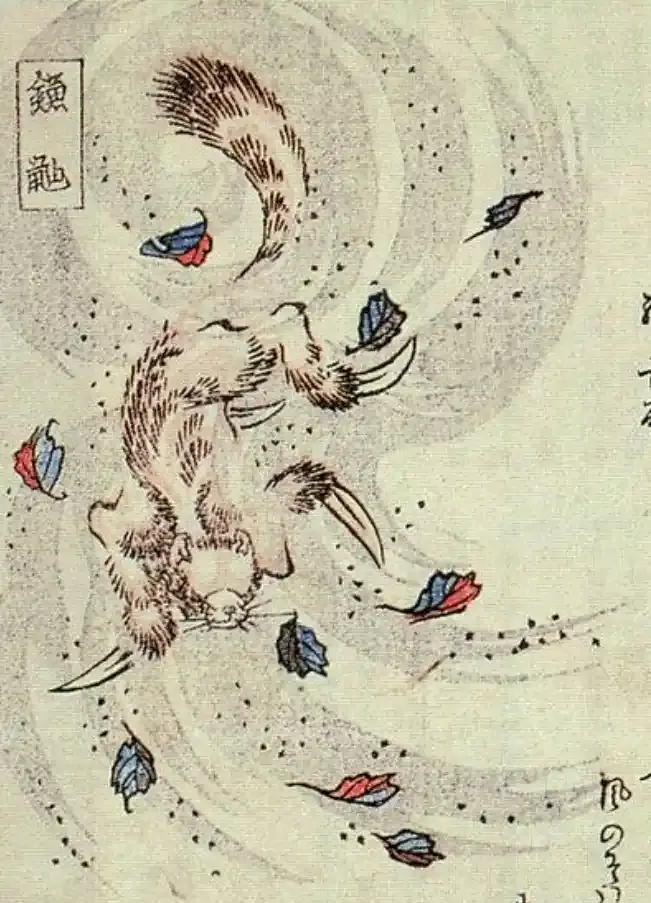
Legends and Tales: The Gateway to Rich History
Legends and tales in Asia carry a rich heritage of wisdom and inspiration. These stories tell about the origins of peoples, and carry with them lessons and values. From Japan's Kamaitachi, which takes the shape of a sickle weasel and causes wounds, to the living doll Okiku whose hair grows mysteriously, these legends reflect the deep beliefs and imagination of Asian peoples.
Arts and Crafts: The Pulse of Asian Culture
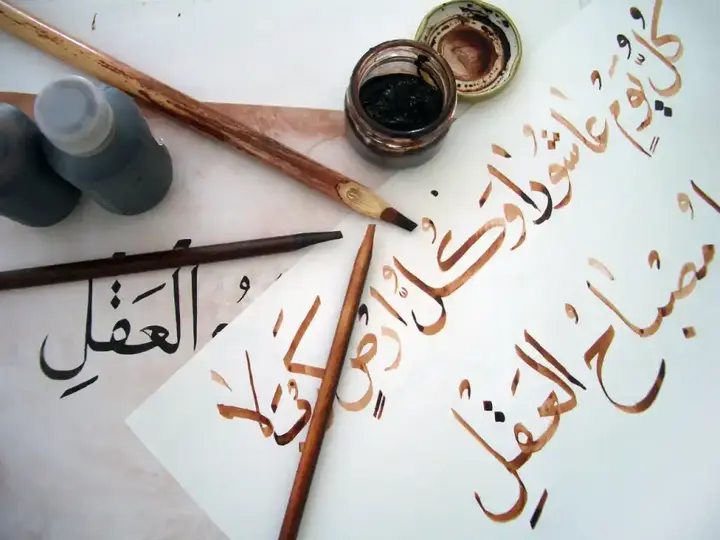
Arts and crafts in Asia are distinguished by their diversity and creativity. From Arabic calligraphy created by Arabs and Muslims, to Indian arts rich in sculpture, painting and architecture, these arts reflect the deep spirit of Asian culture. Chinese, Japanese and Korean arts also carry a great influence on world art.
Hidden cities and folded wonders
Shah Alam: Hidden gems in the heart of Malaysia
Shah Alam, a city in the heart of Malaysia, holds many hidden gems on its sides. Concorde Shah Alam Hotel is known for its four-star rating and prime location in the city centre. It features a fitness centre, terrace and access to a private beach club. This hotel is an ideal place to enjoy the view of the Sultan Salahuddin Abdul Aziz Mosque or the swimming pool.
Aqaba: The Magic of the Red Sea in Jordan
The city of Aqaba, the coastal Jordanian city, is located on the Gulf of Aqaba in the Red Sea. It is considered one of the most important tourist cities in the Middle East with its picturesque view of the Red Sea and its sandy beaches. Aqaba Marine Park is an ideal place for lovers of diving and exploring the Yemeni coral reefs. If you are looking for a magical experience that combines sea and culture, Aqaba is the perfect destination.
In these cities, visitors can explore fascinating cultural and natural aspects and enjoy unique experiences that combine beauty and history.
Temples and shrines
Angkor Wat: Cambodia's Timeless Greatness
The temple of Angkor Wat, the surviving relic of Cambodia's sky, stands as a testament to the greatness of the Khmer Empire. Built in the twelfth century by King Suryavarman II, it was initially a Hindu temple dedicated to Lord Vishnu, then gradually transformed into a Buddhist temple.
Angkor Wat is the world's largest religious landmark and represents Mount Meru, the home of gods in Hindu mythology. Its walls are decorated with bas-reliefs depicting scenes from mythology and everyday life, and it is surrounded by five lotus towers symbolizing perfection and purity.
Borobudur: The Buddhist Legacy in Indonesia
Borobudur Temple in Indonesia, this huge Buddhist edifice, is considered one of the greatest works of art in the Buddhist world. It was built between the eighth and ninth centuries during the Selendra dynasty in Central Java. The temple consists of nine stepped platforms, crowned with a huge stuba at the top, and contains 72 small stupas surrounding it, each of which houses a statue of the Buddha.
The bas-reliefs covering the walls of Borobudur tell stories from the jataka, stories of the Buddha's previous lives, and are some of the finest examples of Buddhist art.
Enchanting nature
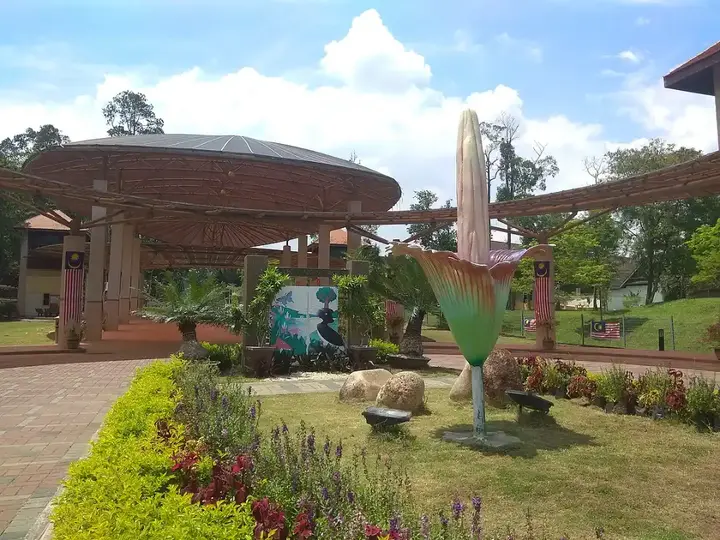
Taman Bhutanese Negara: Nature Sanctuary in Shah Alam
In the bustling city scenery of Shah Alam, lies an oasis of tranquility, Taman Bhutanese Negara Shah Alam. This sprawling botanical garden is a hidden gem for nature lovers and adventure seekers alike. Paragliding invites guests to stroll among the treetops, offering sweeping views of the lush greenery. The diverse flora and fauna of the park make it an ideal place for photography enthusiasts and families looking for a quiet place for a picnic.
Bali: natural and spiritual beauty
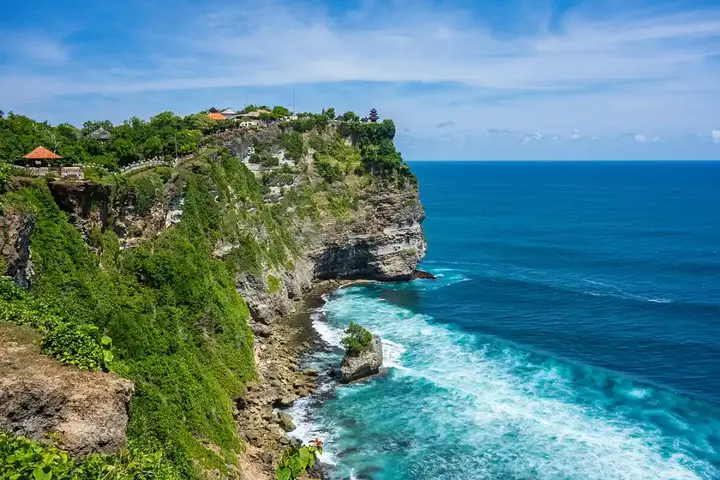
The island of Bali is one of the most beautiful islands of Indonesia and the world. The best things to do in Bali include unmissable cultural treasures and some of the most famous natural attractions. There are countless temples, historical sites, and areas of natural beauty scattered across 8 districts of Bali, which were once kingdoms.
Bali is surrounded by volcanoes, lush rice fields and pristine beaches with turquoise blue waters. Bali is a popular year-round destination, where you can enjoy breathtaking landscapes, exotic cultural offerings, stroll through night markets, and relax on sandy beaches.
Cultural fusion and balance between tradition and modernization
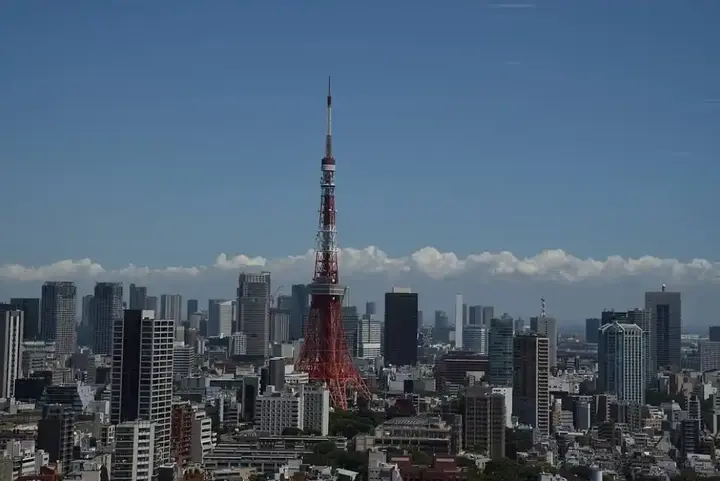
Cultural fusion: life in major Asian cities
Major Asian cities such as Tokyo, Shanghai, and Mumbai are centers of cultural fusion, where time-honored traditions meet modern innovations. In these cities, the visitor can find historic temples standing side by side with towering skyscrapers, and traditional markets selling food and handicrafts near luxury shopping malls. This cultural blend creates a vibrant and dynamic experience, reflecting the true spirit of modern Asia.
Tradition and modernization: the balance between old and new in
Asia, the balance between tradition and modernization is evident in every aspect of life. From martial arts practiced in parks to robots serving in restaurants, Asia retains its historical roots while embracing advanced technology. Traditional celebrations such as Chinese New Year and Diwali are held with the same enthusiasm shown by young people for new innovations and global trends, reflecting a deep respect for the past while looking to the future.
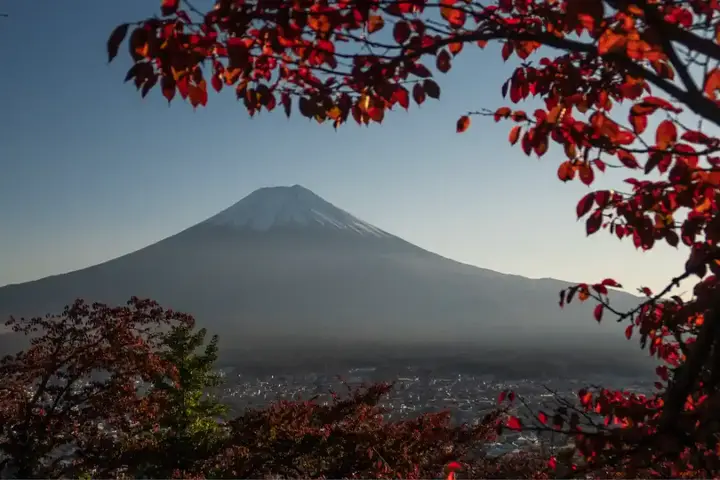
As we stand on the cusp of closing, we find ourselves traveling through time and space, exploring Asia's hidden beauty and enchanting spirit. We toured its ancient cities, contemplated the grandeur of its temples, was fascinated by the splendor of its nature, tasted the richness of its cuisine, and witnessed the harmony of tradition with modernity in its modern life. Every step of this journey was an invitation to reflect on Asia's heritage and culture, and a reminder that beauty lies not only in what is visible to the eye, but in what the heart can feel and the soul can touch.
In the end, I can only express my hope that these words lit a candle in the path of every reader, so that he can discover for himself the secrets of the East and enjoy its hidden beauty. And that this article has enriched your knowledge and inspired you to travel and explore for yourself, to see with your own eyes what we talked about and live the Asian experience in all its dimensions.
