


The Amazing Reason Behind the Regenerative Powers of Fasting



Fasting, which is abstinence from food for a specific period, has been part of human culture for thousands of years. It is historically associated with religious and spiritual traditions, but is now gaining scientific recognition for its health benefits. Research has revealed that fasting not only helps with weight loss and metabolism, but also stimulates powerful regeneration processes in the body. But the surprising reason behind the regenerative powers of fasting lies in an ancient biological mechanism that precedes modern diets: cellular autophagy. This self-cleaning process holds the key to understanding why abstinence periods are so beneficial to health. In this article we show the benefits of fasting and its sudden effects on health.
Recommend
Show key points
- Fasting, historically rooted in spiritual practices, is now recognized scientifically for its significant health benefits.
- Cellular autophagy, a self-cleaning process activated by fasting, helps remove damaged cell components and promotes regeneration.
- This process contributes to slowing aging by eliminating cellular waste and supporting healthier cell structures over time.
- ADVERTISEMENT
- Autophagy also strengthens the immune system by clearing out non-functional immune cells and generating new, effective ones.
- Brain function is enhanced through fasting-induced autophagy, which may help prevent neurodegenerative diseases like Alzheimer's.
- Fasting promotes metabolic health by improving insulin sensitivity and reducing inflammation, thereby helping prevent chronic conditions.
- However, recent research warns that mutations during post-fasting feeding phases may increase the risk of stem cell-related cancers.
What is cellular autophagy?
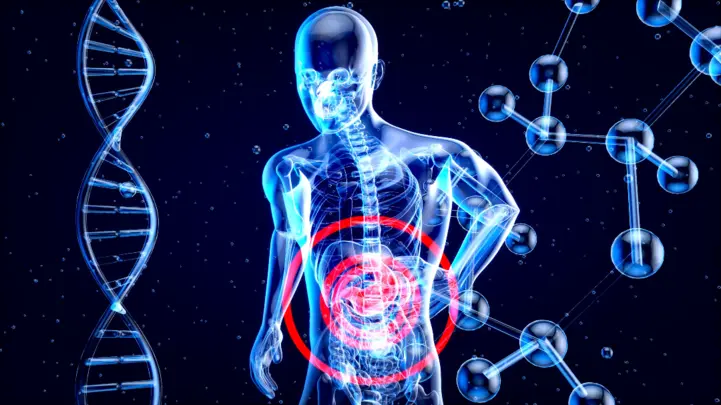
It is the process by which cells break down and recycle their own components. This internal "cleaning" mechanism ensures that old or damaged parts of the hive are removed, giving way to new and healthy structures. The discovery of cellular autophagy revolutionized our understanding of cell health, earning Japanese scientist Yoshinori Usumi the Nobel Prize in Medicine in 2016 for his research on the process. When the body enters a fasting state, cellular autophagy is stimulated to maintain cell function in the absence of nutrients. Without a constant supply of food, cells begin to search for materials to use as fuel. In this process, you break down harmful or unnecessary cellular components, such as denatured proteins, damaged organisms, and toxins. This self-digestion not only provides energy, but also regenerates cells by eliminating waste and promoting the growth of healthier and more efficient structures.
Fasting amplifies this process significantly: during fasting, the body undergoes several metabolic transformations, and in the first few hours after eating, glucose from food acts as the body's primary source of energy. Once these glucose reserves are depleted, usually about 12-24 hours after the last meal, the body begins to burn stored fat for energy. The length and type of fasting also affect the degree of autophagy; short-term fasting can activate mild autophagy, while prolonged fasting for 24 hours or more stimulates greater autophagy.
Benefits of cellular autophagy:

The benefits of this cellular renewal are long-lasting, affecting everything from aging to immunity and brain health.
1- Slow down the aging process: One of the most interesting aspects of fasting-induced autophagy is its ability to slow down the aging process. As damage builds up in cells over time, their ability to function properly decreases, leading to age-related illnesses and a general deterioration in physical and mental health. Autophagy helps counteract this deterioration by removing damaged cellular components and promoting the production of new, healthier ingredients.
2- Boosting the immune system: Autophagy also plays a vital role in immune function by helping the body defend against infection. During fasting, the immune system uses autophagy to remove old and inactive immune cells, allowing new, more effective cells to be produced. This process is especially important in fighting infections and maintaining overall immune elasticity.
3- Promote brain health: The brain is one of the organs that benefits the most from autophagy caused by fasting. Research has shown that autophagy helps remove deformed proteins and other cellular residues that can accumulate in the brain, which is the hallmark of neurodegenerative diseases such as Alzheimer's and Parkinson's.
4- Improving metabolic health: In addition to its role in cell repair, fasting has been associated with improved metabolic health. Autophagy contributes to this by helping to regulate blood sugar levels, improve insulin sensitivity, and reduce inflammation. These effects can help prevent chronic diseases such as type II diabetes and cardiovascular disease.
Fasting and stem cell activation:
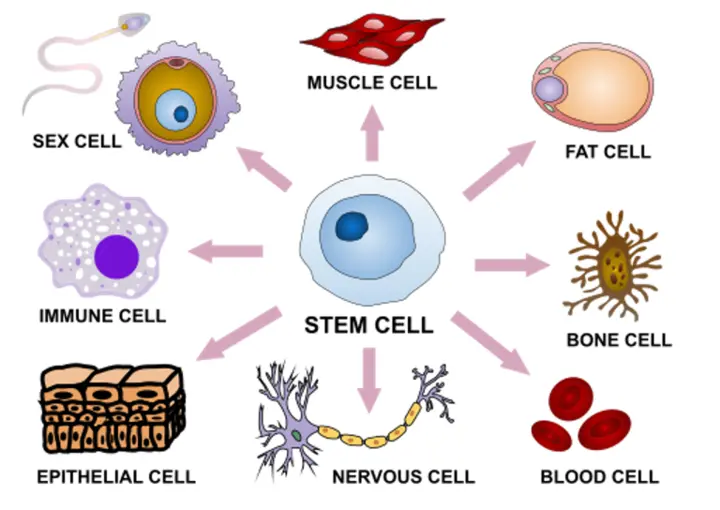
Another amazing aspect of fasting's regenerative power is its ability to activate stem cells, the main cells responsible for tissue and organ regeneration. Research has shown that prolonged fasting can stimulate the production of new stem cells, especially in the blood and immune system. In one groundbreaking study, scientists discovered that fasting for just 72 hours can lead to rejuvenation of the immune system by boosting stem cell activity. This discovery has significant implications for health and longevity. As we age, our stem cells become less efficient, leading to slower tissue repair and a weakened immune system. Fasting helps counteract this deterioration by resetting and regenerating stem cell populations in the body, promoting faster healing and recovery.
And the surprises are endless:
In a recent study in mice, researchers found that when stem cells are in this highly regenerative state, they are more likely to develop cancer. Intestinal stem cells are among the most dividing cells in the body, as the lining of the intestine helps to completely regenerate every five to ten days. Because they divide so much, these stem cells are the most common source of cancer cells in the gut. In this study, researchers discovered that if they run a carcinogen in mice during the post-fasting feeding phase, they are more likely to develop cancerous tumors than they run the gene during a fasting state. Cancer-related mutations that occurred during the feeding phase were also more likely to produce cancerous tumors than mutations in control mice, which did not undergo a fasting and refeeding cycle.

The amazing reason behind the regenerative fasting powers lies in the cellular autophagy process that helps the body remove damaged components, regenerate cells and promote stem cell activity. From slowing aging to improving immune function and brain health, the benefits of fasting are profound. By fasting, you can take advantage of the body's innate ability to repair and renew itself, which contributes to better health and longevity. But what has gone too far can turn against it: if the body is exposed to mutations, such as a burnt steak or something like that, it may actually increase its chances of developing a lesion that can lead to cancer.
As science continues to uncover the mechanisms behind the regenerative effects of fasting, it's clear that fasting is more than just weight loss – it benefits in deep vital processes that promote overall health.
