Top 12 facts about elephants

Elephants are among the most fascinating and magnificent creatures to walk the Earth, captivating people with their intelligence, strength, and social behaviors. In this article, we present a curated list of the top 12 facts about elephants, shedding light on the remarkable characteristics and unique attributes that make these gentle giants truly extraordinary. From their complex communication methods to their remarkable memory and emotional depth, each fact offers a glimpse into the world of elephants and their place in the natural kingdom.
Show key points
- The African savannah elephant holds the title of the world's largest land animal, with adult males reaching up to 3 meters in height and weighing around 6,000 kg.
- You can tell the three main types of elephants apart by the size and shape of their ears and the number of 'fingers' on their trunks.
- An elephant’s trunk is a highly sensitive and versatile organ with around 150,000 muscle units, capable of holding several liters of water and even functioning as a snorkel while swimming.
- ADVERTISEMENT
- Tusks, which are actually elongated incisor teeth, serve various purposes like feeding and defense, but sadly also make elephants targets for the ivory trade.
- Despite its tough appearance, an elephant’s
- 5 cm thick skin helps regulate body temperature by trapping moisture in its folds and is cared for through regular dust and mud baths.
- Because of their massive size, elephants need to eat up to 150 kg of food daily and may spend up to 18 hours a day feeding.
- Elephants are capable of long-distance communication not only through vocal calls and body language but also by detecting ground vibrations through their feet and bones.
1. It is the largest land animal in the world
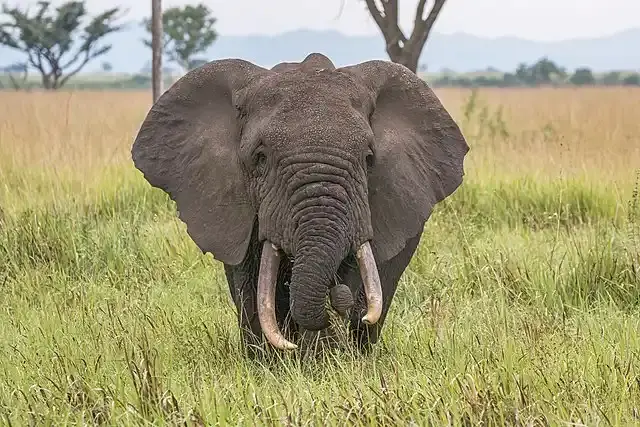
The African savannah elephant (jungle) is the largest land animal in the world – adult males, or male elephants, are 3 meters high and weigh an average of 6,000 kg. Males reach their full size only at the age of 35-40 years - this is much more than half their age as wild elephants can live up to 60-70 years. And it's not just adults - even calves are huge! At birth, a young elephant can weigh 120 kg – approximately 19 stones.
Recommend
2. You can distinguish between the three types by their ears
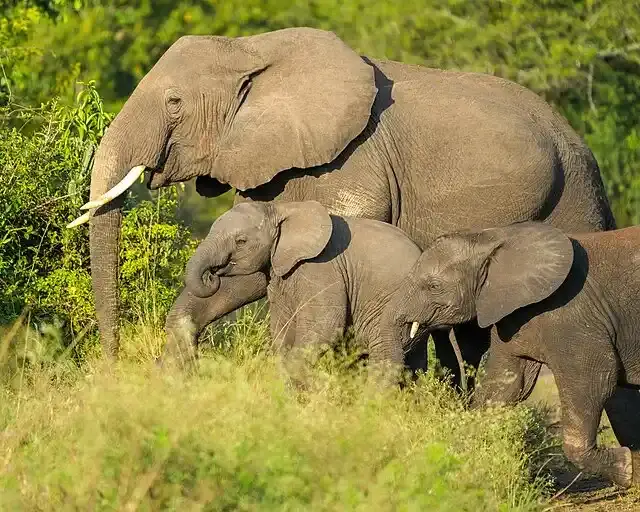
There are three types of elephants: African savannah (bush) and African and Asian forests. The ears of African elephants are much larger than their relatives and are described as being shaped like an African continent, while the ears of Asian elephants are shaped like an Indian subcontinent. There is also a difference in the trunk - African elephants have two "fingers" at the tip of their proboscises, while Asian elephants have one finger.
3. Her hoses have crazy skills

Elephant hoses have about 150,000 muscle units in their proboscises. Their proboscis are perhaps the most sensitive organ of any mammal. Elephants use their hoses to absorb water for drinking - it can contain up to 8 liters of water. Its hoses are also used as a diving device when swimming.
4. Her fangs are actually teeth
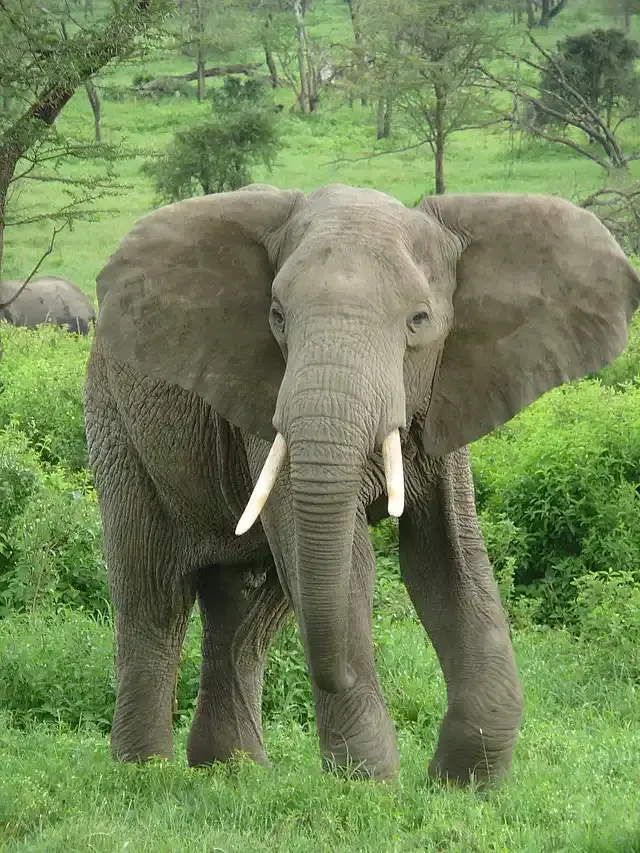
Elephant tusks are actually enlarged incisor teeth that first appear when the elephant is about two years old. Fangs continue to grow throughout his life. Fangs are used to aid with nutrition – removing bark from trees or digging roots – or for defense when fighting. But these beautiful tusks often cause danger to elephants. They're made of ivory, which is highly desirable. Read on to find out why elephants are threatened.
5. Her skin is thick

The skin thickness of an elephant is 2.5 cm in most places. Folds and wrinkles in her skin can retain up to 10 times the amount of water as flat skin, helping to cool it. Elephants keep their skin clean and protect themselves from sunburn through regular showers with dust and mud.
6. Elephants constantly eat

Elephants eat herbs, leaves, shrubs, fruits and roots depending on the season and their habitat. When the weather is particularly dry, elephants eat more woody parts of trees and shrubs such as branches, branches, and tree bark. You need to eat up to 150 kg of food per day – that's about 375 cans of baked beans – although half of this can leave the body undigested. Elephants eat so much that they can spend up to three-quarters of their day just eating.
7. They communicate through vibrations
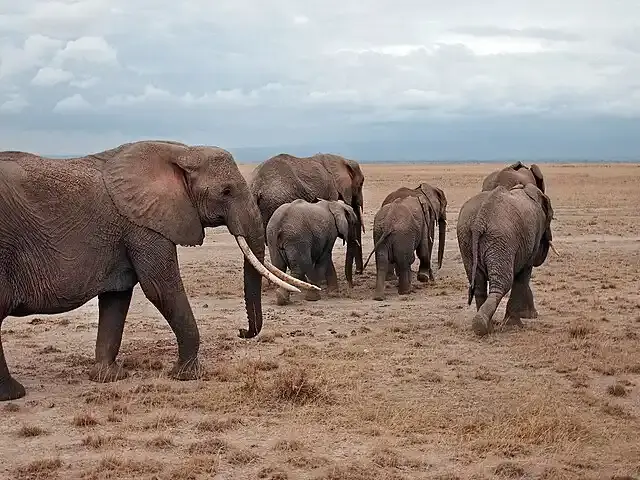
Elephants communicate in a variety of ways – including sounds such as trumpet calls (some sounds are too low for people to hear), body language, touch and smell. They can also communicate through seismic signals – sounds that create vibrations in the ground – which they may detect through their bones.
8. A small elephant can stand within 20 minutes of birth

Surprisingly, baby elephants are able to stand within 20 minutes of birth and can walk within one hour. After two days, they can keep up with the herd. This amazing survival technique means that herds of elephants can continue to migrate to find food and water to thrive.
9. The elephant is never forgotten

The temporal lobe of an elephant (the area of the brain associated with memory) is larger and denser than that of a human temporal lobe - hence the saying "elephants never forget".
10. Elephants are incredibly intelligent and can recognize themselves
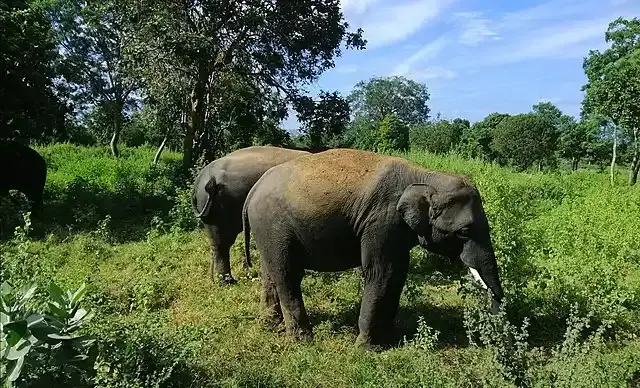
One of the most well-known facts about elephants is that they are intelligent, with a brain weight of 4 to 6 kg (9 to 13 pounds). Many of the elephants' behaviors are already acquired, not instinctive. She can even look in the mirror and recognize herself – something only humans, dolphins and apes can do. This shows a self-awareness that few animals possess.
11. About 90% of African elephants were wiped out in the last century
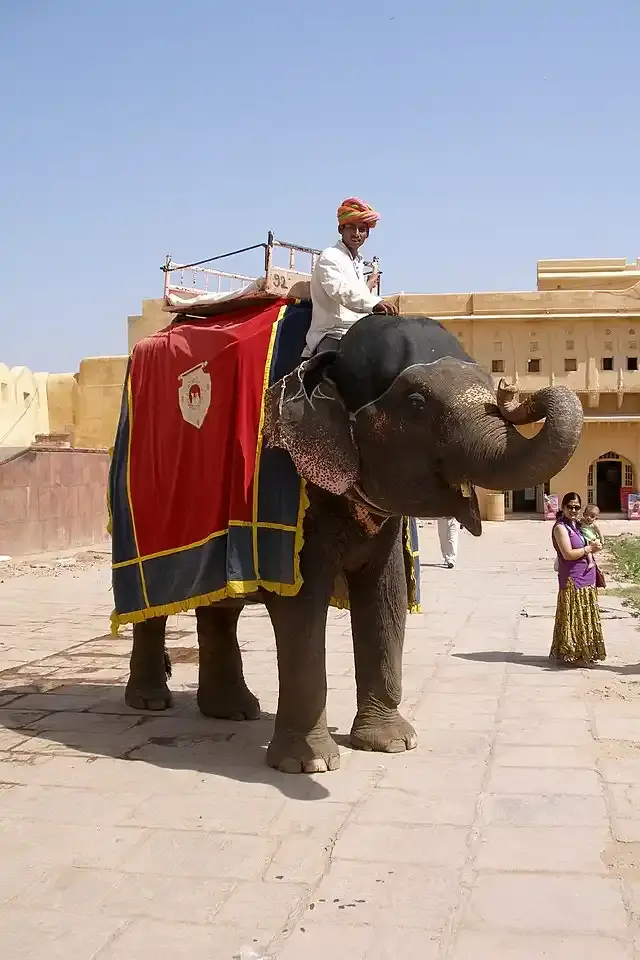
About 90% of African elephants were wiped out in the last century – largely due to the ivory trade – leaving an estimated 415,000 wild elephants alive today. Asian elephants are also under threat, with their numbers declining by at least 50 per cent in the past three generations. Only about 48,000-52,000 individuals remain in the wild. As their habitat changes, fragments, and loses human settlements and agriculture, Asian elephant populations find it difficult to follow traditional migratory routes to access water, feeding and breeding areas, and are often in serious contact with people.
12. Older mothers lead to better survival

Recent information based on more than four decades of research has revealed how important older mothers are to the herd of elephants. The researchers found that herds with older mothers had a survival advantage, as these mothers make decisions that better balance the needs of the entire group. During dry periods, older mothers travel through larger areas – apparently because mothers can remember where to find more scarce food and water resources. Older mothers also have a better ability to identify which groups of exotic elephant families to avoid – perhaps because they can remember the voices of different elephant families they have encountered in their lives.