


Why were so many ancient Egyptians buried in Saqqara?


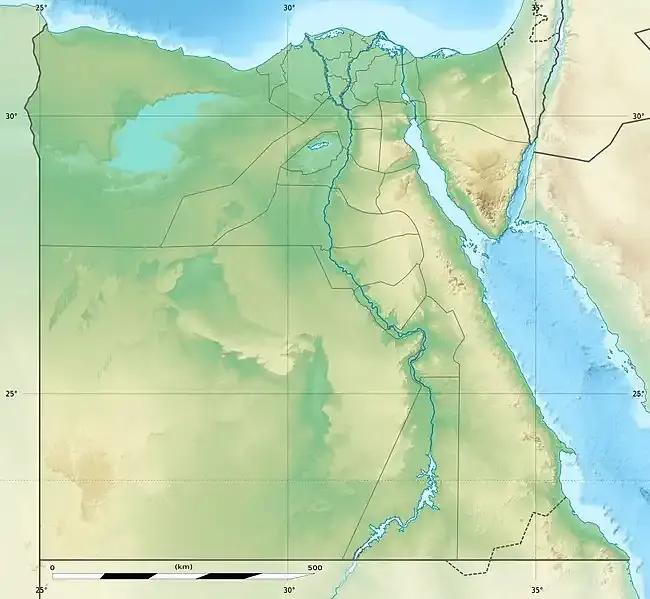
Saqqara, an extensive tomb located in Egypt, has been a large tomb for thousands of years, housing the remains of ancient Egyptians from different eras. Located near the ancient capital of Memphis, this historic site is known for its pyramids, tombs and terraces, which provide invaluable insights into the history, beliefs and social structure of civilization. Understanding why so many ancient Egyptians chose Saqqara as their final resting place requires delving into its historical importance, strategic geography, economic importance, and environmental factors.
Show key points
- Saqqara served as a prominent burial site for thousands of years, housing tombs from various historical periods, including the Old Kingdom to the Greco-Roman era.
- Its strategic location west of the Nile and near the ancient capital Memphis made it a sacred and practical site for burials.
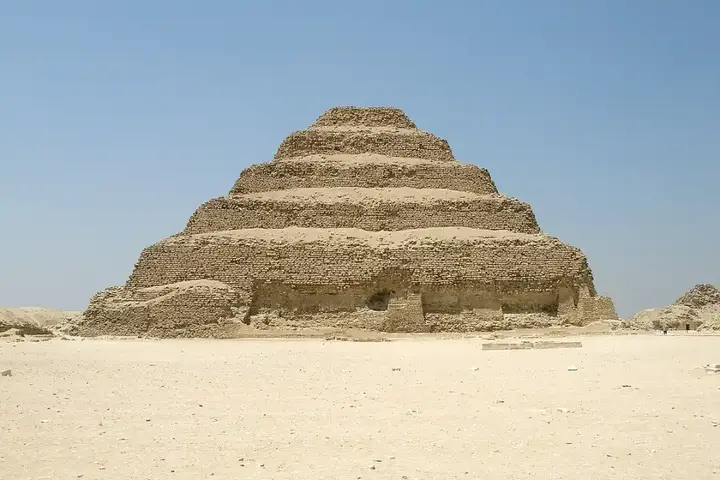
- The Step Pyramid of Djoser, designed by Imhotep, marked a groundbreaking shift in tomb architecture and set the precedent for future pyramid constructions.
- ADVERTISEMENT
- Saqqara's tombs are adorned with intricate art and religious inscriptions, showcasing the depth of ancient Egyptian religious beliefs and artistic expression.
- The Serapeum reflects the religious reverence for sacred animals, particularly the Apis bulls, and highlights the Egyptians' underground engineering sophistication.
- Tombs like those of Unas, Ti, and Mereruka contain significant religious texts and depictions of daily life, offering insights into Egyptian society and cultural values.
- Saqqara's dry climate and elevated desert location contributed to the remarkable preservation of its monuments, allowing a lasting legacy of ancient heritage.
1. The historical importance of Saqqara
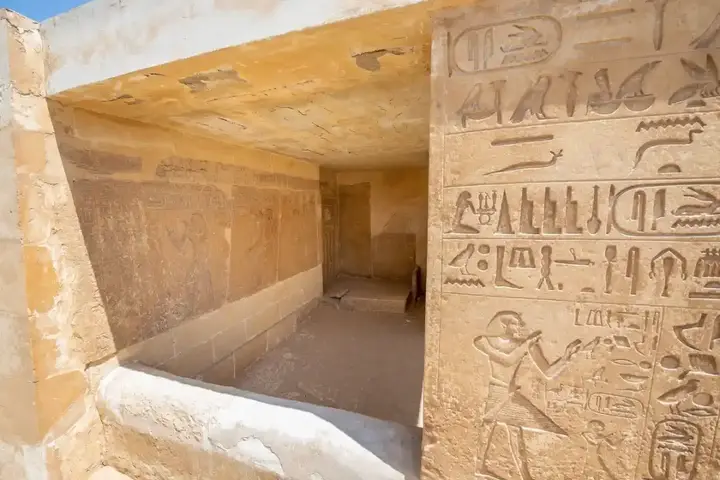
The history of Saqqara as a burial site dates back to the period of early royal captivity around 3100 BC. He gained fame during the Old Kingdom, especially during the reign of Djoser, the third pharaoh of the Third Dynasty, who ordered the construction of the Step Pyramid. Designed by architect Imhotep, this pyramid is one of the oldest monumental stone structures and represents a major architectural advance. Saqqara remained a major burial place during the Middle Kingdom, the New Kingdom, the Late Period, and even the Greco-Roman era. The long-use of Saqqara as a tomb emphasizes its enduring importance in ancient Egyptian culture.
Recommend
2. Saqqara geographical advantage
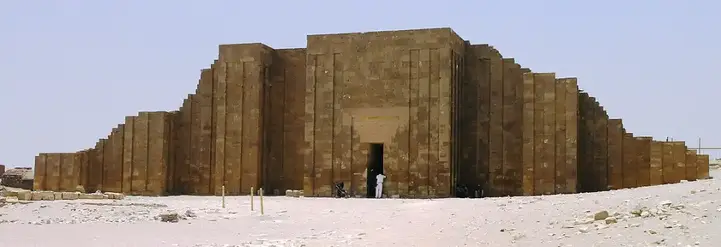
Strategically located on the west bank of the Nile, Saqqara provides a convenient and sacred burial site. Egyptians associated the West with the Land of the Dead, where the sun sets in the West, symbolizing the end of life. Saqqara's proximity to Memphis, the ancient capital, made it accessible to kings and senior officials. Its location on the desert plateau ensures that tombs and monuments are built on stable, elevated ground safe from annual Nile floods, preserving them for thousands of years.
3. Architectural and artistic innovations in Saqqara
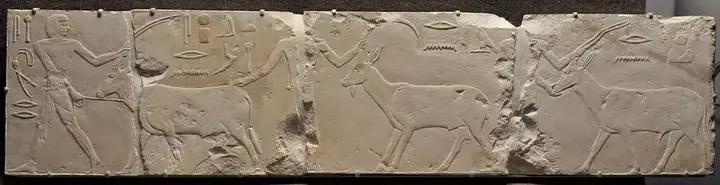
Saqqara is known for its architectural wonders and artistic contributions. The Step Pyramid of Djoser, one of the most iconic structures on the site, marks a revolutionary shift from traditional Mastaba tombs to pyramid construction. This innovation not only symbolized the divine status of the pharaoh, but also set a precedent for future pyramid designs. In addition, the tombs in Saqqara are decorated with intricate reliefs, paintings and statues, reflecting the artistic development and religious beliefs of ancient Egypt. These artistic achievements attract scholars and tourists alike, highlighting Saqqara's role as a repository of Egyptian art and culture.
4. Step Pyramid of Djoser
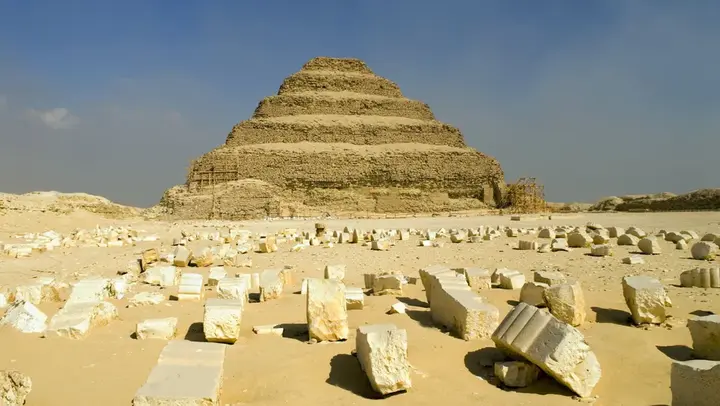
The Step Pyramid of Djoser is one of the most iconic buildings in Saqqara and is the hallmark of early pyramid construction. Designed by architect Imhotep, it began as a traditional terrace but evolved into a six-tiered pyramid. This architectural innovation represents a significant departure from previous tomb designs, reflecting an evolution in religious and ceremonial practices. The stepped pyramid was part of a larger funerary complex, with courtyards, temples, and chapels, setting a precedent for later pyramidal complexes.
5. هرم أوناس (Nails)
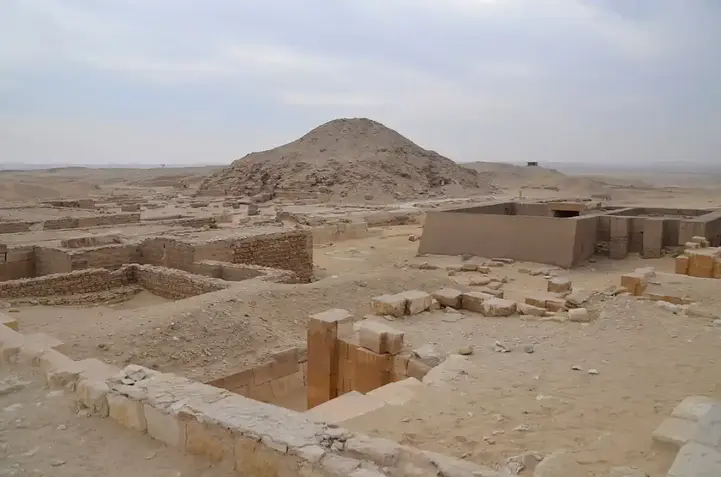
The pyramid of Unas, the last pharaoh of the Fifth Dynasty, is another important monument in Saqqara. Despite its small size compared to other pyramids, it is famous for its interior decorations. The walls of the burial chamber are inscribed with the texts of the pyramids, the oldest known religious texts in the world. These inscriptions provide valuable information about ancient Egyptian beliefs about the afterlife and rituals aimed at protecting and guiding the pharaoh's soul.
6. Serapeum and underground tombs
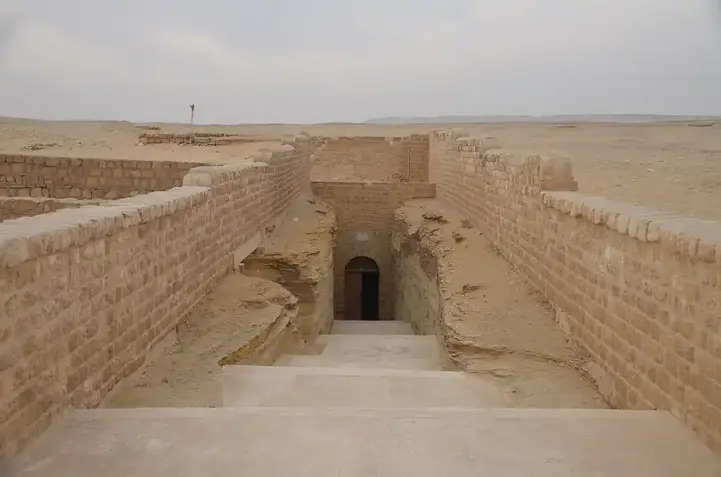
The Serapeum, located in Saqqara, is an underground burial complex dedicated to the Apis bulls, which were considered the incarnation of the god Ptah. This spacious complex includes a series of arcades and underground chambers where mummified bulls were buried in huge stone coffins. The Serapeum illustrates the Egyptians' reverence for sacred animals and the elaborate burial practices of these divine creatures. It also highlights the engineering prowess of the ancient Egyptians in building large-scale underground tombs.
7. Private terraces and cemeteries
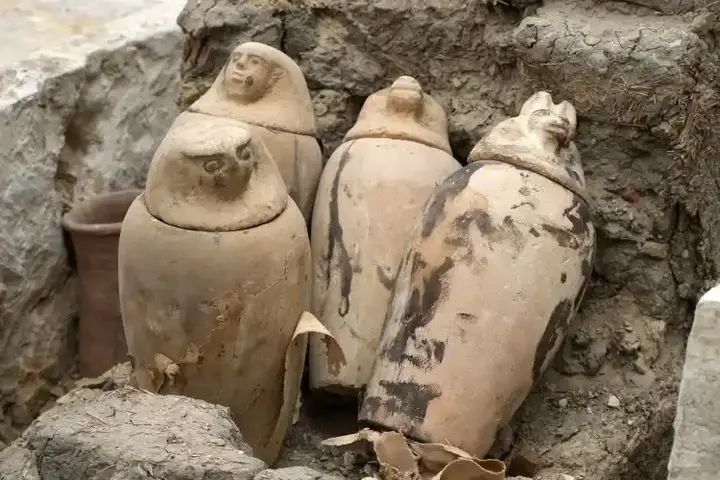
In addition to the pyramids, Saqqara is home to many private terraces and tombs belonging to the nobility and senior officials. These tombs are distinguished by their rectangular structure with flat roofs and sloping sides. The interiors are decorated with detailed engravings and paintings depicting scenes of daily life, religious rituals and the journey of the deceased to the afterlife. Notable examples include the tombs of Ti and Mereruka, which provide a rich visual record of ancient Egyptian society and beliefs.
8. Religious and cultural beliefs
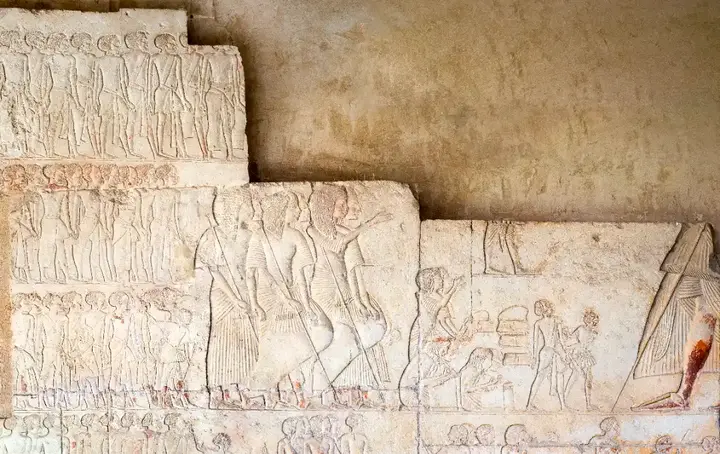
The beliefs of the ancient Egyptians about the afterlife played a crucial role in Saqqara's fame as a burial site. The Egyptians believed that a well-equipped tomb, filled with necessary provisions and decorated with inscriptions, guaranteed a safe journey to the afterlife. The tombs of Saqqara often included the texts of the pyramids, one of the oldest religious texts in the world, inscribed on the walls to guide the deceased during the afterlife. The existence of these texts and the elaborate burial practices reflect Egyptians' deep-seated religious convictions and desire for eternal life.
9. Economic and social factors
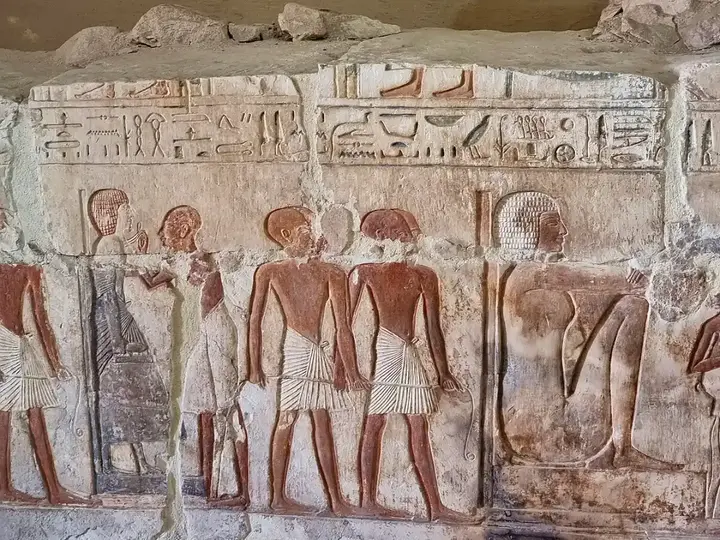
The construction and maintenance of tombs in Saqqara were not only religious activities, but also important economic projects. The cemetery provided employment opportunities for a wide range of workers, including architects, craftsmen, workers and priests. The demand for high-quality materials and skilled craftsmanship has stimulated economic activity and trade. Moreover, the burial in Saqqara was a status symbol, accessible primarily by kings, nobles, and senior officials, reflecting the social stratification of ancient Egyptian society. The economic and social dimensions of Saqqara contributed to its continued use as a prestigious burial site.
10. Environmental factors and conservation
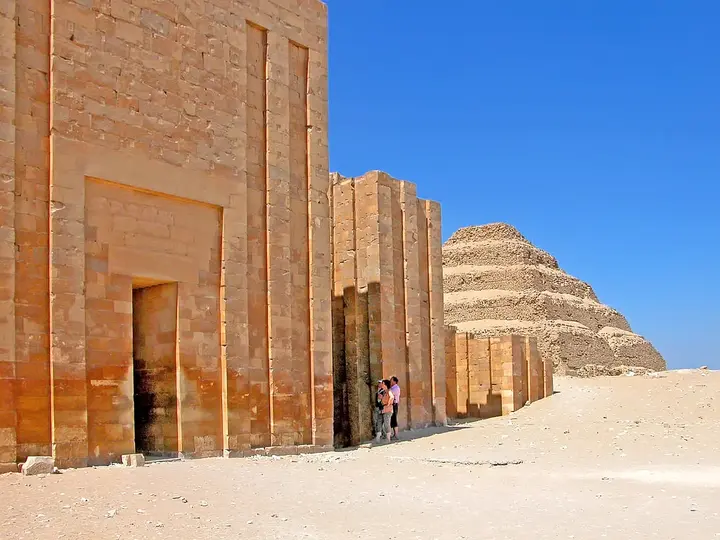
Saqqara's desert environment played a crucial role in preserving its tombs and monuments. The dry climate and sandy terrain helped protect structures from natural decomposition and corrosion. In addition, the height of the site protected it from the annual flooding of the Nile, which could damage low-lying areas. These environmental factors ensured that Saqqara remained an attractive and viable burial site over the centuries, allowing subsequent generations to build on and preserve the tomb.
Conclusion
Saqqara's enduring importance as a burial site for ancient Egyptians can be attributed to the confluence of historical, geographical, architectural, religious, economic and environmental factors. Its rich history, strategic location, innovative architecture, and cultural significance make it an ideal tomb for ancient Egyptian kings and elites. The preservation of the monuments of Saqqara over thousands of years provides a unique window into the past, providing valuable insights into the beliefs, practices and social values of the ancient Egyptian civilization.
