


Unforgettable adventures in Patagonia: climbing the Andes and exploring glaciers



Patagonia, the charming region located in the southern part of South America, between Argentina and Chile, is considered one of the most fascinating tourist destinations in the world. Patagonia's stunning landscape ranges from towering mountains to majestic glaciers, making it an ideal destination for adventure and exploration lovers. The charm of this region stems from its rich ecological diversity and rich cultural history, making it an unforgettable place for everyone who visits.
Show key points
- Patagonia, located in southern Argentina and Chile, is famed for its dramatic landscapes and is regarded as one of the world’s most captivating travel destinations.
- The Andes mountains in Patagonia present a thrilling challenge for climbers, offering rugged terrain and towering peaks that test both skill and endurance.
- November through March is the ideal season for mountain climbing in Patagonia due to more stable weather and safer conditions.
- ADVERTISEMENT
- Exploring Patagonia’s glaciers, such as the Berreto Moreno and Valdivia glaciers, provides a mesmerizing experience of shimmering blue ice and dynamic ice formations.
- The region boasts a diverse ecosystem, home to unique wildlife like guanacos and flamingos, and rare flora including fire trees and vibrant flowering plants.
- Cultural richness in Patagonia is deeply rooted in the heritage of indigenous groups like the Mapuche, whose customs and traditions still shape local life.
- Traditional Patagonian cuisine and festive customs, including dishes like asado and local celebrations, offer visitors a flavorful glimpse into the region’s cultural identity.
Patagonia is one of the most diverse and beautiful regions in the world, stretching across a vast expanse of stunning landscapes. From white ice peaks to clear blue lakes, from wide plains to dense forests, Patagonia offers a unique visual experience. This natural beauty attracts tourists from all over the world, looking for a unique experience that exceeds all their expectations.
Recommend
Andes: Challenging Nature
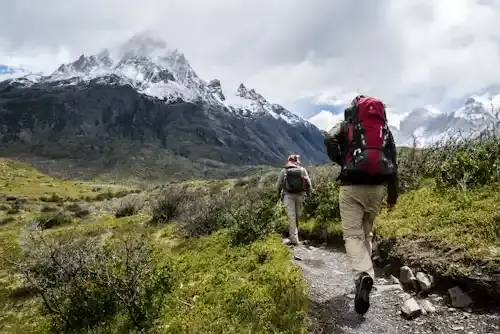
The Andes in Patagonia is one of the most prominent destinations for adventurers and climbers around the world. This mountain range is known for its rugged terrain and towering peaks that pose a real challenge for climbing enthusiasts. Adventure in the Andes is not just a sporting experience, but a direct encounter with the raw power and beauty of nature, making it an unforgettable experience for everyone who experiences it.
Best time to climb the Andes
November to March is best for climbing the Andes in Patagonia, where the weather is milder and weather conditions are more stable. During these months, blizzards are reduced and the climbing trails become safer, providing adventurers with the perfect opportunity to experience this great experience with minimal risk.
Equipment and preparations needed
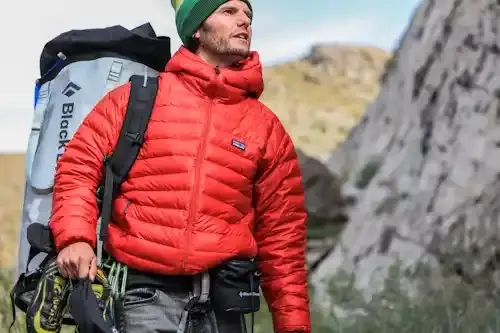
Climbing the Andes requires special equipment and meticulous preparations to ensure safety and success in this adventure. Basic equipment includes sturdy climbing boots, ropes, helmets, and personal protective equipment such as carbones and ice axes. In addition, it is necessary to prepare physically and psychologically for this trip, do regular exercises on climbing and adapt to mountain conditions.
The most famous peaks and challenges facing climbers
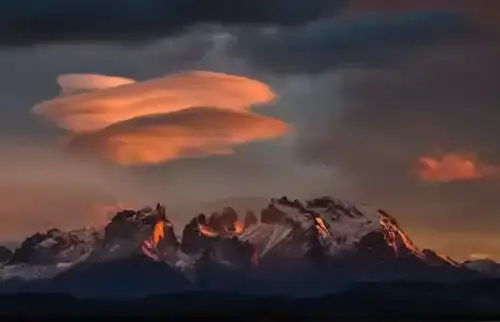
Patagonia has many famous peaks that attract climbers from all over the world, such as Fitz Roy Peak and Cerro Tori Peak. These peaks are not only famous for their breathtaking beauty, but also for their great challenges that require high skills and experience in climbing. Rugged terrain, volatile weather, and high altitudes all pose real challenges for adventurers seeking to reach the tops of these mountains.
Glaciers: the splendor of blue ice
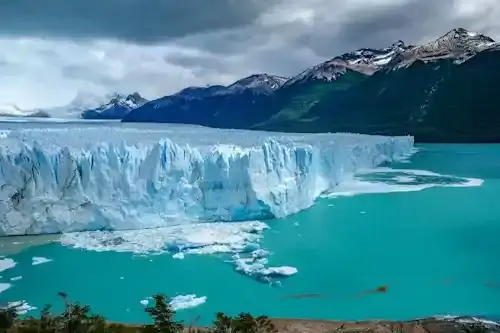
Patagonia's glaciers are one of the most impressive natural features, stretching over vast areas and creating an incomparable landscape. The blue ice shimmering under the sun reflects a unique beauty that attracts tourists and adventurers to explore this frozen world. Visiting these glaciers gives visitors an unforgettable experience that will remain in the memory.
The most prominent glaciers in the region
Patagonia has many famous glaciers, such as the Berreto Moreno Glacier and the Valdivia Glacier. These rivers are not only stunning with their beauty, but also with their unique formations and constant movement. Each glacier offers a unique experience, where visitors can enjoy watching the blue ice and listening to the sounds of it breaking and collapsing.
Glacier tours and exploration: what to expect
Patagonia's glacier exploration tours offer visitors a unique experience, including boat navigation through glacial lakes, ice surface walks, and glacier cave exploration. Visitors can expect to see enchanting landscapes, and listen to experienced guides explain the scientific and geographical details of these glaciers.
Safety is the top priority when exploring glaciers, so guide guidance should be strictly followed. Exploring glaciers requires wearing appropriate clothing to protect the body from the cold, and using the necessary tools such as crampons and ice axes. Be sure to listen to directions on how to move safely on ice and avoid dangerous areas.
Wildlife and flora of Patagonia
Patagonia is distinguished by its rich ecological diversity that combines a wide variety of unique animals and plants. In this area, visitors can see wildlife in its natural habitats, including pink flamingos, Andean condors, and guanacos.
Diverse plants include rare species of trees such as the fire tree (Nertonia), and dense forests where a wide range of flowering plants thrive. This biodiversity makes Patagonia an ideal destination for nature lovers and wildlife enthusiasts.
Patagonia is home to several nature reserves that aim to protect the region's unique biodiversity. Among the most prominent of these reserves are Torres del Paine National Park and Los Glaciares National Park. These reserves contribute to efforts to conserve rare and endangered species, as well as protect natural habitats from environmental degradation.
Culture & History
Indigenous history and cultural influence
The indigenous people of Patagonia, such as the Mapuche and the Tuilchi, have a long history of living in harmony with their surroundings. The local culture was greatly influenced by their customs and traditions, which include handicrafts, religious rituals, and the arts of hunting. The influence of these inhabitants is still evident in the daily and cultural life of Patagonia today, where much of their traditions are preserved and respected.
Traditions and customs of the local people and the most famous dishes
Patagonia has unique traditions and customs that reflect its cultural diversity. Locals celebrate special occasions with traditional dances and music, enjoying delicious dishes that reflect their agricultural and hunting history. Among the most famous dishes of the Patagonian are asado (grilled meat), churellana cake, and also fresh seafood dishes. These customs and dishes contribute to attracting tourists and offering visitors a rich cultural experience.
