


Explore Buenos Aires: The Enchanting Jewel of Argentina



Buenos Aires, the vibrant capital of Argentina, is one of the most charming and attractive cities in Latin America. Located on the west bank of the La Plata River, Buenos Aires is a unique blend of rich history, rich culture and contemporary life. Exploring its lively streets, visitors can discover the stunning colonial-era architectural heritage, enjoy spectacular art performances, and immerse themselves in the festive atmosphere of local festivals. Buenos Aires is not just a city, it is a rich cultural experience that captivates the hearts of its visitors with its unique Latin spirit and picturesque nature.
Show key points
- Buenos Aires captivates visitors with its vibrant blend of colonial heritage, rich culture, and lively modern life, making it a top Latin American destination.
- The city has a compelling history, from its troubled founding in the 1500s to its emergence as a major political and cultural hub after Argentina's independence.
- Its cultural scene is remarkable, featuring world-class tango performances, theaters like Teatro Colón, and annual music festivals celebrating diverse genres.
- ADVERTISEMENT
- Art lovers will appreciate the city's dynamic visual arts scene, with institutions like MALBA and numerous local artists contributing to a strong creative identity.
- Buenos Aires boasts iconic landmarks such as Casa Rosada and neighborhoods like San Telmo and Puerto Madero, each offering distinct historical and modern charm.
- The local cuisine, especially traditional dishes and Asado-style grilling, is an essential part of the city's cultural fabric and culinary appeal.
- With its mix of natural spaces like Bosques de Palermo and efficient transportation options, Buenos Aires is both relaxing and accessible for all types of travelers.
In this article, we will take you on a comprehensive tour to explore the sights and aspects of this charming jewel, and take a look at what makes it one of the most prominent tourist destinations in the world.
Recommend
History of Buenos Aires
The origin and development of the city through the centuries
Buenos Aires was first founded in 1536 by the Spanish explorer Pedro de Mendoza, who named it "Nuestra Señora Santa María del Buen Aire" in honor of the Virgin Mary. However, the original settlement was attacked by the indigenous population and abandoned a few years later. The city was re-founded in 1580 by Juan de Garay, and since then Buenos Aires has grown and developed into one of the most prominent cities in South America.
During the eighteenth century, the city became a thriving trading center thanks to its port, which was a major gateway to the silver trade. With Argentina's independence in 1816, Buenos Aires began to become the country's main political and cultural center.
Notable historical events and their impact on the city
Buenos Aires has witnessed many historical events that have shaped its course. In the nineteenth century, it played a decisive role in the wars of independence from Spain, becoming the center of the liberation movement. In the twentieth century, the city experienced a period of great socio-economic transformation during the presidency of Juan Perón and his wife Eva Perón, where the focus was on improving workers' conditions and promoting women's rights.
The city was also heavily affected by the economic and political crises of the end of the twentieth century and the beginning of the twenty-first century, such as the debt crisis of 2001 that led to major social unrest. However, Buenos Aires has managed to recover and regain its position as one of the most prominent cultural and tourist cities in the world, preserving its rich heritage and unique traditions.
Culture and art in Buenos Aires
Performing Arts and Music
City theatres and famous tango shows
Buenos Aires is known for its many theatres that host a variety of artistic performances, from dramas to operas and ballets. The Teatro Colón is one of the finest opera houses in the world and is known for its magnificent performances and opulent architecture. In addition, tango is a cultural symbol of Argentina, and famous tango shows are offered in many places, such as "Café Tortoni" and "El Viejo Almacén", where visitors can enjoy dance and music that tells stories of passion and nostalgia.
Traditional music and music festivals
Music is an integral part of Buenos Aires culture, where traditional melodies can be heard throughout the city. From Argentine folklore to jazz and Latin rock, Buenos Aires offers a rich and varied musical experience. Many music festivals are held annually, such as the World Tango Festival and the Latin Music Festival, which attract thousands of visitors and musicians from all over the world.
Fine Art & Exhibitions
Museums and art galleries
Buenos Aires has a wide range of museums and art galleries displaying works of art from different eras and styles. Among the most notable museums, we find the Museum of Latin American Art in Buenos Aires (MALBA), which houses an impressive collection of modern and contemporary artworks. There is also the Museo Nacional de Bellas Artes, which contains a rich collection of classical works from around the world.
Local artists and their influence
Buenos Aires is known for producing many local artists who have left their mark in the world of fine art. Artist Fernanda Laguna and painter Antonio Berni are among the prominent names that have influenced the Argentine and international art scene. These names contribute to the cultural identity of the city and support the contemporary art movement through their works that reflect the traditions and social and political challenges of Argentina.
Main sights
Historical monuments
Casa Rosada and Plaza Mayo
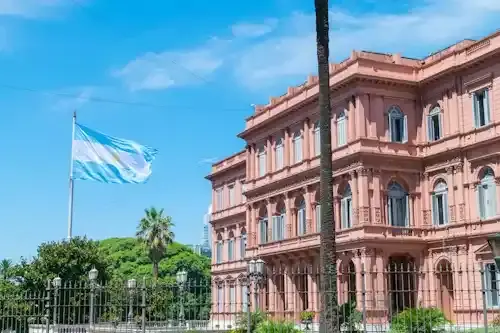
Casa Rosada is one of the most iconic buildings in Buenos Aires and is the official residence of the President of Argentina. This historic building is located on the eastern edge of Plaza de Mayo, the city's main square, which has witnessed many important political and historical events.
Visitors can tour Casa Rosada through organized tours, where they can explore the luxurious rooms and learn about the country's history. Mayo Square itself is a symbol of political and social struggle, having been the scene of demonstrations and protests over the years.
Metropolitan Cathedral
Located on the north side of Plaza Mayo, the Metropolitan Cathedral is the main church in Buenos Aires and the seat of the city's archbishop. The cathedral was built in the eighteenth century and is distinguished by its Baroque and neoclassical architecture.
Home to the tomb of General José de San Martín, one of the heroes of Argentine independence, the cathedral is an important tourist destination for visitors wishing to learn about the city's religious and cultural history.
Modern landmarks
Puerto Madero trendy district
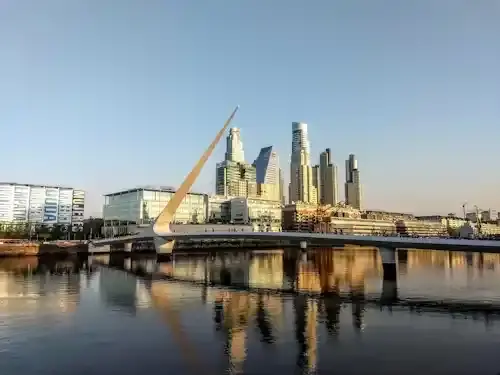
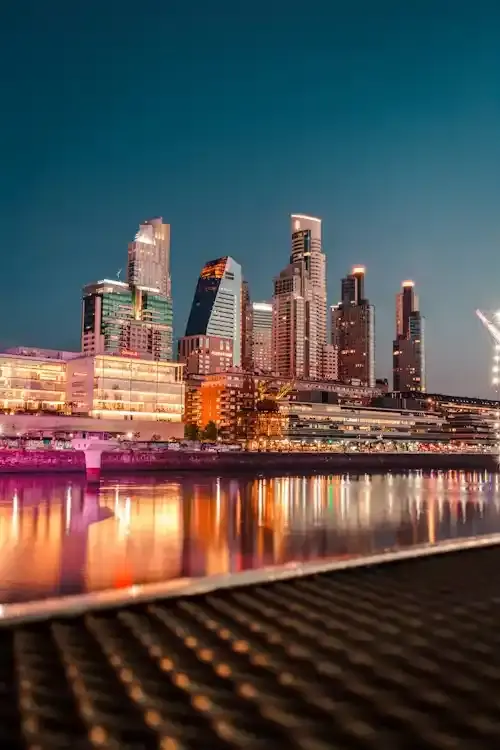
Puerto Madero is one of the most prestigious neighborhoods in Buenos Aires, transforming from an old port area into one of the most modern and modern areas of the city. The neighborhood is characterized by its glass buildings, luxurious residential and commercial towers, as well as high-end restaurants and elegant cafes overlooking the harbor.
Visitors can enjoy strolling along the coastal promenade and visit architectural landmarks such as the Women's Bridge (Puente de la Mujer) designed by the famous architect Santiago Calatrava.
Popular districts like San Telmo and Palermo
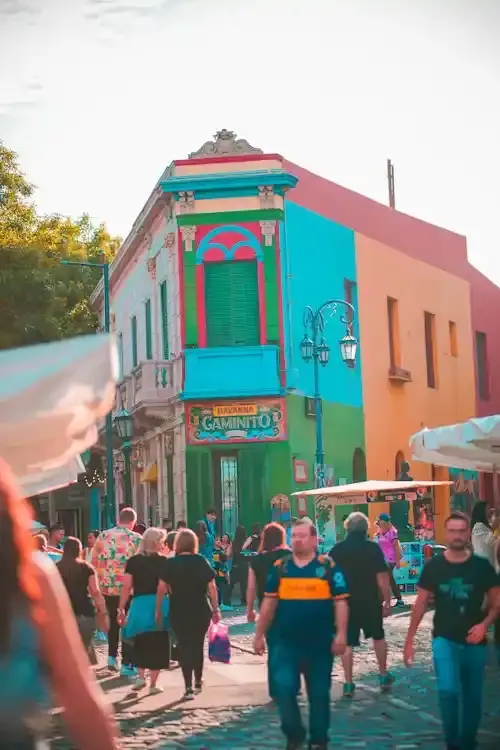
San Telmo preserves its historic atmosphere and is known for its narrow stone-paved streets, classic buildings, and antique markets. The San Telmo Market, which takes place on Sundays, is one of the most prominent landmarks, where visitors can buy local antiques and artwork.
Palermo, in contrast, is a centre for the city's nightlife and cultural activities. Palermo features extensive gardens, trendy restaurants and stylish bars. The neighborhood is also famous for its walls decorated with art murals that add an artistic and lively touch to the area.
Argentine cuisine in Buenos Aires
Traditional dishes and famous restaurants
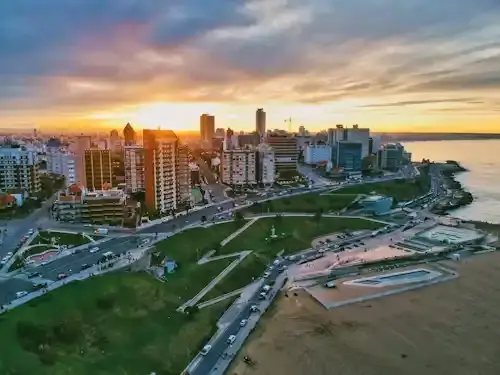
Argentine cuisine is an integral part of Buenos Aires culture, where visitors can sample a variety of traditional dishes. Among the famous dishes is the Empanada, a pie stuffed with meat, chicken or cheese. Also known as Milanesa, the city is a fried steak served with potatoes. La Brigada and El Sanjuanino are among the signature venues serving these delicacies.
Try Grills (Asadado) and other local foods
Asado is an unmissable dining experience in Buenos Aires, where meat is slowly grilled over a fire to deliver rich, fresh flavors. Asados can be sampled at the many restaurants dedicated to barbecue such as Don Julio and La Cabrera. In addition, other local foods such as Argentine sandwiches (Choripán) and traditional drinks such as mate can be savoured.
Shopping
Traditional markets and modern malls
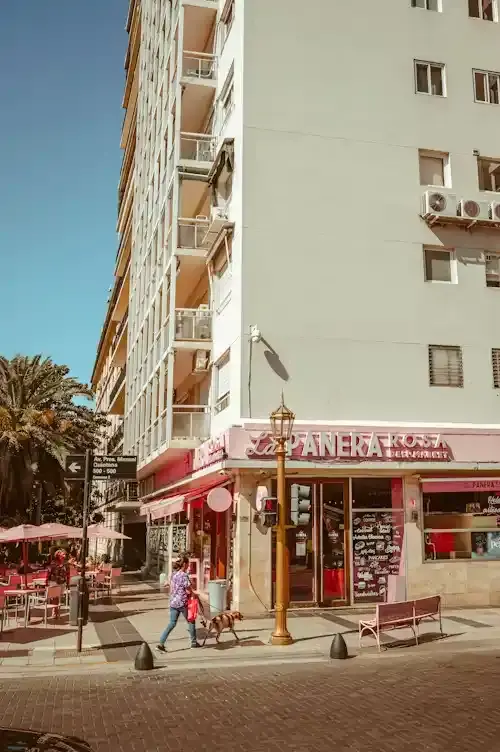
Buenos Aires offers a distinctive shopping experience that combines traditional souks and modern malls. Visitors can head to the San Telmo Market to discover ancient antiques and handicrafts. Modern malls such as Alto Palermo and Galerías Pacífico offer a wide range of international and local stores.
Local products and handicrafts
Buenos Aires is famous for local products such as premium leather and elegant silverware. Argentine handicrafts can be purchased at traditional markets and specialty shops, such as Feria de Mataderos and Pasaje de la República.
Nature & Parks in Buenos Aires
Gardens and parks
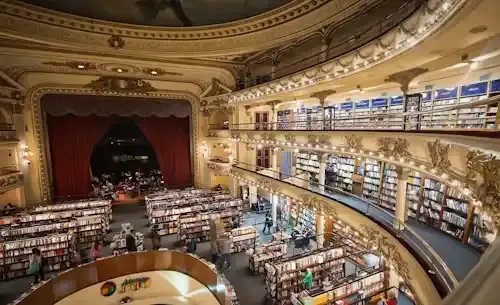
Buenos Aires is full of public gardens and parks that offer tranquil green spaces amid the hustle and bustle of the city. One of the most prominent of these parks is the Bosques de Palermo, which includes walking paths and beautiful lakes. In addition, Reserva Ecológica Costanera Sur is a great natural haven for bird watching and picnics.
Natural places to enjoy the outdoors
Buenos Aires offers many natural places that allow visitors to enjoy the outdoors. Visitors can enjoy cycling and strolling in the Reserva Ecology or explore the Tigre region, which lies on the banks of the Paraná River and is famous for its canals and boat tours.
Accommodation and mobility in the city
Hotels and different accommodations
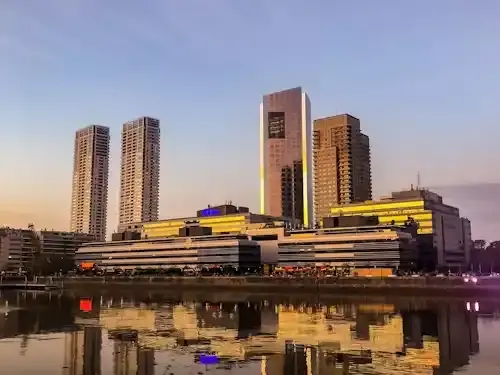
Buenos Aires offers a variety of accommodation to suit all budgets. Visitors can choose from luxury hotels such as Four Seasons Buenos Aires and boutique hotels such as Hotel Club Francés. Apartments for rent and B&B (B&B) are also available for a more modest and economical stay.
Transportation available and how to get around the city
Buenos Aires has an efficient public transportation network that includes buses, subways and trains. Visitors can purchase a SUBE card to be used for various modes of transportation. In addition, taxi and Uber services are available to easily commute around the city.
Bicycles are a fun and eco-friendly way to explore the sights thanks to the presence of dedicated bike paths in many neighborhoods.
Buenos Aires, a charming city that combines history with the spirit of modernity, is an unforgettable destination for anyone looking for a rich and diverse cultural experience. From its stone-paved streets of San Telmo to the glittering glass towers of Puerto Madero, Buenos Aires offers a unique blend of past and present. Vibrant tango and culinary offerings reflect the rich cultural heritage, while its expansive gardens and green spaces offer an opportunity to escape the hustle and bustle of the city and enjoy the beauty of nature.
Whether you're interested in art and music, savour Argentine delicacies, or explore historical and modern attractions, Buenos Aires has something to excite your senses and inspire your soul. This city is not just a tourist destination, it is a one-stop life experience that invites you to explore every corner of it. So, let your heart open to a new adventure in Buenos Aires, the jewel of Argentina, and discover its charm and beauty for yourself.
