Deciphering the aromatic world of ants

Show key points
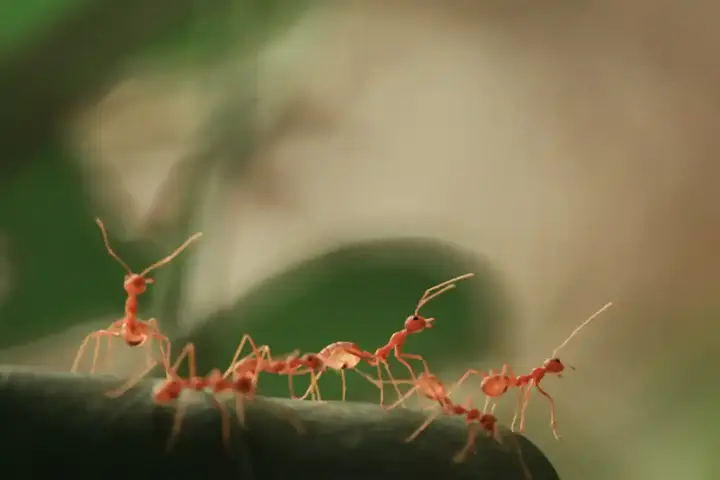
- Ants exhibit a highly organized social structure where individuals fulfill distinct roles such as foraging, caring for young, or reproducing, depending on their caste.
- Their foraging behavior is guided by pheromone trails, which allow ants to efficiently locate, share, and exploit food sources.
- Many ant species actively store or process food, with some even practicing agriculture by cultivating fungi or maintaining aphids.
- ADVERTISEMENT
- Adaptability in food preferences is achieved through specialized anatomy and behavioral changes in response to environmental conditions.
- Chemical communication via pheromones, ant acid, and hydrocarbons is central to ant interaction, affecting foraging, defense, recognition, and colony organization.
- Environmental factors such as diet and microbial presence can influence the specific odor profile of ant colonies.
- Human perception of ant odors varies, ranging from noticing acidic or pungent scents to being insensitive to their characteristic smell.
Ants, those small but hardworking creatures, have long fascinated scientists and enthusiasts alike. Besides their impressive social structure and industrious behavior, ants have another interesting attribute: their smell. Exploring the olfactory world of ants reveals a complex interaction of chemical communication and sensory perception. This article examines the smell of ants and sheds light on how these miniature wonders actually smell.
1- The life of ants:

An ant's life cycle usually begins with eggs laid by the queen. Larvae hatch from these eggs and go through several developmental stages before becoming adults. The time from egg to adult varies by species and environmental conditions. Once mature, ants take on different roles in the colony: workers forage, care for the young, and maintain the nest, while queens focus on reproduction. Individual lifespans also vary—workers typically live for weeks to months, while queens can live for years or even decades in some species.
Recommend
2- Foraging behavior:
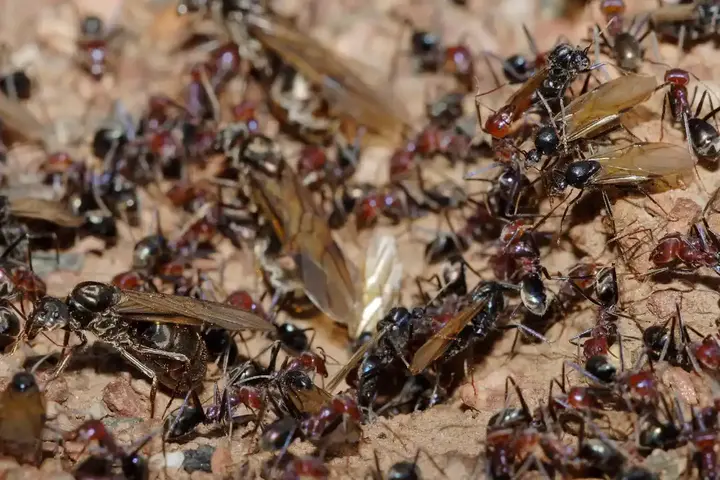
Foraging is central to colony life, providing the food and resources the colony needs. Ants use various strategies to find and collect food, often relying on chemical trails laid by foraging ants. These trails are marked with pheromones so other ants can follow them efficiently. Some species can coordinate large-scale foraging involving thousands of individuals. The types of food ants consume vary by species and habit, including plant materials, insects, and even other small animals.
3- Food storage and processing:
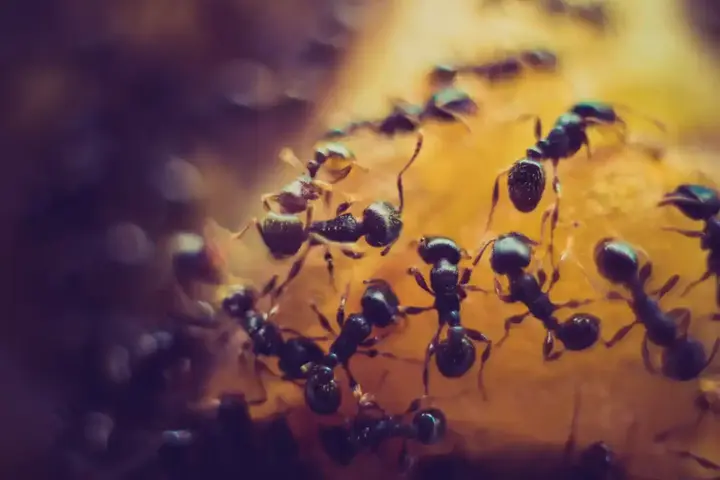
Colonies often store and process food to ensure a stable supply, especially during periods of scarcity. Some ants collect and store food inside their nests, using chambers or structures to preserve perishable items such as seeds or insect prey. Other species practice agriculture, cultivating fungi or tending aphids. In some cases, ants engage in trophallaxis, sharing food mouth-to-mouth or from antenna to mouth, which promotes social cohesion and resource sharing within the colony.
4- Adapting to food preferences:
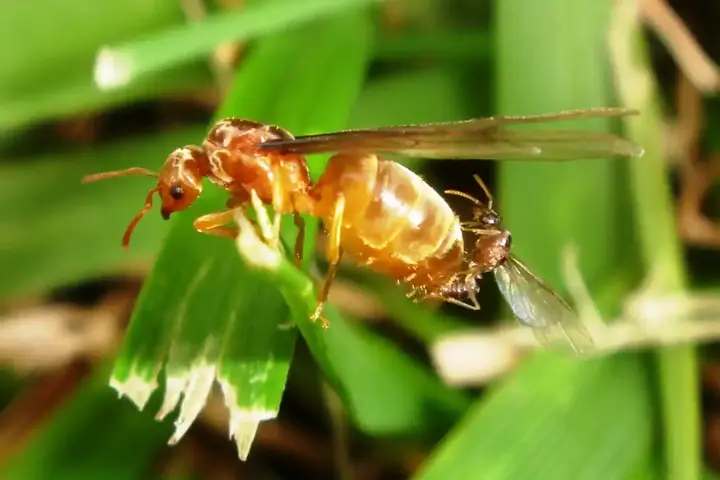
Ants have developed various adaptations to suit their diets, exploiting different food sources. Some species have specialized structures, such as adapted mandibles for capturing and processing prey, while others form mutual relationships with plants or other organisms to obtain nutrients. Ants also show behavioral flexibility, adjusting their foraging strategies and food preferences in response to changing environmental conditions or resource availability.
The foregoing overview offers a more complete understanding of ants' collective life, feeding habits, foraging behavior, and the role their emissions play, further highlighting the complex interactions between ants and their environment.
The following reviews some aspects of ant odor and the factors that affect it:
1- Chemical fingerprints:
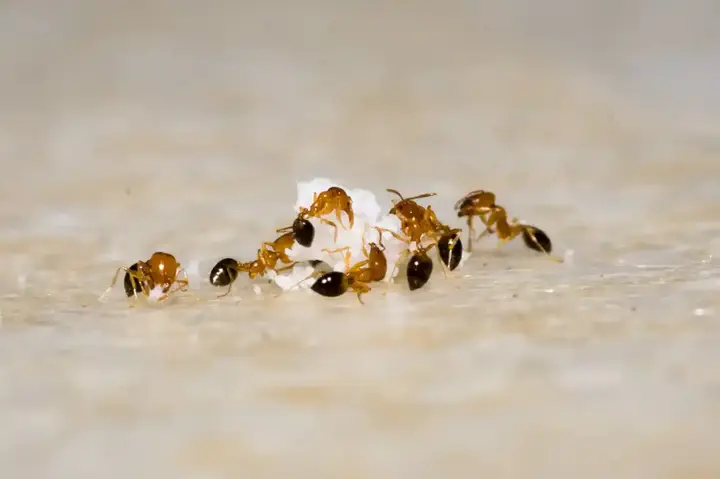
Ants communicate mainly through pheromones, chemical compounds emitted by individuals to convey messages within the colony. These pheromones are important in various aspects of ant life, including foraging, defense, and mating. The composition of these chemical fingerprints varies across ant species, contributing to their characteristic odors.
2- Ant acid:
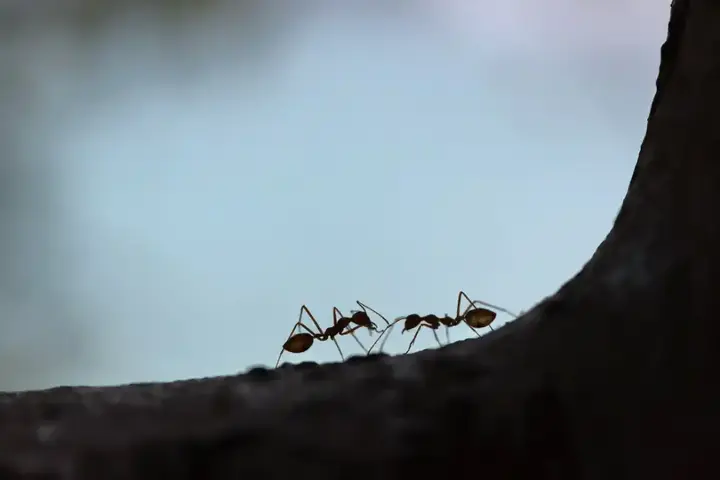
One of the predominant components of an ant's odor is ant acid, which gives ants their characteristic acidic smell. Ant acid, a simple organic compound, acts as a defense mechanism against predators and as a means of marking foraging pathways. The presence of ant acid varies between species, with some emitting it more strongly than others.
3- Hydrocarbons:
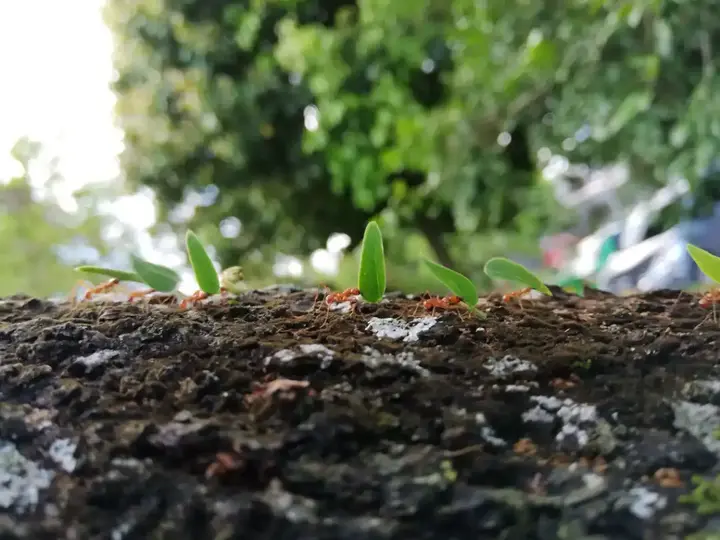
Hydrocarbons are another class of compounds that contribute to the scent of ants. These long-chain molecules not only influence overall odor but also play a crucial role in nestmate recognition and social cohesion within colonies. Studies have shown that hydrocarbon profiles can vary significantly between ant populations, reflecting their roles within the colony hierarchy.
4- Environmental impacts:
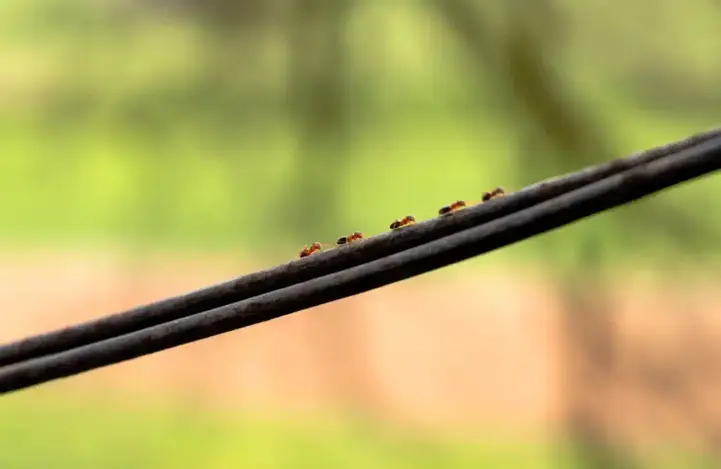
While ants' intrinsic chemical composition largely determines their smell, environmental factors can also affect the olfactory properties of colonies. Diet, habitat, and microbial interactions can modify ant odor profiles, leading to variation even within a single species.
5- Human perception:
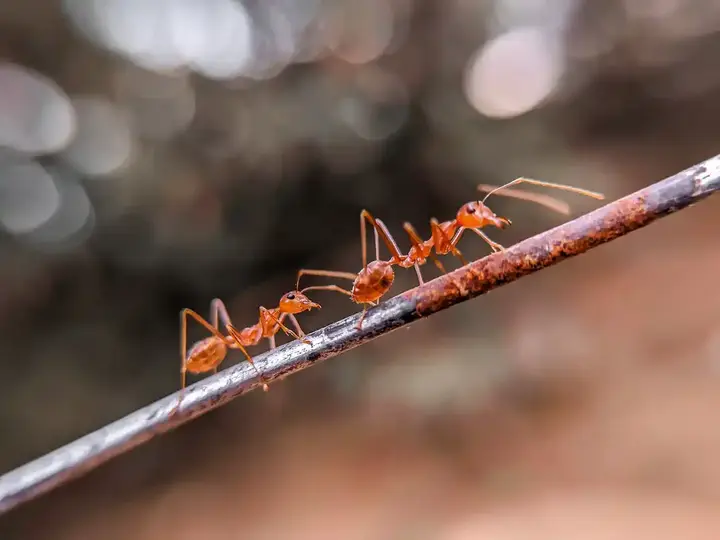
Despite the complex chemical composition of ant odors, human perception of these smells can vary greatly. Some people describe the smell of ants as pungent or acidic, while others may not detect any characteristic odor. This variation reflects the complex interaction between chemical signals and sensory processing.
The bottom line:
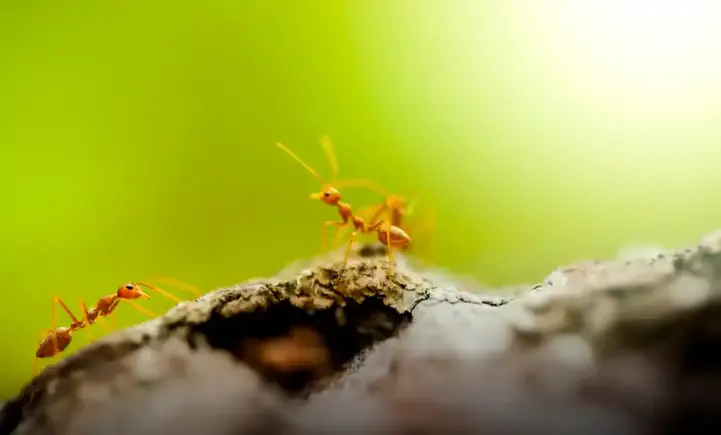
The smell of ants reveals a remarkable overlap of chemistry, biology, and behavior. From the acidic note of ant acid to the complex mix of hydrocarbons, ant odors act as signals within their communities. Exploring the olfactory world of ants not only enriches our understanding of their behavior but also highlights the fascinating adaptations that enable these tiny insects to thrive in diverse environments.