What is the most expensive bluefin tuna ever caught?

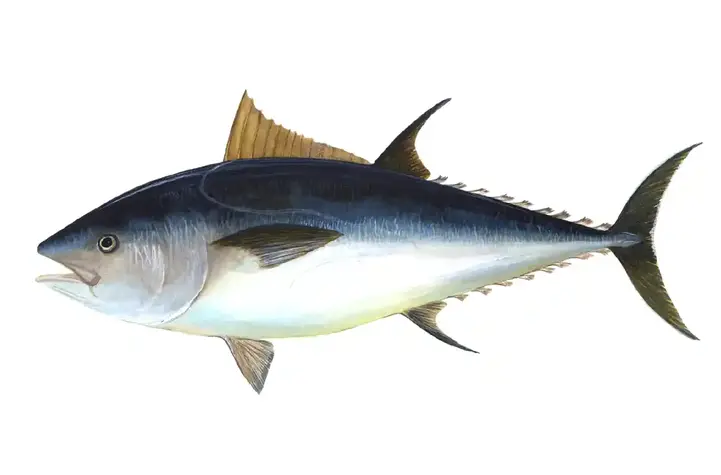
Show key points
- Bluefin tuna is revered worldwide as a symbol of luxury and culinary excellence due to its exquisite taste and rich texture.
- Its journey from ocean depths to high-profile auction markets like Tokyo’s Tsukiji and Toyosu underscores its economic and cultural importance.
- Buyers at these auctions, including notable figures like Kiyoshi Kimura, compete fiercely, sometimes paying millions for a single prized specimen.
- ADVERTISEMENT
- Fishermen endure dangerous ocean expeditions to capture premium bluefin tuna, fueling a global demand centered around gourmet dining.
- This highly valued fish holds cultural significance, especially in Japan, where it is a traditional centerpiece of celebration and prosperity.
- Environmental concerns such as overfishing and habitat degradation pose serious threats to the species, prompting calls for sustainable harvesting.
- Ultimately, the story of bluefin tuna is a complex blend of gastronomy, wealth, tradition, and environmental responsibility.
In the world of fine seafood, only a few catches capture the imagination — and the wallet — like the majestic bluefin tuna. Revered for its exceptional flavor and commanding presence, this ocean giant symbolizes culinary excellence and luxury. Yet amid the fish’s mystique, one question remains: what is the most expensive bluefin tuna ever caught?
In this look, we travel from the ocean’s depths to the peak of human ambition, tracing record catches and astonishing prices that have left their mark on fishing traditions. From Tokyo’s busy markets to the clear waters off Nova Scotia, we tell the stories behind these great fish and examine their cultural importance, economic impact, and the environmental challenges they face. Join us as we explore the world’s most famous fish and uncover what lies beneath the surface of the bluefin’s world.
Recommend
Culinary Crown Gem Uncovered: The Hunt for the Precious Bluefin Tuna
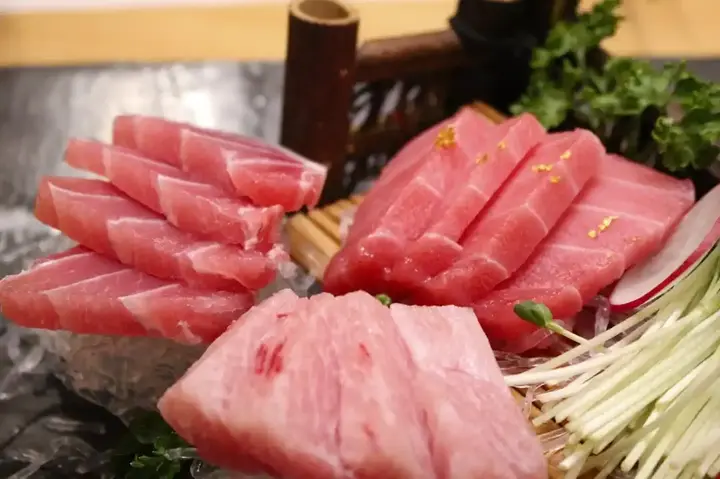
The pursuit of prized bluefin tuna goes well beyond ordinary fishing trips; it is driven by a search for culinary perfection. From the hustle of Tsukiji’s markets to the calm Mediterranean shores, chefs and experts look for the finest specimens of this prized seafood. With richly marbled flesh and a melt-in-the-mouth texture, bluefin tuna holds an almost sacred place in the world of seafood.
Fishermen brave the ocean’s dangers in pursuit of the perfect fish, relying on skill and determination. For chefs, the arrival of fresh bluefin signals a culinary celebration: each cut is handled with care and turned into sashimi or sushi that highlights the fish’s delicate flavor. With every bite, diners experience a direct taste of the sea captured in bluefin meat.
From the depths of the ocean to the auction blocks: tracing the journey of luxury bluefin tuna
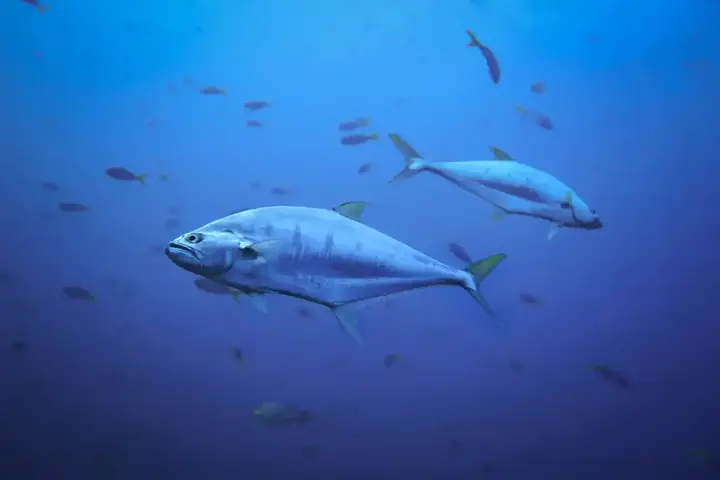
The path of a luxury bluefin begins in the open ocean, where these majestic fish roam in search of prey. Driven by instinct and the need to feed, bluefin undertake vast migrations, traveling thousands of miles in search of food.
Once landed, a bluefin’s journey takes a new turn as it enters bustling fish markets and auction halls around the world. Wholesalers and buyers gather to bid on the best specimens, each competing for the prestige of securing the finest catch. From Tokyo’s famous markets to auction houses in Mediterranean ports, competition is intense and stakes are high.
Ultimately, the luxury bluefin arrives in the kitchens of top restaurants and sushi bars, where skilled chefs transform the fish into creations that delight the senses and excite the palate.
Breaking records: the top contenders in the race for the most expensive bluefin tuna
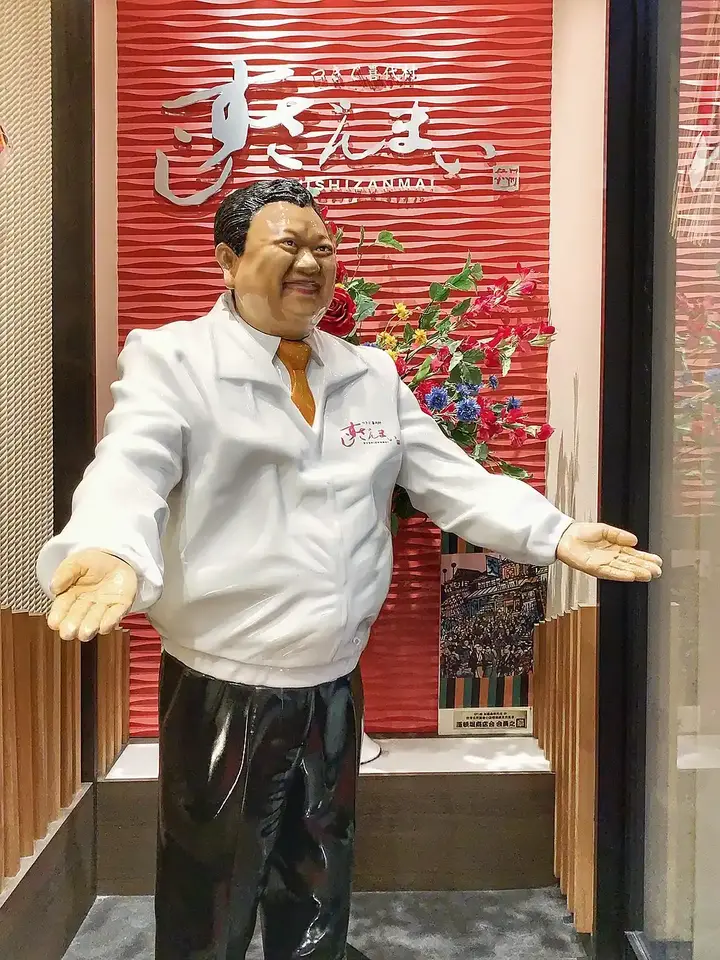
In the competitive world of bluefin auctions, records are made to be broken. Leading the pack is Kiyoshi Kimura, the famed "King of Tuna," whose annual bids at Tokyo’s Toyosu Fish Market regularly make headlines. With deep pockets and a taste for the very best, Kimura has repeatedly set new records, paying millions for single fish.
Kimura is not the only player in this high-stakes arena. Wealthy restaurateurs, seafood distributors, and other buyers all vie for a share of the lucrative bluefin market. With prices soaring to eye-popping levels, each auction becomes a show of wealth and prestige as bidders compete for the title of the most expensive bluefin tuna ever caught.
Beyond the Dollars: Exploring the Cultural and Environmental Significance of Bluefin Tuna
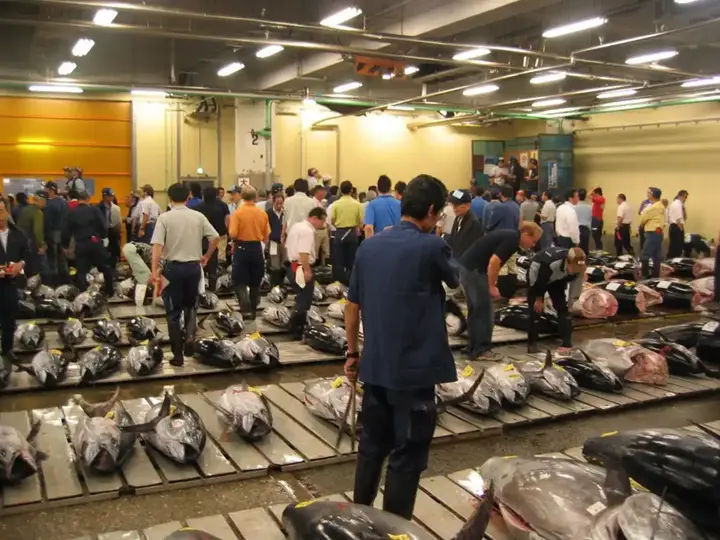
Bluefin tuna matter for reasons that go far beyond price. In Japanese culture, for example, bluefin symbolizes abundance and prosperity. Its appearance at seasonal celebrations highlights this cultural importance and helps connect generations through shared culinary traditions.
Yet rising demand raises serious environmental concerns. Overfishing and habitat damage threaten bluefin populations, prompting calls for conservation and better management. Around the world, authorities and organizations are trying to balance the economic benefits of tuna fishing with the need to protect marine ecosystems.
By recognizing the cultural value of bluefin and the risks they face, we can work toward keeping them for future generations. Through sustainable fishing practices and responsible consumption, it may be possible to continue enjoying these prized fish while protecting their place in the natural world.
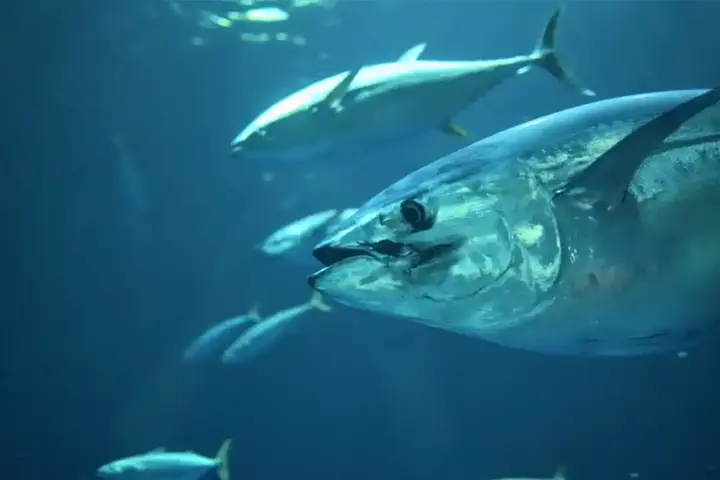
In conclusion, the story of the most expensive bluefin tuna ever caught is complex, mixing culinary passion, economic drama, and environmental responsibility. From Tokyo’s auction floors to Michelin-starred kitchens, this coveted fish attracts appetites and deep pockets. Beneath that glamour, however, lies an urgent need for sustainable practices and conservation. As we balance luxury with responsibility, we should work to preserve both the cultural heritage and the ecological future of these remarkable fish for generations to come.