


The complex dance of emotions, feelings and moods: a comprehensive exploration



The human soul, a wonderful tapestry of experiences and reactions, is a complex entity. He is able to experience a wide range of emotions, feelings and moods, each contributing to our unique human experience. These terms, although often used interchangeably in everyday language, carry distinct meanings in the field of psychology. They represent different aspects of our inner emotional landscape and play a crucial role in how we interact with the world around us.
Show key points
- Emotions, feelings, and moods, though often used interchangeably, have distinct psychological meanings and roles in shaping human behavior.
- Emotions are immediate, intense responses to specific stimuli and are often accompanied by physical reactions and universal expressions.
- Feelings are personal interpretations of emotions influenced by past experiences, beliefs, and cognitive evaluations.
- ADVERTISEMENT
- Moods are longer-lasting emotional states without a clear trigger that can subtly affect perception, behavior, and decision-making over time.
- These three emotional components interact closely, with emotions triggering feelings that can ultimately influence mood.
- Understanding the differences between these emotional states can improve emotional regulation, mental health, and interpersonal relationships.
- This awareness not only enhances emotional intelligence but also promotes self-discovery and more meaningful connections with others.
Understanding the differences between emotions, feelings, and moods can provide deeper insight into human behavior, mental health, and our interactions with others. It can help us navigate our emotional responses and empathize better with others. It can also shed light on the complexities of human behavior, revealing why we react the way we behave in certain situations and how our emotions can influence our perceptions and decisions.
Recommend
This exploration into the world of emotions, feelings and moods is not just an academic exercise. It has practical implications for our daily lives. By understanding these differences, we can become more aware of our emotional states and learn how to manage them more effectively. This can lead to improved mental health, better relationships, and a more fulfilling life.
Emotions: Immediate Responses
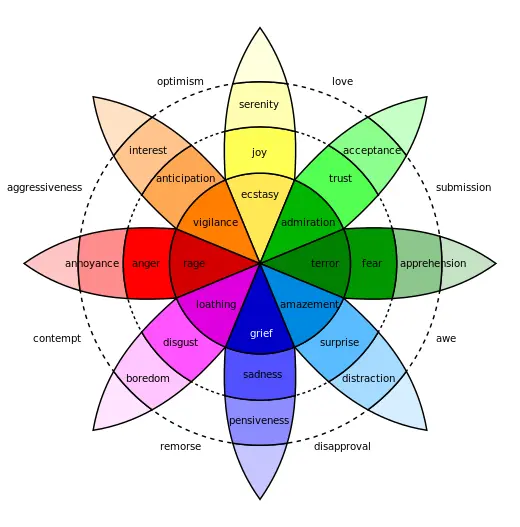
Emotions are the body's immediate responses to specific events or stimuli. They are usually accompanied by physical reactions such as a rapid heartbeat, sweaty palms, or a lump in the throat. Emotions are short-lived, intense, and usually have a clear and specific cause. For example, you may feel scared when faced with a dangerous situation or joy when you receive good news.
Emotions are universal across cultures, and researchers often point to six basic emotions: happiness, sadness, fear, anger, surprise, and disgust. These are considered "essential" because they are thought to be ingrained in our brains and are usually associated with specific facial expressions. However, the range of human emotions is broad and complex, encompassing a broad range that includes secondary and tertiary emotions such as guilt, shame and pride. These secondary and tertiary feelings are often more subtle and can be influenced by cultural and social norms.
Feelings: Personal Associations
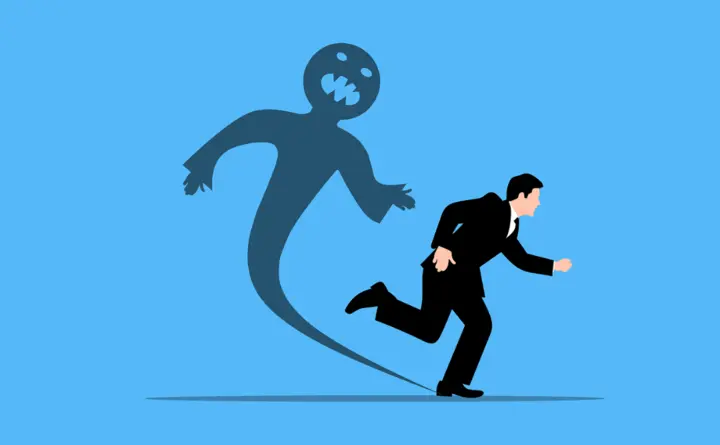
By contrast, feelings are personal associations or reactions to emotions. They are influenced by our personal experiences, beliefs, memories and interpretations. Feelings are subjective and unique to each individual. For example, two people may feel the same feelings of fear when they see a snake, but their feelings may be different. One person may be fascinated by their interest in reptiles in childhood, while the other may feel alienated by a previous traumatic experience with snakes.
Feelings are more complex and subtle than emotions. It involves a cognitive process where we interpret and understand the emotions we experience. This interpretation is influenced by our past experiences, beliefs, values, and individual personalities. Emotions can be difficult to express and may persist long after the event or emotion is over. They can also be affected by our physical condition, such as fatigue or hunger, and can be more severe when we are under stress or facing difficult situations.
Mood: long-term conditions
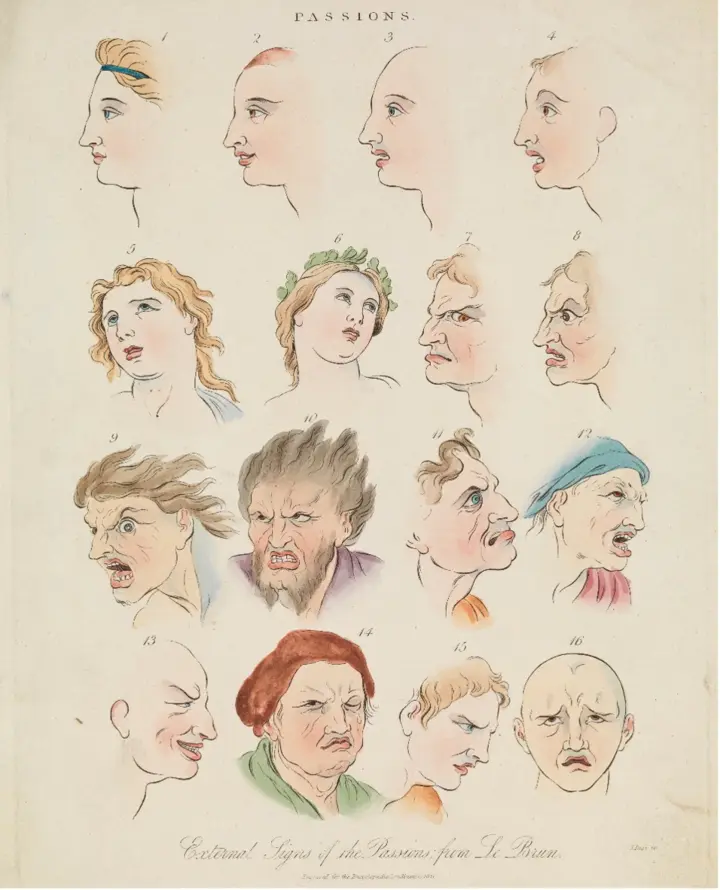
Mood, unlike emotions and feelings, are long-term states and do not necessarily have a specific trigger. They can last for hours, days, or even longer and can affect our behavior and perception of the world. For example, being in a cheerful mood may make you more likely to interpret neutral events positively.
Mood is often difficult to determine, as it can be subtle and not as intense as emotions or feelings. However, it can have a significant impact on our behavior, decisions, and interactions with others. For example, when we're in a bad mood, we may be more likely to interpret ambiguous situations negatively, be less patient, or be more critical of others. Mood can also be affected by a variety of factors, including our physical health, sleep patterns, diet and environmental conditions. They can also be affected by certain medications and substances, such as caffeine or alcohol.
Interaction and influence

Emotions, feelings and moods interact with each other in complex ways. Emotion can trigger a feeling, which can then affect your mood. For example, feelings of sadness from losing a game (emotion) may lead to feelings of disappointment (feeling), which can lead to a decrease in mood for the rest of the day (mood).
Understanding these differences is critical in many areas, including mental health. Misinterpretation of emotions can lead to misleading feelings and moods, which can lead to mental health problems such as anxiety and depression. Treatments such as cognitive behavioral therapy (CBT) often involve helping individuals accurately identify and manage their emotions, feelings, and moods. This can help individuals develop healthier coping mechanisms, improve their relationships, and enhance their overall well-being.
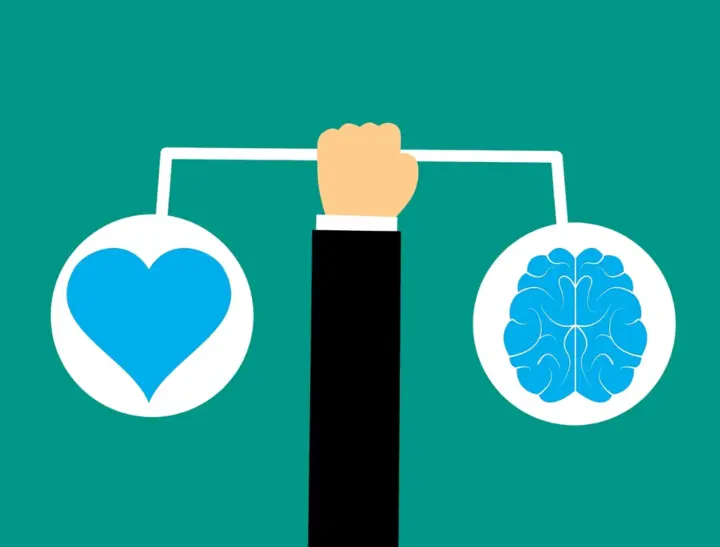
In conclusion, while emotions, feelings and moods are interrelated, they are distinct concepts. Emotions are immediate and intense responses to stimuli, feelings are personal reactions to emotions, and moods are long-lasting emotional states. Recognizing these differences can enhance our understanding of human behavior, improve our emotional intelligence, and contribute to improved mental health. As the poet Robert Frost once said, "The best way out is always to cross." By understanding and acknowledging our emotions, feelings, and moods, we can overcome life's challenges more effectively. This understanding can also help us empathize with others, build stronger relationships, and live a more fulfilling life. It is a wonderful journey of self-discovery and personal growth that can lead to a deeper understanding of ourselves and others.
