


7 Tourist Places in Egypt You Don't Know



Egypt contains many picturesque tourist places that many Egyptians do not know, let alone the tourists themselves, and the secret lies in this because there are many very famous places in Egypt that catch the eye and attract the attention of tourists to them, so these charming places are not mentioned because their lights dim if we compare them to giant archaeological sites and towering stone statues. Today we will take a peek at 7 little-known tourist places in Egypt that Egyptians themselves may be surprised to find out.
Show key points
- Many breathtaking tourist spots in Egypt remain unknown even to locals due to the fame of its iconic archaeological landmarks overshadowing them.
- Sharm El Naga Reserve, a hidden gem near Safaga, boasts crystal-clear waters and vibrant coral reefs, making it a paradise for divers.
- Wadi El-Gemal and Jabal Hamata Reserve in southeastern Egypt offer rich biodiversity and are home to sea turtles and rare birds.
- ADVERTISEMENT
- The salt lakes of Siwa Oasis are now popular for therapeutic tourism, known for their skin-healing mineral waters and scenic beauty.
- Aquamarine and Rocky Islands near Marsa Alam are renowned for their unique marine life, including the rare dugong, attracting global divers.
- The Enchanted Lake in Wadi Al-Rayan Reserve amazes visitors with its mysterious color-changing waters and tranquil natural setting.
- From the healing sulfur springs of the Pharaoh's Bath to the surreal chalk formations of the White Desert, Egypt hides countless natural marvels beyond its historic ruins.
1- Sharm El Naga Reserve:
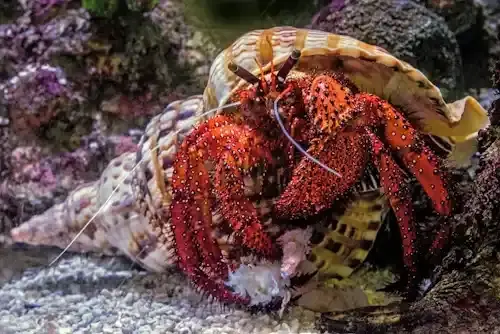
Sharm El Naga Reserve is located on the Red Sea coast several kilometers before the city of Safaga, and this place is characterized by extreme purity and contains many marine life and coral reefs of great beauty, which enchants divers from the intensity of the brilliance of its colors and makes them in a state of fascination because there is such a place and many divers do not know about it. When I went to this place for the first time, I was accompanied by some German tourists and they told me about it, so we set off together from Hurghada and the distance was about 55 kilometers, and I was very surprised by the reason why they travel that distance despite the splendor of the beaches in Hurghada, but when I got there I immediately realized the secret of the beauty of the place, as it is completely isolated from the surrounding places and most Egyptians do not know it, so that the workers in the place were surprised by my presence and were constantly asking About how I knew the place as they weren't used to seeing a lot of Egyptians there. The place has an international diving center where you can rent diving equipment and live that adventure like no other. The place began to become famous little by little over the past few years and was called the "Red Sea Riviera" for its beauty and distinction.
Recommend
2- Wadi El-Gemal and Jabal Hamata Reserve:
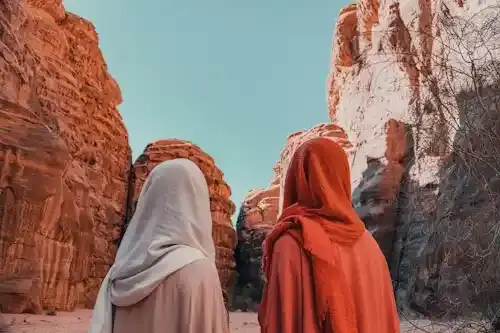
This reserve is completely different from Sharm El Naga despite the similarity of the two names, as Wadi El-Gemal Reserve is a desert reserve par excellence located in the far southeast of Egypt near the city of Marsa Alam and has a total area of about 7450 km2 and overlooks the Red Sea coast from the east with a length of 60 km. Wadi El-Gemal Reserve is considered one of the richest and largest Egyptian reserves in the Eastern Desert, as it is filled with many living organisms and environmental diversity, whether from amphibious organisms such as sea turtles that chose this quiet place for breeding, and there are many seabirds that inhabit the mountains surrounding the region, such as Mount Hamata, which is the highest mountain in the Eastern Desert in Egypt.
3- Salt lakes:
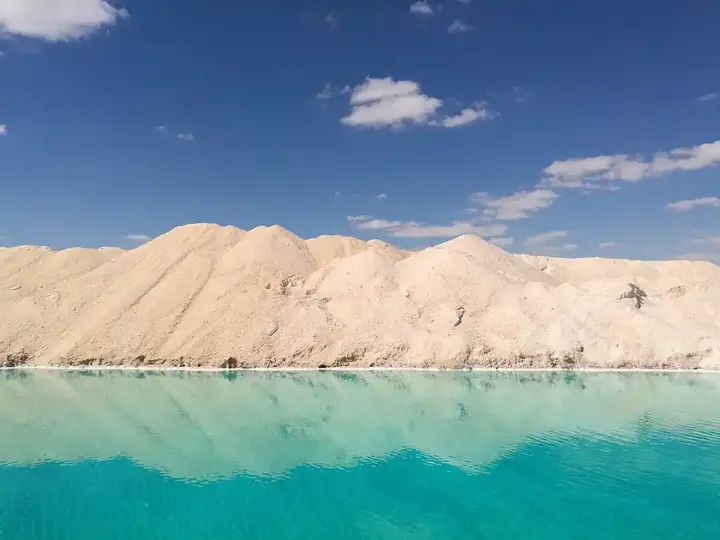
Salt lakes are located in Siwa Oasis in northwestern Egypt, and were recently added as an interesting tourist destination for those wishing to medical tourism, as these lakes have positive health effects on those who swim in them for a period of time with exposure to sunlight, and the reason is that the waters of these lakes contain many salts and minerals with therapeutic qualities for most types of skin diseases, which added to them a therapeutic value in addition to their picturesque appearance. This place was initially a mine for the extraction of mineral salts of industrial use but now it is very popular for a natural therapeutic experience without side effects.
4- Aquamarine Island and Rocky Island:
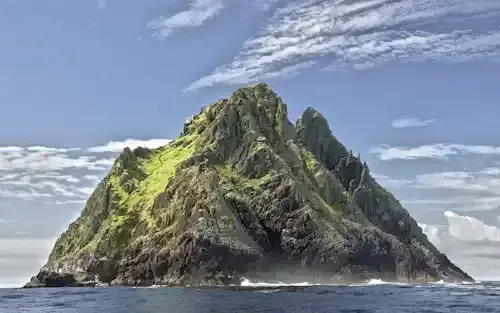
Aquamarine Island is known as the island of "St. John's" and it is one of the oldest Egyptian islands from which aquamarine was extracted, and some scientists think that this island is the first place from which aquamarine was extracted, but the largest aquamarine stone in the world was found on this island and weighed more than 300 carats, and it was kept and displayed in the Museum of the Smithsonian Institute in Washington. Aquamarine Island belongs to a group of islands called the "Bean Bay" island group, to which the rocky island called "Rocky Island" also belongs, and the two islands have become one of the most famous places for diving because they contain many distinctive aquatic life, including an object that is not found anywhere in the world except in this area, which is "dugong" or "dogong", which is one of the endangered types of dugongs, and is located near the waters of the tourist city of Marsa Alam, which gives that trip A special pleasure to see this marine creature that has no equal.
Dugong:
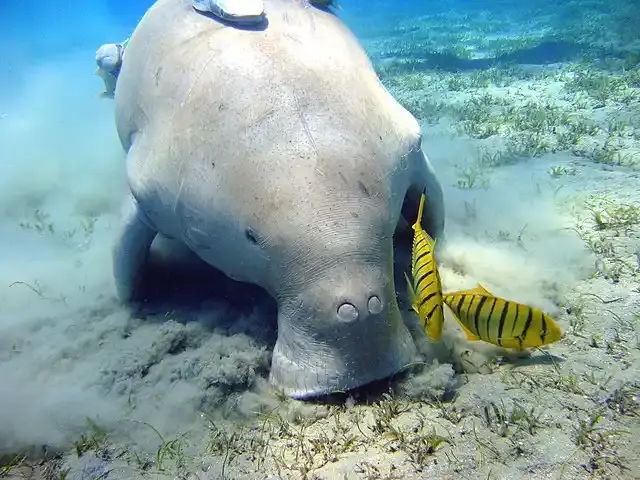
Given many names such as "sea elephant", "dugong" "mermaid", it has a large mouth and small eyes, and it is an endangered marine mammal with animal traits that share common animal traits with elephants, cows and pigs. His mouth resembles a hose and has long tusks at puberty. Tourists from more than 20 countries flock to it to see this distinctive object.
5- The Enchanted Lake and Wadi Al-Rayan Reserve:
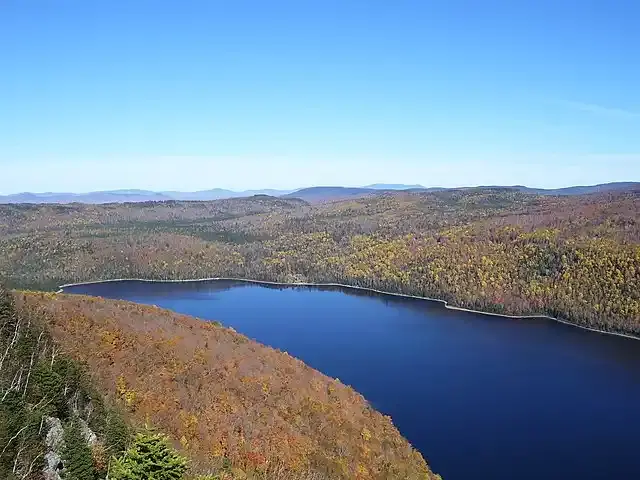
The enchanted lake is located in the Western Desert located in Fayoum Governorate in central Egypt west of the Nile River, and it is part of the Wadi El-Rayan Reserve, and it was named by this name because the color of its water changes several times a day mysteriously, and the reason why its color changes in this way has not been identified yet, but the change begins with sunrise and ends with sunset, which makes there a close link between the change in the color of the water and the reflection of sunlight on its surface. You can climb Mount Al-Mudawara to see a wonderful and unforgettable panoramic view of the lake, and you can camp for a day to be able to see the wildlife in the reserve.
Wadi Al Rayan Reserve
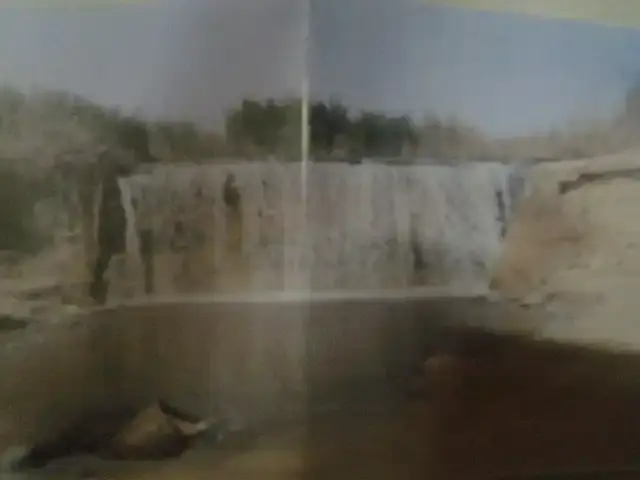
This reserve is considered one of the most important nature reserves in Egypt and is located 40 km southwest of Fayoum, and the reserve covers an area of 1759 km2 and contains a great diversity of environmental life and has many rare organisms that gathered around the water and waterfalls in the reserve, and it is worth noting that these waterfalls are the only waterfalls in Egypt, and it also contains fossils of many primitive creatures that lived in Egypt in the ancient past, which are still being researched and studies.
6- Pharaoh's Bath
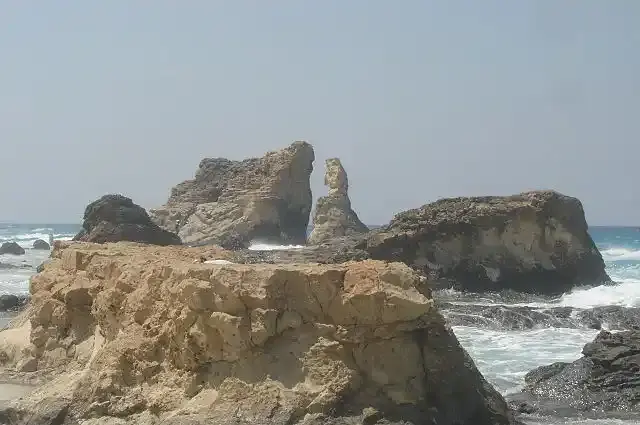
It is located in the South Sinai Governorate in the city of "Abu Zenima", about 250 km from the Egyptian capital, and it is a group of springs numbering fifteen springs from which hot sulfur water flows that come out from inside a cave in the Pharaoh's bath heading to a beach in the Gulf of Suez. The temperature of the flowing water is 92 degrees Celsius, and when scientists analyzed that flowing water, the results concluded that it is suitable for treating lung allergies, rheumatic diseases, lung, liver and skin diseases. There is a cave located on the top of the mountain overlooking the Gulf of Suez, which is used as a treatment center, one of the most beautiful tourist attractions for medical tourism seekers and lovers of nature and solitude.
7-White Desert
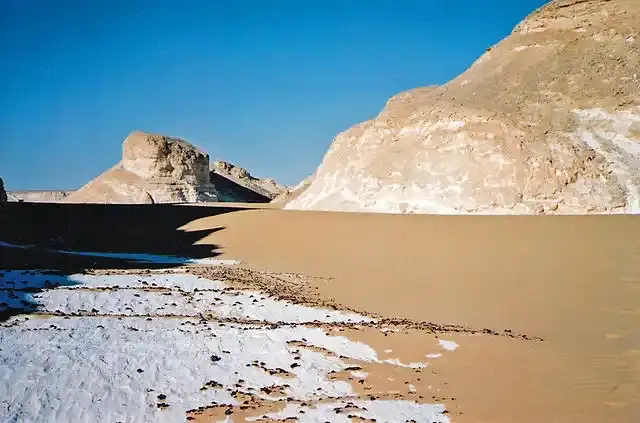
The White Desert is located in the Farafra oasis in the Western Desert of Egypt and is a treasure trove of wonders because of its distinctive landscapes and rocks, giving the impression that you have left the planet despite being 5 hours away from Cairo. It is so named because its land consists of snow-white chalk, and it is also dotted with limestone formations of the same snowy color that were formed by the wind, giving the area a rare geological status. One of the most famous of these rock structures is the mushroom's nest area, which is formed in the form of a bird's nest, and it was also famous for invertebrate fossils, stone trees and sand dunes of bright white. There is also the "Al-Jara" cave, which is considered one of the richest caves in the world in terms of various limestone deposits, and its depth is about 50 meters underground, and its entrance is decorated with some ancient inscriptions. There is a cluster of high soft sand that tourists enjoy doing sand skiing.
In conclusion, we cannot help but marvel at these natural treasures and charming places that sit quietly in the heart of Egyptian deserts to tell in silence stories of the bygone past.
