Chinese food is loved around the world. But if you ask someone outside Asia what "authentic" Chinese food means, they may not be able to answer correctly. An American might imagine crispy sweet-and-sour pork, while someone from the West Indies might liken it to bacon.
Of course,
ADVERTISEMENT
defining "authentic" food in any context is difficult. The dishes listed below may not belong to a canon established by ancient Chinese chefs, but they are genuine creations that arose from the experiences of Chinese immigrants — and the rest of the world is grateful for them.
As Chinese immigrants spread and shaped communities around the globe, they adapted familiar recipes to the ingredients and tastes available locally. The result is a variety of distinct dishes inspired by Chinese cuisine. Here are several you can try on six different continents.
ADVERTISEMENT
1. United States: General Tso's Chicken
Photo via Wikimedia Commons
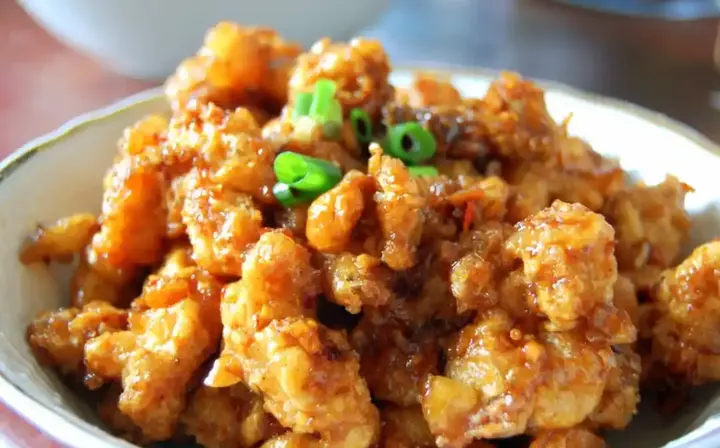
General Tso's Chicken is one of the signature dishes of the modern era of pseudo-Chinese cuisine. Its crispy, sweet, strongly flavored pieces of fried chicken suit American tastes, but this dish is not found in China in anything like the form familiar to diners abroad. Where did it come from, and who was General Tso?
The original recipe is usually credited to Peng Chang-kuei, a banquet chef who served the Nationalist government, fled to Taiwan during the Chinese Civil War, and later opened a restaurant in New York City where he is said to have created the dish. The name references the Qing dynasty military commander Zuo Zongtang, though the reason for the association is unclear. General Tso's Chicken, together with its cousins orange chicken and sesame chicken, forms the golden trio of Chinese-American fast food.
ADVERTISEMENT
2. Peru: Lomo Saltado
Photo via Wikimedia Commons
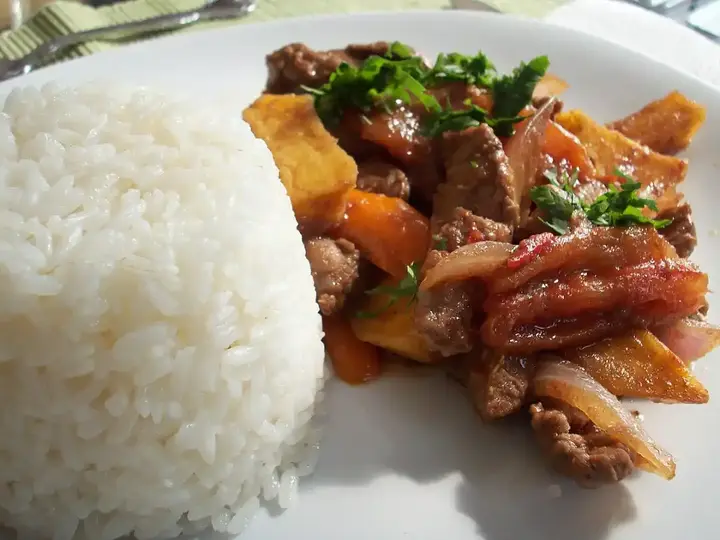
Lomo Saltado is a Peruvian classic that has become a staple of the national diet, but its origins lie with chifa cuisine. The term "chifa" comes from Cantonese and literally relates to cooking and eating. The chifa tradition began when immigrants from southern China arrived in Peru in the late nineteenth and early twentieth centuries and adapted their favorite recipes to local ingredients, creating one of the first true fusion cuisines.
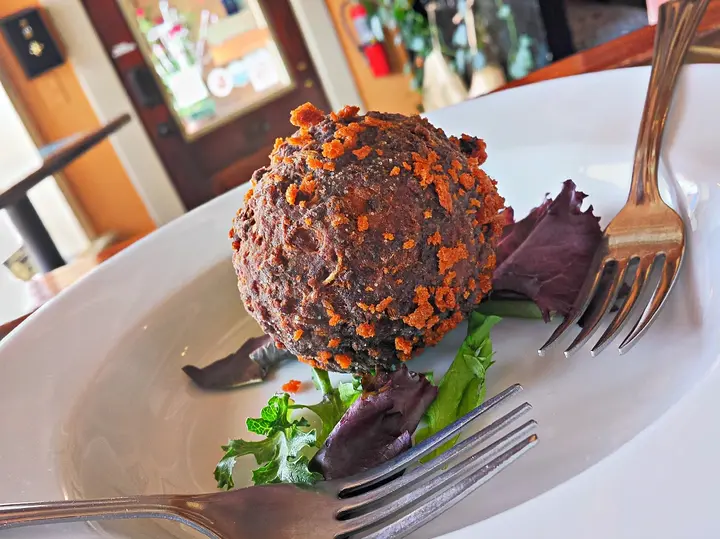
Lomo Saltado is typically a stir-fry that varies by region but generally includes slices of sirloin with tomatoes, onions and pieces of French fries served over rice. It's an unlikely combination, but it's delicious — a must-try if you visit Peru.
ADVERTISEMENT
3. Australia: Chico Roll
Photo via Flickr
The history of Australian stadium food changed when vendor Frank McEnroe saw a Chinese cart outside a cricket ground selling egg rolls. He wondered whether a firmer, more robust alternative could withstand the rough handling that comes with sporting crowds.
That idea became the Chico Roll. First marketed at the Wagga Wagga Agricultural Fair in 1951, the meat-based snack was initially promoted as a chicken roll despite containing no chicken. It remains a popular street-food favorite to this day.
4. Netherlands: Tjap Tjoi
Photo via Flickr
The Netherlands' colonial history produced a Dutch–Chinese cuisine heavily influenced by Indonesian flavors. Soy sauce and satay come together in this cross-cultural Asian cooking, and even Dutch diners might struggle to say where one influence ends and another begins.
ADVERTISEMENT
Older culinary traditions made way for bold, hybrid dishes in which seafood meets seasoned meats to satisfy local tastes. When Chinese food arrived in the United States it evolved into "chop suey." In the Netherlands it became "tjap tjoy," a softer, more vegetable-filled version influenced by Dutch soup and stir-fry traditions. The dish combines the full force of Chinese noodles, vegetables, chicken and sometimes shrimp — all coated in satay-style sauce. Eat enough, and you may even grow to the size of the average Dutchman.
5. Trinidad: "Chinese-style chicken"
Photo via Flickr
In the nineteenth century, after the British abolished African slavery in Trinidad, Chinese laborers began to arrive to fill gaps in the workforce. They brought their cooking with them, producing an eclectic fusion of spices, sauces and flavors that survives in one of Trinidad's most popular dishes, known locally simply as "Chinese-style chicken."
ADVERTISEMENT
The preparation calls for marinating the chicken overnight in dark soy sauce and five-spice powder, then deep-frying it until crisp and hot. A touch of ginger and lemon provides acidity, while the combination of Chinese oyster sauce and spicy Scotch Bonnet pepper sauce gives the dish its signature binational flavors.
6. India: Paneer Schezwan
Photo via Wikimedia Commons
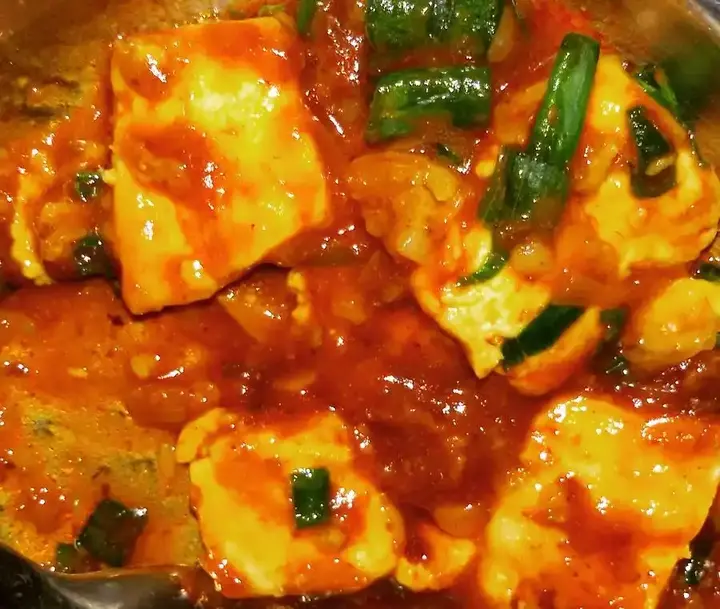
Indo-Chinese cooking has long existed and originated in the Hakka Chinese communities of Calcutta. This style adapts Chinese cooking techniques and spice profiles to Indian tastes, producing dishes rarely seen in mainland China.
The name "Paneer Schezwan" — a dish that uses paneer, the soft cheese common in Indian cooking — is not a typo. Indian menus often use this spelling rather than the modern pinyin romanization "Sichuan." Dishes labeled "Schezwan" or "Schezwan-style" typically use a sauce with Indian red chilies, garlic and sometimes even Sichuan peppercorns.
ADVERTISEMENT
Because dairy is uncommon in most regional Chinese cuisines, Paneer Schezwan is a good example of the imaginative dishes that emerge from cultural blending.
7. Japan: Chuka Ryori
Photo via Unsplash
Chuka ryori refers to Japanese–Chinese cuisine, usually served in modest, locally run restaurants. These humble shops are scattered across Japan and can be found on almost any street with eateries.
Eating Chinese food there may surprise you and make you question its authenticity. Mapo tofu appears in a modified form, often milder and adapted to Japanese tastes. Dishes with names such as chuka-don (literally "Chinese rice bowl," a stir-fry served over rice), tenshin-han (literally "Tianjin rice bowl," an omelet with crab served over rice), and hiyashi chuka (literally "chilled Chinese-style," chilled ramen noodles) are common in Japan but do not exist in the same forms in China, despite their names.
تسنيم علياء
ADVERTISEMENT
قد يكون الإغوانا "الأخضر" لديك رماديًا — وهذا طبيعي تمامًا
ADVERTISEMENT
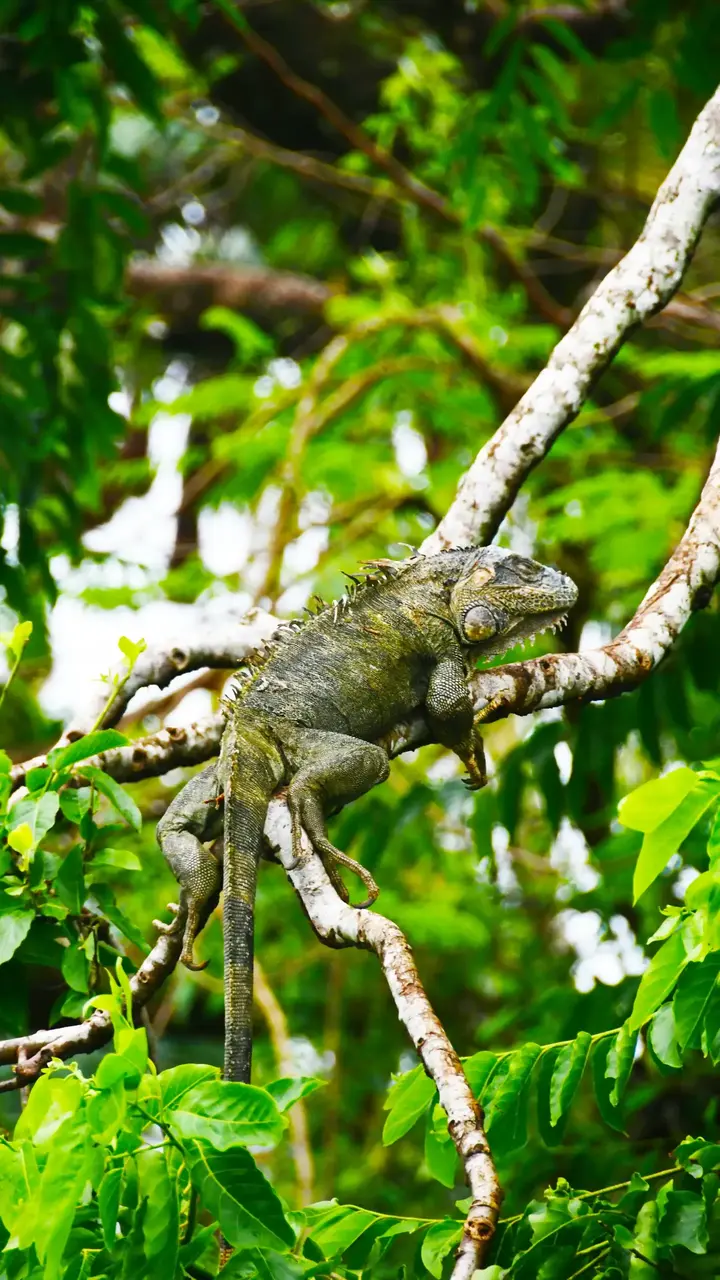
إذا كنت تتوقع أن تبدو الإغوانا الخضراء بلون أخضر زاهٍ، لكن ما تراه هو مسحة رمادية في ضوء النهار، فأول ما ينبغي معرفته هو هذا: كثيرًا ما يكون ظهور الإغوانا الخضراء بلون رمادي أمرًا طبيعيًا تمامًا.
هذا الاسم يوقع كثيرين في الالتباس. فعبارة «الإغوانا الخضراء»
ADVERTISEMENT
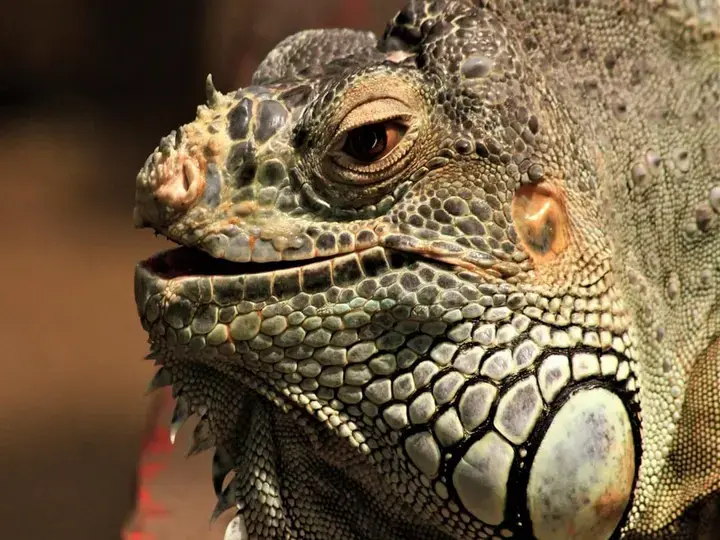
تبدو كأنها وعد. لكن في الواقع، قد تبدو الإغوانا السليمة بلون أخضر باهت، أو زيتوني، أو مائل إلى البني، أو مائل إلى الرمادي، تبعًا للضوء والعمر والحالة الجسدية، وكذلك للطريقة التي تعكس بها الحراشف ذلك الضوء.
لماذا قد تبدو الإغوانا السليمة مختلفة عمّا تتوقعه للوهلة الأولى
يمكن لإغوانا في حالة سكون أن تخدع العين بسرعة. تبدأ بالنظر إلى الرأس، ثم إلى خط الأشواك، ثم إلى الذيل الطويل، فتلاحظ أن الجسم ليس لونًا واحدًا مسطحًا على الإطلاق. بل ينقسم إلى بقع. بعض الحراشف يلتقط الضوء، وبعضها الآخر يستقر في ظلال دقيقة.
ADVERTISEMENT
وهذا مهم، لأن جلد الإغوانا خشن ومجعّد وغير مستوٍ. ففي ضوء النهار الساطع، تتجمع ظلال صغيرة بين الحراشف وحول الثنيات، ولا سيما على جانبي الجسم وتحت الأشواك. وما يبدو من بعيد «رماديًا» يكون في كثير من الأحيان جلدًا أخضر مضافًا إليه أثر الملمس والظل.
يشير الوصف الخاص بنوع Iguana iguana في Animal Diversity Web إلى أن الإغوانا الخضراء متغيرة اللون. وهذا ينسجم مع ما يراه مربّو الزواحف ومراقبو الحياة البرية باستمرار: فالصغار غالبًا ما يبدون أكثر إشراقًا، بينما قد تبدو البوالغ أكثر بهتانًا بكثير. كما ربطت أبحاث عن تلوّن الإغوانا تغيّر شدة اللون بعوامل مثل العمر والجنس ودرجة الحرارة والتوتر.
ويُعد العمر أحد أبرز الأسباب التي تجعل الناس يقلقون بلا داعٍ. فالإغوانا الصغيرة غالبًا ما تحتفظ بالأخضر الأكثر صفاءً. ومع النضج، يفقد كثير منها ذلك المظهر الأخضر الطازج المشابه للأوراق، ويميل إلى درجات أكثر عكارة: أخضر مغبر، أو أخضر رمادي، أو أخضر بني، بل وحتى مسحة مزرقة في بعض ظروف الإضاءة.
ADVERTISEMENT
ويمكن لدرجة الحرارة أن تغيّر الصورة أيضًا. فقد يغمق لون الإغوانا الأكثر برودة وهو يستدفئ تحت أشعة الشمس، كما يمكن للتوتر أن يزيد عمق لون الجسم أو يبهته. وهذا لا يعني تلقائيًا وجود مرض. بل يعني أن اللون عند هذا الحيوان متغير بحسب الحال، وليس ثابتًا.
السؤال الذي يغيّر كل شيء
إذا كانت الإغوانا الخضراء تبدو رمادية بين الأوراق الخضراء، فما الذي يُفترض أن يفعله اللون أصلًا؟
وهنا يأتي التحول الأهم: توقف عن البحث عن درجة واحدة «صحيحة» من اللون، وابدأ بالسؤال عمّا يفعله اللون في تلك اللحظة. ففي ضوء النهار الساطع، قد تبدو الحراشف الخشنة رمادية مغبرة بدلًا من الأخضر الورقي، لأن ملمسها الذي يلتقط الظلال يجزّئ اللون عبر الجسم كله. إن عينك ترى الصبغة والسطح والضوء في آن واحد.
ولهذا السبب يمكن للإغوانا نفسها أن تبدو أكثر خضرة في ضوء أكثر نعومة، وأكثر رمادية تحت شمس قوية، وأكثر تسطحًا تحت إضاءة داخلية. فاللون لا يتعلق بالصبغة وحدها، بل يتعلق أيضًا بالتمويه، وتنظيم الحرارة، والإشارات، وبالحقيقة البسيطة القائلة إن الجلد الخشن يلقي جيوبًا صغيرة من الظل حيث لا يفعل الجلد الأملس ذلك.
ADVERTISEMENT
وحين تنظر إلى الأمر بهذه الطريقة، تتراجع أهمية التسمية. ويصبح السؤال الأكثر فائدة هو ما إذا كانت هذه المسحة الرمادية تنسجم مع الظروف المحيطة بالحيوان ومع الطريقة التي يتصرف بها.
قبل أن تقلق، أجرِ هذا الفحص السريع تحت ثلاثة أنواع من الضوء
1. انظر إلى الإغوانا تحت أشعة الشمس المباشرة إن أمكنك ذلك بأمان. فالضوء القاسي يميل إلى إبراز الملمس وتعميق الظلال الدقيقة، لذلك كثيرًا ما تجعل الحراشف الخشنة الجسم يبدو أكثر رمادية مما تتوقع.
2. انظر إليها مرة أخرى في ظل مفتوح. فإذا بدا الحيوان فجأة أكثر نعومة في خضرته أو أقرب إلى الزيتوني، فهذا يرجّح أن يكون الأمر أثرًا ناتجًا من الإضاءة لا أزمة صحية.
3. قارن ذلك بالإضاءة الداخلية أو الاصطناعية. فكثير من المصابيح الداخلية يسطّح ألوان الزواحف أو يدفعها نحو الاصفرار أو الرمادي. وما ينبغي ملاحظته هو ما إذا كان «الرمادي» درجة لونية متجانسة إلى حد ما على امتداد الجسم وتتغير مع الضوء، أم أنه مجرد عتمة تستقر داخل نمط الحراشف الخشنة.
ADVERTISEMENT
ثم أضف إلى ذلك الأسباب الشائعة الأخرى. فالإضاءة تغيّر الانطباع العام أولًا. وملمس الحراشف يجعل اللون يبدو متقطعًا ومغبرًا. كما أن التقدم في العمر غالبًا ما يبهت الأخضر الأصلي. ويمكن لحرارة الجسم أن تغمّق الجلد أو تكتمه. وقد يفعل التوتر الشيء نفسه. وفي موسم التزاوج أيضًا، تبتعد ألوان بعض البوالغ عن الأخضر العادي الذي يتوقعه الناس.
متى لا يعود اللون الرمادي أمرًا عاديًا
في بعض الأحيان، قد يكون اللون الرمادي فعلًا علامة على مشكلة. لكن اللون وحده لا يكفي للحكم. فالمهم هو ما إذا كان الحيوان كله يبدو على غير ما يرام إلى جانب هذا اللون.
وتستحق المسحة الرمادية مزيدًا من الانتباه إذا اقترنت بالخمول، أو غؤور العينين، أو ضعف الشهية، أو صعوبة الانسلاخ، أو اتخاذ وضعية باردة متيبسة لا تتحسن مع توفير الدفء المناسب. فاستمرار الاسوداد مع الضعف يختلف عن حالة إغوانا سليمة تبدو باهتة فحسب في ضوء النهار.
ADVERTISEMENT
وهذا هو الموقف الوسط الصادق. فقد يكون ظهور الإغوانا بلون رمادي أمرًا طبيعيًا في كثير من الأحيان، لكن اللون وحده لا يمكنه استبعاد المرض. فإذا جاء تغيّر الدرجة اللونية مصحوبًا بتغيّرات سلوكية واضحة، أو إذا ظل الحيوان يبدو على غير طبيعته في ظروف إضاءة وتدفئة مختلفة، فعندها يحين وقت التفكير بدرجة أقل في أسماء الألوان وبدرجة أكبر في مراجعة طبيب بيطري مختص بالزواحف.
الطريقة الأهدأ للحكم على ما تراه
في معظم الأحيان، يكون الجواب أقل درامية مما يبدو في البداية. فقد تكون «الرمادية» التي لاحظتها مجرد أثر لضوء النهار على الحراشف الخشنة، أو نتيجة لتقدم الحيوان في العمر وبهتان ألوانه، أو تغمقًا مؤقتًا بسبب الحرارة، أو استجابة خفيفة للتوتر تزول لاحقًا.
استخدم هذه القاعدة العملية: احكم على اللون بالاقتران مع الضوء والملمس ودرجة الحرارة والسلوك، لا على اللون وحده.
دنيز أكسوي
ADVERTISEMENT
رحلة عبر جزيرة سكاي: مناظر طبيعية آسرة وكنوز مخفية
ADVERTISEMENT
تعد جزيرة سكاي واحدة من الوجهات السياحية الأكثر جاذبية في العالم، فهي تجمع بين مناظر طبيعية خلابة وتراث ثقافي رائع. إذا كنت تبحث عن مغامرة فريدة ورحلة تنبض بالإثارة والجمال، فإن زيارة جزيرة سكاي هي الخيار المثالي لك. ستجد نفسك أمام سحر خالص من
ADVERTISEMENT
مناظر التلال الخضراء والبحيرات الزرقاء، بالإضافة إلى الكثير من الكنوز المخفية في جيب هذه الجزيرة الساحرة.
استكشاف مناظر طبيعية آسرة
unsplash على Oliver Zhou الصورة عبر
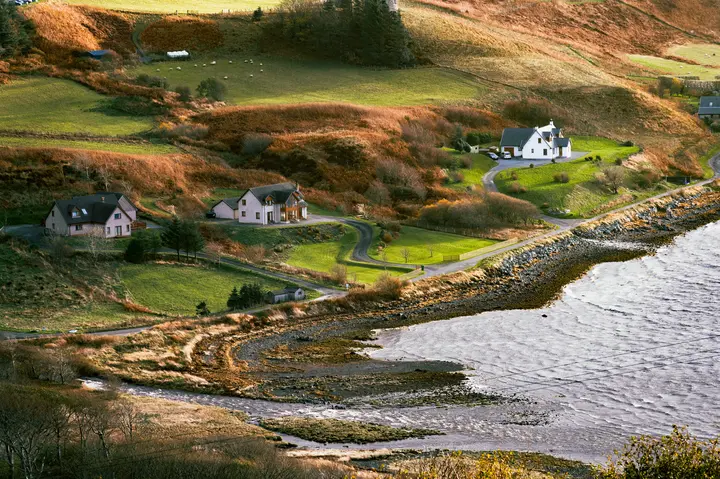
في عمق جزيرة سكاي، تنساب أنهارٌ من الجمال الخلاب وتمتد بساحاتها التلال الخضراء إلى أبعد الآفاق. تتأرجح الشمس فوق التلال، ترسم لوحاتٍ رومانسية من الظل والضوء على الأرض الخصبة. تتناثر أزهارُ البرية كاللآلئ الفريدة في أرجاء المروج، تفوح منها نغماتٌ عذبة تعزفها رياح البحر التي تلامسها بلطف. فشواطئ جزيرة سكاي تتربع على محياها صامدةً وساحرةً بشكلٍ لا يصدق.
ADVERTISEMENT
لا يعد المشي عبر هذه المناظر الطبيعية الآسرة مجرد رحلة استكشافية، بل هو تجربةٌ تعيد الروح للحياة. في كل خطوة، تتفتح أمامك أبوابٌ جديدة تخبئ لك مفاجآتٍ لم تكن تتوقعها. فالغابات الكثيفة تناديك بأصوات الطيور الغريبة، والشلالات الجارية تشكل عروشاً مائية مجهولة الأسرار. هنا، يسكن الجمال بمعنى الكلمة.
يمكنك الاستمتاع بتجربة المشي عبر السهول المورقة وتسلق التلال الشاهقة التي تطل على البحيرات الزرقاء اللامتناهية. بجانب الشواطئ الذهبية، يمكنك التجول بمفردك في هذا الجنة الطبيعية والتأمل في جمال المحيط وأصوات الأمواج الهادئة. بالتأكيد، ستعيش لحظات لا تنسى هنا بين الألوان والروائح الخلابة.
ومن المعروف أن جزيرة سكاي تحتضن الطيور المهاجرة في فصول الربيع والخريف، ما يجعلها مزاراً لعشاق الطبيعة. يمكنك مشاهدة طيور النورس والعقاب وهي تحلّق في سماء جزيرة سكاي، فيما تلقط عينك روعة هذا المشهد الساحر.
ADVERTISEMENT
استكشاف مناظر طبيعية آسرة في جزيرة سكاي يعتبر رحلةً تحمل في طياتها العديد من النزعات الروحية والتفكير العميق. هي فرصةً للاتصال بجمال الطبيعة واكتشاف جواهرها المخفية والتي تنتظرك بشغف. في هذه الرحلة التي تلامس فيها روحك الأرض، ستعيش لحظات لا تُنسى وستُغرم بجمال جزيرة سكاي الآسر.
الثقافة والتاريخ: الكنوز المخفية في جزيرة سكاي
unsplash على Màrtainn Mac a' Bhàillidh الصورة عبر
تحمل جزيرة سكاي قصة ثرية من الثقافة والتاريخ، فهي تشتهر بتراثها المدهش والمخفي في كل زاوية من زواياها. لا يُعد جمال جزيرة سكاي مقتصرًا فقط على مناظرها الطبيعية الخلابة، بل يكمن أيضًا في قصصها القديمة والمعبّرة عن عراقة التاريخ الأسكتلندي.
عبر الجزيرة، تمتد آثار قلاع وأبراج وقرى تاريخية تروي تفاصيل حكايات الماضي. من بين هذه الكنوز المخفية، يبرز قلعة دونvegan بجمالها الخلاب وقصتها الغامضة. تعد هذه القلعة القديمة موقعًا تاريخيًا هامًا يشهد على مرور العديد من الحقب والحروب. كما تحتضن الجزيرة أيضًا قرية فورتروس التي تمتاز بشوارعها الضيقة والمباني التاريخية الجميلة التي تحمل أسرارًا قديمة تنتظر الكشف عنها.
ADVERTISEMENT
تعد الفنون والحرف التقليدية جزءًا هامًا من الثقافة السكوتلندية، وجزيرة سكاي ليست استثناءً. تتواجد في الجزيرة العديد من ورش الحرف اليدوية حيث يمكن للزوار الاطلاع على التقنيات التقليدية لصنع المجوهرات الفضية والأقمشة اليدوية النابعة من تراث الجزيرة. تعتبر زيارة هذه الورش فرصة رائعة لاكتشاف الثقافة المحلية والتعرف على الحرفيين الموهوبين الذين يعملون على الحفاظ على تراثهم التاريخي.
علاوة على ذلك، تحتضن جزيرة سكاي العديد من المتاحف والمعارض الفنية التي تعرض القطع الأثرية والأعمال الفنية التي تروي قصة الجزيرة وتعكس تطورها عبر العصور. تخطو خطواتك في هذه المتاحف الثقافية لاستكشاف التاريخ والفن والثقافة الفريدة لجزيرة سكاي.
إن كشف الكنوز المخفية في جزيرة سكاي يمنحك فرصة للتفاعل مع التاريخ والثقافة المحلية المدهشة. تلك القلاع العتيقة والقرى الجميلة والحرف التقليدية والمتاحف الثقافية تجعل الجزيرة تعمل ككتاب مفتوح يحمل في صفحاته قصة غنية ومثيرة. ستشعر بالتأثر والإلهام عند اكتشاف الكنوز الثقافية في هذا الجوهرة النادرة في قلب اسكتلندا.
ADVERTISEMENT
مغامرات في الهواء الطلق: تجربة السفاري وركوب الدراجات في جزيرة سكاي
pixabay على Roses_Street الصورة عبر
قمة السماء تمتد على مدى الأفق بخضرتها اللامتناهية، والرياح النقية تلامس وجهك بلطف وإحساس الألتهام بالحرية يغلف حواسك ببهجة. هذا هو الشعور الفريد الذي تجربه عندما تخوض تجربة السفاري وركوب الدراجات في جزيرة سكاي.
تتميز جزيرة سكاي بتضاريسها المتنوعة ومناظرها الساحرة، مما يجعلها المكان المثالي لاستكشافها من خلال مغامرات في الهواء الطلق. انطلق في رحلة سفاري في قلب الجزيرة واستمتع برؤية الحياة البرية النادرة التي تنعم بسكون الطبيعة المحيطة. تقدم لك هذه التجربة فرصة لرؤية الغزلان المفترسة تتجول بحرية في الحقول الخضراء، والنسور الضخمة تحلق في السماء اللازوردية، وربما حظاً حسناً قد تشاهد حتى النمور البحرية تسبح في المياه الزرقاء الفيروزية.
ADVERTISEMENT
للمغامرين الذين يحبون التحديات والإثارة، يقدم ركوب الدراجات تجربة مليئة بالأدرينالين. تغزو الجبال الرائعة والتضاريس الوعرة لتتحدى قوة جسدك ومهارتك في التوازن. تتخطى العقبات الصخرية وتتجاوز الأودية العميقة وتنغمس في أعماق الطبيعة المورقة. ستشعر بالحماس يخيم عليك وأنت تسير بسرعة عالية مع الرياح تشتد حولك وأنت تستكشف أراضي سكاي البرية.
مغامرات الهواء الطلق في جزيرة سكاي تشكل فرصة للاستمتاع بجمال الطبيعة والتحديات الجسدية، وتضفي لمسة من الإثارة والمغامرة على رحلتك. ستعود بذكريات لا تنسى وإحساس بالاستكشاف والتواصل العميق مع الطبيعة الساحرة. اذهب إلى جزيرة سكاي واستمتع بتجارب السفاري وركوب الدراجات، ولا تدع هذه الفرصة النادرة تفوتك.
الرياضات المائية: السباحة والغوص وصيد الأسماك في المياه الفيروزية
unsplash على Katia De Juan الصورة عبر
ADVERTISEMENT
تجسد جزيرة سكاي جمالها في المياه الفيروزية التي تحيط بها. إنها ليست مجرد مشهد للنظر، بل هي أرض المغامرات المائية الرائعة. ستجد في هذه الجوهرة البحرية كل ما تحتاجه لتجربة حقيقية ومثيرة في رياضات المياه. سواء كنت من محبي السباحة أو الغوص أو صيد الأسماك، ستجد نفسك مغمورًا في جمال البحر ومتواجهًا مع أشكال مذهلة من الحياة البحرية.
لنبدأ بالسباحة، حيث تتوفر في جزيرة سكاي العديد من الشواطئ الرملية الساحرة التي تدعوك للاستمتاع بغطسة مثيرة. انطلق في مغامرة تحت أشعة الشمس الدافئة وانغمس في المياه الصافية. اشعر بحرية الطيران على الأمواج ودع الملح ينعش بشرتك. ستعيش تجربة لا تنسى في روعة الطبيعة البحرية وسحرها الخاص.
عندما يكون الصفاء والهدوء هو ما تبحث عنه، فإن الغوص في مياه جزيرة سكاي يقدم لك هذه الأوقات الهادئة والمذهلة. انزلق تحت السطح لتكتشف عالمًا ساحرًا من الشعاب المرجانية والأحجار البحرية وأصداف البحر الملونة. تأمل في جمال الأسماك الاستوائية والشعاب المرجانية المزدهرة والأحياء البحرية الأخرى. تجربة الغوص في جزيرة سكاي هي كأن تستكشف عالمًا سريًا مليئًا بالجمال والسحر.
ADVERTISEMENT
أما إذا كنت تفضل صيد الأسماك، فجزيرة سكاي هي المكان المثالي لك. انطلق في رحلة صيد مثيرة في المياه الفيروزية الخلابة. ستجد هنا أنواعًا متنوعة من الأسماك مثل سمك السلمون وسمك القرش والتونة والسمك الملون. استعد للتحدي بينما تقاتل الأسماك الضخمة وتحاول الإمساك بها. ستشعر بالتشويق والحماس عندما تجد الأسماك تلوح في المياه وأنت تلاحقها بمهارتك وصبرك.
بالإضافة إلى ذلك، يمكنك أيضًا استكشاف الأنشطة الأخرى في المياه الساحرة مثل التجديف والتزلج على الماء. قم بتجربة ركوب الزوارق السريعة وشعر بالرياح تعبث بشعرك ووجهك أثناء التحليق عبر المياه الهادئة.
باختصار، إذا كنت تبحث عن المغامرة والإثارة في المياه، فإن جزيرة سكاي هي المكان الذي يلبي طموحاتك. استمتع بالسباحة والغوص وصيد الأسماك في المياه الفيروزية الساحرة واختبر الحياة البحرية الغنية والمذهلة. ستأخذك هذه الرياضات المائية في رحلة رائعة إلى عالم ساحر في جزيرة سكاي.
ADVERTISEMENT
التجول في قرية بورتري: استكشاف الحياة القروية الريفية التقليدية
unsplash على Bree Anne الصورة عبر
تعد قرية بورتري واحة هادئة ومحفوفة بالجمال في جزيرة سكاي. عندما تمشي في شوارعها الضيقة المبلطة بالحصى وتراقب المنازل الحجرية التقليدية، ستشعر وكأن الزمن قد تجمد في هذا المكان الساحر. تحيط بورتري بالمروج الخضراء الفاتنة والتلال المهيبة، وتقدم جميع مكونات الحياة القروية التقليدية.
بدايةً، ستجد نفسك تستكشف المزارع الواسعة وتطلع على الماشية المتجولة في الحقول المجاورة، ويعطيك ذلك الشعور الحقيقي بالحياة الفلاحية وروح المشاركة في رعاية الحيوانات وحصاد المحاصيل. ستتعرف أيضًا على أدوات العمل القديمة التي استخدمت في القرون الماضية وتحكي قصصًا عن الجهود الشاقة والمهارات التقليدية للمزارعين في القرية.
تضفي المنازل الحجرية القديمة في بورتري رونقًا خاصًا على القرية، فهي تعكس الهندسة المعمارية التقليدية وتذكرنا بالحياة البسيطة والتقاليد العريقة. يمكنك الاستمتاع بجولة مشي قصيرة في القرية والتعرف على تفاصيل هذه المنازل وأساليب البناء الفريدة.
ADVERTISEMENT
لا يمكن تجربة الحياة القروية الكاملة في بورتري دون زيارة المراعي المحيطة بالقرية. ارتدي حذاء المشي واختر طريقًا للتجول في الريف الذي يمتد حول بورتري، واستمتع بالاستنشاق العميق للهواء الطلق النقي والاسترخاء في هذه البيئة الطبيعية الفريدة. قم بالتجول في المروج الخضراء وتجاوز المزارع والنهر الهادر واستمتع بالمناظر الخلابة التي تحيط بك.
والأكثر من ذلك، استكشف حياة القرويين المحليين وتعرف على ثقافتهم وتقاليدهم الفريدة. ستجد السكان المحليين في بورتري ودودين ومرحبين، ويسعدون بمشاركة قصصهم وتقديم وجبة تذوقية من المأكولات المحلية الشهية.
في نهاية اليوم، ستجد نفسك وسط الهدوء والسكينة بين جمال الطبيعة وروح القروية التقليدية في قرية بورتري. ستكتشف أن معرفة الحياة القروية ليست مجرد زيارة سياحية، بل هي تفاعل وتجربة حقيقية مع قلب الطبيعة وروح الجالية المحلية.
ADVERTISEMENT
الضيافة والمأكولات: اكتشاف ثقافة الضيافة السكوتلندية وتذوق الأطباق الشهية
pixabay على jackouffer69 الصورة عبر
تعتبر جزيرة سكاي مكانًا يتسم بالضيافة الساحرة والترحيب الحار. فقد تم تعزيز ثقافة الضيافة السكوتلندية على مر العصور، وتشكل اليوم جزءًا لا يتجزأ من تجربة زيارة الجزيرة. إن الاستمتاع بالمأكولات الشهية واكتشاف تقاليد الضيافة يعطي الزائرين فرصة فريدة للانغماس في ثقافة المكان وتجربة الحياة اليومية لأهل سكاي.
عندما تتوجه إلى جزيرة سكاي، ستجد العديد من المطاعم والمقاهي التي تقدم أشهى الأطباق التقليدية والعصرية. يمكنك الاستمتاع بتناول الأطباق البحرية الطازجة، مثل السلمون المدخن والقرنبيط المقلي. كما يجب ألا تفوت فرصة تذوق الأطباق اللحمية المحضرة بأيدي ذوي الخبرة، مثل البراوني السكوتلندي والهاجتيس. ستستمتع بمزيج فريد من النكهات والتوابل التي تعكس تراث الطهي السكوتلندي.
ADVERTISEMENT
ولكن لا تقتصر تجربة الضيافة في سكاي على المأكولات الشهية فحسب، بل تتجاوز ذلك لتشمل الاستمتاع بالمشروبات اللذيذة. يمكنك زيارة أحد المقاهي المحلية وتذوق مشروب البرجر السكوتلندي التقليدي، أو الاسترخاء في حانة تاريخية وتجربة العديد من أنواع الجعة المحلية المصنوعة يدويًا.
علاوة على ذلك، ينبغي عليك استغلال الفرصة لزيارة المزارع المحلية والمشاركة في تحضير الأطباق التقليدية مع السكان المحليين. ستتعلم تقنيات الطهي والأسرار القديمة التي تنتقل عبر الأجيال، مما يزيد من تواصلك مع الثقافة السكوتلندية.
تلعب ثقافة الضيافة والمأكولات دورًا حيويًا في تجربة زيارة جزيرة سكاي. فإذا كنت تبحث عن فرصة لاكتشاف ثقافة جديدة وتذوق الأطباق الشهية، فإن جزيرة سكاي هي المكان المناسب لك. ستجد نفسك مدللًا بالضيافة الساحرة وعلى وشك أن تعيش تجربة نادرة ومذهلة لن تنساها في حياتك.
ADVERTISEMENT
pixabay على Jacobite الصورة عبر
تترك رحلة عبر جزيرة سكاي ذكريات لا تنسى في قلب كل زائر. تجربة المشي عبر التلال الخضراء والغوص في المياه الفيروزية لن تتلاشى أبدًا من ذاكرتك. بينما تكشف عن الكنوز المخفية وتستمتع بتجارب فريدة في الهواء الطلق وتذوق الأطباق الشهية، ستشعر بالاندماج العميق في جمال جزيرة سكاي. لذا، لا تتردد في خوض هذه الرحلة المثيرة واستكشاف المناظر الطبيعية الآسرة وكنوز هذه الجوهرة النادرة في بريطانيا.