


Fascinating facts about Antarctic animals



Emperor penguins are the tallest and heaviest of all penguins, reaching a length of 122 cm (48 in) and weighing between 22 and 45 kg (49 to 99 lb). They are excellent divers, capable of reaching depths of up to 565 meters (1,850 feet) — deeper than any other bird — and staying underwater for about 20 minutes. During the harsh Antarctic winter, when temperatures drop below -50 °C (-58 °F), male emperor penguins incubate their eggs by balancing the eggs on their feet and covering them with feather skin known as a brood sac. During this period, which can last up to 64 days, the males eat nothing and are at the mercy of Antarctic elements.
Show key points
- Emperor penguins are the largest and heaviest of all penguins, with males enduring extreme Antarctic winters while incubating eggs without eating for up to 64 days.
- Weddell seals can dive as deep as 600 meters and maintain breathing holes in the ice using their strong teeth, while crab-eater seals feed mainly on krill using sieve-like teeth.
- Blue whales, the largest animals on Earth, consume several tons of krill daily, and humpback whales are known for their elaborate songs and graceful acrobatics.
- ADVERTISEMENT
- Birds like the Antarctic skua and snow petrel show the diversity of avian life in Antarctica, feeding on fish, krill, and even penguin chicks.
- Antarctic krill form massive swarms and serve as a foundational food source for many species, while also playing a vital role in the ocean’s carbon cycle.
- Unique cold-adapted species like the Hoff crab, ice fish, and Antarctic springtail showcase extraordinary evolutionary adaptations for survival in extreme conditions.
- Although protected under international treaties, Antarctic wildlife faces threats from climate change and overfishing, necessitating global conservation efforts for long-term ecosystem health.
Penguins: famous Antarctic inhabitants
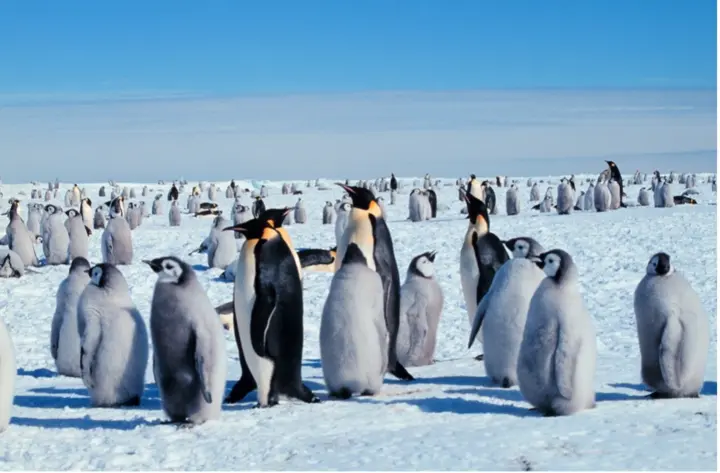
Emperor penguins are the tallest and heaviest of all penguins, reaching a length of 122 cm (48 in) and weighing between 22 and 45 kg (49 to 99 lb). They are excellent divers, capable of reaching depths of up to 565 meters (1,850 feet) — deeper than any other bird — and staying underwater for about 20 minutes. During the harsh Antarctic winter, when temperatures drop below -50 °C (-58 °F), male emperor penguins incubate their eggs by balancing the eggs on their feet and covering them with feather skin known as a brood sac. During this period, which can last up to 64 days, the males eat nothing and are at the mercy of Antarctic elements.
Recommend
Seals: Ice Masters
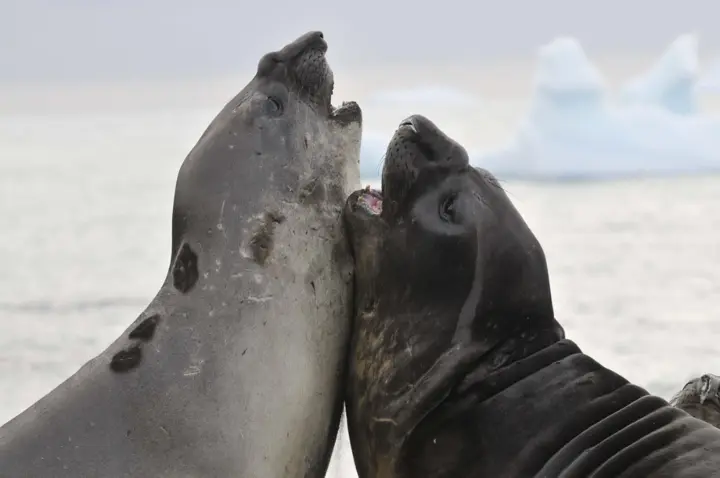
Weddell seals, the southernmost seals of Antarctica, have a remarkable ability to withstand the cold. They are known to spend up to an hour underwater and can dive to a depth of up to 600 meters (1969 feet). On the ground, they create breathing holes in the ice using their strong, sharp teeth. Despite its misleading name, the crab-eater seal feeds almost exclusively on krill. It has uniquely shaped teeth that act as a sieve, allowing them to filter krill from water.
Whales: Giants of the Southern Ocean
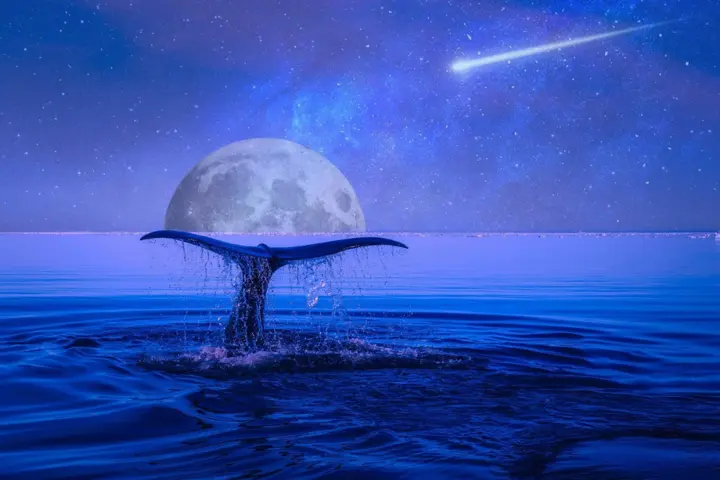
The blue whale is the largest animal that has ever lived, and can reach a length of 30 meters (98 feet) and weigh up to 200 tons. Their tongues alone can weigh as much as an elephant. Despite their size, they feed almost exclusively krill, consuming up to 4 tons per day during the feeding season. The humpback whale is known for its acrobatic movements and complex songs, which can last up to 20 minutes and can be heard 20 miles away.
Soca birds: rising above the ice
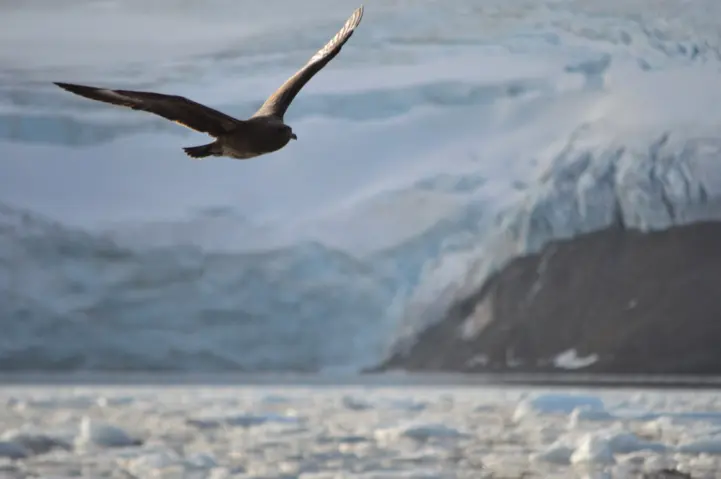
The Antarctic squa is a large seabird that feeds on fish and baby penguins. They are known for their aggressive behavior, especially when defending their nests. The snow petrel is one of only three birds that breed exclusively in Antarctica. These pure white birds adopt a diet consisting mainly of fish and krill.
Krill: the cornerstone of the ecosystem
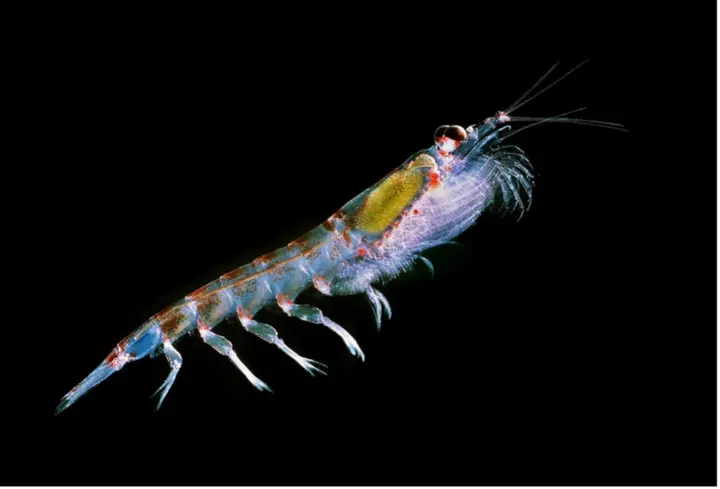
Antarctic krill are small crustaceans that form the basis of the Antarctic food web. Despite their small size, they cluster in large numbers and have an estimated total biomass of 379 million tons, more than the weight of all humans on Earth. They feed on phytoplankton, which are microscopic plants that live close to the surface of the ocean and absorb carbon dioxide. In contrast, krill is an important food source for whales, seals and birds.
Some lesser-known but equally fascinating species for which Antarctica is home:
• Hoff Crab: This yet-to-be-named species, nicknamed after topless Baywatch actor David Hasselhoff, grows bacteria on his furry chest as a main source of food. They live in a very hot place in a usually cold environment, around 1.5 miles deep steamy openings.
Ice fish: This is a type of transparent fish that contains glycoproteins instead of red blood cells. These proteins bind to small ice crystals in the fish's body and act as antifreeze, enabling it to live in frozen water.
• Antarctic spring tail: This is the largest wild animal breed on the continent. These small animals, which are only 1 to 2 mm long, can survive after being frozen and thawed regularly.
• Sea spider: In Europe, a sea spider is the size of a small nail, and in Antarctica it is the size of a dinner plate. Sea spiders are more common and have more species in Antarctica than anywhere else in the world.
• Glass sponges: These sponges got their name because their skeletons are made of silica and come in a range of unusual shapes. It is abundant in Antarctica, where it dominates the seabed and provides a habitat for hundreds of other species.
• Scottnema lindsayae: This is a type of roundworm that has already begun to decline. It is confined to Antarctica and lives on saline and completely dry soils.
These species, though lesser-known, play a crucial role in the Antarctic ecosystem and highlight the incredible biodiversity of this harsh environment.
Adaptations: Extreme Survival
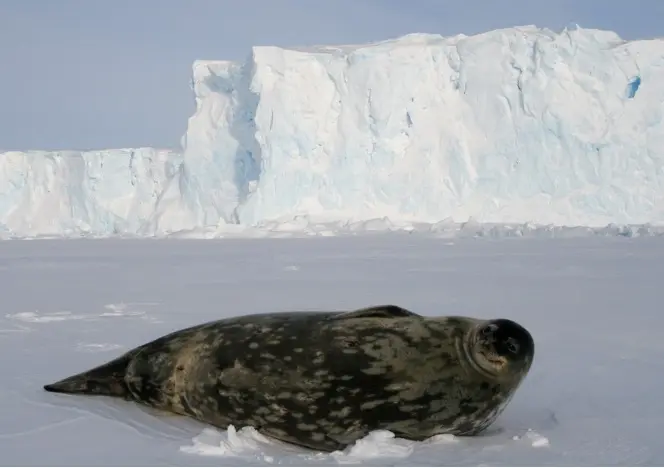
Antarctic animals have developed remarkable adaptations to survive in extreme conditions. Penguins have a layer of insulating feathers and a heat exchange system against the current in their wings to reduce heat loss. Seals have a thick layer of fat for insulation and buoyancy. Whales have a similar adaptation, and their large size also helps reduce heat loss.
Conservation: Protecting ecological beauty
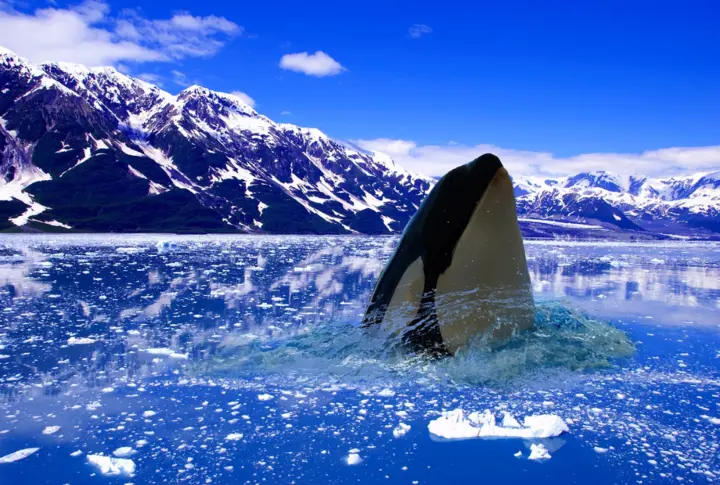
Antarctic wildlife is protected by international treaties, including the Antarctic Treaty regime, which prohibits the commercial exploitation of minerals and the introduction of non-native species. However, climate change and overfishing pose significant threats. Rising temperatures can disrupt the food chain and alter habitats, while poaching can deplete krill stocks, a major food source for many animals. Conservation efforts, including marine protected areas and sustainable fishing practices, are essential to the conservation of this unique ecosystem and its amazing inhabitants.
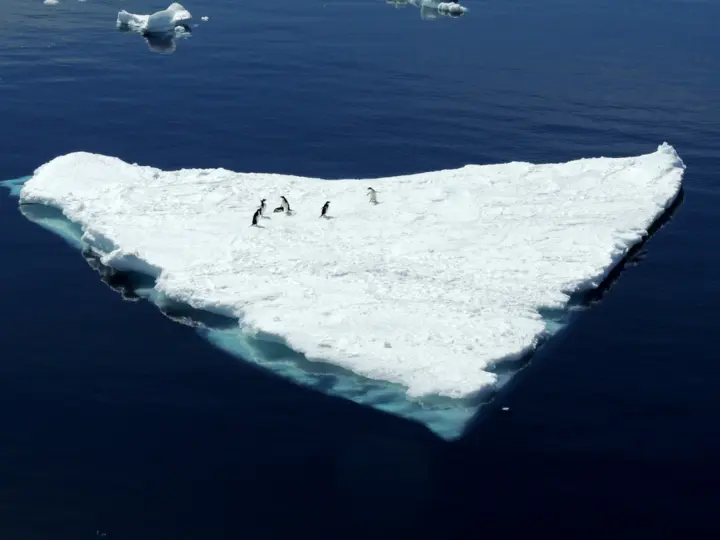
In conclusion, Antarctica's wildlife is as diverse as it is resilient. These animals continue to captivate us and inspire us with their adaptations and absolute will to survive in one of the harshest environments on earth. Its presence underscores the importance of preserving the environment and the need to protect this pristine wilderness for future generations.
