


Fish don't close their eyes, but do they actually sleep?



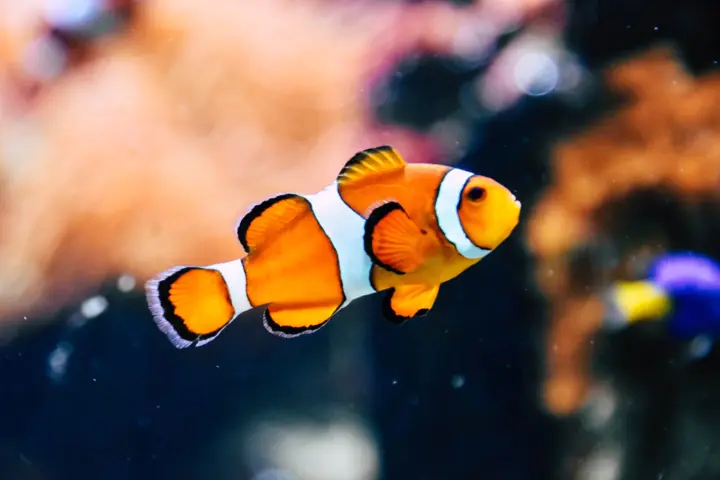
Throughout the ages, fish have been considered mysterious and secret beings. Since ancient times, humanity has been fascinated by its beauty, diversity and charm that surrounds it in the deep ocean world. Fish have a distinctive lifestyle, where they swim in blue water quickly and find food to live, but no matter how much we search, we find that fish do not close their eyes There are many questions going on in our minds, do fish really sleep? And is there a form of sleep comfort and tranquility for her?
Show key points
- Scientific studies using underwater cameras have shown that many fish exhibit a relaxed posture and decreased movement at night, suggesting a sleep-like state.
- Fish do not close their eyes, yet evidence such as changes in brain activity and behavior indicates they experience a form of rest resembling sleep.
- Different fish species display varying rest behaviors, and each must be studied individually to understand their specific sleep patterns.
- ADVERTISEMENT
- Environmental factors like light and noise can affect fish sleep, with bright lights and loud sounds reducing their ability to rest.
- Hormones such as melatonin and the function of the nervous system play a key role in regulating rest periods in fish.
- Resting behaviors in fish—such as reduced activity and hiding in shelters—support the idea that they have a biological need for recovery and energy renewal.
- Although fish sleep mechanisms remain somewhat mysterious, ongoing research continues to expand our understanding of their unique lives beneath the ocean surface.
1. Scientific studies examine the behavior of fish in rest periods
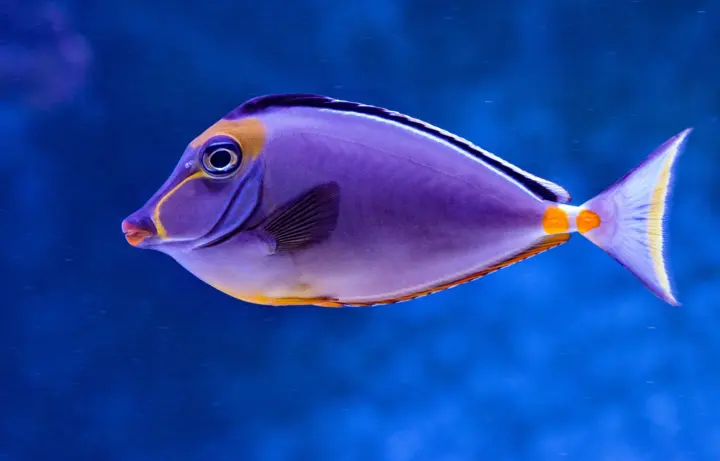
In the sea world, there are many different species of fish, each with its own behavior and habits. Among the interesting questions, doubts are raised about whether fish take breaks and calm during their lives. In order to shed light on this mysterious aspect, several scientific studies have been conducted to understand the behavior of fish in their rest periods.
Recommend
In a study conducted by teams of anthological researchers, the behavior of a group of fish during the night period was observed, as the night period is important in the life of many aquatic species. Underwater cameras were placed to monitor the movements of fish and analyze their behavior during this period.
After analyzing the recorded data and observing the behavior of the fish during the breaks, the researchers came to interesting conclusions. They observed that many fish take a relaxed position during this period, where a decrease in their movement can be observed and this may be associated with changes in the breathing pattern. The researchers believe that this position indicates a kind of rest and relaxation in the fish, and may be something like sleeping for them.
But it should be noted that there are differences between different species of fish, so each species must be studied separately to understand its behavior in the rest periods. Some fish may be active and mobile even during breaks, while others exhibit habits that are almost identical to sleeping with humans.
Studying the behavior of fish in breaks is an important step to understanding their mysterious world. This type of research may expand our knowledge of aquatic life and environmental impacts, and may contribute to the development of strategies to protect oceans and endangered aquatic species.
It can be said that fish do not close their eyes as humans do, but scientific studies indicate that there are different forms of rest and tranquility in their lives, and this may be what comes close to sleep for them. Understanding these mysterious aspects of fish life provides us with new opportunities to explore and respect their amazing underocean world.
2. Do fish sleep in natural environments or do they prefer to be alert?

In the deep ocean world, where the vitality of aquatic life thrives, fish find themselves in an environment rich in hazards and challenges. In order to survive, these organisms must adapt their lifestyle and behavior according to the conditions of the environment in which they live. Do fish prefer to stay vigilant all the time in an attempt to counter the potential danger? Or does it have periods of sleep that enable it to relax and restore? This controversial question arouses the curiosity of scientists and investigators alike.
Although fish don't close their eyes as humans do, evidence has been found to suggest sleep-like behavior in some fish species. For example, in a study published in the journal Neuroscience in 2016, it was discovered that some fish species periodically express changes in brain activity similar to those shown by animals during sleep and wakefulness hours.
It is known that the natural environment of fish reflects a great variation in lighting and sound conditions. In tranquil coral reefs, fish have periods of calm and quiet that enable them to relax and rejuvenate. In deeper and more mysterious areas, the hazard may be around the clock, prompting fish to always remain vigilant and cautious.
But this does not necessarily mean that the fish do not need rest and sleep. For these sea creatures, sleep may be an unconventional form of rest. Fish may dive deep into the ocean and hide in natural shelters behind coral reefs and rocks to meditate and relax. This behavior can be something like a simplified form of sleep for her.
Although fish behaviour in relation to sleep is still the subject of ongoing research and exploration, preliminary studies highlight indications of relaxation periods in the life of these magnificent sea creatures. Whether the fish actually sleeps or not, they are always looking to adapt to their environment and enjoy an exciting and challenging life in the deep ocean.
3. Similarity of behavior between fish sleep and desired rest
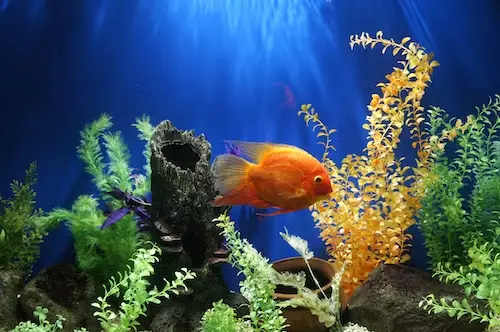
Fish contemplated the enchanting depths of the ocean, and with their seductive charm and unique beauty, they became the object of humanity's admiration. As researchers seek to understand the life of these marine organisms, they wonder about sleep, which is a cornerstone of living creatures' lives. So do the fish sleep? And does she have a real need for the required rest?
The behavior they observe in fish is very similar to what we know about rest. When fish feel relaxed and rested, they begin to move slowly and stay in place while reducing overall movement. While her eyes seem open, she may be less active and ecstatic than at other times. Calm behavior may also appear when fish sit in small groups and receive a psychological massage from high sunlight.
The similarity between the behavior of fish in rest periods and the desired sleep suggests that there is a close connection between them. It is likely that fish need the periods of rest required to recover from daily activities and restore energy. This similarity in behavior may indicate a similar sleep pattern in fish, in which their bodies can relax and regenerate.
Although fish remain awake all the time and their eyes do not close, they may enter a state of partial calm, similar to sleep. In this case, the fish are between alert and rested, providing their bodies with an opportunity to relax and rejuvenate without falling asleep completely.
The reason why the behavior is similar between fish sleep and desired rest may be their development in a changing and difficult marine environment. Fish may need short periods of rest to maintain balance and compensate for physical and mental exertion. By reducing their movement and reducing the energy they consume, fish are able to regain strength and replenish essential vital activities.
We can't say for sure if the fish actually slept or not. However, the apparent similarity in behavior between fish sleep and desired rest suggests that they have a need for rest and relaxation to regenerate and recover. This rest may be similar to the sleep we humans practice, but it remains mysterious at the same time. Exploring fish life and understanding their behavior is not just entertainment, it opens doors to new discoveries and expands our knowledge of the ocean world and its fascinating inhabitants.
4. The effect of light and sounds on fish sleep pattern

In the mysterious world of the sea, where ocean waves crash and sea creatures dance, fish live lives unknown to humans. Among the factors that influence these strange organisms are light and sounds, which may play an important role in their sleep pattern. So can fish sleep in the presence of bright light and sounds around them?
Although fish do not have eyes to close them, they live in environments full of light and sounds. In this context, a striking question comes to mind, can fish find rest and enjoy a peaceful sleep in these conditions suitable for activity and movement?
Researchers have found evidence to suggest that light affects a fish's sleep pattern in different ways. Bright light can hinder fish from relaxing and heading towards periods of rest and deep sleep. When fish are exposed to radiant light in their surroundings, it leads to increased stress levels and decreased sleep quality.
In addition, the sounds surrounding the fish may also be a factor affecting their sleep pattern. Loud marine noises, such as the sound of crashing waves and the strong sounds of marine movement, can negatively affect the ability of fish to relax and head towards a peaceful sleep. Thus, the presence of noise in the fish environment can increase stress levels and affect their overall safety and health.
Therefore, the effect of light and sounds on a fish's sleep pattern may have negative consequences for their life and health. Therefore, it is important that these factors are further studied and strategies are developed to reduce their negative impact on fish. This may require taking measures to protect the aquatic environment, maintaining the calm and tranquility of the sea, and minimizing potential sources of noise and excess lighting.
Understanding the effect of light and sounds on a fish's sleep pattern can contribute to protecting these organisms and maintaining the balance of the marine environment. This may be crucial in addressing the growing challenges of the aquatic environment and maintaining the diversity of life in the deep oceans.
5. Functional and biological mechanisms that affect the behavior of fish in sleep

Beneath the surface of calm waves, fish life revolves around a range of functional and biological mechanisms that influence their behavior during sleep periods. Although there are no firm beliefs about the ability of fish to sleep, recent studies suggest that there are several mechanisms and explanations that explain their behavior in rest periods.
The functional mechanisms of fish depend on various factors, ranging from adaptation to their natural environment and their transition from alertness to rest. Some fish are known to be active during the day and perform tasks such as foraging and competition for sexual partnership, while different fish behaviors vary at night and periods of calm.
Furthermore, fish's sleep behavior is influenced by vital factors such as hormones and nervous system functions. For example, studies show that fish secrete melatonin during periods of darkness, the hormone responsible for regulating sleep-wake circulation in living organisms. The level and activity of this hormone in fish varies according to their patterns of movement and daily habits.
Regarding the nervous system, some point to the existence of mechanisms by which fish are affected by environmental changes and biotiming, making them awake or rested. Changes in temperature, light level and sounds can affect the functions of the fish's nervous system and hinder or stimulate sleep.
In addition, some studies show signs of a sleep pattern in some fish species, such as fish with long gills and fish that live in deep waters. These species may exhibit a higher level of melatonin during the night periods, showing signs of similarity to the sleeping behavior of mammals and birds.
Based on multiple functional and biological mechanisms, it can be argued that fish may have a pattern of sleep or rest, but the exact aspects of this pattern are still obscure and the focus of ongoing research and study. With a better understanding of these mechanisms, we are taking an important step in understanding the behavior of fish and their own underwater world.
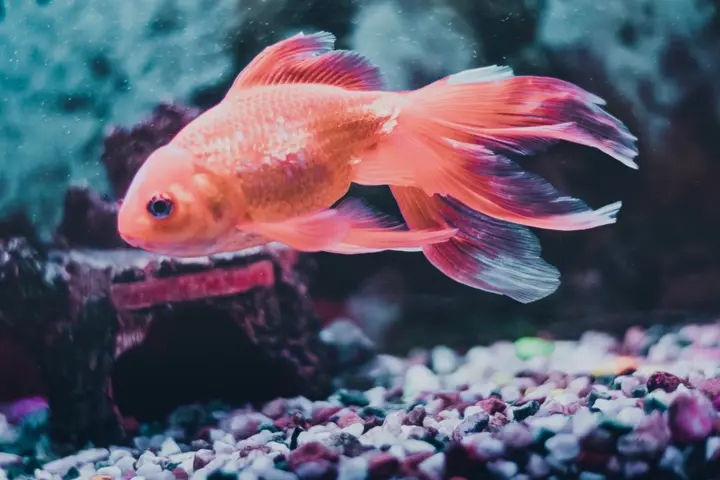
At the end of this research, the most controversial question remains whether fish actually sleep. Despite numerous studies and diverse experiments, we cannot characterize a definitive answer. Although fish don't close their eyes as humans do, some signs of a similar sleep pattern have been discovered in some fish species.
