أفضل الوجهات لقضاء العطلات الشتوية: أين تسافر للاستمتاع بالثلج أو الشمس أو التزلج
ADVERTISEMENT
قد تعني زيارة بلدان أخرى خلال أحلك وأعمق فصل شتاء استبدال الأيام الرمادية بحقن فيتامين د الذي تشتد الحاجة إليه في الأجواء الأكثر دفئًا، أو الميل إلى البهجة الاحتفالية للتجول في الشوارع الثلجية المرصوفة بالحصى تحت الأضواء الخيالية المتلألئة، أو ارتداء الزلاجات أو ألواح التزلج على الجليد والذهاب إلى المنحدرات.
ADVERTISEMENT
تأتي أهمية العديد من الوجهات الخاصة في الأشهر الباردة. تعج مدن مثل براغ ونيويورك بالسحر الدافئ في الفترة التي تسبق عيد الميلاد، بينما تدخل لابلاند موسم الأضواء الشمالية في نفس الوقت تقريبًا. اتجه جنوبًا، في هذه الأثناء، ويمكنك الاستمتاع ببعض أشعة الشمس في رحلة إلى مكان بعيد (أستراليا، مثلاً) أو داخل أوروبا (جزر الكناري).
مهما كان ما تبحث عنه في عطلة الشتاء، إليك مجموعتنا المختارة من الوجهات للثلج أو التزلج أو الشمس.
ADVERTISEMENT
عطلات التزلج - ويسلر، كندا
الصورة عبر Little_Sail على pixabay
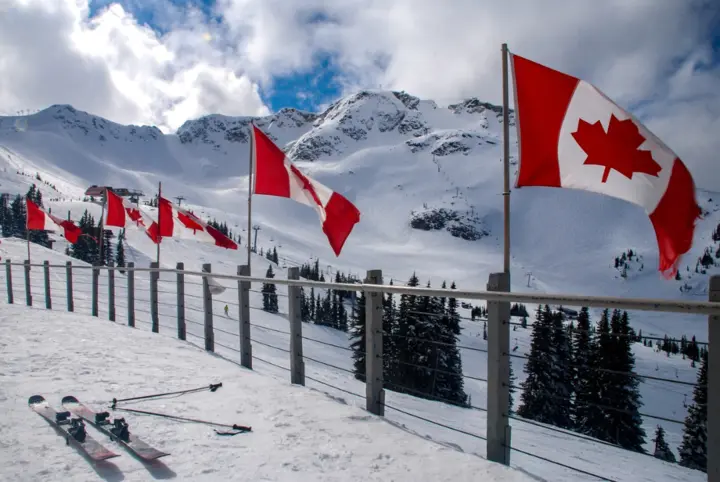
تظل وجهة التزلج الأولى في كندا منتجعًا أسطوريًا، حيث استضافت دورة الألعاب الأولمبية الشتوية في عام 2010. يُعرف رسميًا باسم ويسلر بلاكومب - حيث يشكل الجبلان المنتجع - وهو موطن لأكثر من 8000 فدان من التضاريس القابلة للتزلج وأكثر من 200 مسار محدد. على الرغم من أنها مصممة بشكل أساسي للمتزلجين من المستوى المتوسط والمتقدم، إلا أن منطقة التزلج تعد أيضًا موطنًا لـ 35 مسارًا أخضر و16 وعاء.
بعد قضاء يوم على الجبل، تنبض المدينة بالحياة من خلال جلسات ما بعد الظهر وأماكن العمل في وقت متأخر من الليل، بالإضافة إلى عشرات الأماكن لتناول الطعام والشراب والحفلات. تشمل الأماكن المفضلة في المدينة شركة Garibaldi Lift Company وبار Merlin’s Bar، بينما توفر صالة Mallard Lounge وBlack’s Pub أجواء أكثر استرخاءً بعد الظهر والمساء.
ADVERTISEMENT
عطلات التزلج -فال تورين، فرنسا
الصورة عبر Joan Ogers على unsplash
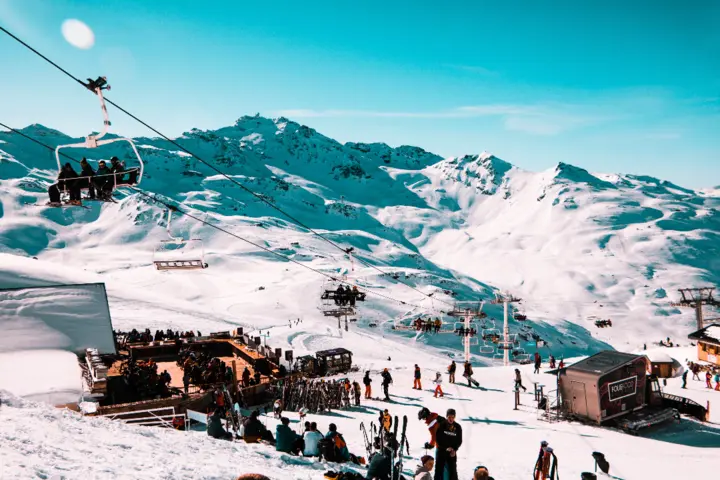
يعتبر فال تورين أعلى منتجع للتزلج في أوروبا رسميًا، وهو جزء من منطقة تروا فاليه للتزلج (الأكبر في أوروبا)، إلى جانب ميريبل وكورشيفل، من بين مناطق أخرى، حيث يوفر أكثر من 600 كيلومتر من أماكن التزلج. تقع المدينة على ارتفاع 2300 متر، وتوجد ممرات ثلجية على ارتفاع يصل إلى 3200 متر (في سيم دي كارون و بوان دي بوش).
يعد فال تورين أحد المنتجعات الفرنسية المشهورة بشكل خاص بتنوع وحيوية عروض ما بعد الظهر، والتي تتمحور بشكل أساسي حول لا فوليه دوس. يقع على ارتفاع 2600 متر، ويوفر مكانًا لا يُنسى لتناول مشروب والرقص بعد التزلج محاطًا بإطلالات جبلية، كما هو الحال في بار 360 - الموجود في الأسفل قليلاً. وفي المدينة، تستمر الحياة الليلية حول شارع ري دو غبرولا.
ADVERTISEMENT
أين تذهب لرؤية الثلج - براغ، جمهورية التشيك
الصورة عبر JancickaL على pixabay
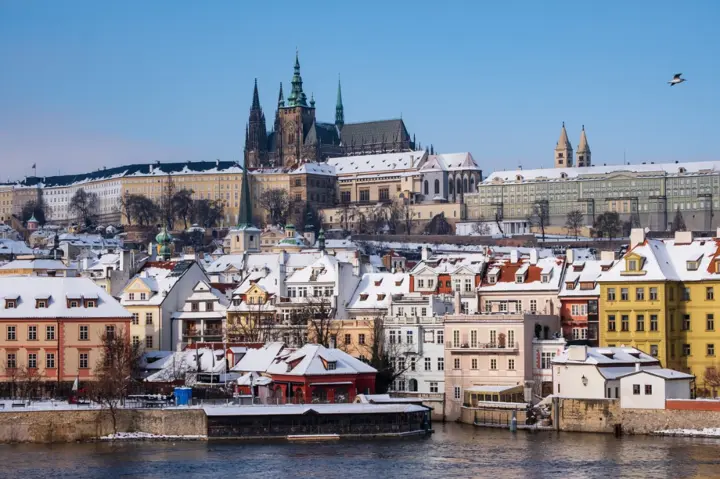
واحدة من أكثر المدن الخلابة في أوروبا هي أيضًا مدينة تحتضن روح عيد الميلاد بالكامل، حيث تزين الزخارف والأضواء الشوارع من أواخر نوفمبر وحتى يناير. على الرغم من أن زيارة العاصمة التشيكية تعد فكرة جيدة في أي شهر، إلا أن شهر ديسمبر يعد وقتًا ساحرًا بشكل خاص للزيارة. تصطف سلسلة من حلبات التزلج على الجليد وأسواق عيد الميلاد في الشوارع المتعرجة في ستاري ميستو (المدينة القديمة)، مما يؤدي إلى ساحة المدينة القديمة ذات الأجواء الرائعة، وهي النقطة المحورية في المدينة.
بفضل جرعة قوية من البهجة الاحتفالية، يمكن للزوار استكشاف معالم ومواقع المدينة المختلفة (غير عيد الميلاد)، بما في ذلك القلعة (أكبر قلعة قديمة في العالم)، ومجمع الفنون كاسارلا كارلين والرمز المميز للمدينة، جسر تشارلز. وكميزة إضافية، فإن تساقط الثلوج أمر شائع في المدينة في فصل الشتاء، حيث يتساقط حوالي 11 يومًا في المتوسط في شهر ديسمبر.
ADVERTISEMENT
أين تذهب لرؤية الثلج - أبيسكو، السويد
الصورة عبر MartinStr على pixabay
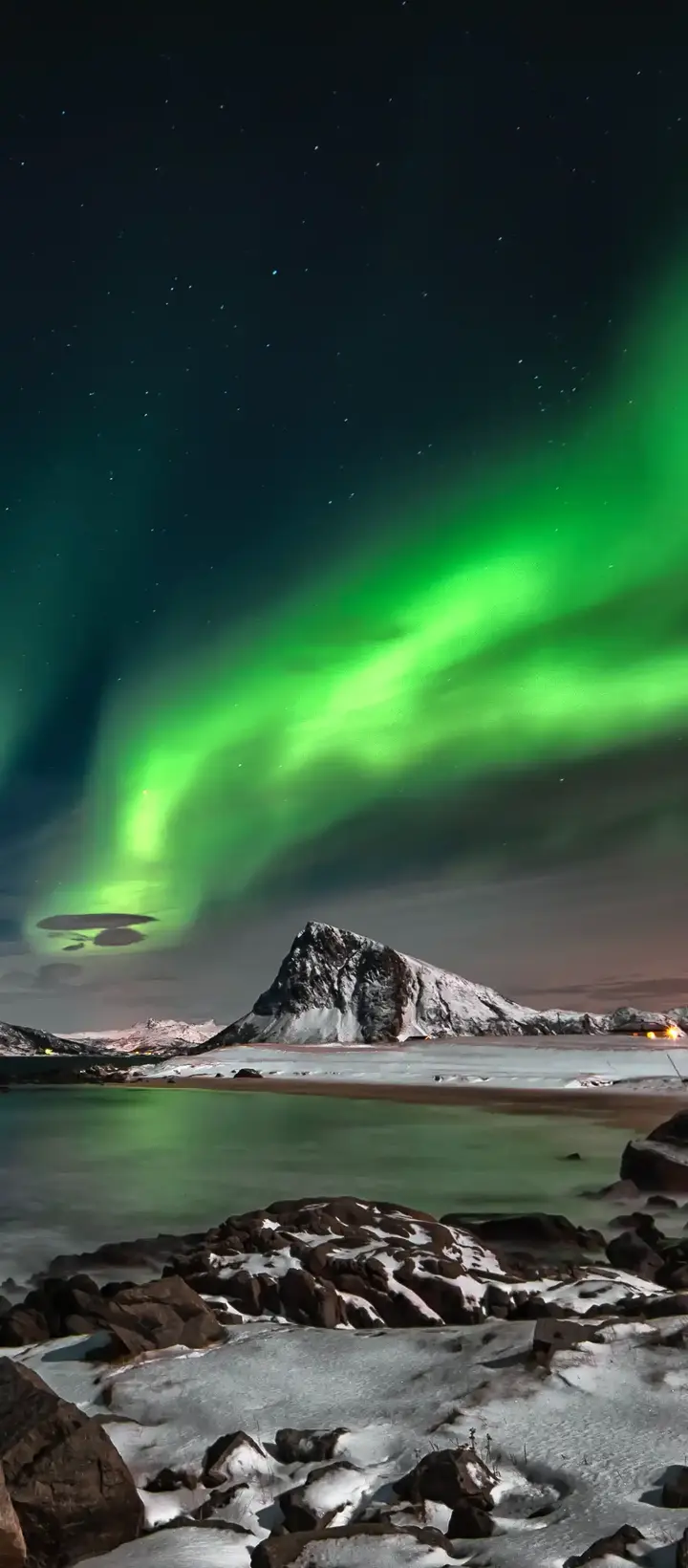
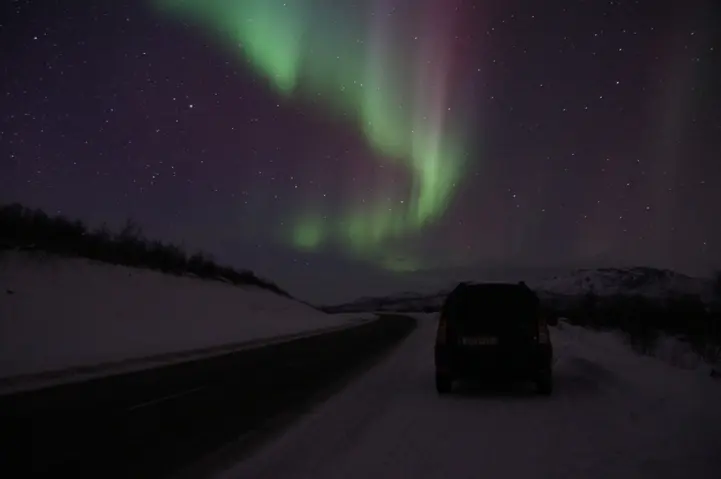
ستكون معذورًا لعدم تفكيرك بهذه القرية النائية في منطقة لابلاند السويدية، ولكنها من أفضل الأماكن لرؤية الشفق القطبي الشمالي. في الواقع، تدعي محطة أورورا سكاي التابعة لها أنها "أفضل مكان على وجه الأرض لمشاهدة أورورا بورياليس"؛ لديك فرصة بنسبة 80% تقريبًا لرؤية الشفق القطبي إذا بقيت لمدة ثلاث ليال أو أكثر.
تُعد عروض العطلات وسيلة شائعة لزيارة أبيسكو، حيث تتضمن العديد من الأنشطة الجديدة المتوفرة. ويستفيد العديد منهم من منتزه أبيسكو الوطني القريب، حيث تتوفر رياضة المشي لمسافات طويلة والتزلج على الجليد والتزلج على الجليد وصيد الأسماك على الجليد. التزلج – وخاصة التزلج عبر البلاد – من الممكن هنا أيضًا.
شمس الشتاء - باتاغونيا والأرجنتين وتشيلي
ADVERTISEMENT
الصورة عبر LuisValiente على pixabay
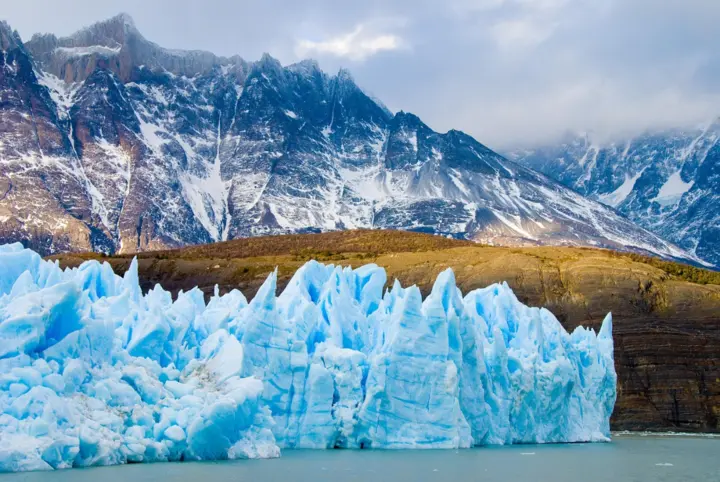
عندما يكون نصف الكرة الشمالي غارقًا في الأمطار والغيوم، فإن هذا الجزء من العالم يرحب بالصيف ويستمتع بدرجات حرارة تصل إلى 27 درجة مئوية. في الصيف، يعد التركيز على رؤية البحيرات خيارًا جيدًا؛ للقيام برحلة لا تنسى، ابدأ في مدينة بوكون الساحرة (التي يمكن الوصول إليها بسهولة من تيموكو، وهو مطار رئيسي إلى حد ما). ومن هناك، يمكنك القيادة نحو الحدود ثم إلى سان مارتن دي لوس أنديس، وهي مدينة أكبر تمثل بوابة الغابات الخضراء والبحيرات الجليدية في منتزه لانين الوطني.
تعد فيلا لا أنجوستورا - بمبانيها المصممة على طراز جبال الألب وإطلالاتها الرائعة على بحيرة ناهويل هوابي - وجهة أخرى جديرة بالاهتمام، كما هو الحال مع مدينة باريلوتشي الواقعة على الجانب الآخر من البحيرة. سوف يرغب أولئك الذين ينعمون بالوقت في العودة عبر الحدود إلى بويرتو فاراس إذا استطاعوا ذلك؛ تتمتع هذه المدينة ذات التأثير الألماني بإطلالات رائعة على بركان أوسورنو من شواطئ بحيرة لانكيهو.
ADVERTISEMENT
شمس الشتاء - فوكيت، تايلاند
الصورة عبر Michelle_Raponi على pixabay
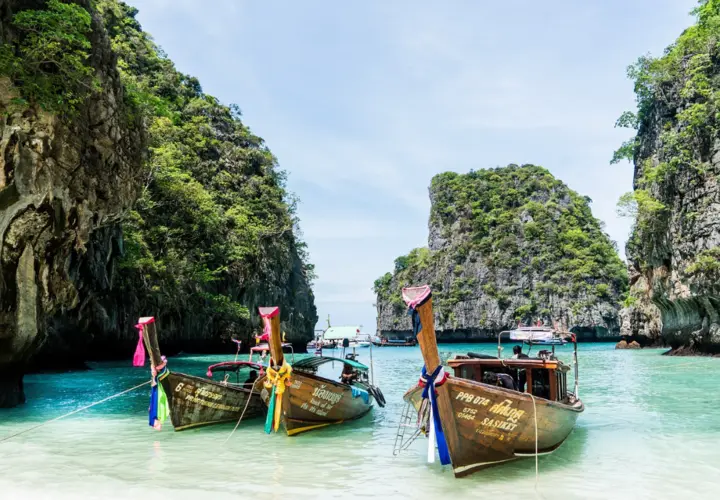
تقع أكبر جزيرة في تايلاند في بحر أندامان، عبر المياه من كرابي على الساحل الجنوبي الغربي. تحتوي عاصمة المقاطعة التي تحمل نفس الاسم على مدينة قديمة رائعة مليئة بالمباني التراثية والهندسة المعمارية الصينية البرتغالية المميزة، على الرغم من أن الكثير من التركيز على فوكيت ينصب إما على مدن المنتجعات الساحلية أو الجمال الطبيعي الرائع.
وتحتوي الجزيرة على سلسلة من المعالم الطبيعية مثل بلاك روك فيوبوينت وشلالات كاثو، بالإضافة إلى المناظر الساحلية الرائعة. وبصرف النظر عن الرمال البيضاء والمياه الفيروزية بشكل ملحوظ، فإن الشواطئ رائعة. ستسبح وتأخذ حمامًا شمسيًا محاطًا بكل شيء بدءًا من أشجار الصنوبر والغابات الكثيفة وحتى التلال والتكوينات الصخرية مثل تلك الموجودة في خليج فانغ نغا القريب.
عائشة
ADVERTISEMENT
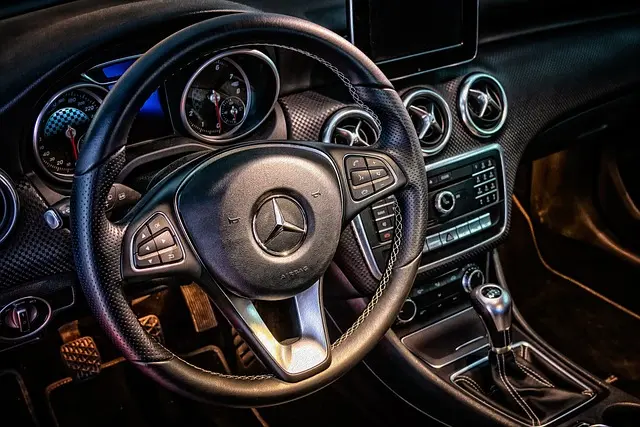
لا تستطيع العثور على سيارتك؟ أمسك جهاز التحكم عن بعد بالسيارة وضعْه على رأسك. (حقًا.)
ADVERTISEMENT
قد تبدو هذه خدعة ذهنية لشخصيّة البطل جيدي، لكن ماذا ستفعل إذا لم تتذكر المكان الذي ركنت فيه سيارتك في موقف السيارات بين مئات السيارات. كيف يمكنك العثور عليها وفتحها؟ لا توجد خدعة سحرية هنا، بل يتعلّق الأمر بالعلم البحت. من الممكن حقًا فتح قفل سيارتك باستخدام عقلك كوسيط. إن
ADVERTISEMENT
حملَ مفتاح السيارة عن بعد بالقرب من رأسك يضاعف نطاقه ومداه لأن الجمجمة البشرية تعمل كمكبر للصوت! يقوم تجويف الفم والسوائل الموجودة في جمجمتك بنوع من السحر المجنون بالنسبة للإشارة البعيدة عندما تمسك المفتاح على ذقنك. الأمرُ يشبه إلى حد ما السببَ الذي يجعل هوائيات التلفزيون القديمة بشكل "أذن الأرنب" تمنحك استقبالًا أفضل عندما تلمسها.
العلم وراء ذلك
صورة من pixabay
إنها خدعة غير عادية، ربما تمثّل عملاً حزبيًا، ولكنها يمكن أن تكون مفيدة في المواقف الحقيقية التي تحدث آلاف المرات يوميًا. يقول باولي، الذي يعمل في كلية الفيزياء وعلوم الفلك بجامعة نوتنغهام، إنه يمكنك استخدام عقلك كجهاز إرسال لاسلكي وزيادة نطاق جهاز التحكم عن بعد بسبب التفاعلات بين الموجات الكهرومغناطيسية والماء. يعمل جهازُ التحكم عن بعد عن طريق إرسال موجات كهرومغناطيسية إلى سيارتك. إذا ابتعدت عن السيارة، فإن الإشارة الصادرة تصبح أضعف فأضعف. لكنّ الماء يمكن أن يُوسِّع نطاق الموجات الكهرومغناطيسية، ودماغك مملوء بالماء.
ADVERTISEMENT
عندما تمر الموجات عبر الماء، فإنها تسحب أيونات الهيدروجين الموجبة الشحنة وأيونات الأكسجين سالبة الشحنة في اتجاهين متعاكسين وتدفعهما لأعلى ولأسفل. وهذا يعني أنها تسلك سلوكَ جهاز إرسال لاسلكي حيث أنها في صعودها لأعلى ونزولها لأسفل، لأعلى ولأسفل، فإنها تُشعّ طاقة. يولِّد إذن الماءُ الموجود في رأسك موجة كهرومغناطيسية تعمل على نفس تردد موجة جهاز التحكم عن بعد. ثم تتراكب الموجات معًا وتتداخل بشكلٍ بنّاء فتوسِّع نطاق مفتاح سيارتك. يمكن لإبريقٍ ماءٍ أن يُزيد أكثر من نطاق جهاز التحكم عن بعد، وهو أمر من غير المرجح أن يكون لديك في حالة الطوارئ ولكن ضعْ ذلك في الاعتبار.
ومع ذلك، إذا لم تنجح هذه الخدعة، فقد يرغب سائقو السيارات في التفكير في استبدال البطارية داخل سلسلة المفاتيح الخاصة بهم.
حيلة أخرى قد لا تعلم أن مفتاحَ سيارتك قادرٌ على القيام بها
ADVERTISEMENT
صورة من pixabay
أبرزت شركة السيارات المستعملة ديك لوفيت نصيحةً مفيدة. على سبيل المثال، مع ارتفاع درجات الحرارة هذا الصيف، يمكن للعديد من المالكين فتحُ جميع نوافذهم قبل ركوب السيارة عن طريق الضغط باستمرار على زر إلغاء القفل.
بالإضافة إلى ذلك، إذا نسي السائق رفع النوافذ بعد مغادرة سيارته، فيمكن أيضًا استخدام هذه الخدعة لفعل ذلك.
مع ارتفاع درجة الحرارة داخل السيارة بسرعة بعد فترة قصيرة من ركنها تحت أشعة الشمس، أوضحت الشركة لماذا لا تعتبر هذه الخدعة وسيلة للتحايل.
تقول الشركة: "هذا مثالي خلال الأشهر الأكثر دفئًا لتجنب الولوج مباشرة إلى سيارة ساخنة. تعمل هذه الخدعة على العديد من النماذج المختلفة ولا تقتصر على شركة مصنعة واحدة".
هل من الآمن إطلاقُ إشارة كهربائية من دماغك؟
صورة من pixabay
يجيب العلماءُ بنعم. لا ينتِج جهاز التحكم عن بعد في السيارة سوى كمية صغيرة من الطاقة الكهربائية ولفترة قصيرة من الوقت، ويزعمون أن دماغك يمكنه التعامل معها.
ADVERTISEMENT
وخلصت منظمة الصحة العالمية إلى أن "الأدلة الحالية لا تؤكد وجود أي عواقب صحية نتيجة التعرض للمجالات الكهرومغناطيسية منخفضة المستوى". (بالطبع الإنترنت مليء بالآراء، لكن الأبحاث العلمية السائدة تبدو واثقة من أن جهاز التحكم عن بعد الخاص بك لن يزعجك.)
لقد جربنا هذا على الفور بأنفسنا. وعلى الرغم من أنك قد تشعر وكأنك أحمق عندما تُوجِّه مفتاحك نحو ذقنك، إلا أن هذه الخدعة ناجحة. لقد جربنا ذلك من مسافة 300 قدم تقريبًا، ومع ذلك رأينا أضواءَ سيّارتنا تومض.
اذهب وجرِّب هذه الخدعة!
ياسمين
ADVERTISEMENT
موريتانيا: رحلة إلى قلب الصحراء وثقافة البدو الرحل
ADVERTISEMENT
حين يفكر الكثيرون في وجهات السفر، قد لا تكون موريتانيا من أول البلدان التي تخطر في البال، لكن هذا البلد الواقع في غرب إفريقيا والمطلّ على المحيط الأطلسي، يخفي بين كثبانه وأوديته أسرارًا من الجمال والثقافة تستحق الاكتشاف. السياحة في موريتانيا ليست مجرد زيارة لمكان جغرافي، بل هي غوص في
في هذا المقال، نصحبك في رحلة إلى قلب الصحراء الموريتانية، حيث يسكن البدو الرحل وتنبض التقاليد بالحياة، في تجربة تغذي الروح وتمنحك منظورًا جديدًا للعالم.
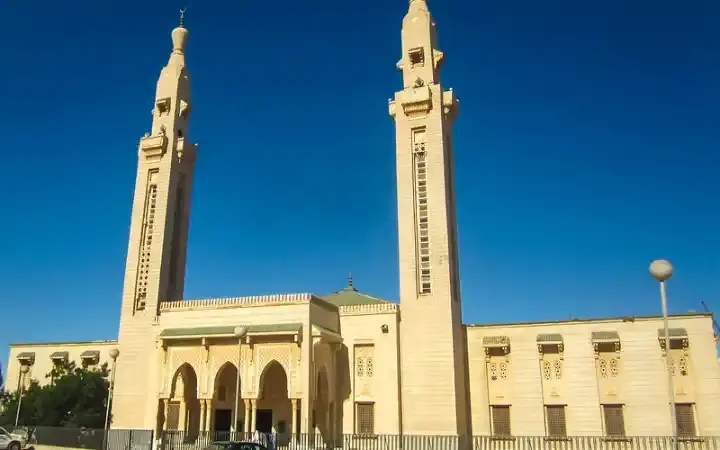
الصورة بواسطة Ferdinand Reus على wikimedia commons
نواكشوط: بوابة الدخول إلى الصحراء
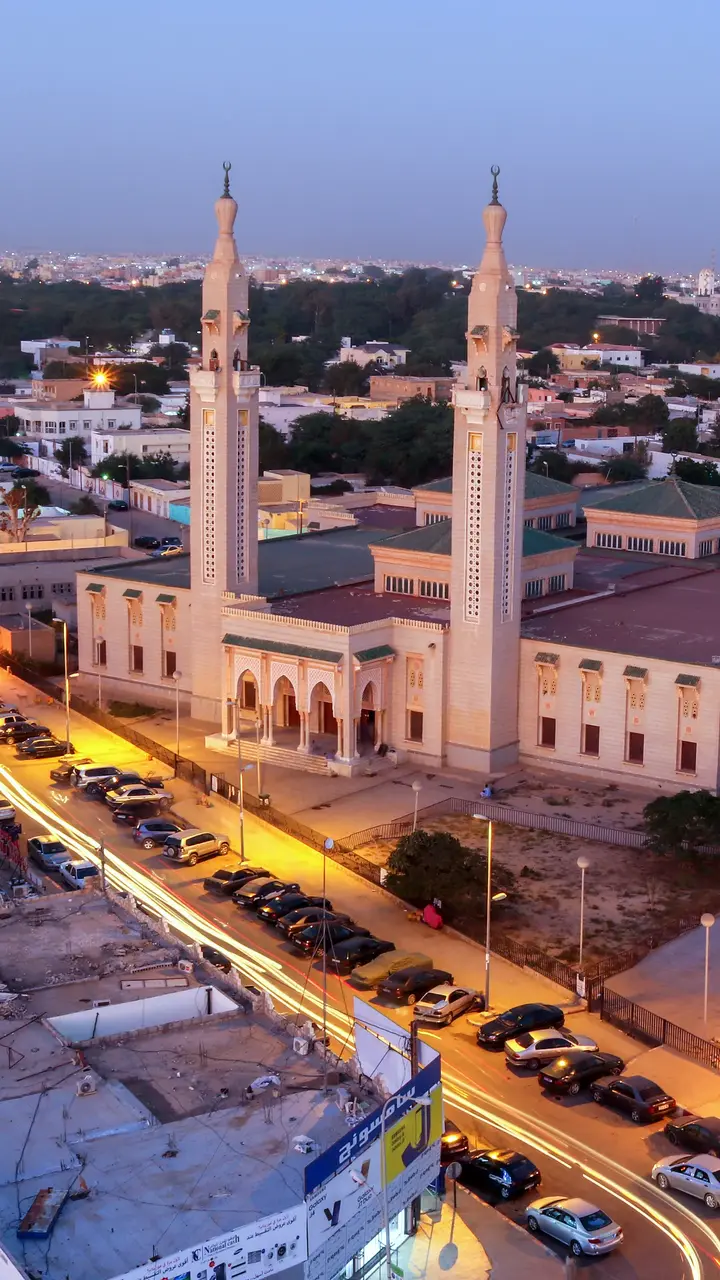
تبدأ معظم الرحلات إلى موريتانيا من العاصمة نواكشوط، وهي مدينة حديثة نسبيًا مقارنة بتاريخ البلاد الطويل، وتقع بين المحيط والصحراء. نواكشوط ليست مدينة سياحية تقليدية، لكنها تمثل نقطة الانطلاق المثالية نحو الداخل الموريتاني، كما أنها توفر لمحة عن الحياة الحضرية في بلد بدوي الطابع.
ADVERTISEMENT
في الأسواق التقليدية، مثل سوق كابيتال وسوق السمك الشهير، يمكن للمسافر أن يلمس التباين بين العصرية والبداوة، حيث تلتقي الشاحنات الأوروبية بالقطع التقليدية المصنوعة يدويًا من جلود الإبل والنحاس.
أطار وشنقيط: عبق التاريخ في قلب الصحراء
من نواكشوط، يتوجه الكثير من المغامرين نحو مدينة أطار، العاصمة الإدارية لمنطقة أدرار، ومنها تبدأ الرحلات نحو أشهر مدن الواحات شنقيط ووادان.
شنقيط: مكتبة الصحراء
شنقيط ليست مجرد مدينة صحراوية؛ إنها مركز فكري وروحي لطالما اعتُبرت منارة للعلم والدين في العالم الإسلامي. تحتوي المدينة على مكتبات قديمة تضم مخطوطات نادرة بالعربية، تغطي مواضيع متنوعة من الفقه والرياضيات إلى علم الفلك والطب. هذه المدينة الصغيرة المدرجة ضمن قائمة التراث العالمي لليونسكو تمثل نافذة على ثقافة البدو في أبهى صورها.
ADVERTISEMENT
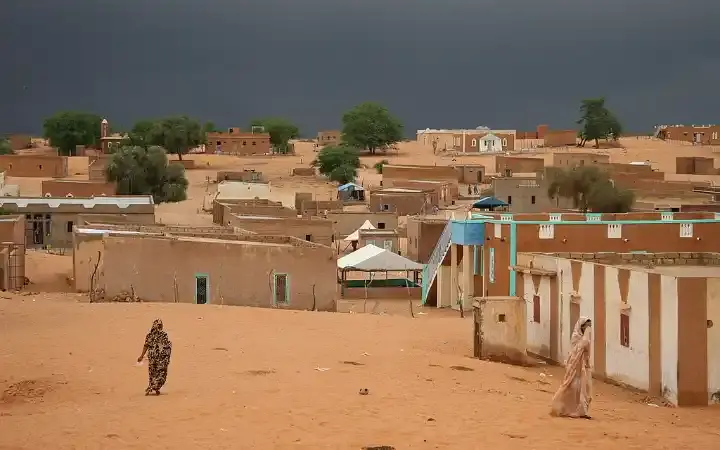
يمكنك التجول بين البيوت الطينية ذات الطراز المعماري الفريد، والجلوس مع السكان المحليين الذين لا يزالون يحافظون على اللباس التقليدي وكرم الضيافة البدوي.
الصورة بواسطة jbdodane عبر flickr
تجربة الحياة البدوية: أكثر من مجرد مشهد صحراوي
من أبرز عناصر السفر إلى موريتانيا هو التفاعل مع ثقافة البدو، التي لا تزال نابضة بالحياة رغم التحولات الحديثة. بعيدًا عن المدن، يعيش العديد من الموريتانيين في الخيام المتنقلة (الخِيَم)، يربون الجِمال والماعز، ويتنقلون بحسب تغيرات المناخ والمرعى.
الشاي الموريتاني: طقس يومي بطابع اجتماعي
من التقاليد البدوية المميزة في موريتانيا طقس تحضير الشاي، وهو أكثر من مجرد مشروب. يُحضر الشاي في ثلاث مراحل (أكواب) تبدأ بمذاق مرّ وتنتهي بمذاق حلو، وكل مرحلة تمثل درجة من الألفة والتقارب الاجتماعي. يمكن لقضاء ساعة في خيمة مع أهل البادية أثناء شرب الشاي أن يكون تجربة كافية لتفهم عمق العلاقات الاجتماعية وقيم الكرم والضيافة.
ADVERTISEMENT
الصحراء الكبرى: مغامرة حقيقية في الطبيعة
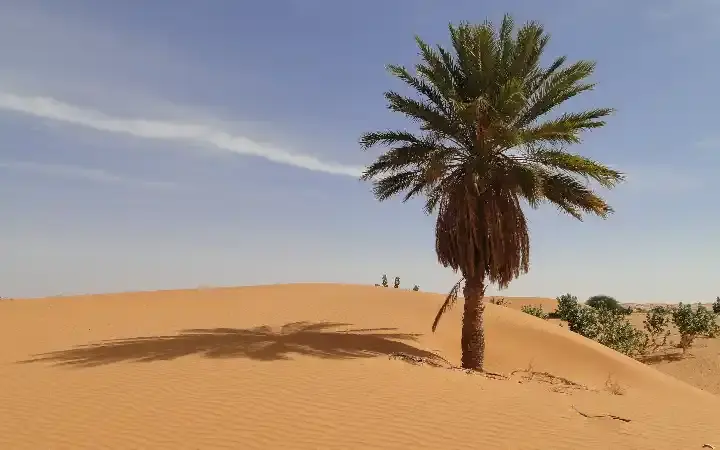
الصحراء الموريتانية جزء من الصحراء الكبرى، لكنها تتميز بتنوع طبيعي مذهل، من الكثبان الرملية الذهبية إلى الهضاب والواحات.
كثبان أمقجير
من أبرز المعالم الطبيعية التي تجذب الزوار هي كثبان أمقجير الواقعة بالقرب من وادان. يمكن التخييم هناك والاستمتاع بمشهد غروب الشمس على الرمال، ثم الاستلقاء تحت سماء مليئة بالنجوم. لا يوجد شيء يشبه الصمت الذي يسود المكان، حيث تسمع فقط صوت الرياح وخطى الإبل البعيدة.
عين الصحراء (هيكل الريشات)
من المعالم الجيولوجية الغريبة في موريتانيا ما يُعرف بـ عين الصحراء أو هيكل الريشات، وهو تشكيل دائري ضخم في قلب الصحراء يُرى بوضوح من الفضاء. يثير هذا المعلم إعجاب الجيولوجيين والمستكشفين على حد سواء، وقد كان محلًّا للعديد من النظريات العلمية.
ADVERTISEMENT
الصورة عبر pxhere
المهرجانات الثقافية: احتفال بالتراث البدوي
كل عام، تنظم موريتانيا عددًا من المهرجانات الثقافية التي تبرز فيها ثقافة البدو وفنونهم. من أهم هذه الفعاليات مهرجان المدن القديمة، الذي يحتفل بتراث مدن مثل شنقيط ووادان وتيشيت وولاته.
في هذه المناسبات، تعرض الفروسية التقليدية، الشعر الحساني، الغناء البدوي، وحرف يدوية تقليدية، مما يتيح للزائر أن يندمج بشكل عميق في الحياة الثقافية المحلية.
السفر إلى موريتانيا: نصائح عملية للمغامرين
التأشيرة: يمكن الحصول على تأشيرة عند الوصول في المطار أو عبر السفارات، لكن من الأفضل التحقق من التحديثات قبل السفر.
الأمان: ينصح بالسفر مع مرشد محلي أو ضمن مجموعات سياحية، خاصة في المناطق الصحراوية.
المناخ: أفضل وقت للزيارة هو بين نوفمبر ومارس، حيث تكون درجات الحرارة معتدلة.
اللباس: يفضل ارتداء ملابس فضفاضة وطويلة تحترم التقاليد المحلية وتحمي من الشمس.
الاتصال: التغطية الهاتفية محدودة خارج المدن، لذا ينصح باستخدام أجهزة GPS واستعدادات مسبقة للطوارئ.
لماذا السياحة في موريتانيا تجربة فريدة؟
السياحة في موريتانيا تقدم شيئًا مختلفًا تمامًا عن التجارب السياحية الشائعة. إنها وجهة لمحبي التأمل في الطبيعة، للباحثين عن سكون الصحراء، ولمن يريدون الغوص في أعماق ثقافة بدوية لم تُفسدها الحداثة. في موريتانيا، لا تتبع دربًا مألوفًا، بل تكتشف بنفسك، تتعلم من البدو، وتعيش لحظات لا يمكن قياسها بالمواعيد أو الجداول الزمنية.
ADVERTISEMENT
خاتمة: رمال تحكي وقصص تمشي
السفر إلى موريتانيا ليس فقط مغامرة جغرافية، بل هو رحلة إنسانية نحو البساطة والعمق. في قلب الصحراء الموريتانية، حيث تمتد الرمال بلا نهاية، تلتقي بالإنسان في أنقى صوره، وتكتشف أن الحياة قد تكون أكثر نقاءً عندما تكون أقل تعقيدًا.
إذا كنت من أولئك الذين يبحثون عن التجارب الأصيلة والرحلات التي تغيّر الطريقة التي ترى بها العالم، فإن موريتانيا تنتظرك بذراعين من الكرم وخيمة من الأصالة.